VI
VI


April Fool's Day (April 1st) is a unique holiday that brings refreshing laughter and fun jokes to people all over the world. Each country celebrates this holiday in its own way, creating a diverse and fascinating cultural tapestry.
The mysterious origins of April Fool's Day
April Fool's Day (April 1st) is a fun holiday with a tradition of telling lies celebrated worldwide. However, the exact origins of this day remain a mystery.
The most popular theory is that April Fool's Day originated in France in the 16th century. At that time, Emperor Charles IX ordered the New Year's Day to be moved from April 1st to January 1st. However, due to the delay in news transmission, some people continued to celebrate the New Year on April 1st and were ridiculed as "April Fools".
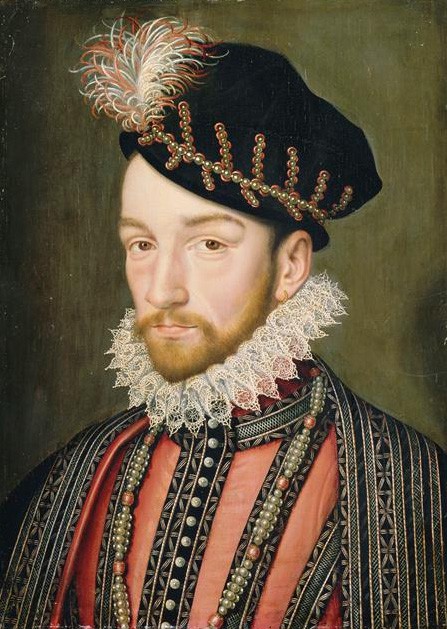
King Charles IX of France.
Another theory relates to the poet d'Amerval. He suggested that April is the month of Pisces, symbolized by two intertwined fish, representing deception.
Gradually, the April Fool's Day prank became a tradition and spread to many countries around the world.

April Fool's Day - A colorful tapestry of the world.
France - The birthplace of tradition
Considered the "home" of April Fool's Day, France boasts a plethora of mischievous and humorous pranks. The French often "trap" friends and family with blatant lies or unexpected actions, leaving them stunned and amused.
England - The subtlety in the "art" of lying
In England, there's an unwritten rule that all jokes must be made before noon. After this time, lies are no longer acceptable. The most famous example is the "fake text message" game – where Britons freely create humorous stories to "prank" their friends.
Scotland: Cuckoo hunting and the "kick me" prank
Scotland has a unique tradition for April Fool's Day, stemming from the game "Hunt the Gowk." "Gowk" is both another name for the cuckoo bird and means fool. The traditional prank involves asking someone to pass on a sealed message that reads, "Don't laugh out loud, don't smile. Hunt the cuckoo somewhere else." The recipient must then pass the message on to the next "victim."
Additionally, the game "Kick Me" is believed to have originated on April Fool's Day in Scotland. People would try to secretly stick a paper fish on the back of their "victim" to create laughter.

In Scotland, people try to secretly stick a paper fish onto the back of their "victim" on April Fool's Day.
America - Where jokes escalate in intensity.
Known for their boldness and creativity, Americans have turned April Fool's Day into a lively "festival" of pranks. Media outlets and newspapers also join in the fun with sophisticated fake articles, leaving readers both suspicious and amused.
Vietnam - Young people celebrate April Fool's Day
Today, those who are tricked on April Fool's Day are known by many interesting nicknames. In England, they are called "April Fools." In Scotland, their nickname is "Gowk," also meaning "fool." The French call those who are tricked "Poissons D'Avril," meaning "April Fools." Perhaps due to the influence of French culture, in Vietnam, we also call this day April Fool's Day.
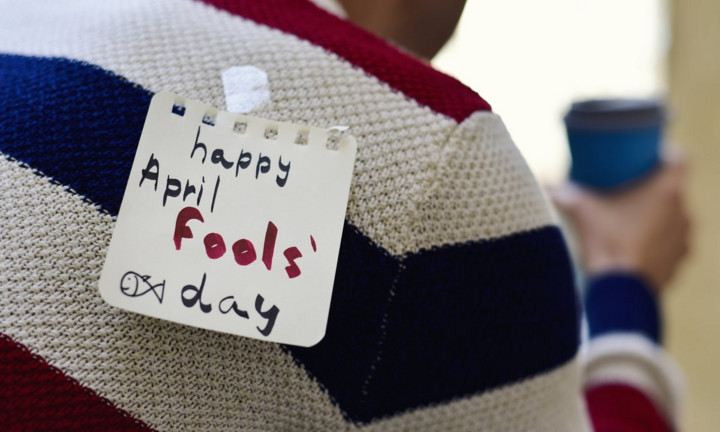
Each country celebrates this holiday in its own way, creating a diverse and fascinating cultural tapestry.
Although April Fool's Day is relatively new to Vietnam, it has received enthusiastic support from young people. Gentle and humorous pranks are spread across social media, bringing refreshing laughter and connecting people.
More than just a day for pranks, April Fool's Day is also an occasion for people to connect, share laughter, and create joyful memories. While each country has its own way of celebrating, the common thread is an optimistic, cheerful spirit and creativity in the "art" of lying.