VI
VI


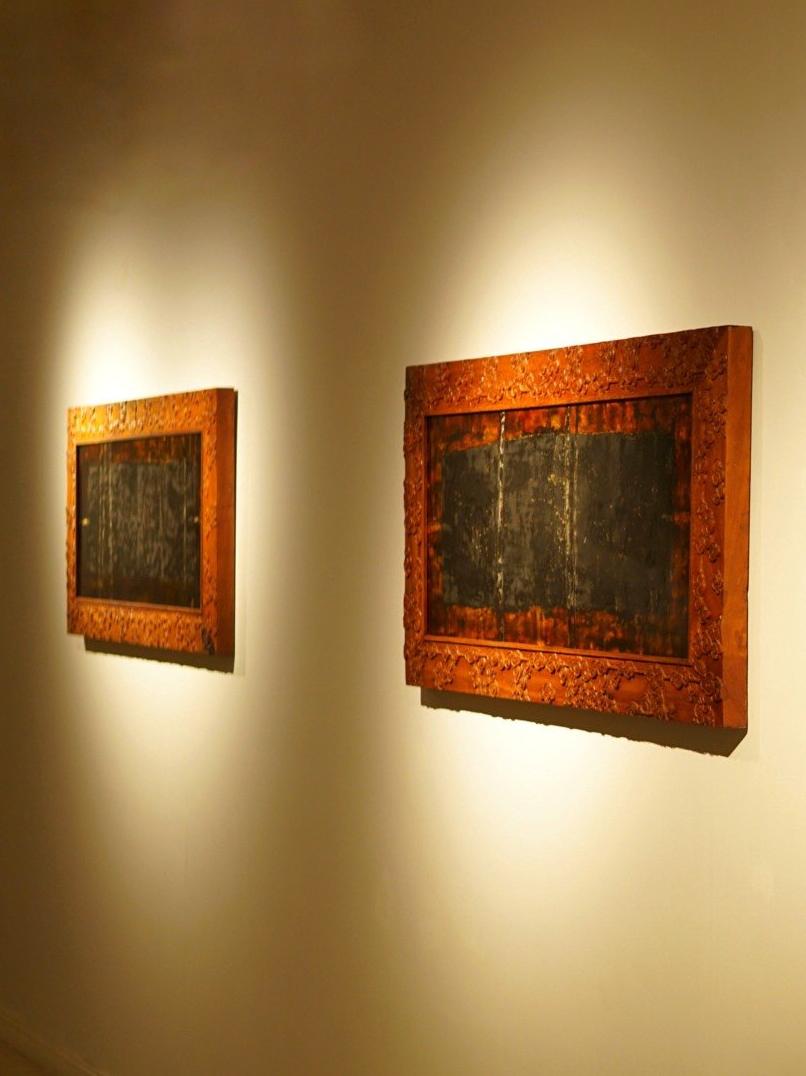

Artist Nguyen Hoa's solo exhibition, "Paths of Wind and Clouds," draws inspiration from the subtle and emotionally rich verses of the late poet Han Mac Tu. Nguyen Hoa (born 1978 in Hue) presents his first solo exhibition, a significant milestone marking his emergence to the public beyond the boundaries of his previous artistic pursuits.
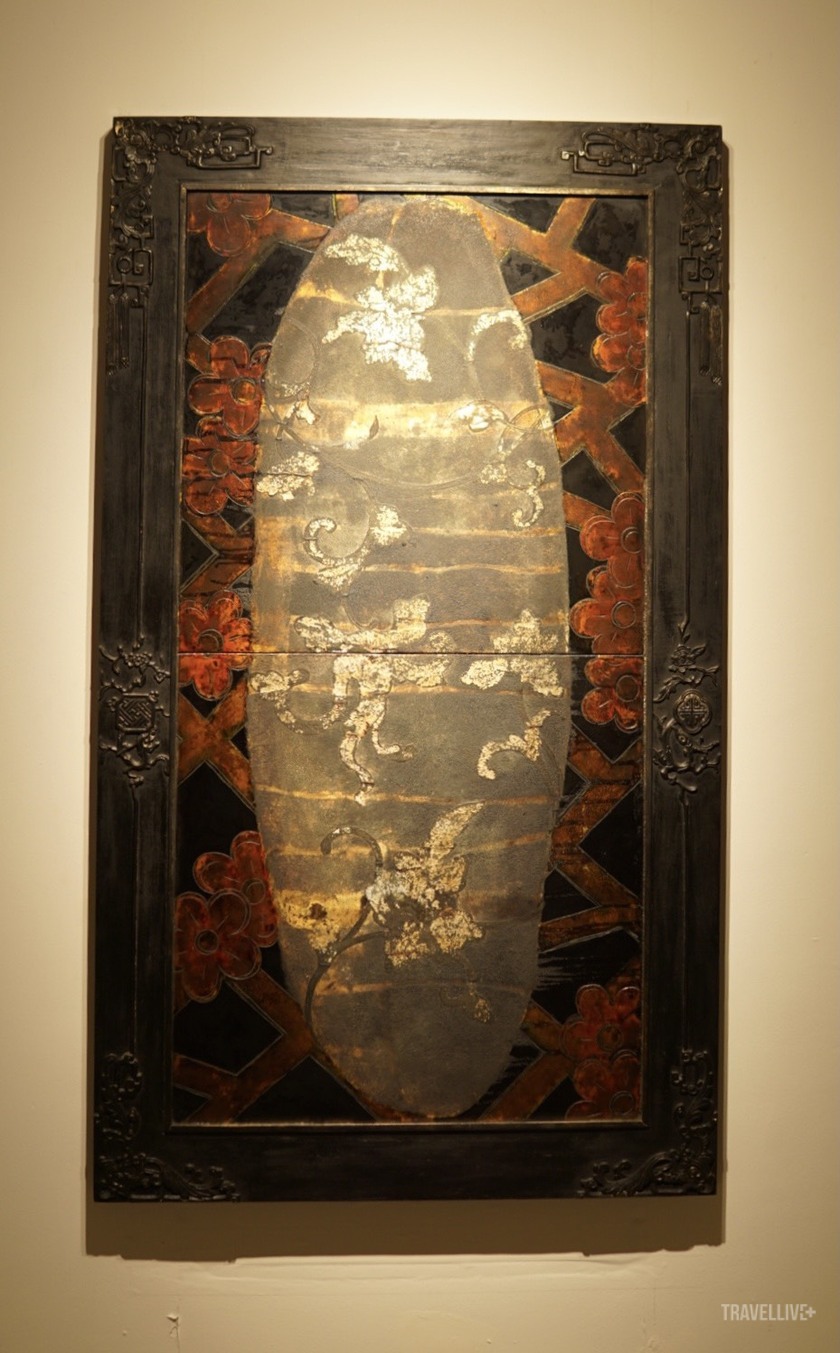
The male artist said, "The phrase 'Wind follows its own path, clouds follow their own way' (from the poem 'This is Vi Da Village' by Han Mac Tu) expresses separation and hesitation. It evokes memories of the people, scenery, and art of Hue. It brings moments of quiet, tranquility, calmness, and gentleness, yet is also mysterious enough to captivate the public's gaze. Many motifs in the painting are also carved by him, showcasing the distinctive architectural features of the Nguyen dynasty."
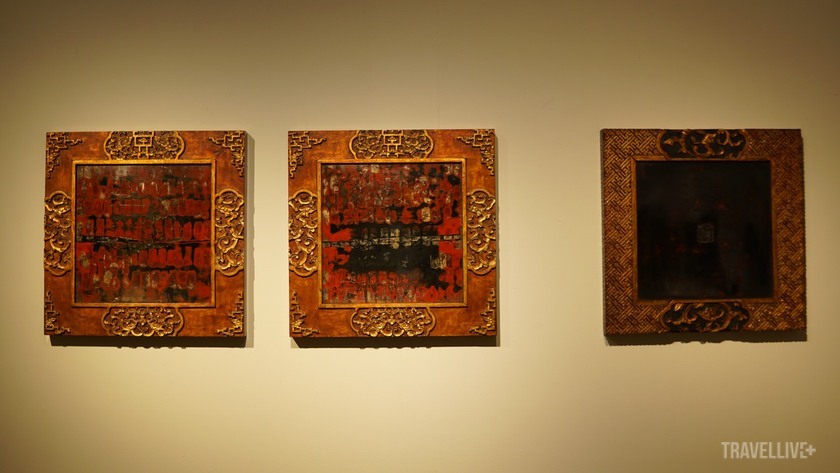
"The Path of Wind and Clouds" is inspired by the emotionally rich verses of the late poet Han Mac Tu.
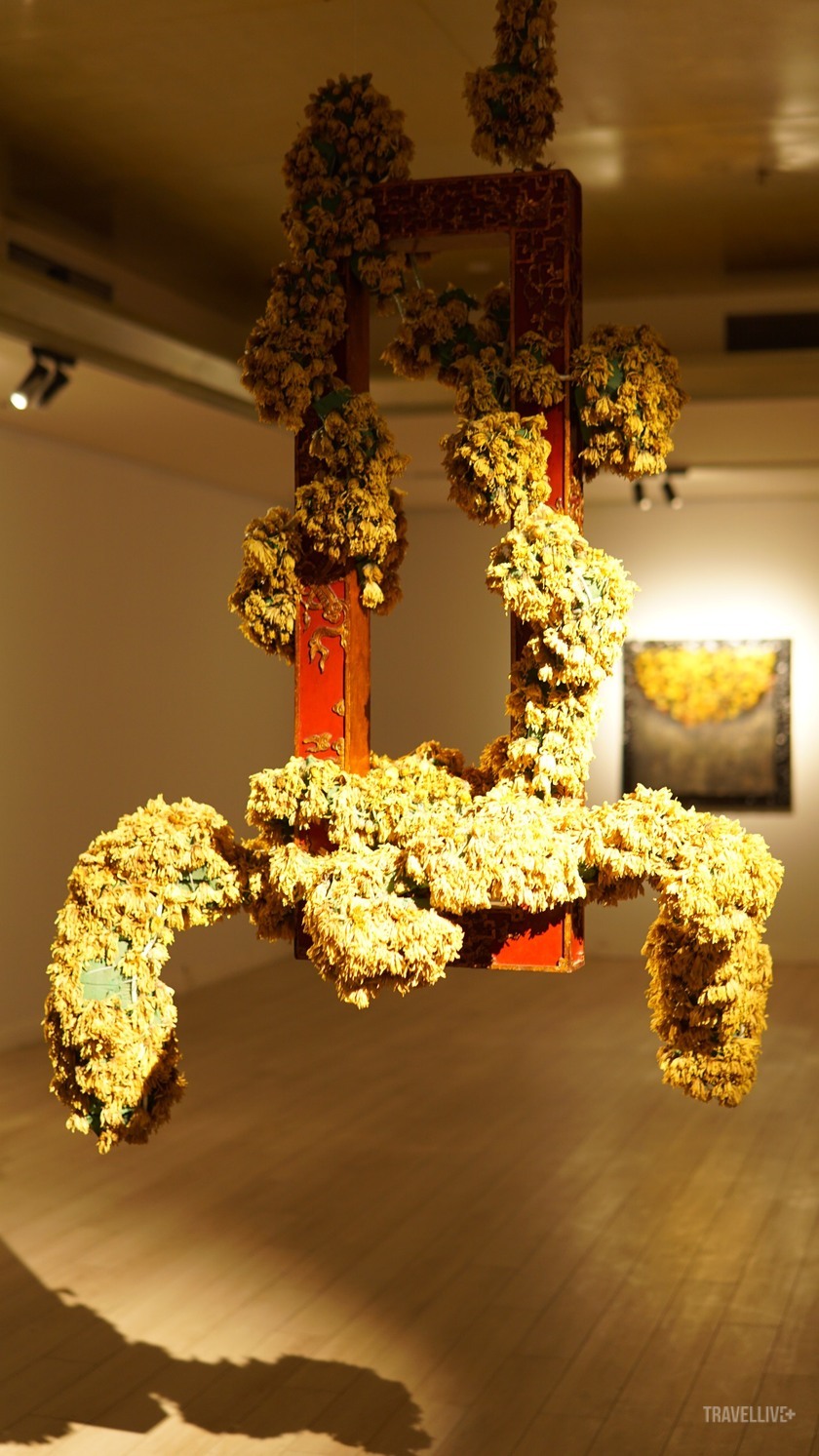
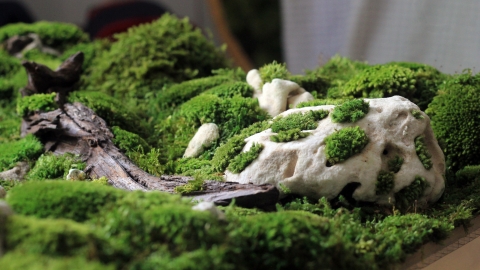
The artwork, titled "Wandering Clouds," is created to resemble clouds floating in space.
“The Path of Wind and Clouds” brings together 26 works, including lacquer paintings and installation art, created by the male artist from 2015 to the present. Artist Nguyen Hoa carefully selects his words and chooses lacquer as the focal point for his serious artistic practice. Beyond simply responding to space and context, his works also encapsulate the finite nature of time and the constant constraints and changes within the art world.
The works in the exhibition all strongly reflect the ancient architecture of Hue Imperial City. Hidden within this are the focal points and metaphors for the habits in lifestyle and artistic creation that have strongly influenced any artist in this ancient capital. The male artist makes full use of the characteristics of traditional lacquer painting with a classic color palette: red, yellow, black, and a reddish-brown base... Practicing art with lacquer is considered relatively difficult due to the influence of weather and climate.

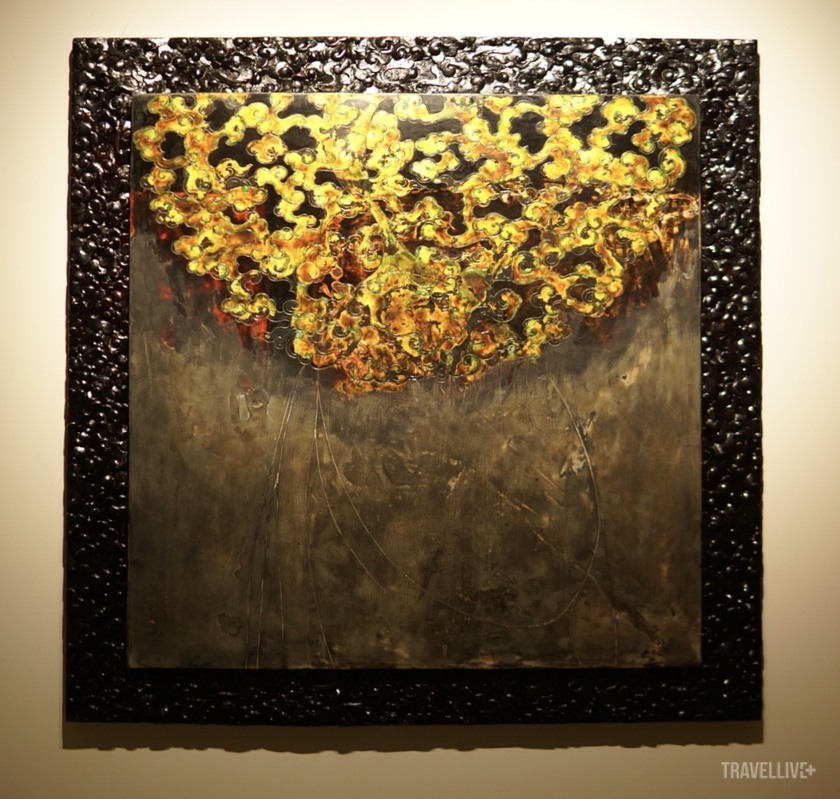
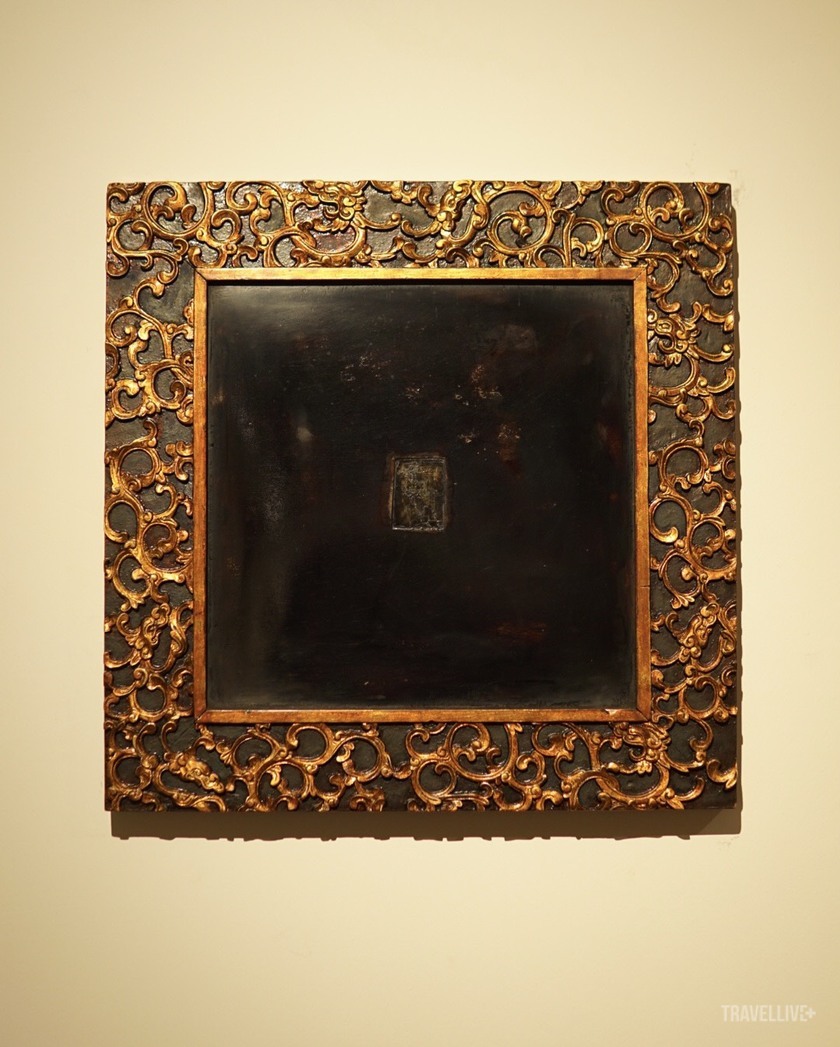
Having received formal training in sculpture, Nguyen Hoa continues to apply carving techniques in the creative process of crafting picture frames. Besides lacquer, the artist utilizes many natural materials such as wood, charcoal, and hill stone for this exhibition.
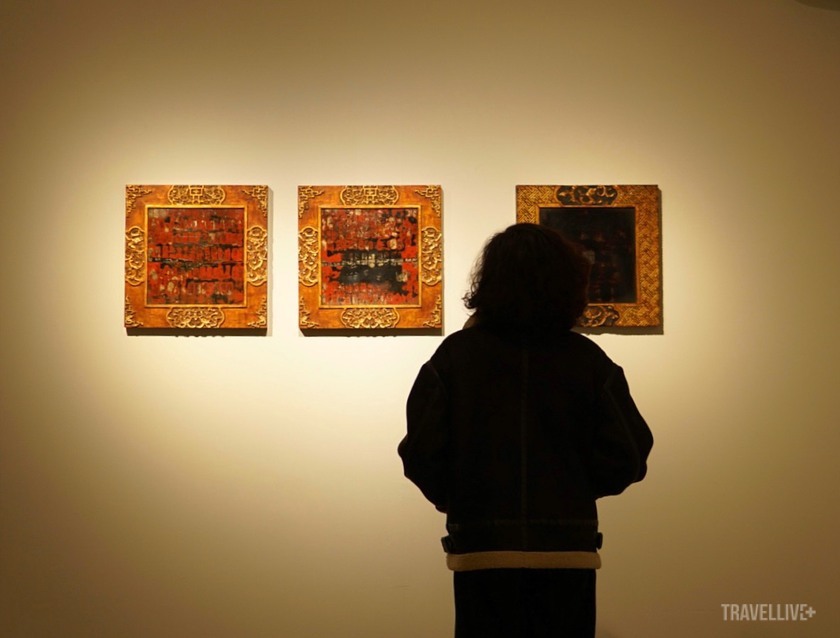
Each of the male artist's works of art reveals a hidden inner world.
Artist Nguyen Hoa said that when creating, he erases more than he adds. While painting, he searches for what he wants to express in his work, trying to imagine its shape in his mind. Especially with lacquer, when the layers of lacquer are sanded away, they create different patterns. Artists chase after that flow of emotion rather than following a pre-existing standard. Lacquer is inherently abstract; by applying many layers of lacquer and then sanding them away to reveal each layer of the painting, sometimes what you intended to paint might turn into a completely new work after sanding.
In particular, each of the artist's works depicts an inner world. He constantly engages in dialogue with and responds to these inner worlds over time, slowly perfecting the painting with awareness and self-control. Each creation is like a window opening to the artist's inner world, linking the inspiration of painting and poetry. No painting in the exhibition has an independent title. Yet all the scenes together form a whole, creating a tranquil space, a refuge amidst the dynamic world we live in.
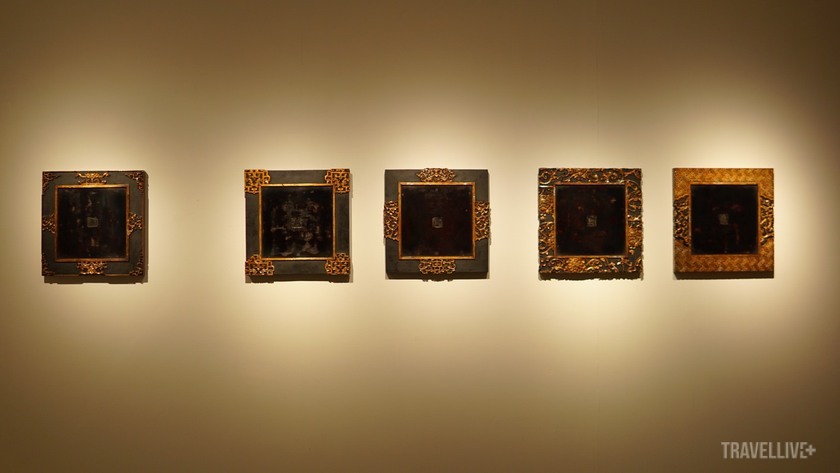
These lacquer paintings are titled "Scenes." The elongated squares in some of the works recreate the image of the small windows on the gates of tombs and historical sites in the ancient capital of Hue.
The artist uses traditional lacquer materials to create black, reddish-brown, or gold leaf colors for his works.
Having received formal training in sculpture, Nguyen Hoa views painting as a supplementary means of expressing his artistic spirit—a means that both reflects and resists the notion of time. Each of his works is meticulously crafted, deliberately scarce, forming part of a series of contemplative reflections, sometimes comprising no more than three pieces.
Nguyen Hoa constantly engages in dialogue and provides continuous feedback to them over time, perfecting them through a slow, conscious, and self-controlled dance. This leisurely yet diligent state throughout the creative process has become a self-portrait, a contemplative performance, penetrating into the deepest corners of emotion and depth.
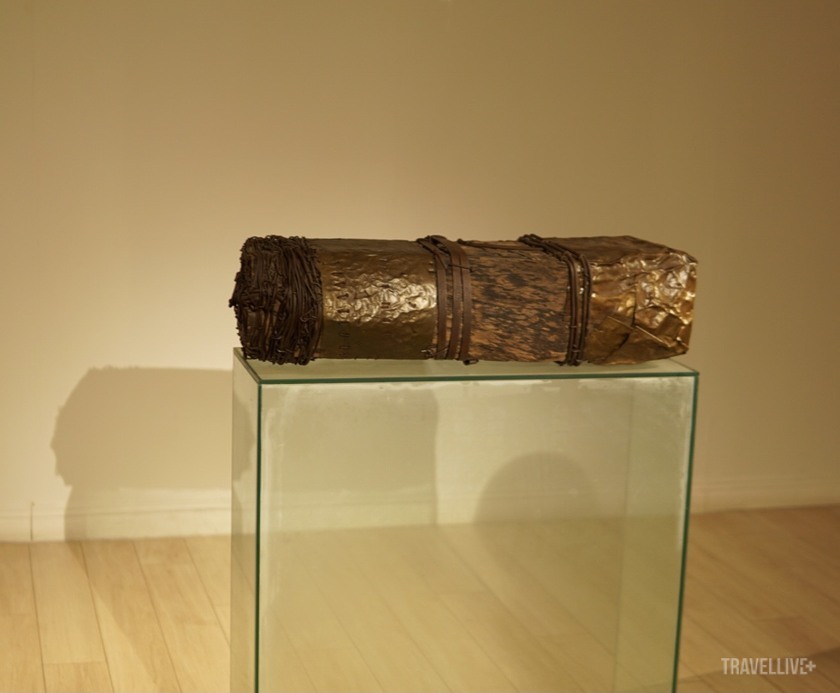
The sculpture "Work for the New Year" took nearly a decade to create, showcasing the diligent, meticulous, and unhurried artistic style of Hue's artists.
Discussing the painting style of artist Nguyen Hoa, curator Do Tuong Linh shared: "Nguyen Hoa chose lacquer, a medium perfectly suited to his naturally leisurely and calm approach. Throughout this series of works, ancient architectural details act as a frame, a subtle metaphor for customs and conflicts, dissecting scenes, rituals, habits, and rules not only about history and heritage, but also about the very structure of existence that any artist living and working in the ancient capital of Hue inevitably carries with them."
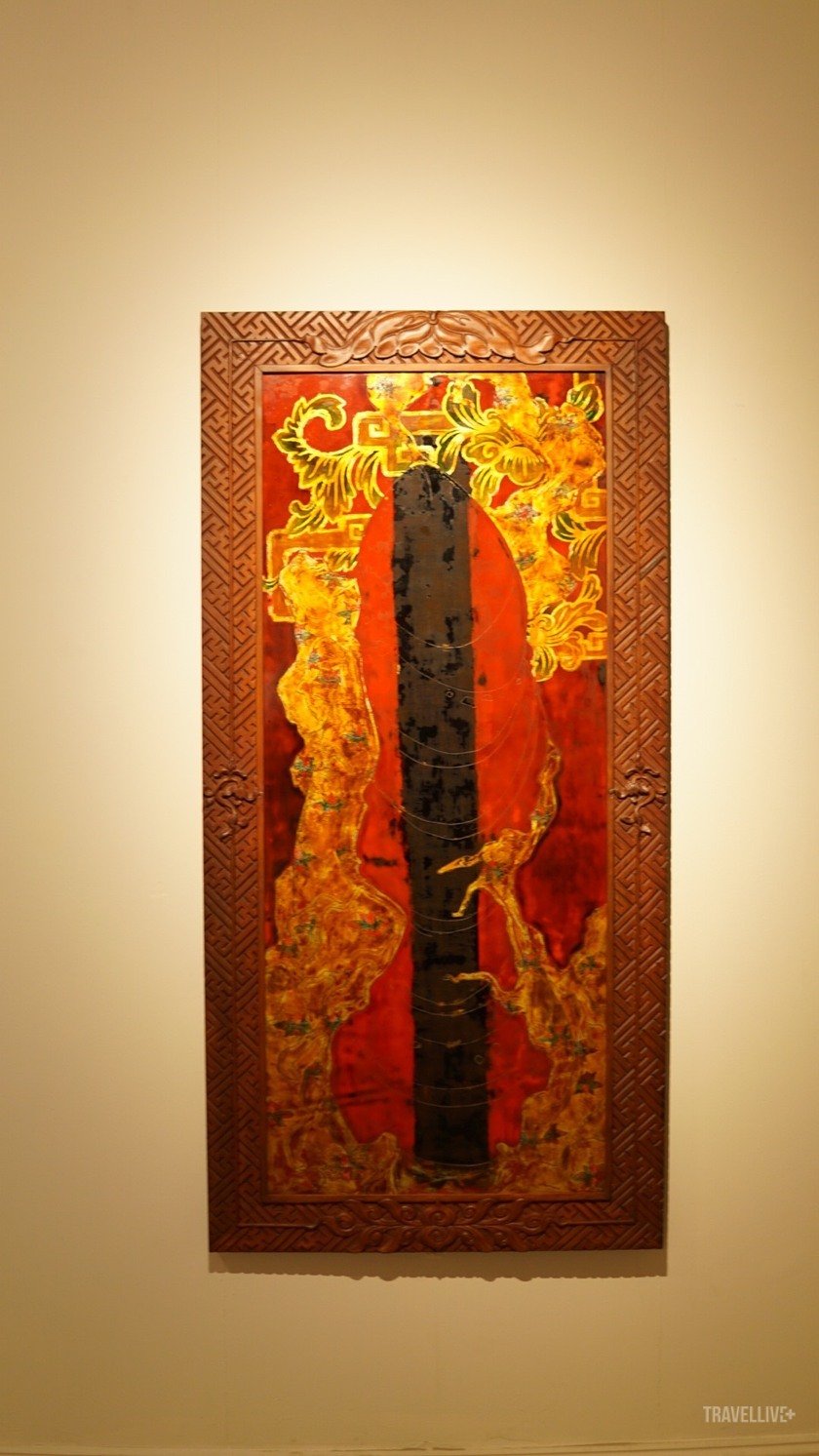
The image of the cocoon in Nguyen Hoa's painting depicts the desire for breakthrough and transformation of the male artist from Hue.
Artist Nguyen Hoa graduated with a Bachelor of Sculpture from Hue College of Arts. Since 2012, he has worked as a freelance artist, focusing primarily on painting, sculpture, and wood carving. Although maintaining a modest presence in the field, Nguyen Hoa has participated in numerous exhibitions both domestically and internationally. Some notable events include: the "The Lost Images" exhibition at Ganesha Gallery, Netherlands (2010); a group exhibition in Yogyakarta, Indonesia (2018); a group exhibition in Chiang Mai, Thailand (2018); and the "Boom!" contemporary art week in Hue (2020)...
The exhibition "Wind and Cloud Paths" by artist Nguyen Hoa is open until January 28, 2024 at Mo Art Space, 136 Hang Trong Street, Hoan Kiem District, Hanoi.
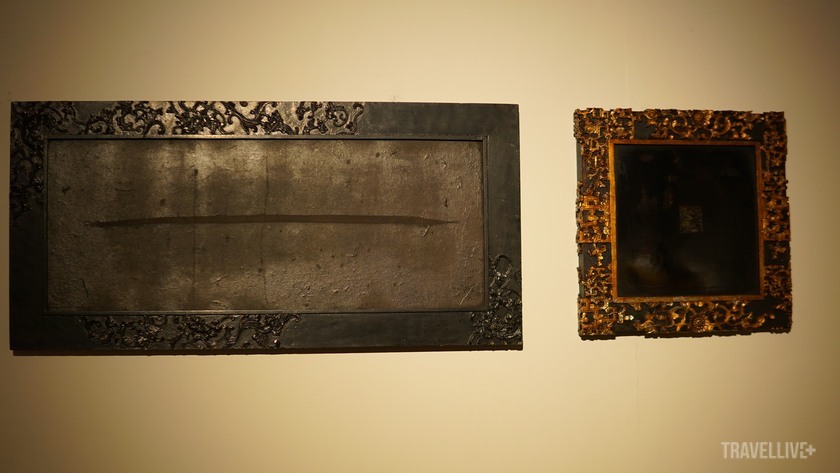
Many of the motifs in the picture frame were also carved by him, reflecting the distinctive architectural features of the Nguyen Dynasty.