VI
VI


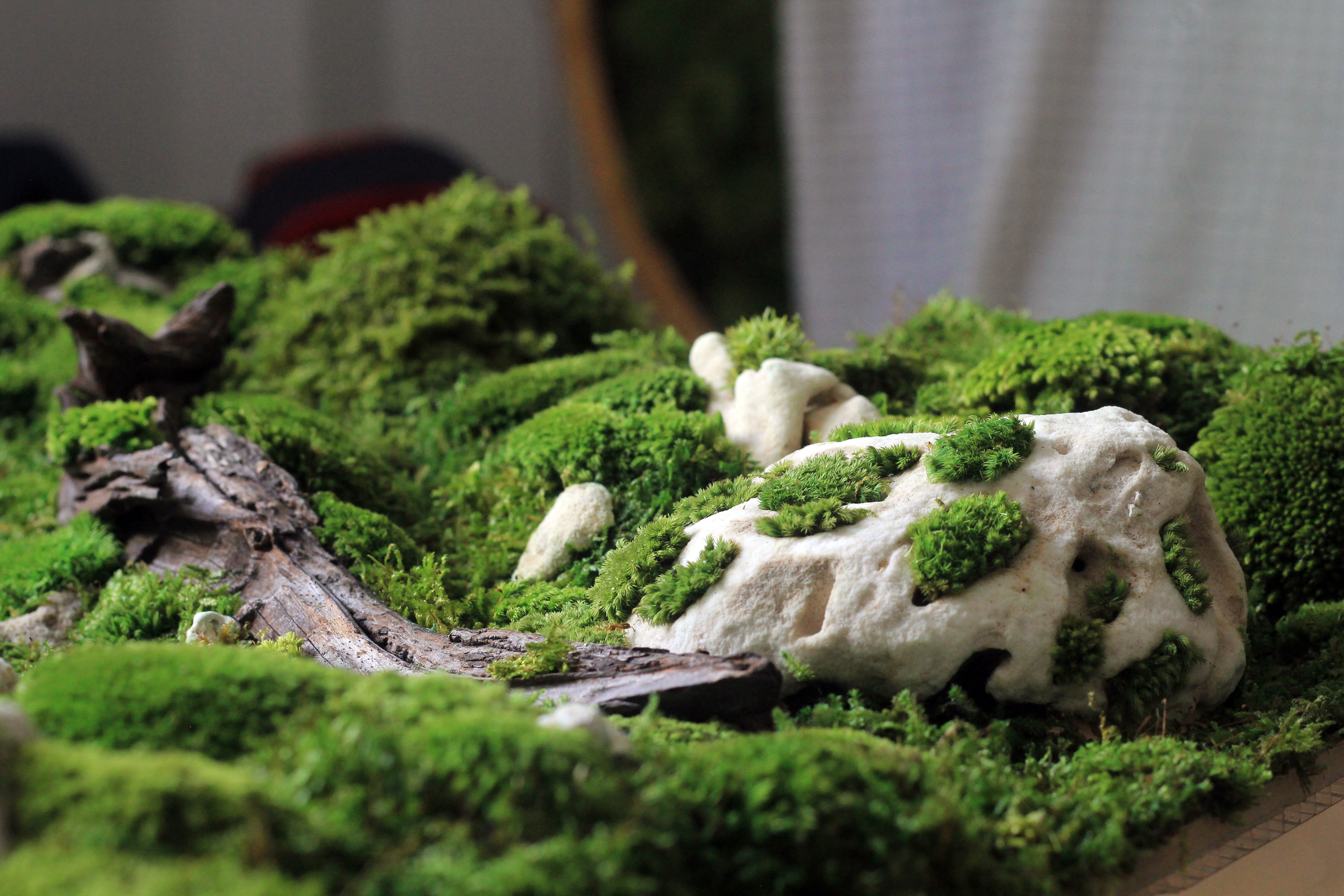
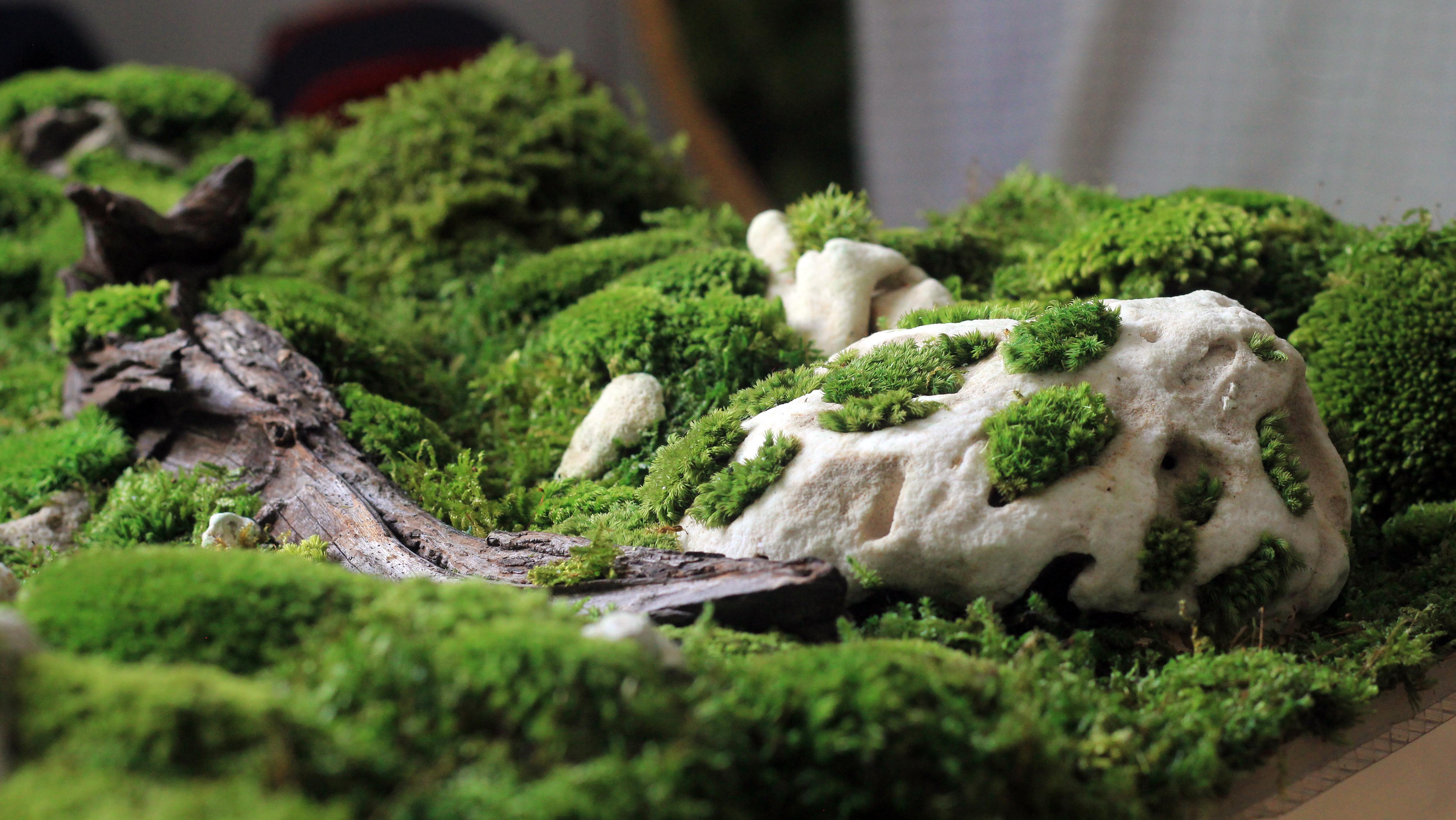
Creating art from moss
Thu Trang is currently the founder of Noi Studio in Ho Chi Minh City. Before venturing into moss art, she had over 9 years of experience as a copywriter in the creative advertising industry.
“This job has honed my observational skills and given me a deeper insight into everything happening around me. It has also helped me broaden my approach to art and nature, to the invisible connection between all things. It allows me to find ways to express my views and perspectives through the language of visual art,” Thu Trang shared with Travellive.
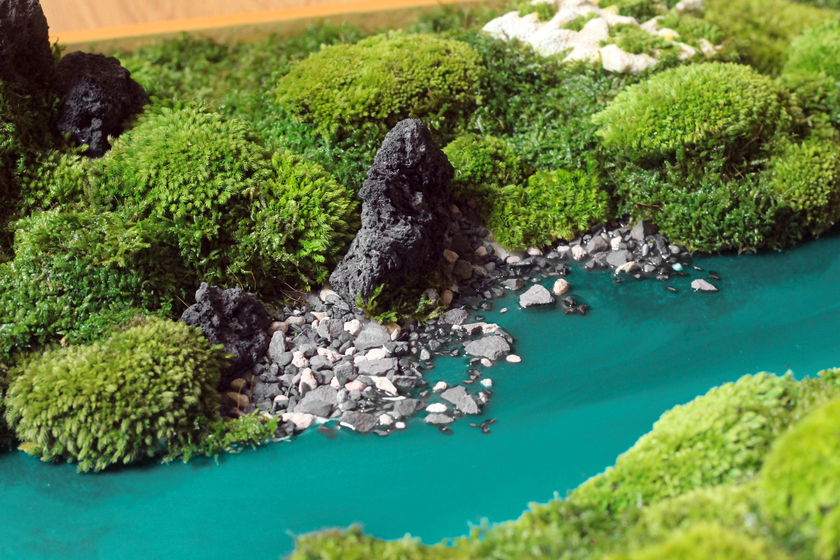
Nature blends seamlessly into the unique art of moss paintings.
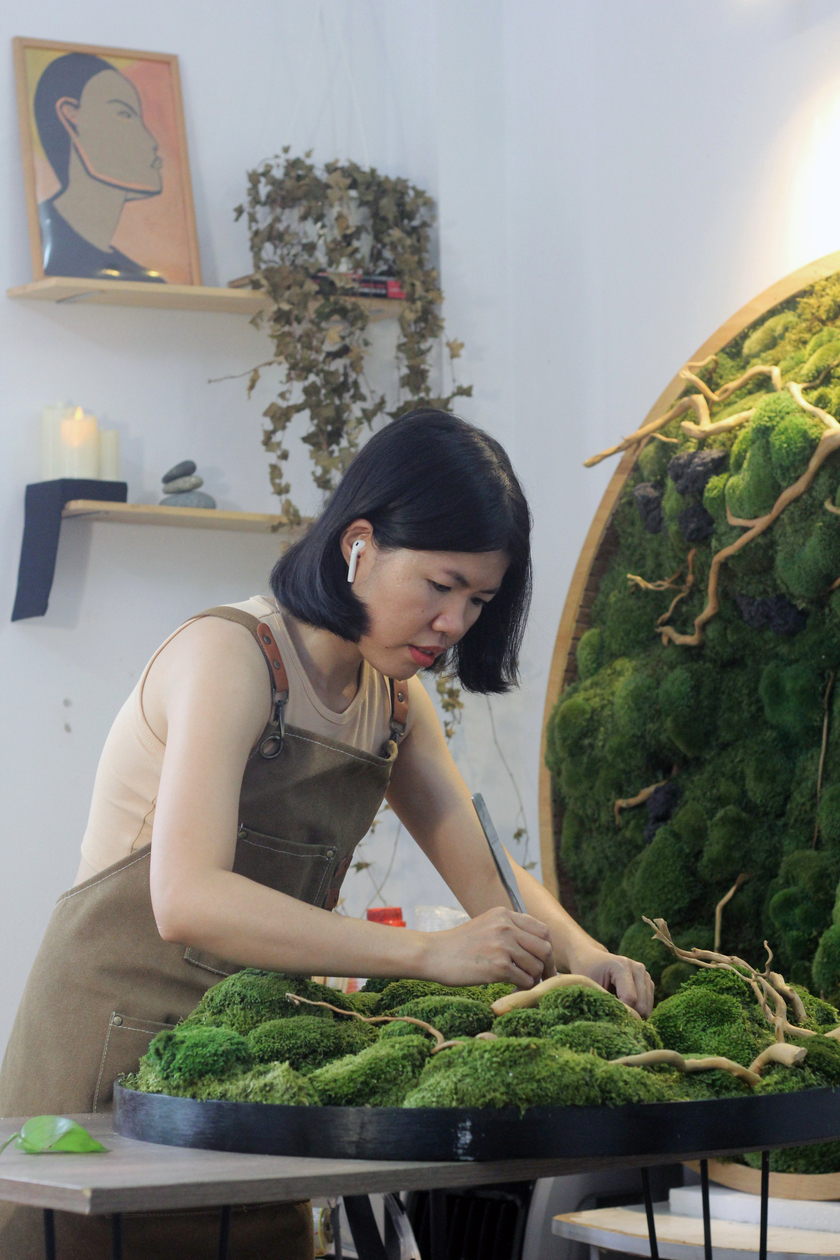
Thu Trang is currently the founder of Noi Studio in Ho Chi Minh City.
According to Thu Trang, nature plays a very important role in her work, as the main materials she uses all originate from nature. The idea of creating moss art paintings didn't come to Thu Trang at any specific point, but rather as a process of accumulation after encounters with nature.
“I grew up in the Central Highlands, going to school in the morning and following my mother to the coffee plantation in the afternoon, sitting idly under the shade of trees while she worked in the garden. Back then, nature was just a few steps away. When I grew up and moved to Saigon to study and work, I realized how far nature seemed. This yearning to be 'close' to nature, to express and share my emotions, imagination, and small, personal things, led me to this art form of installation, specifically creating moss paintings,” Thu Trang said.
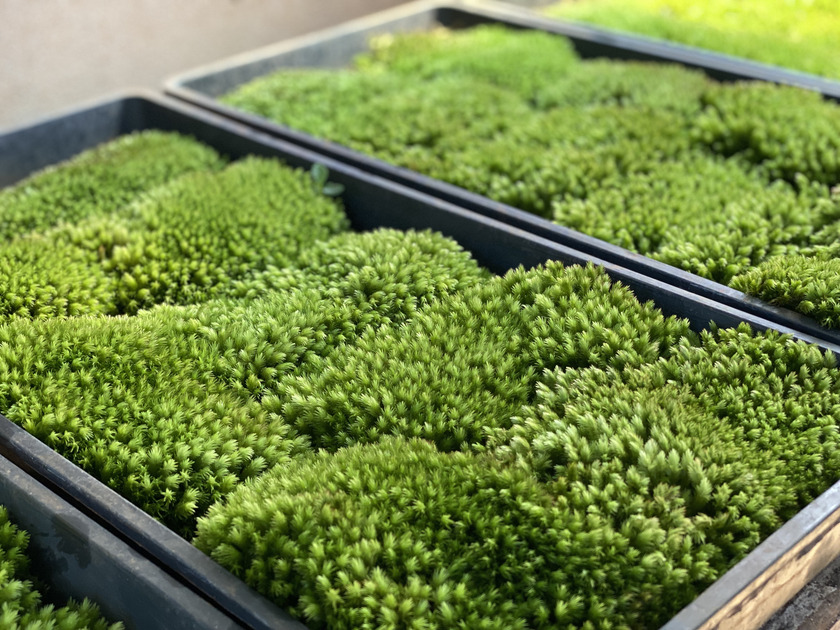
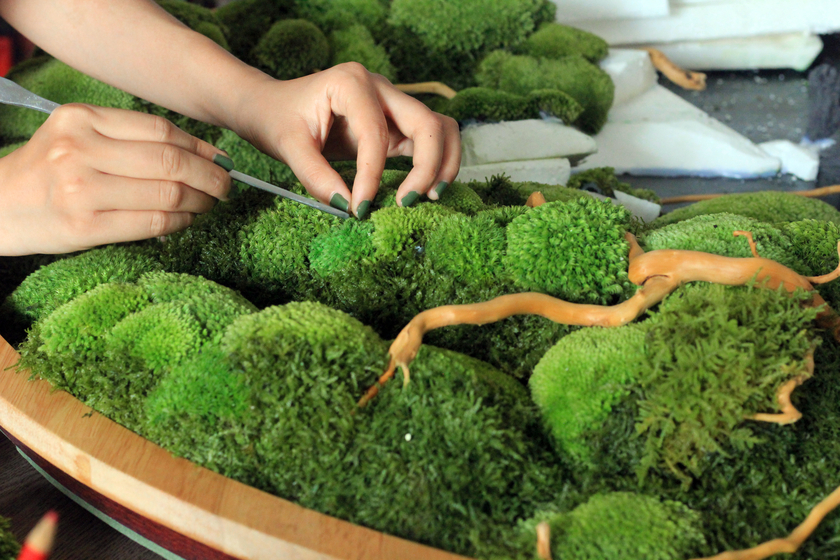
The material Thu Trang uses is preserved moss, which has only appeared in Vietnam in the last 2-3 years.
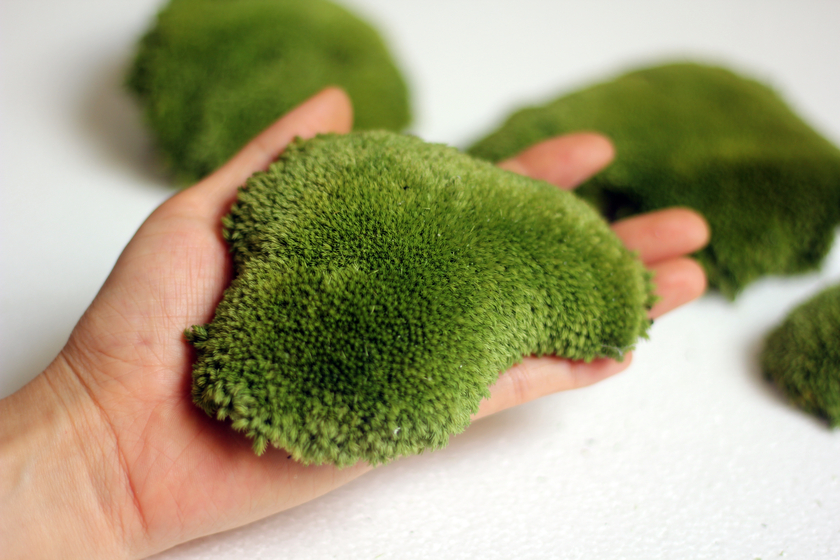
Preserved moss is living moss that has undergone a special treatment process that freezes its spores, putting it into a state of "hibernation".
What makes Thu Trang's moss paintings so special is the material she uses: preserved moss – a type of moss that has only appeared in Vietnam in the last 2-3 years. It's still a relatively new concept as a material for artworks. Preserved moss is living moss that has undergone a special treatment process that freezes its spores, putting it into a state of "hibernation." Thanks to a preservation compound with glycerin as its main component, the moss retains its moisture, color, and shape.
Therefore, preserved moss requires no care and remains vibrant green for a long time, making it ideal for today's busy lifestyles, as not everyone has the time or resources to grow or care for plants.
"I can summarize the steps in making moss paintings into three main stages: preparing the moss, brainstorming ideas and composition, and arranging and adjusting. There's no single most important step because every step is important," Thu Trang said with a smile.

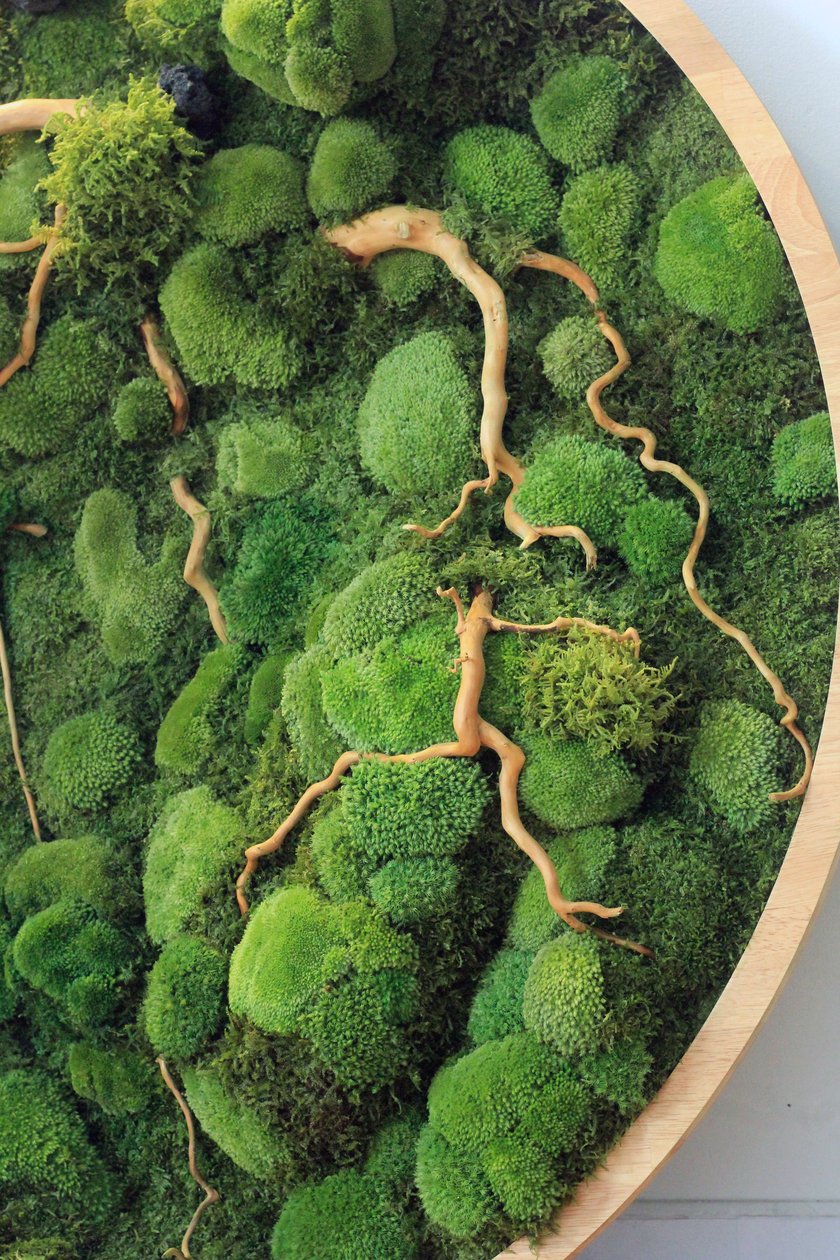
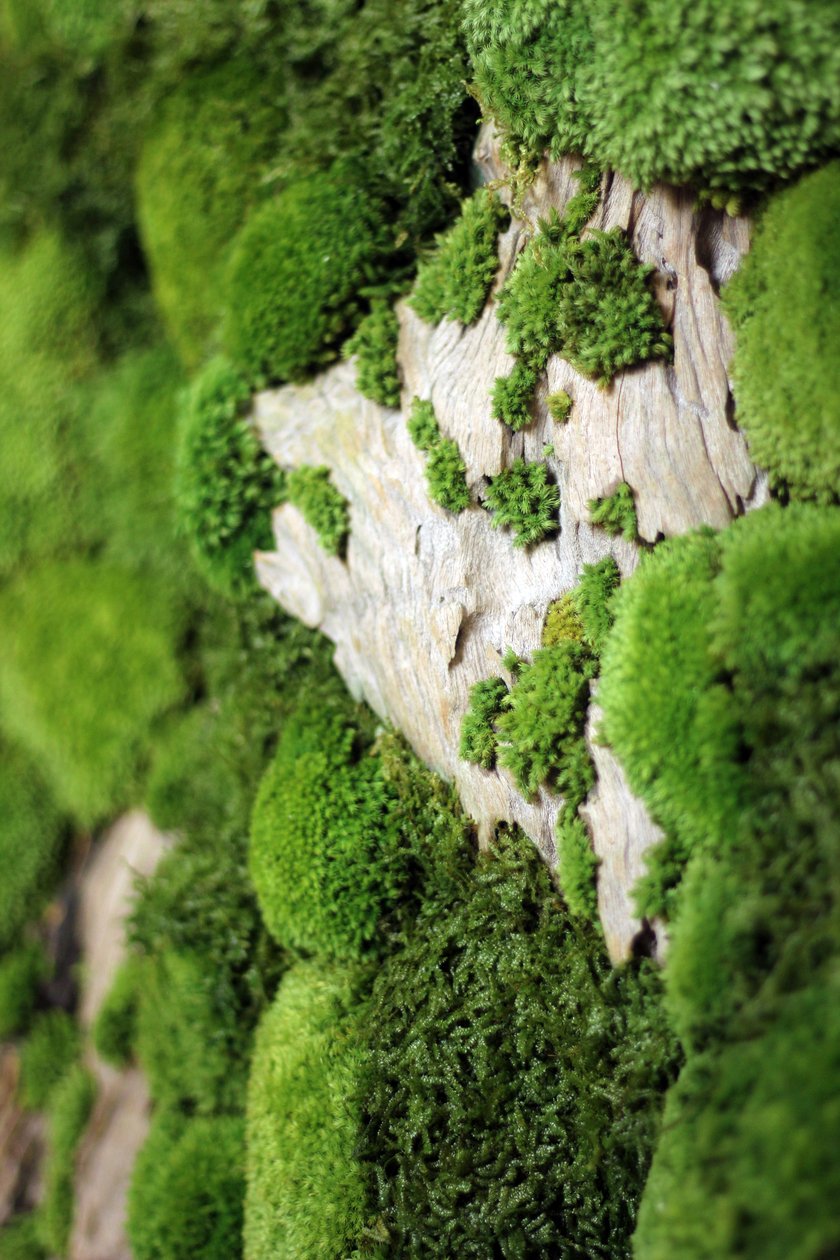
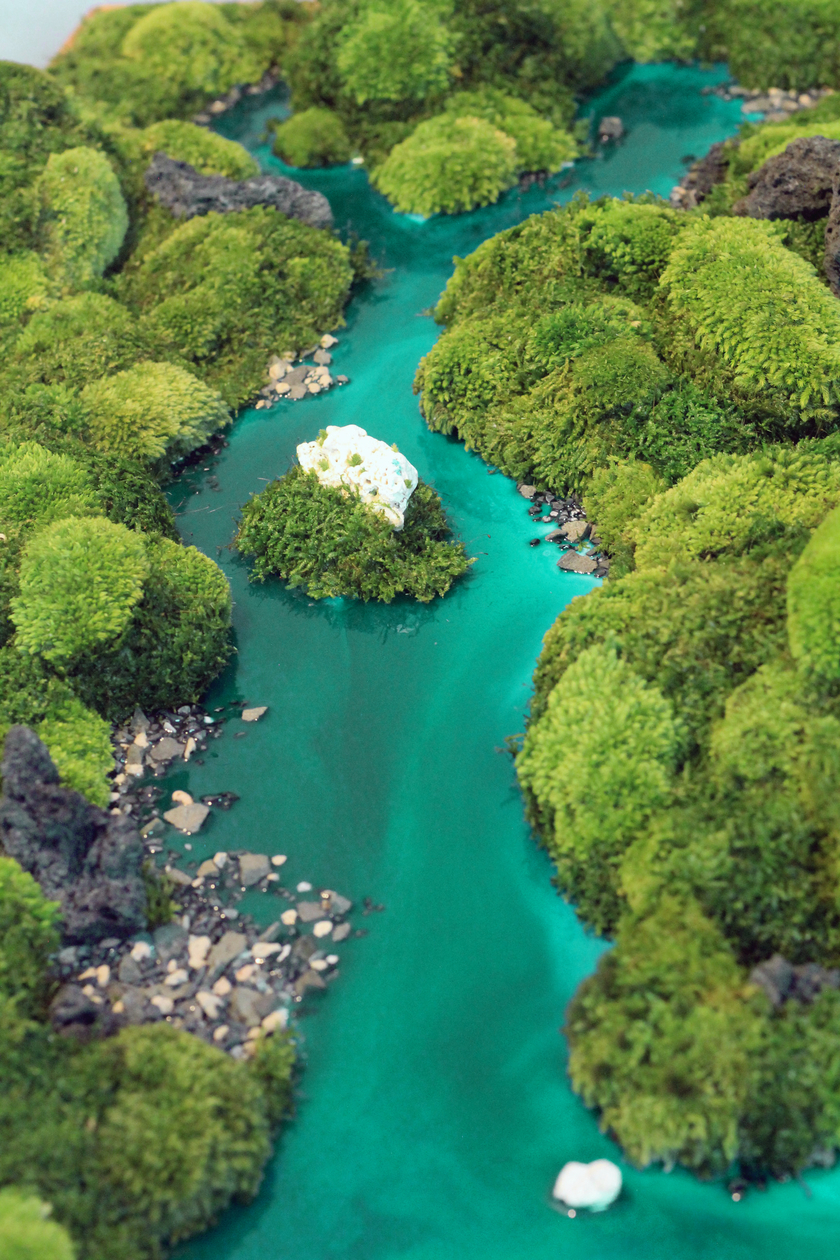
All stages of production are done by hand, with meticulous attention to even the smallest details.
Initially, she started by experimenting with growing moss at home, then spent over a year learning, experimenting, and perfecting the standards for moss treatment. This wasn't an excessively long period, but it was enough to test one's perseverance.
Mosses in Vietnam grow differently and have different moisture-retention and color-preserving properties compared to mosses grown in temperate countries, so techniques from abroad cannot be applied exactly. Not to mention, the processing compounds are not easily available domestically, so finding safe alternatives is a major challenge. Mistakes and corrections are common, and sometimes Thu Trang has to discard entire batches of processed moss because they don't meet the standards. Time is the best standard for verifying whether the moss has met the requirements, which is why she doesn't rush to use it in her paintings but waits over a year to ensure the quality of the materials she uses.
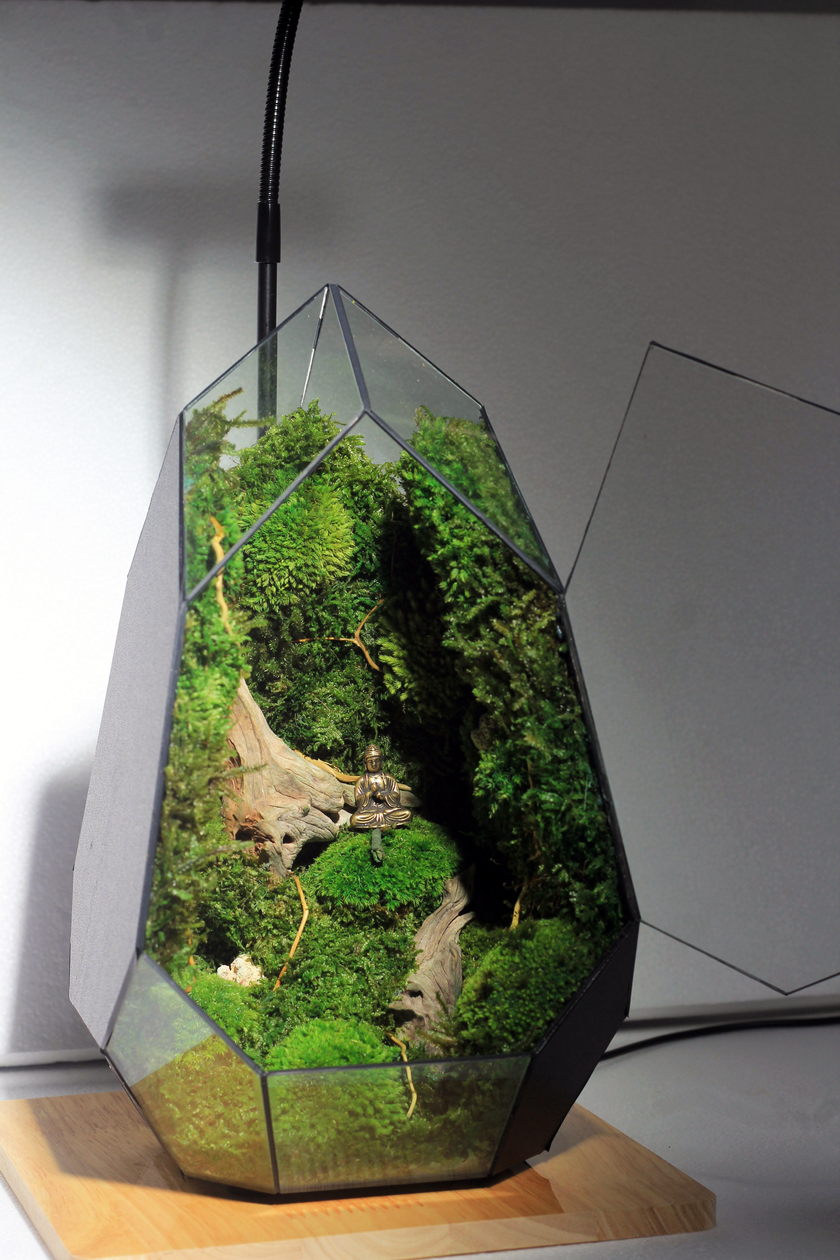
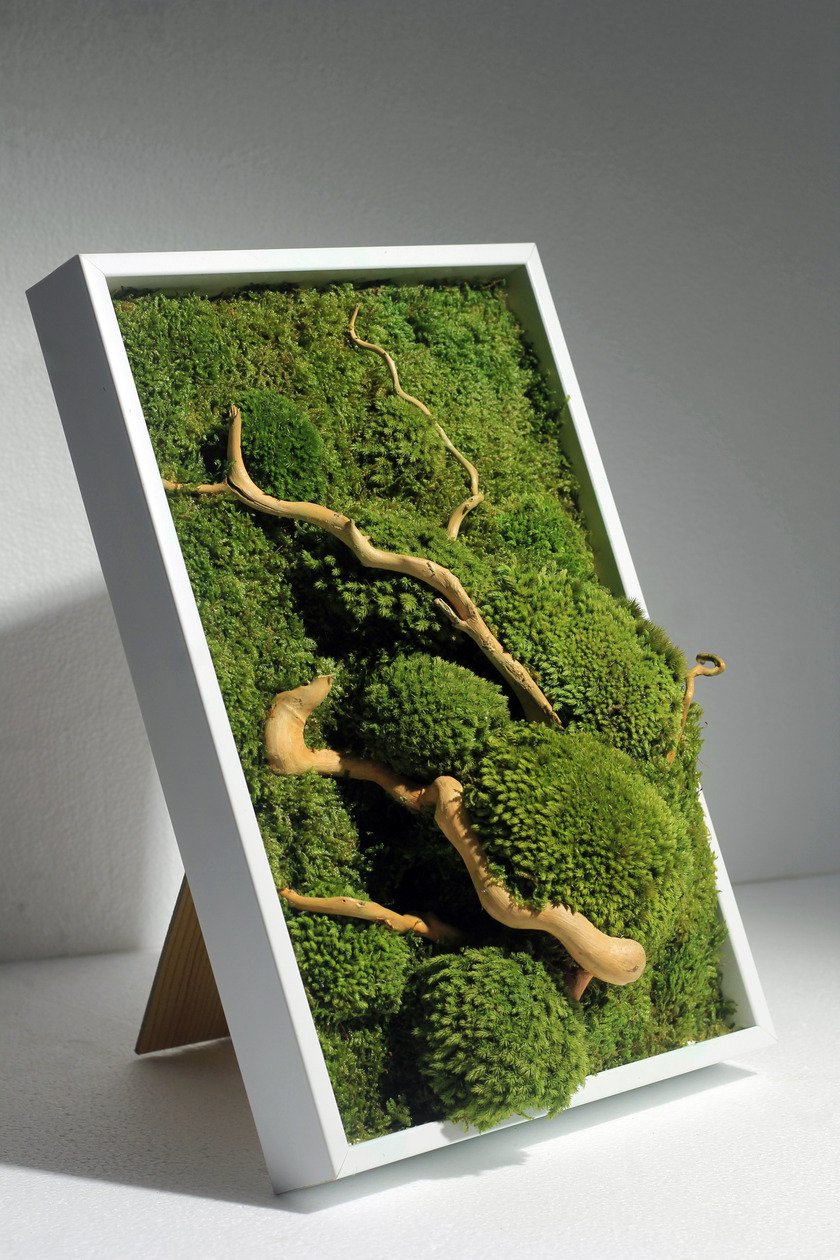
The idea of creating moss art paintings came to Thu Trang not from a specific milestone, but rather as a process of accumulation after encounters with nature.
Once the moss was processed and ready, Thu Trang thought everything was done, that the rest would be easy, but it turned out to be much more complicated. Ultimately, moss is a creative medium, like having a box of watercolors in your hand; what you paint to create a beautiful picture is what truly matters. But the most exciting part was the creative process of developing the composition; it was like a transformation, bringing her inner world to the outside, shaping it into form and meaning.
And finally, the arrangement of the moss, all done by hand, meticulously perfected down to the smallest detail. Each piece of moss has a different shape, color, and size. The most special thing about making moss paintings is their "uniqueness"; you won't find two moss paintings exactly alike.
My inspiration for creating moss paintings comes from my travels and my connection with nature.
“My creative inspiration often begins with the simplest things in everyday life. This year's hot summer days in Saigon have inspired the painting 'The Spring of Summer,' with the hope that everyone will find their own gentle 'spring.' For me, it's trekking trips to mossy forests hidden deep within the old-growth woods, but for others, it could be a refreshing glass of tamarind juice, a bunch of sweet U Hong lychees, or simply the smile of a loved one,” Thu Trang shared.
The periods of being stuck in the middle of Thu Trang's journey to adulthood also helped her create the painting "(The) Space In Between".

Artistic moss painting: “The Spring Of Summer”
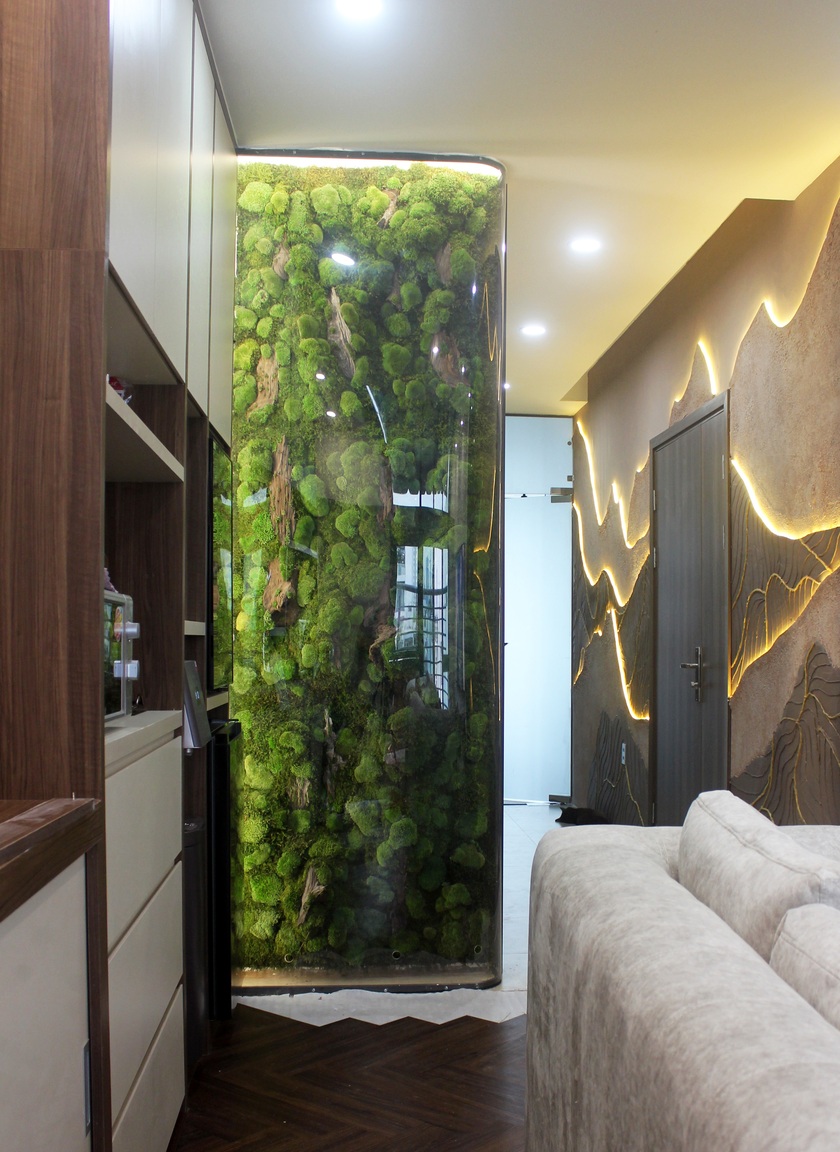
The moss-covered mural "(The) Space In Between"
Thu Trang added: “Although I'm an amateur with no artistic background, it helps me avoid being bound by any standards or concepts. In each moss painting, I seek similarity in contrast, balance in chaos, and rawness in nature. Looking at my paintings, people can clearly see that I appreciate the diverse, raw beauty and 'randomness' as nature itself is.”
From her travels and connections with nature, Thu Trang was inspired to incorporate these feelings into her art. Through art, she became more responsible for her actions in everyday life. She founded Noi Studio with the hope that each of her works could help bridge the gap between humans and nature, between "love" and "action," between "grand" and "small."
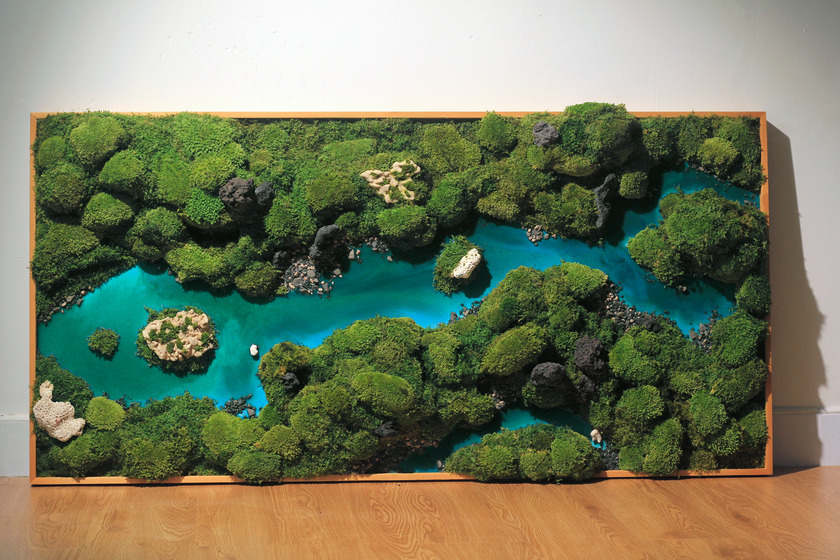
Each moss-themed artwork also bridges the gap between humans and nature, bringing a sense of peace and freedom to a green living space.
As a new and niche art form, Thu Trang faced many difficulties when creating moss paintings. Mastering the moss material in the process of creating artistic moss paintings was perhaps the biggest challenge for her. Unlike watercolors, where you can use different brushes, moss is a completely natural material, so its shape, size, and color cannot be controlled.
Therefore, arranging moss on the painting to ensure it accurately conveys the original idea and composition often takes a great deal of time. Each painting contains spontaneity and freedom. And within that spontaneity, you will also find the wild and mysterious yet soft, lush green and vibrant colors of naturally growing forest moss.
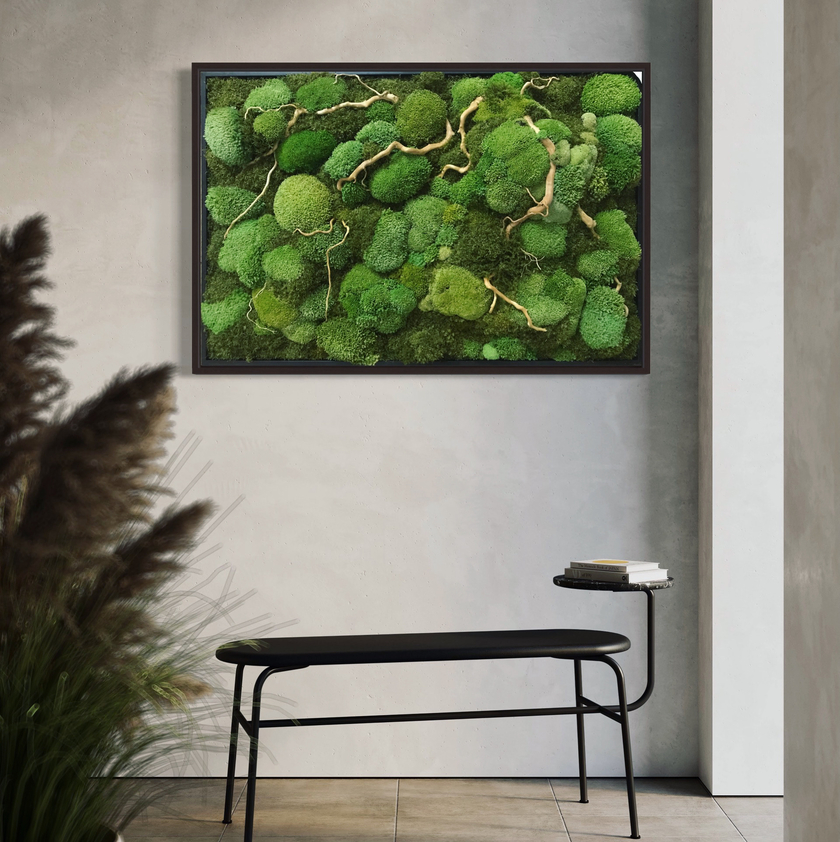
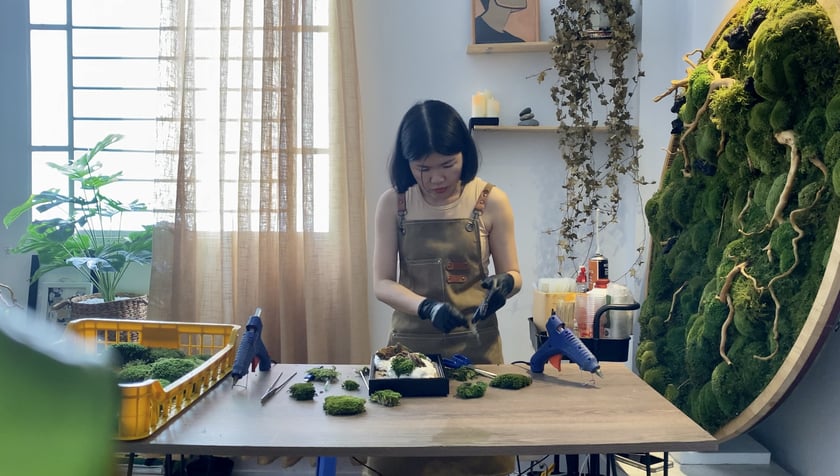
As a new and niche art form, Thu Trang faced many difficulties when creating moss paintings.
According to Thu Trang, moss paintings range in price from 10-15 million VND per square meter, depending on the style and materials used in each painting. Maintenance is quite simple; you just need to keep them indoors away from direct sunlight, no watering or special care is required, and the ideal temperature is below 30 degrees Celsius.
For a long time, Japanese Zen masters have planted moss on the walls and in the gardens of their temples to create a sense of peace and tranquility. Many even consider moss an important element in connecting with nature and supporting meditation. Moss is now a popular trend for creating green living spaces in homes without requiring time-consuming maintenance.
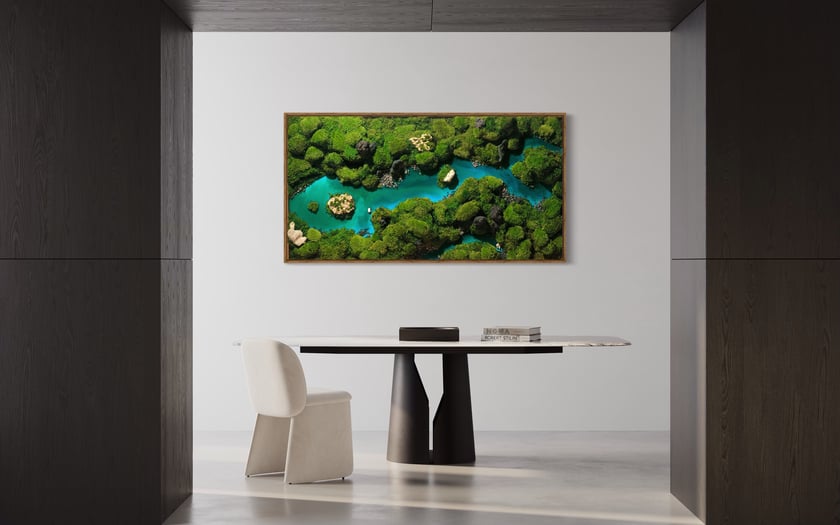
The meticulously and intricately designed moss-covered walls give the house a unique and vibrant feel.