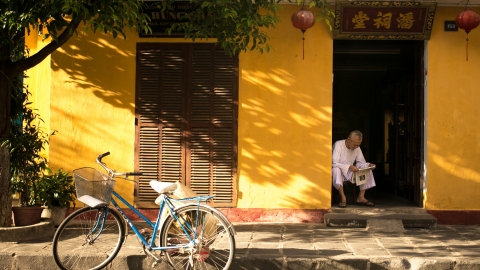
VI
VI


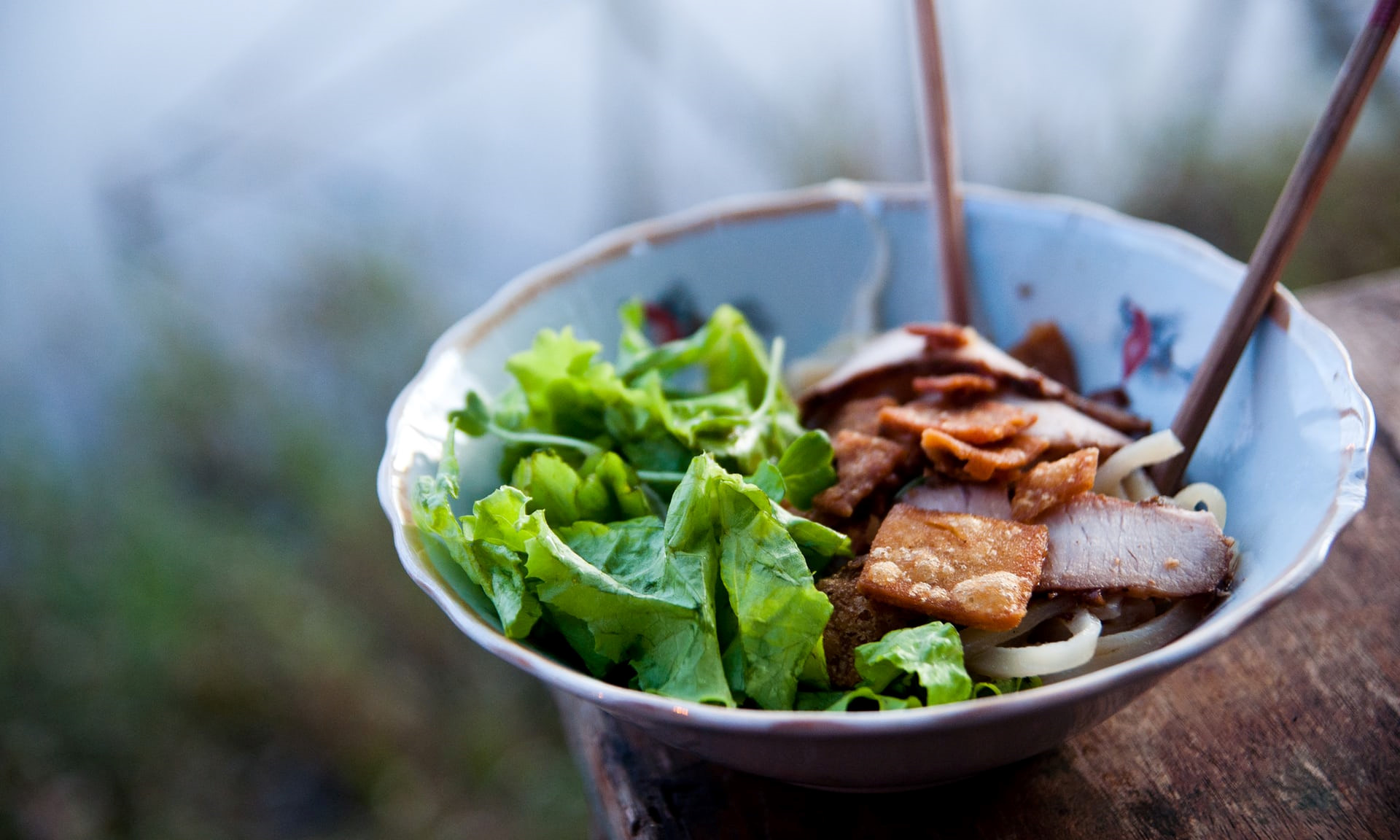
As a bustling trading port from the 15th to 19th centuries, connecting the East with the West, Hoi An's landscape and cuisine bear the strong imprint of its distant past. Considered by many to be the culinary capital of Vietnam, Hoi An boasts a myriad of diverse dishes to satisfy the palates of all visitors.
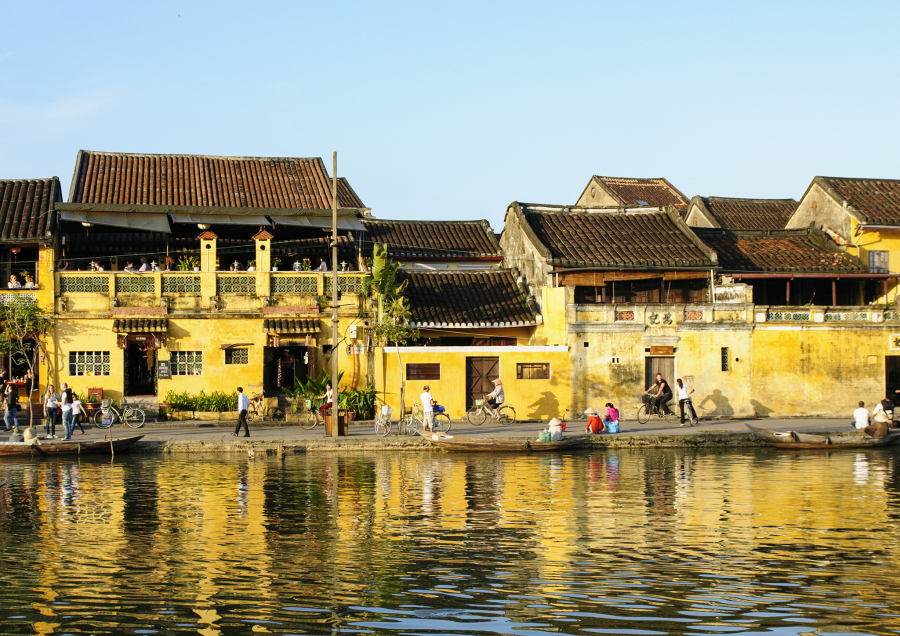
UNESCO recognized Hoi An Ancient Town as a World Cultural Heritage site in 1999.
"Hoi An is a unique city, and the food here is equally unique," Trinh Diem Vy, a renowned chef, culinary expert, and owner of nine restaurants in Hoi An, told CNN. "There's a bit of Europe here and a bit of Asia, so everyone can find something for themselves."
Although Hoi An boasts countless dishes that will captivate any food lover, the dish considered the culinary icon of the area is Cao Lau.

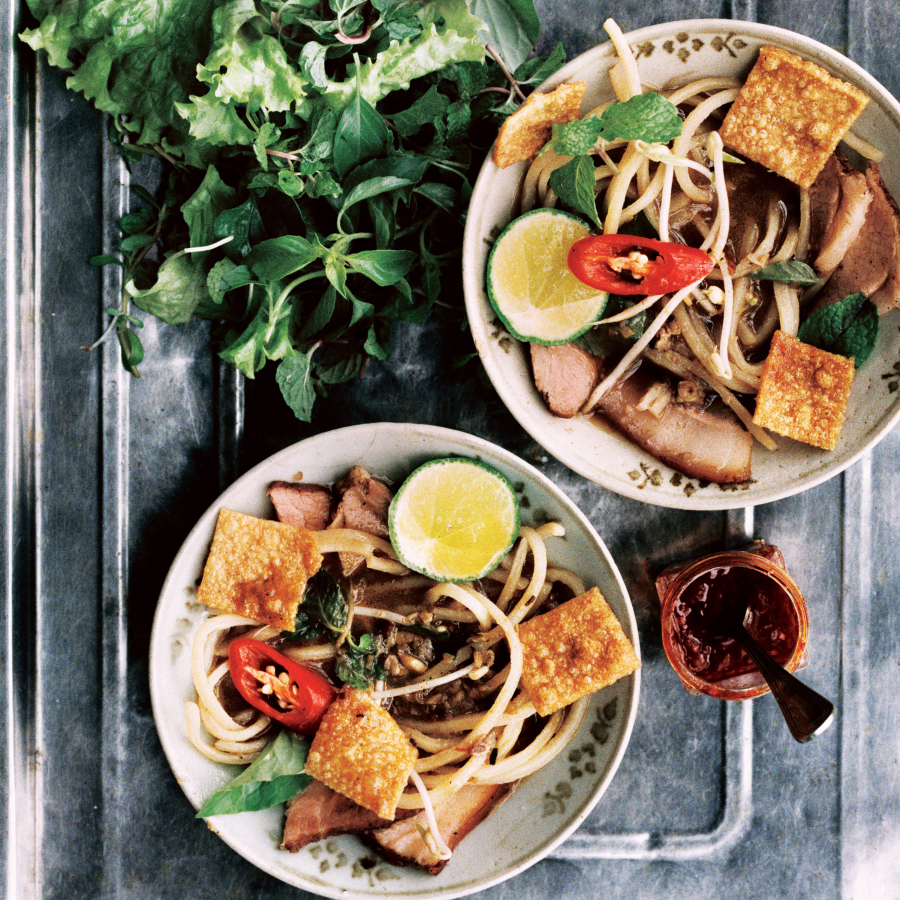
Cao Lau is a dish that everyone should try at least once when visiting Hoi An.
Cao Lau is not well-known not because it's not delicious, but because this delicious dish is... humble. The ingredients for a bowl of Cao Lau consist only of noodles, pork, shrimp, various fresh vegetables, and very little broth.
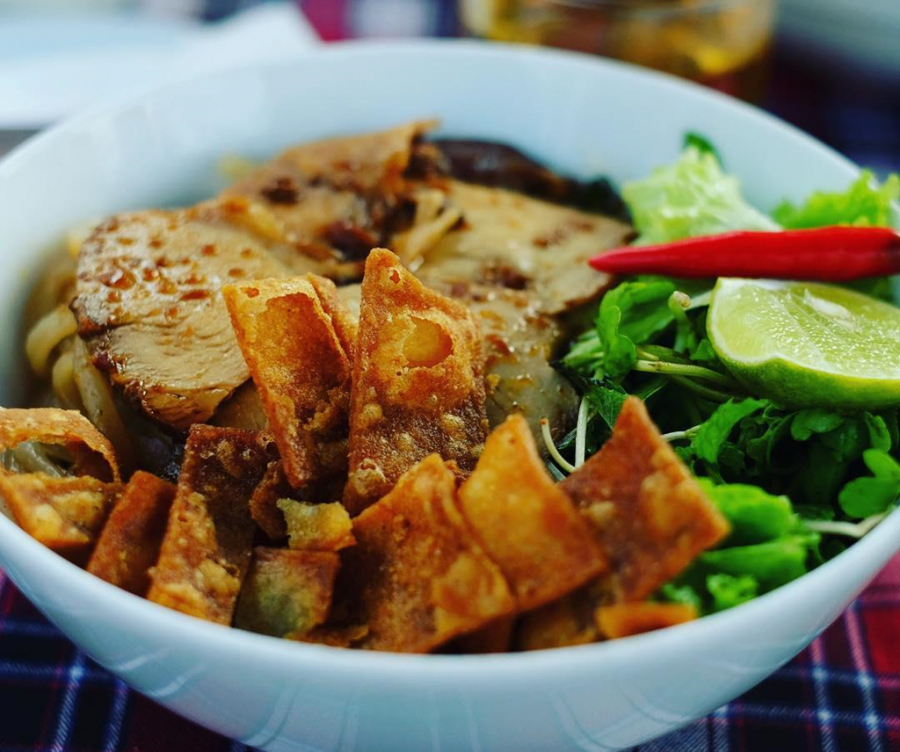
Another distinctive feature of Cao Lau comes from the origin of its name. "Cao Lau" means you have to eat this dish on the... upper floor of the restaurant. In the past, merchants trading in the port area, wanting to keep an eye on their goods, would often climb to the upper floor of the restaurant and eat right there. Today, you can still see this old cultural tradition in Cao Lau restaurants scattered throughout the Old Quarter – these restaurants all have second and third floors, and the staff will proactively invite you to the upper floor to enjoy Cao Lau.
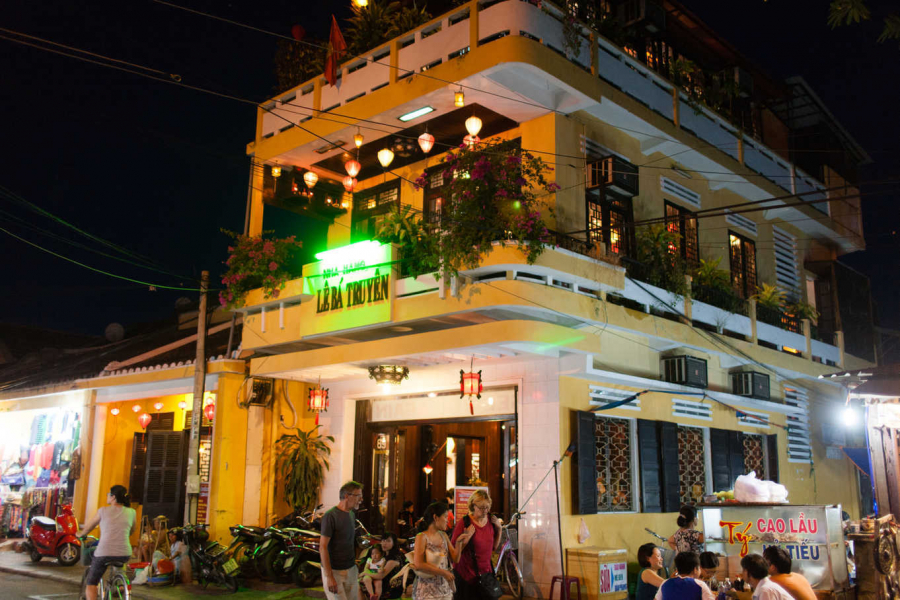
Restaurants with a classic, tranquil style often have an upper floor for the perfect enjoyment of cao lầu (a type of noodle dish).
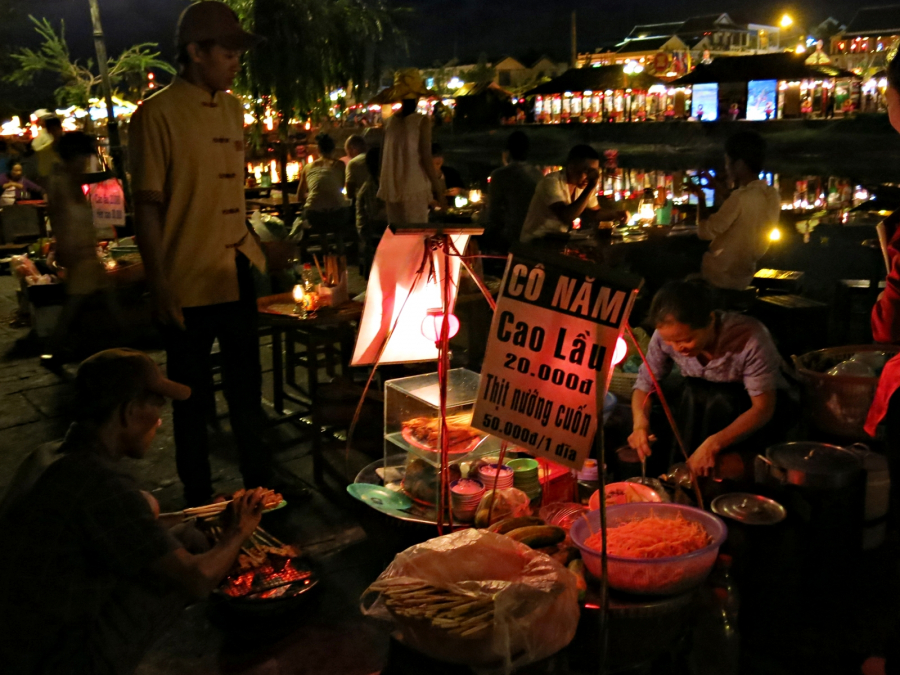
However, due to its immense popularity, tourists can still enjoy cao lầu everywhere on the streets of Hoi An today.
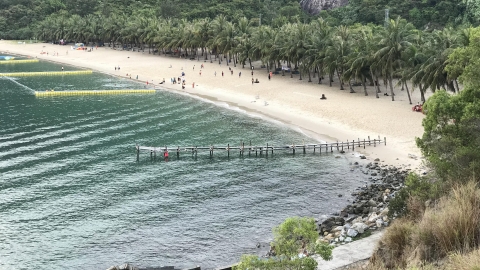
Cao Lau, while seemingly humble and simple, is prepared with meticulous care and sophistication. The essence of Cao Lau lies primarily in its noodles, which are often prepared with great care. The rice must be soaked in ash water sourced from Cham Island, 16 km from Hoi An, and the water used for grinding the rice comes from the Ba Le well, built by the Cham people thousands of years ago. The noodles then undergo numerous stages of rolling, cutting, steaming, and drying to produce the perfect strands – soft, firm, and fragrant.
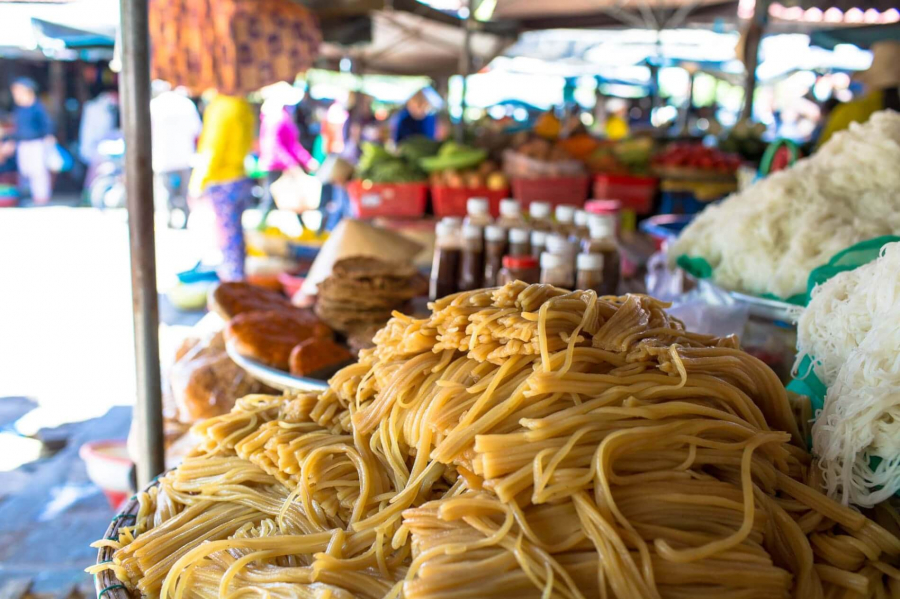
Cao Lau is typically eaten with blanched bean sprouts that aren't too soft. Fresh vegetables, sourced from the famous Tra Que traditional vegetable village in Hoi An, are essential. The char siu pork is made only from free-range pork, known for its firm, fragrant meat, thin skin, and high lean content, resulting in a sweet flavor. When eaten, Cao Lau offers a delightful combination of chewy noodles, sour, spicy, bitter, astringent, and sweet flavors from the fresh vegetables, the aroma of fish sauce, aromatic spices, soy sauce... and crispy pork cracklings that melt in your mouth.
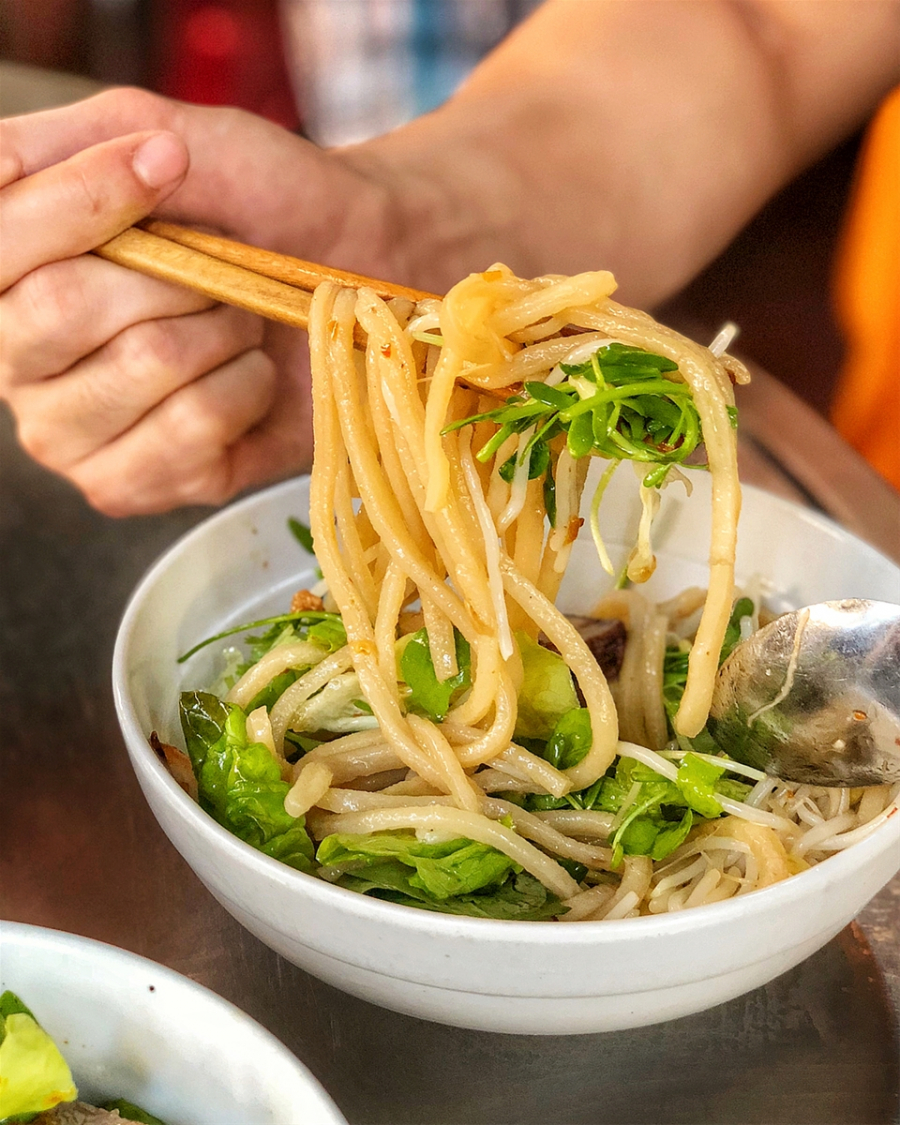
When enjoying cao lầu, you must mix everything thoroughly.
Today, Cao Lau noodles are available in many restaurants and eateries throughout the country, but none have left a lasting impression on diners. Not all restaurants in Hoi An prepare Cao Lau using the aforementioned "secret" recipe. However, many still believe that the water from Ba Le well and the ash from Cu Lao Cham island, along with enjoying the dish from a high vantage point overlooking the streets of Hoi An, are the elements that truly make this culinary masterpiece.