VI
VI


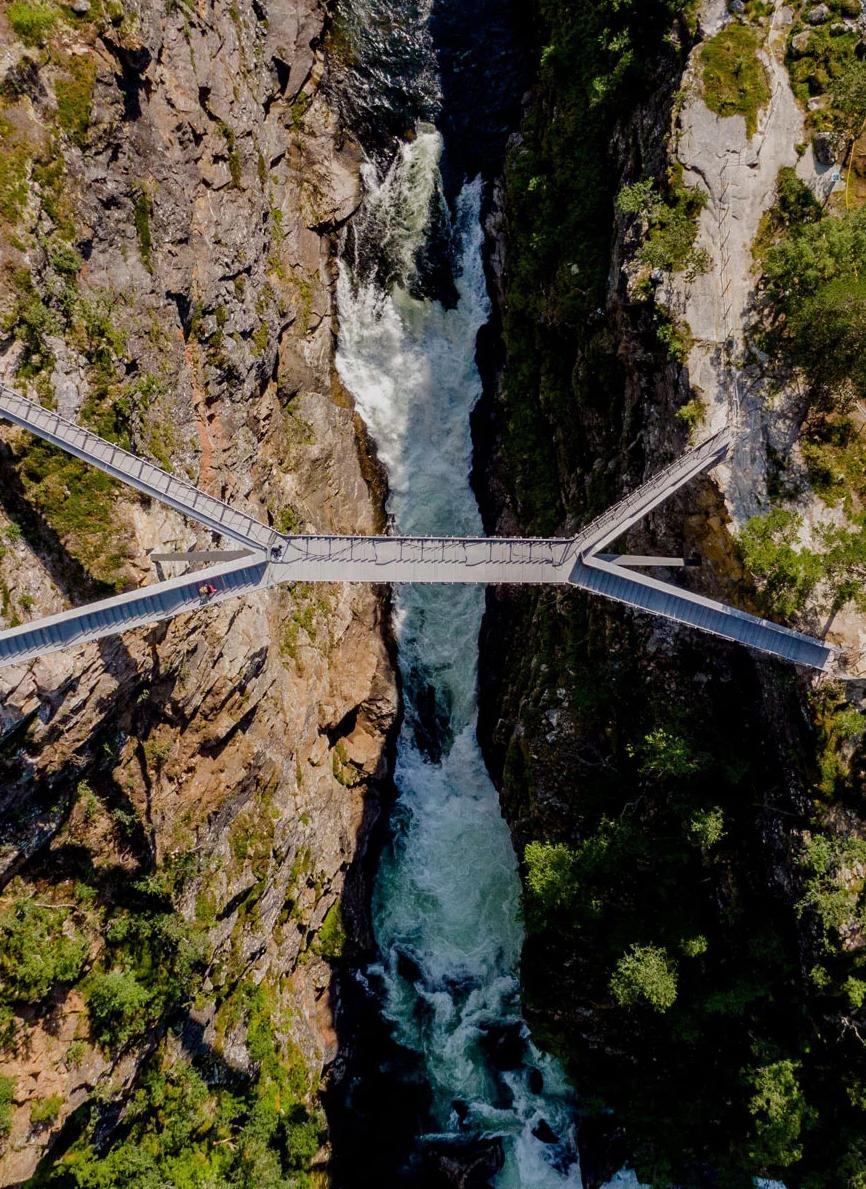
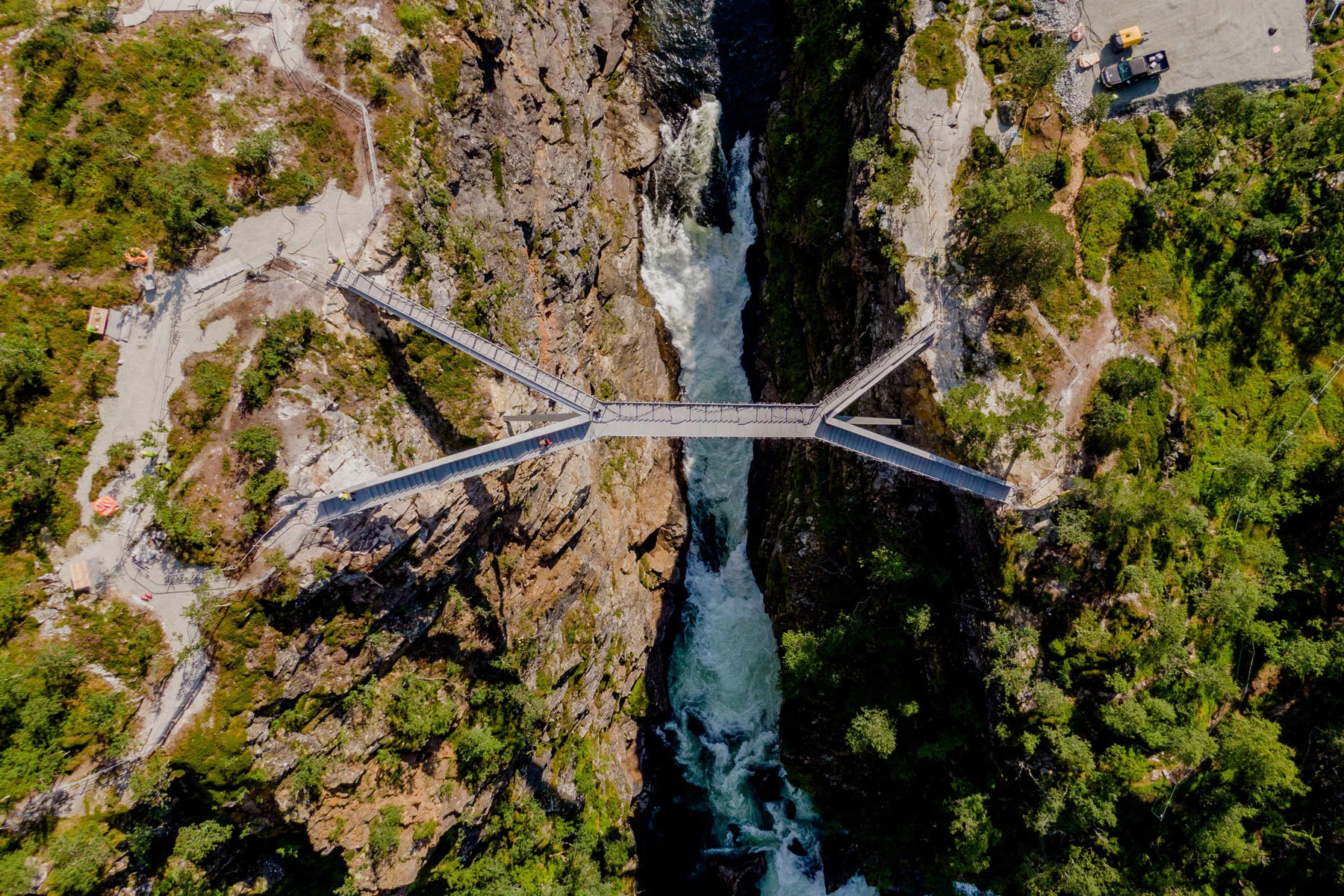
The Vøringsfossen waterfall bridge in Norway is becoming a tourist attraction since its recent opening. Its design, precariously perched amidst majestic nature, leaves visitors feeling overwhelmed and adventurous.
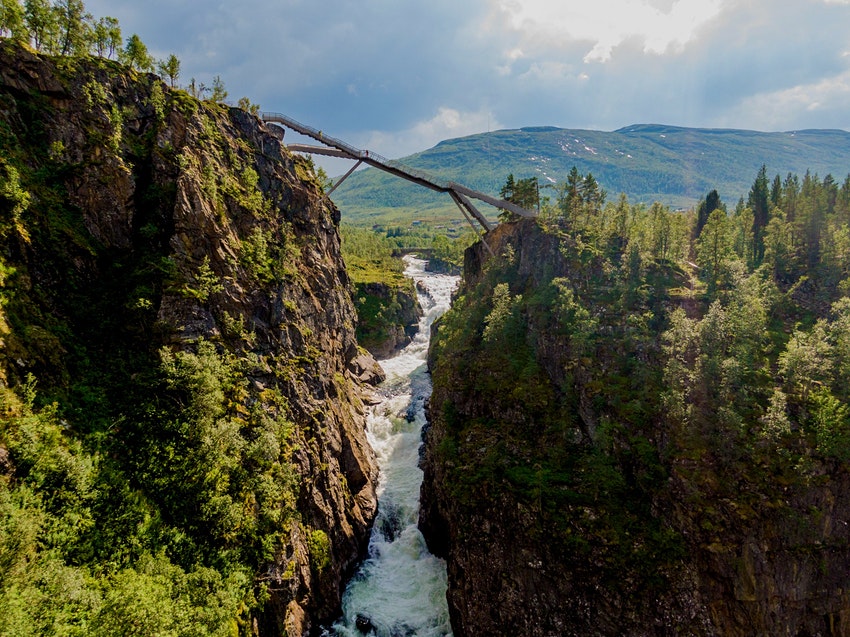
The bridge over the Vøringsfossen waterfall.
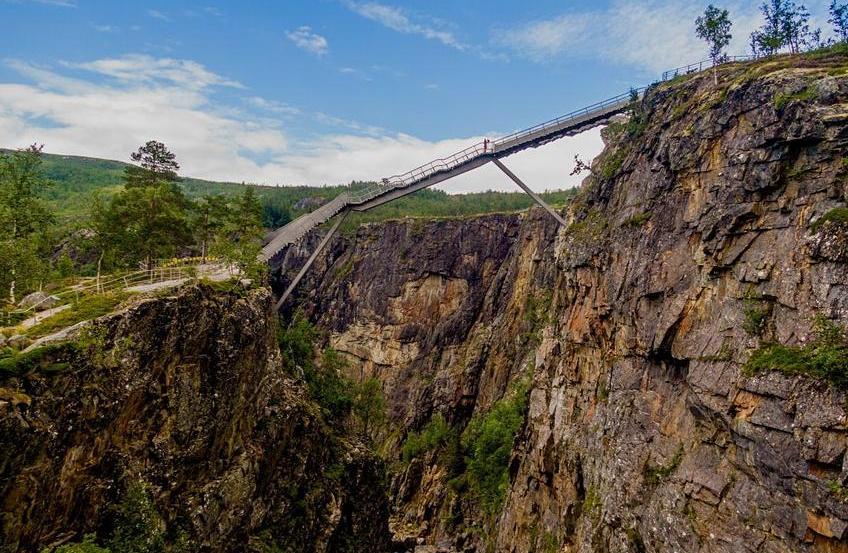
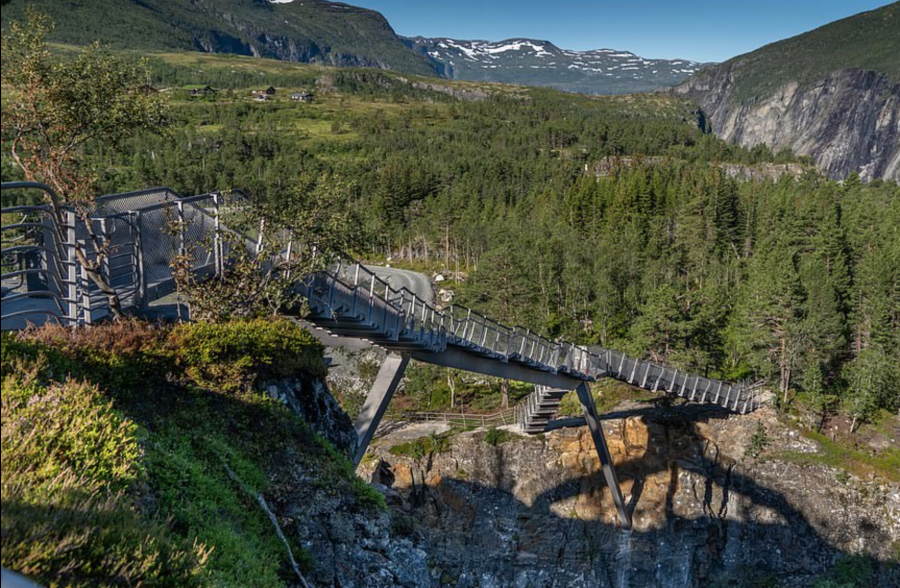

The Vøringsfossen bridge is inspired by Norwegian folklore and romantic traditions. The bridge has 99 steps, is 47 meters high, and connects the two sides of the Måbødalen valley. The bridge's architect, Carl-Viggo Hølmebakk, and his team aimed to create a design that blended nature and human ingenuity; however, certain topographical conditions presented significant challenges during construction. They meticulously studied the local landscape, even using digital equipment to scan the terrain, ensuring the design did not disrupt the natural scenery.
During construction, in addition to using conventional construction methods, the builders also had to rely on helicopters and mountaineering aircraft to transport materials.

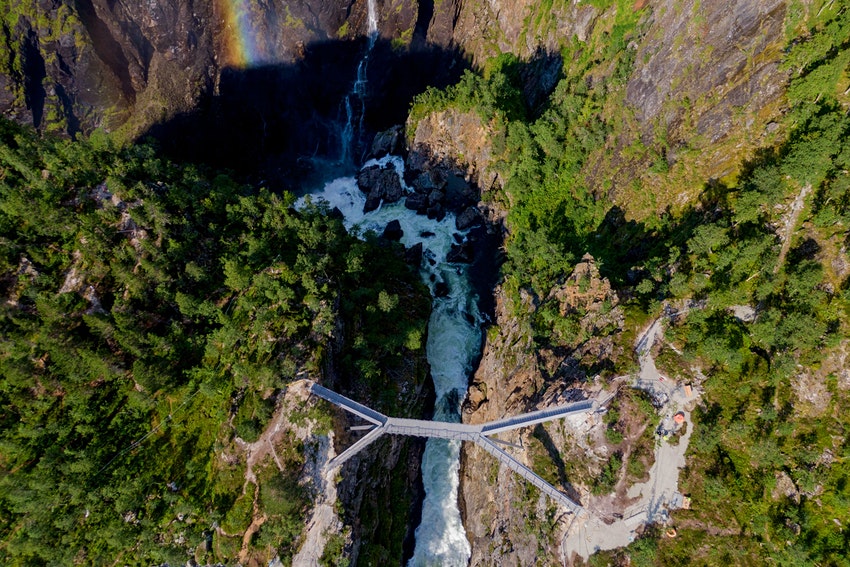
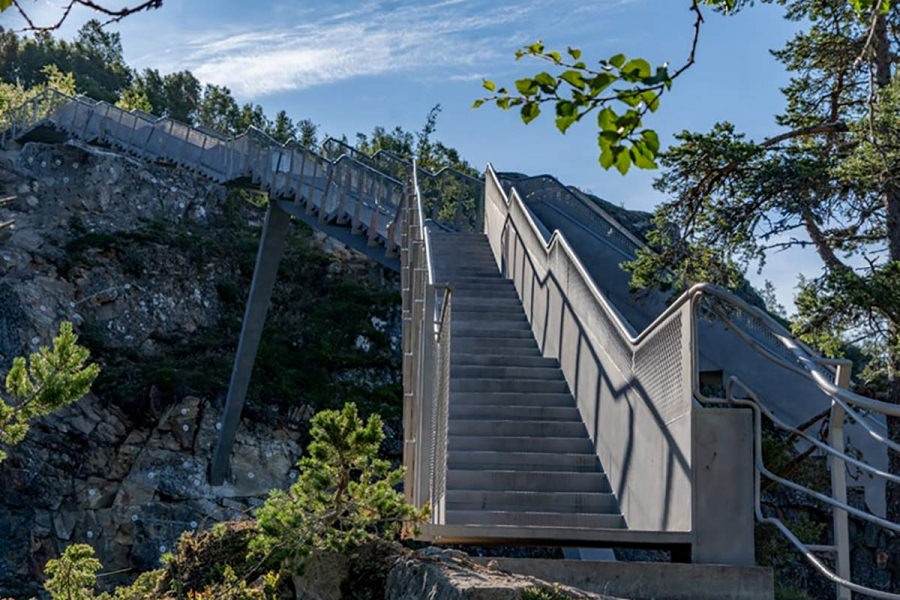
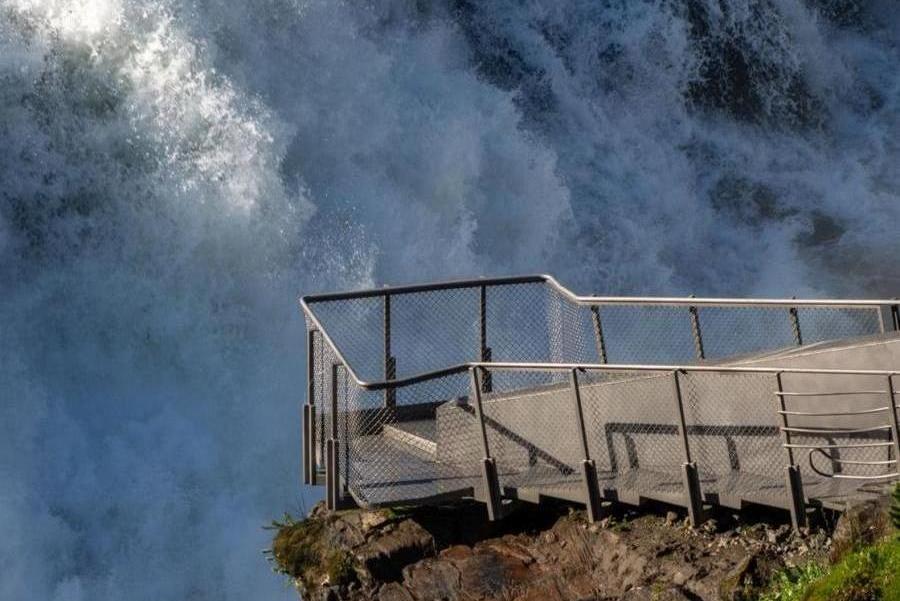
Some argue that the Vøringsfossen bridge has almost ruined the natural beauty of the area, but the architects say they tried to design it to harmonize with the landscape as much as possible, and the walkway on the bridge is always safe, catering to the thrill-seeking experience of tourists who want to admire the majestic Vøringsfossen waterfall.
Vøringsfossen is one of Norway's most famous waterfalls, with a massive volume of water cascading down from a height of 182 meters from the Hardangervidda plateau to the Måbødalen valley. The bridge connecting the two sides of the valley, now operational, offers visitors panoramic views of the Vøringsfossen waterfall and is part of Norway's National Tourism Project. By 2022, the area along the waterfall and nearby valleys is expected to have additional attractions, routes, and amenities such as resorts, entertainment, and dining options to attract tourists from around the world.
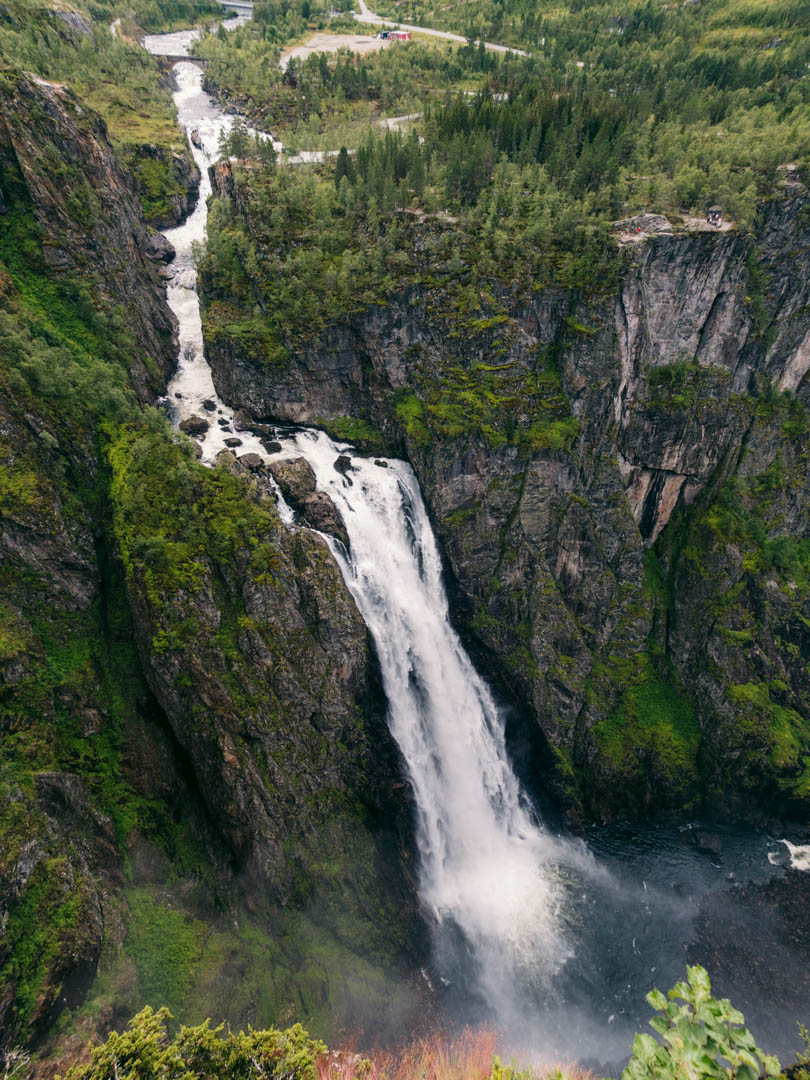
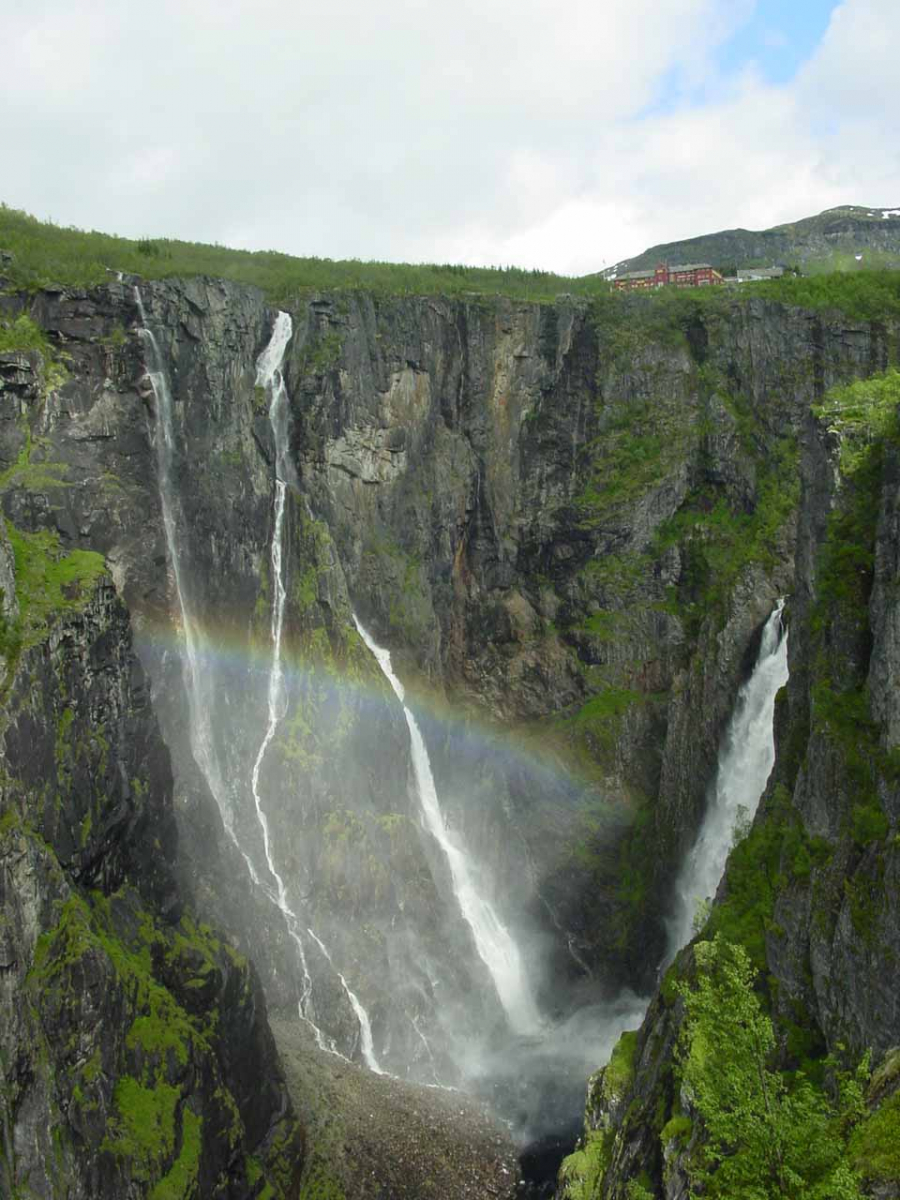
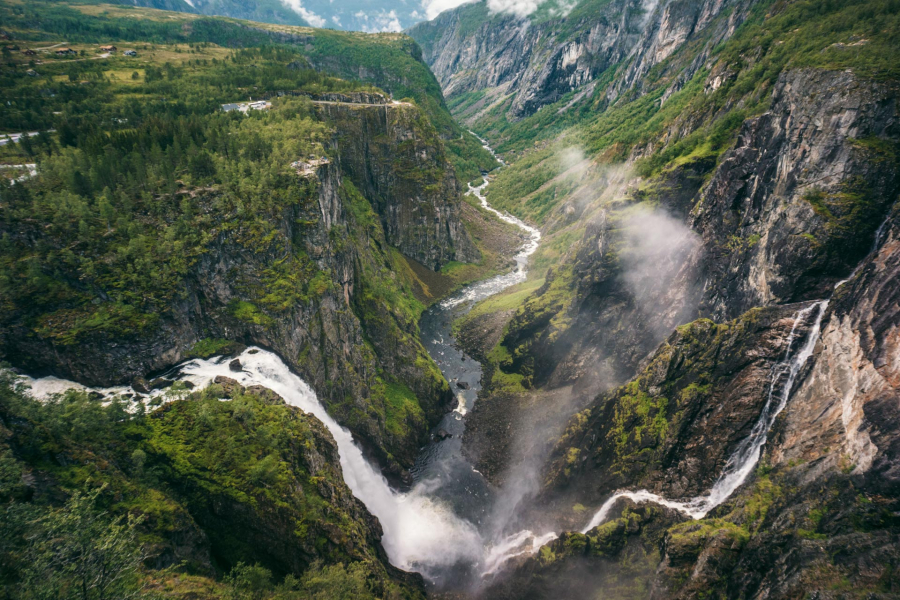
The beauty of Vøringsfossen waterfall






.jpg.jpg)