VI
VI


Within the first 25 minutes of airing, "The Story of the Rose" created a real sensation on Tencent Video. The drama not only surpassed strong competitors like "The Legend of the Unmarried" but also set a new record with 22,000 trending spots in a short time. This impressive achievement demonstrates the immense appeal of "The Story of the Rose" to viewers, especially young people. With its captivating storyline, impressive acting, and beautiful visuals, the drama quickly topped the trending charts and became the focus of attention online.
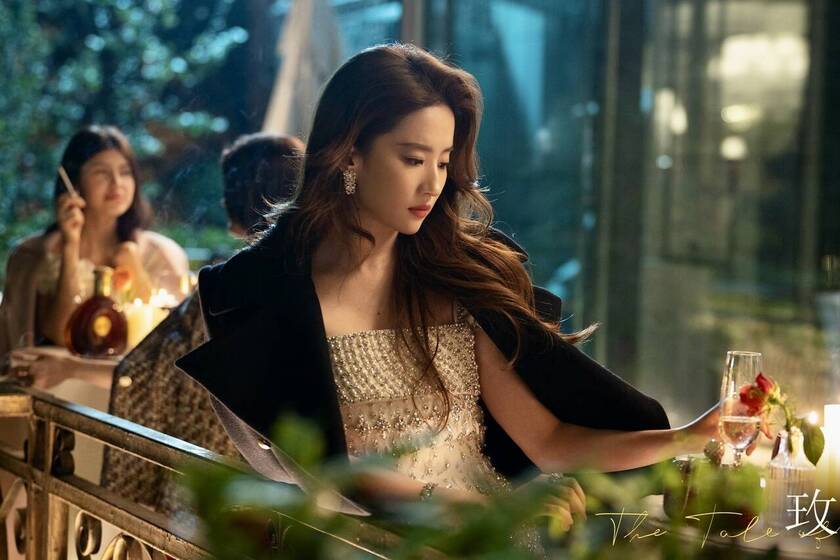
The Story of the Rose: Romantic yet raw, challenging the human love of life.
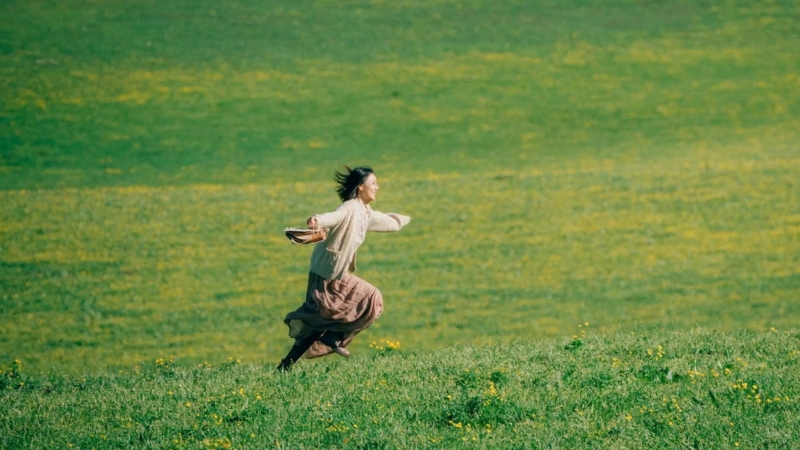
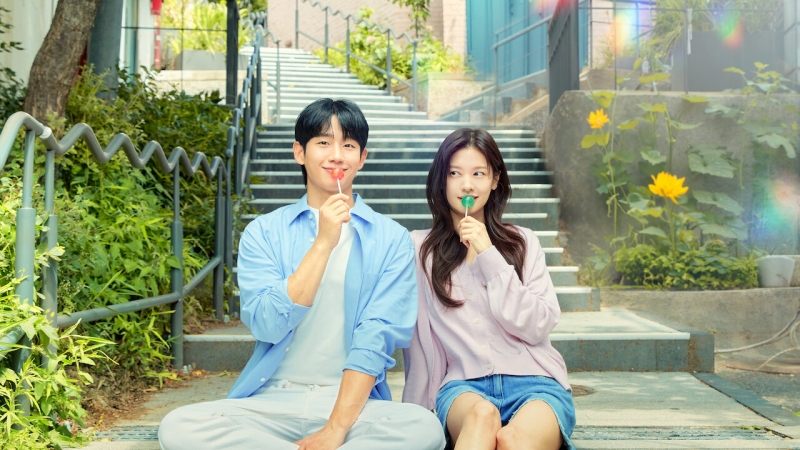
The love story of a modern-day rose.
"In the context of traditional Chinese culture, where women are often confined within the family, 'The Rose Story' brought a breath of fresh air. The film boldly challenged gender stereotypes by portraying Huang Yimei (played by Liu Yifei) as a modern, independent, and ambitious woman. Unlike traditional images of women, Yimei is not only a wife and mother but also a successful businesswoman."
Many people think that Rose is a "special" character, unlike other women, with fascinating stories, but in reality, Rose is also a victim of "beauty." Because of her beauty, there will always be envious people, men eyeing her, and women desiring her...
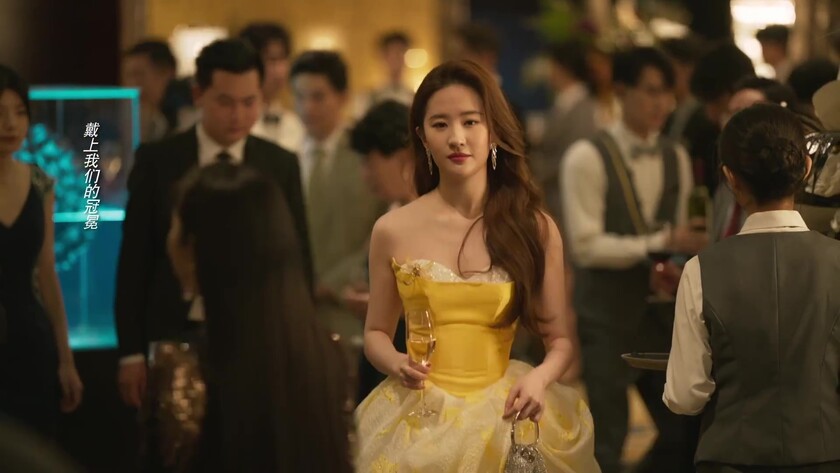
The modern-day rose with thorns is always strong, self-loving, and opinionated.
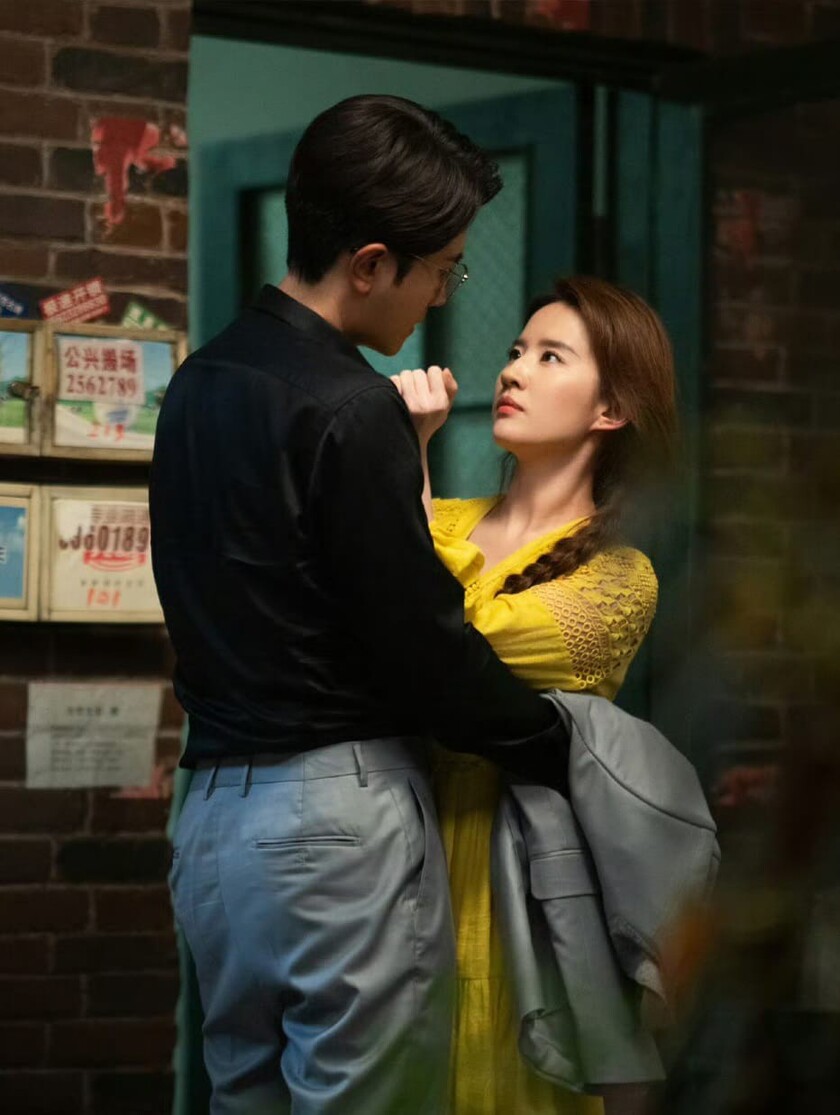
Intense first love
The film's title, "The Tales of Roses," is no coincidence. Roses have long been considered symbols of love, beauty, and elegance. But behind that dazzling beauty, roses also hide sharp, dangerous thorns. Just like roses, the character Huang Yimai experiences the ups and downs of life, the joys and sorrows, the successes and failures. The title "Rose" is not simply a name but a profound metaphor, reflecting Yimai's arduous yet profoundly meaningful journey of growth and self-discovery.

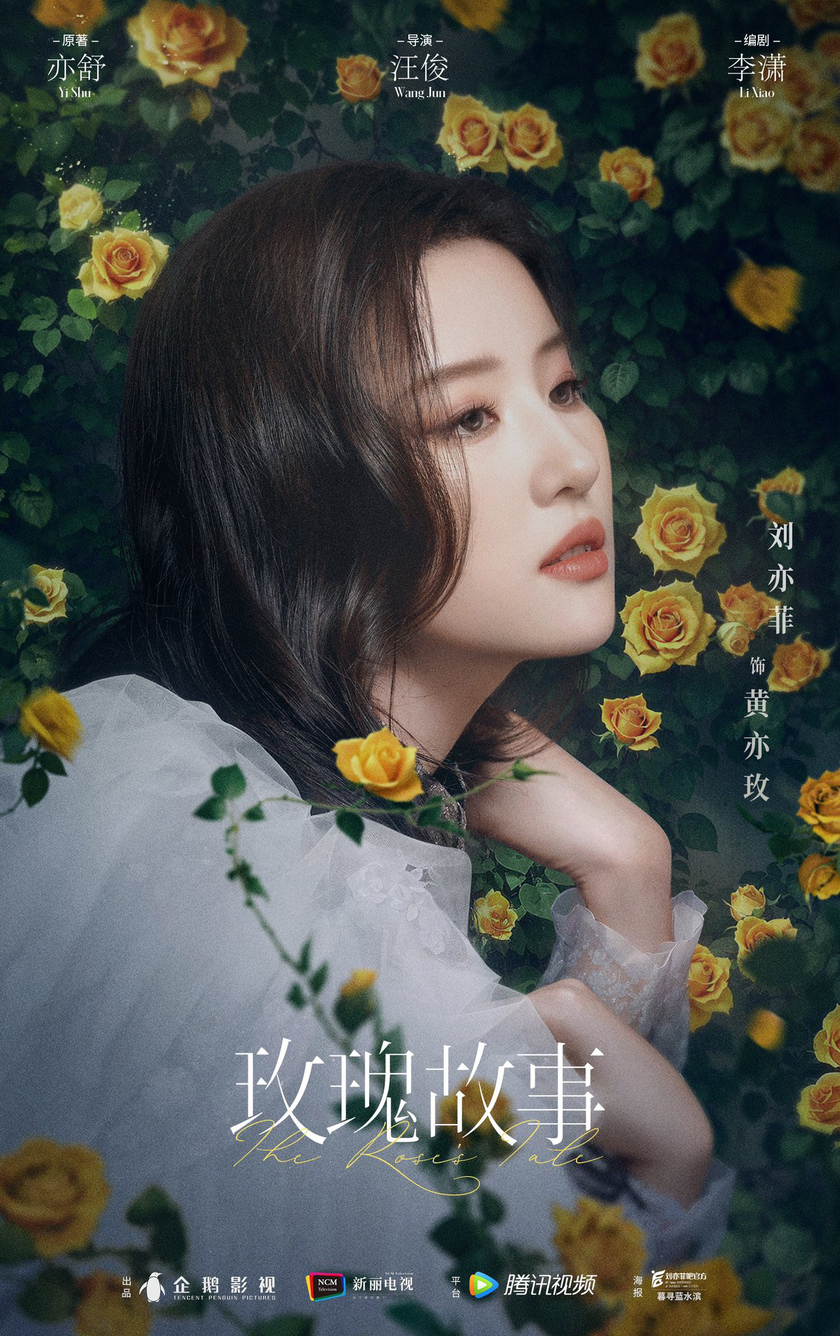
"People should put themselves first; they must love themselves first before they can learn to love others."
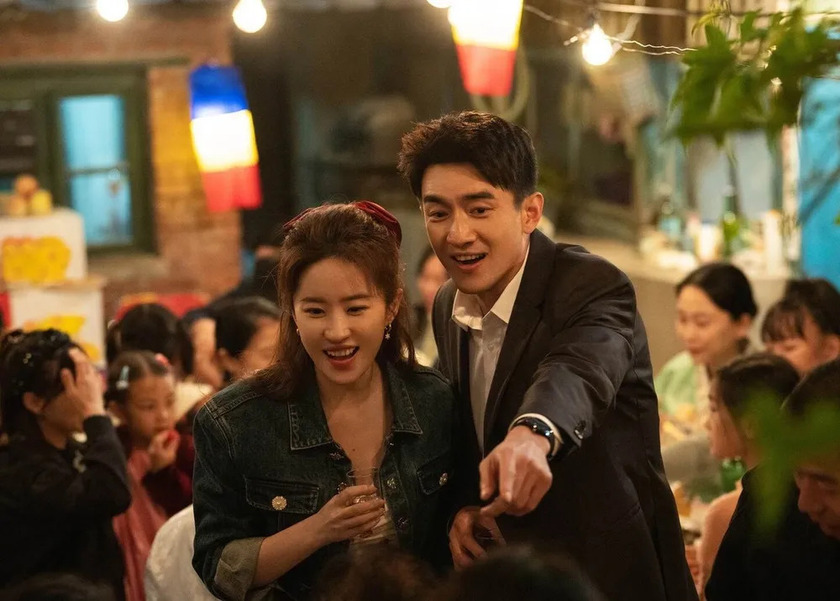
Love is a wonderful test for Huang Yimai to discover herself and taste the flavors of life.
No one can guarantee that love always leads to a happy ending. However, love is a wonderful test for Huang Yimai to discover herself and experience life. If love comes, she will embrace it regardless of age. If love doesn't work out, she will bravely let go, find the fault, correct it, and continue on her path. Most importantly, she doesn't give up or hurt herself for anything. She is the most beautiful rose, capable of watering and nurturing herself to bloom brilliantly.
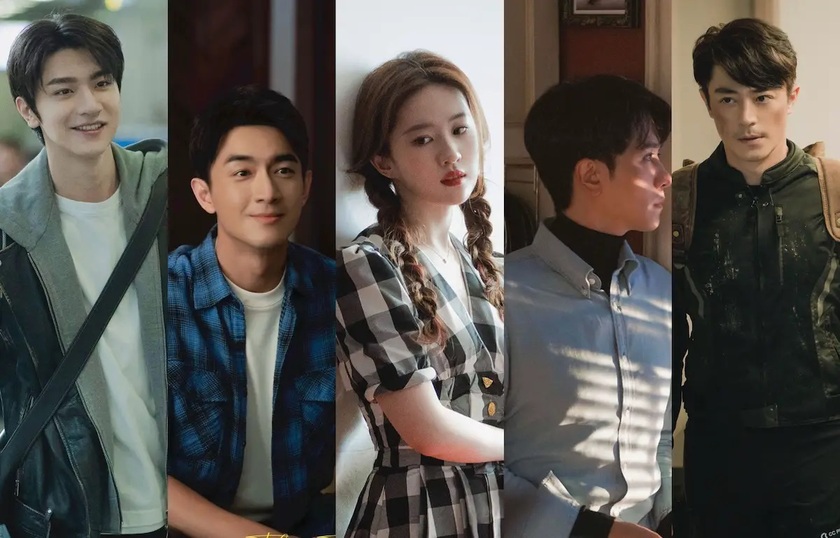
The men who have passed through Huang Yimai's life
"Family is where you return to."
Family, especially traditional family values, played a crucial role in shaping Hoa Hong's personality. Growing up in an intellectual family, Hoa Hong was educated in an environment full of love and expectations. Filial piety, a core value in Chinese culture, was deeply ingrained in her mind from a young age. Therefore, all of Hoa Hong's decisions were profoundly influenced by her desire to please her family, especially her parents. The conflict between pursuing personal dreams and her responsibilities to her family created dramatic and touching situations in the story.
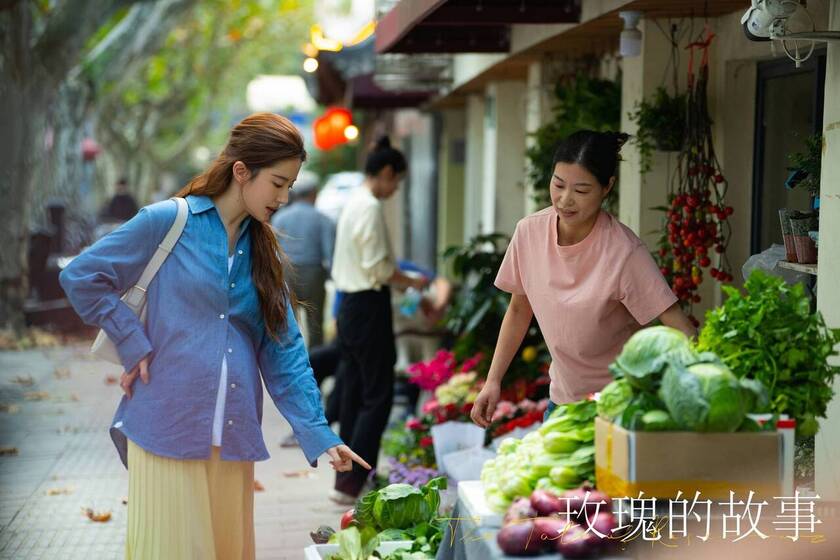
Family played an extremely important role in shaping Hoa Hong's personality.
For this art student, family is always a place she "goes to but always returns to." Normally, her mother is the one who scolds Diệc Mai, but deep down, she's always worried about her daughter. When her daughter calls home in the middle of the night and doesn't say anything, or when she calls back and doesn't answer, she worries all night and can't sleep. When Diệc Mai's father gets angry and scolds her, her mother remains silent, acting as a mediator.
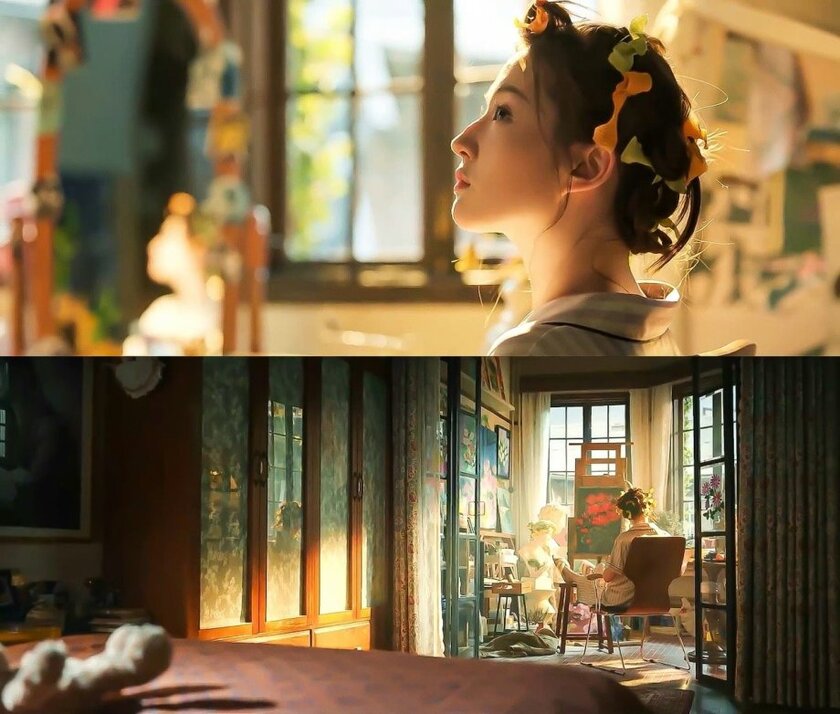
For this art student, family is always the place she "goes to but always returns to."
The screenwriters created such realistic details because everyone who watches it sees similarities to their own family. Like any other family, the parents' words of encouragement are always: "No matter what happens, Mom and Dad will always be there for you. Some things are unavoidable, in love or in work, no matter what, don't let yourself get hurt."
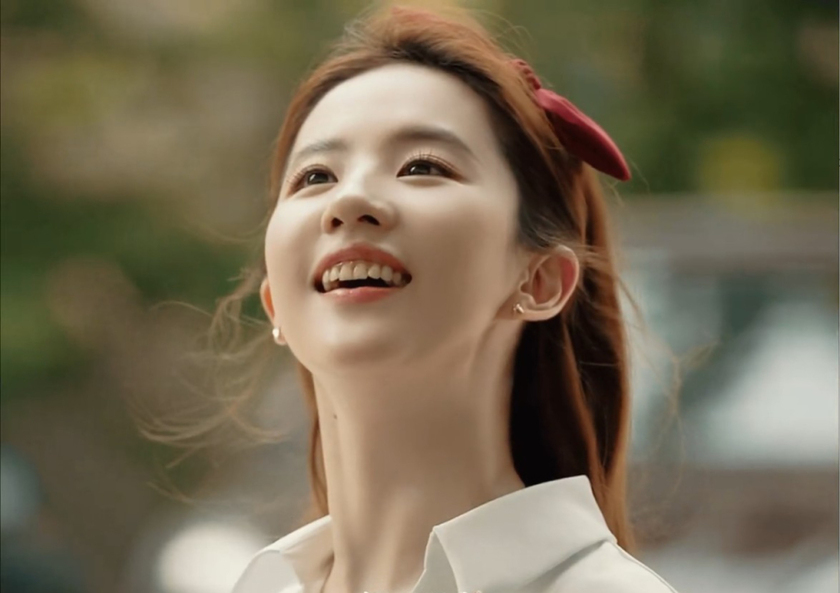
Rose grew up under the protective care of her parents, developing an innocent, pure, and gentle nature.
In episode 2, the conversation between Yi Mai and her father, though brief, reveals a very effective parenting style. Yi Mai is the most pampered child in the family, but he doesn't cover up or condone his children's misdeeds. When his daughter asks why he has never criticized her, he calmly replies: "If you do something illegal or violate discipline, you don't need me to criticize you; the law will punish you. If you do something immoral, public opinion and your conscience will reprimand you. There are some things that have no right or wrong, no standards, like feelings. Feelings are like your painting; although I don't understand it, I respect your expression." These profound words come from a father who understands his daughter. This is also the message the scriptwriters want to convey to parents: respecting your children is a way of showing your love.
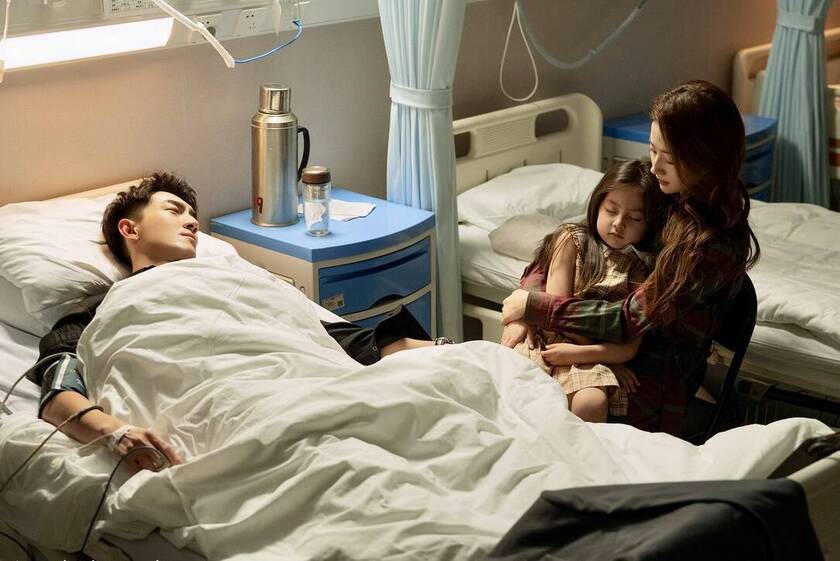
Her family is the foundation for her to become the perfect parent in the future.
Karina Longworth once said, "There is only so much room in the universe for so many stars, and for a new star to shine, an old one must fade." Indeed, everything has a cycle of birth, aging, sickness, and death. Like roses, people are born, grow, age, and finally pass away. However, love, the most sacred emotion, transcends the harsh laws of time. When one love ends, another blossoms. Love is an endless cycle, a ceaseless flow, a flame that always burns brightly in the human heart.