VI
VI


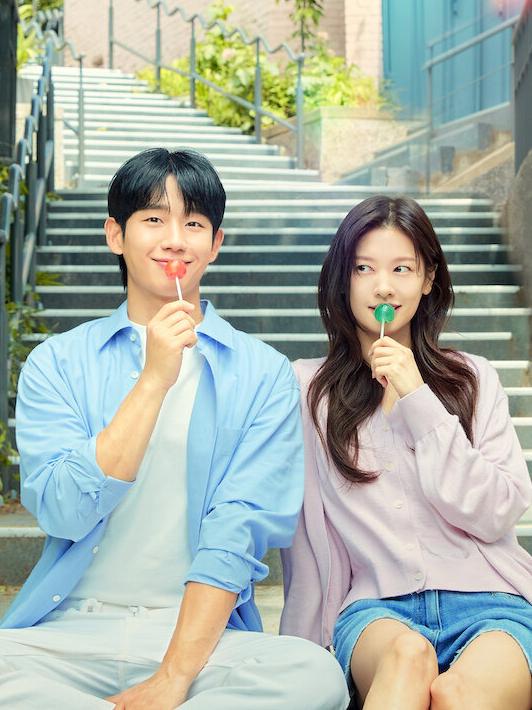
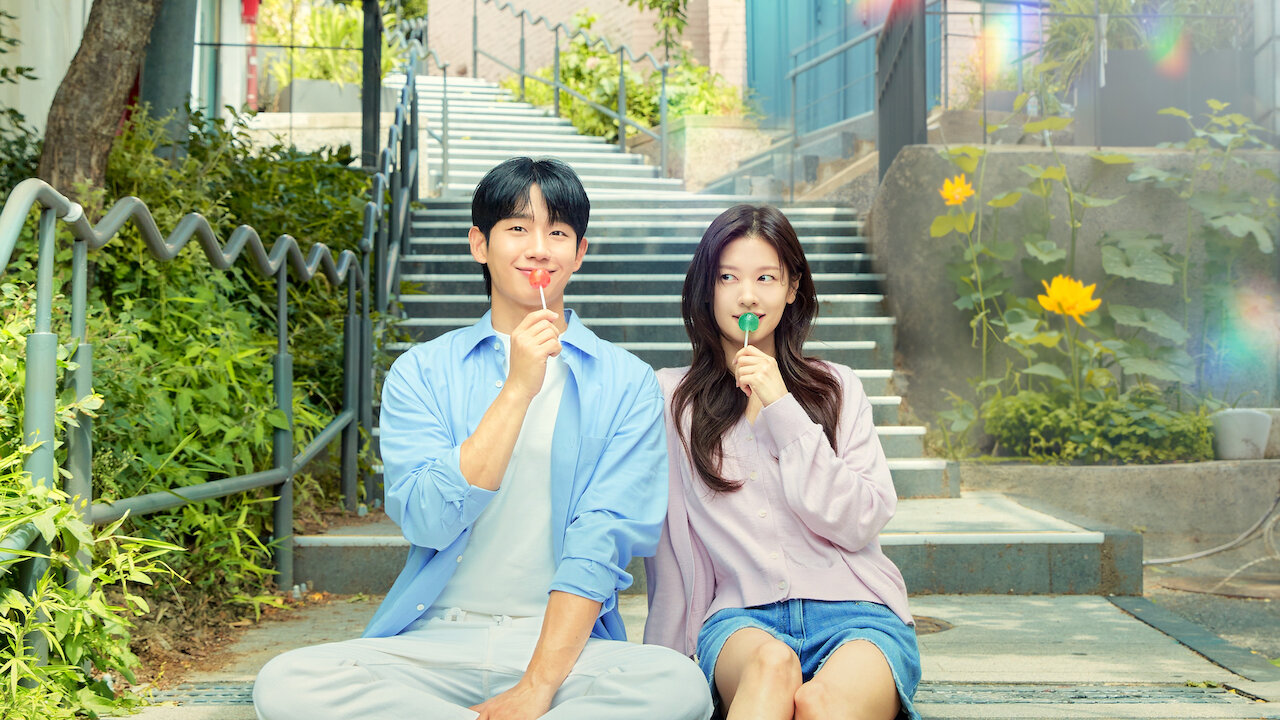
The "childhood sweethearts" or "rival couple" motif is no longer unfamiliar to Korean television. However, when applied at the right time, this common formula always creates a positive effect on viewers. The main couple in "Love Next Door" is a prime example, where two childhood best friends constantly argue whenever they meet, neither willing to give in.

A lesson for adults: learn to find happiness in imperfections.
Beginning with a journey of self-discovery, "Love Next Door" paints a poignant contrast between the glamorous, luxurious life in America and the peaceful warmth of her homeland. Seok Ryu, despite her immense success abroad, always feels a great void in her soul. Loneliness, fierce competition, and the invisible pressures of modern society gradually lead her to realize that material values cannot bring true happiness.
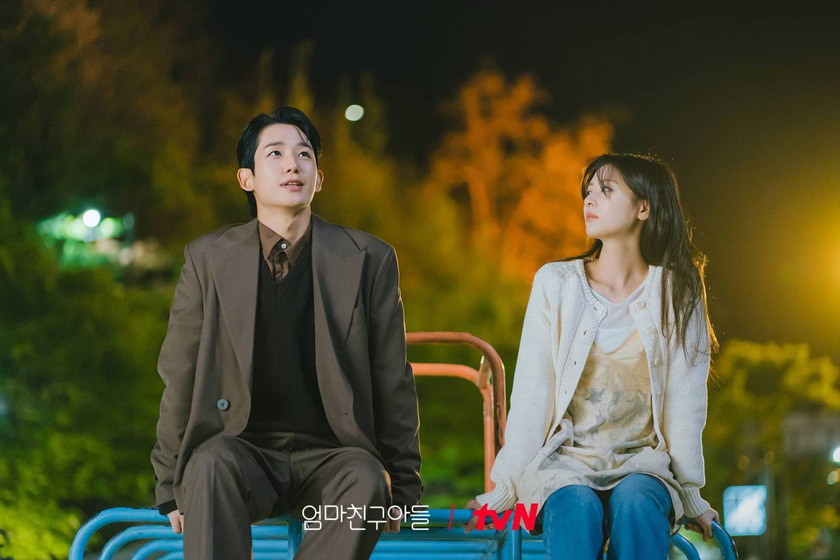
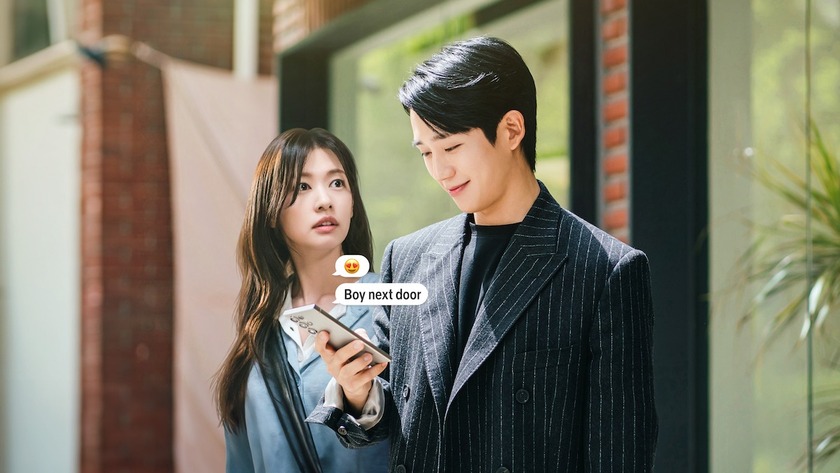
Besides smiles and warm hugs, "Love Next Door" also exposes the hidden corners and secret pains of young people.
The male lead, Choi Seung Hyo, also faced numerous difficulties when establishing his own company. Lacking capital and clients, a talented architect with countless awards struggled to achieve his dreams. Seok Ryu's mother is both pitiable and blameworthy, a mother who placed all her faith and hope in her daughter. Therefore, she almost collapsed upon hearing the news of her daughter's unemployment and broken engagement.
Many viewers sympathized with the female lead, Seok Ryu, because she had to live and work like a machine just to meet her parents' expectations. Her words during the argument awakened many hearts: "Why do I always have to be my mother's pride? Can't I just be my mother's daughter?"...
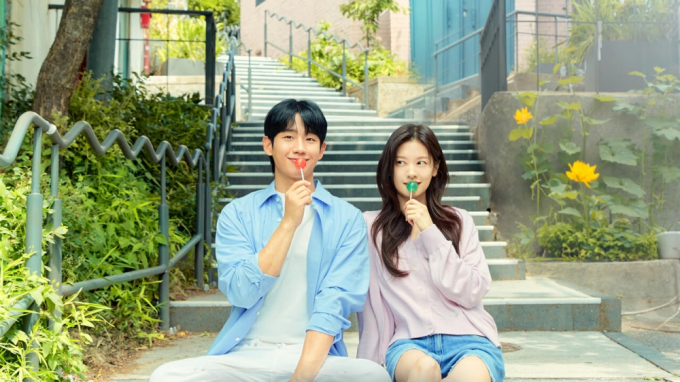
The film doesn't shy away from touching on sensitive social issues and the difficulties in life that everyone has experienced.
Sometimes, the expectations of parents put immense pressure on their children to always succeed. When the accumulated stress reaches its peak, both parents and children suffer from the wounds inflicted by their own selfish thoughts. Seok Ryu's timely intervention and his mother's understanding opened a way out for both of them. After all, family remains a peaceful haven where people can return to heal their wounds.

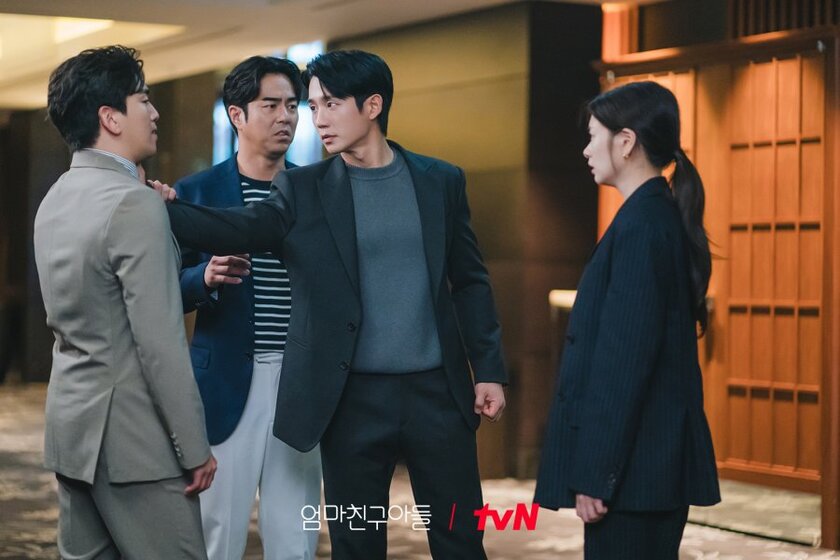
Gentle yet emotional, it takes viewers through a full range of feelings.
When healing becomes a "hot trend"
"Healing" is a translation of the original English word. "Healing" has long been the term used to describe the movement seeking recovery and healing of the mind, emotions, and body. "Healing" became a widely embraced trend as a generation of city dwellers felt they were living under immense pressure.
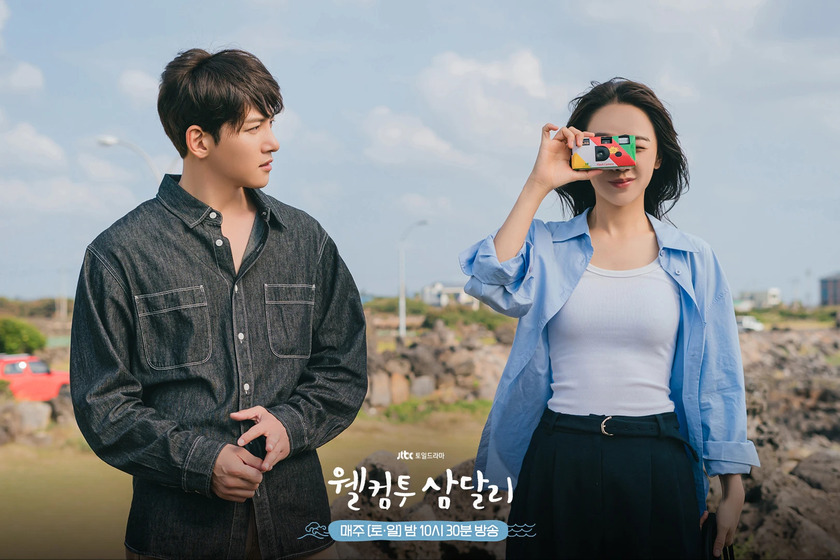
Healing films have become more popular than ever in recent years.
Before the wave of healing films became a global trend in the post-pandemic era, works like "Reply," "When the Camellia Blooms," and "Dear My Friends" pioneered in evoking profound emotions in audiences. The success of these films demonstrated the enduring appeal of a genre that focuses on everyday life, human relationships, and human values.
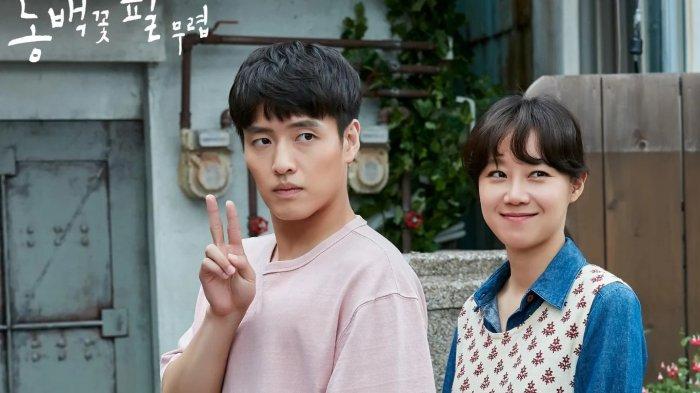
Young people turn to movies to feel "healed," comforted, and relieved after the pressures of life.
Unlike other genres that often emphasize dramatic tension or escapism, healing films focus on the process of overcoming life's challenges and finding peace within oneself and the community one belongs to.
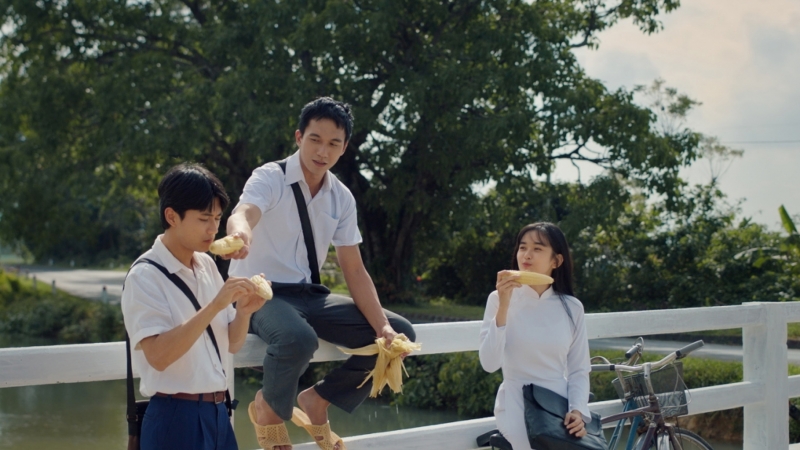
When all the youthful energy converges on the city, with its dazzling neon lights and hectic pace of life, where people seek opportunities and pursue their dreams, it's also a place where they easily get lost and feel lonely. Only when they return to their hometown, amidst the vast fields and gentle rivers, do they find peace of mind. Here, they are surrounded by the love of family, share simple stories of their village, and feel the true meaning of life.
While not shying away from depicting life's hardships, healing films are also known for their positive and hopeful messages. The characters' journeys toward finding peace or achieving their dreams evoke a sense of optimism and encourage viewers to believe in the miracles in their own lives.
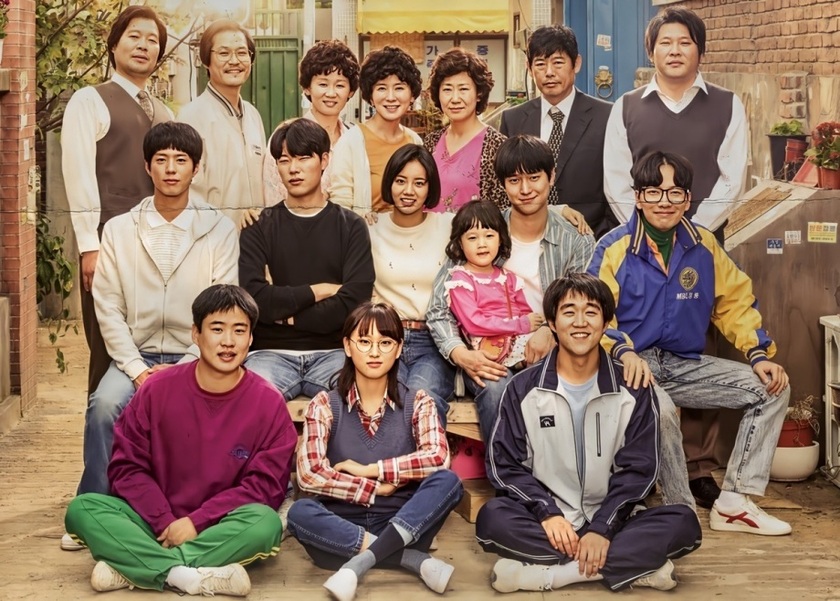
"Reply 1988" seems to have been the opening chapter for the healing film genre, reaching a large audience and achieving unexpected success.
Another important aspect is the tranquil setting and atmosphere that these films often possess. The poetic, rustic scenes of Hyereung-dong, Hong Jin seaside village, Jeju Island, or Ssangmundong neighborhood in Reply… all create a complete contrast to the hustle and bustle of city life. The peaceful rural life and beautiful nature become a rejuvenating remedy for the soul, providing mental relief from daily stress and creating a space where viewers can relax and reflect.
According to Dr. Dang Thieu Ngan, a Korean cultural expert: "Urban life in all major cities across many countries is very stressful. Seoul is incredibly stressful, especially with large companies and economic corporations setting strict time and efficiency requirements for their employees. When life and work become harsh, highly competitive, and stressful due to increasing pressure, films that depict romantic love and peaceful lives contribute to the psychological balance of people in modern Korean society."