VI
VI


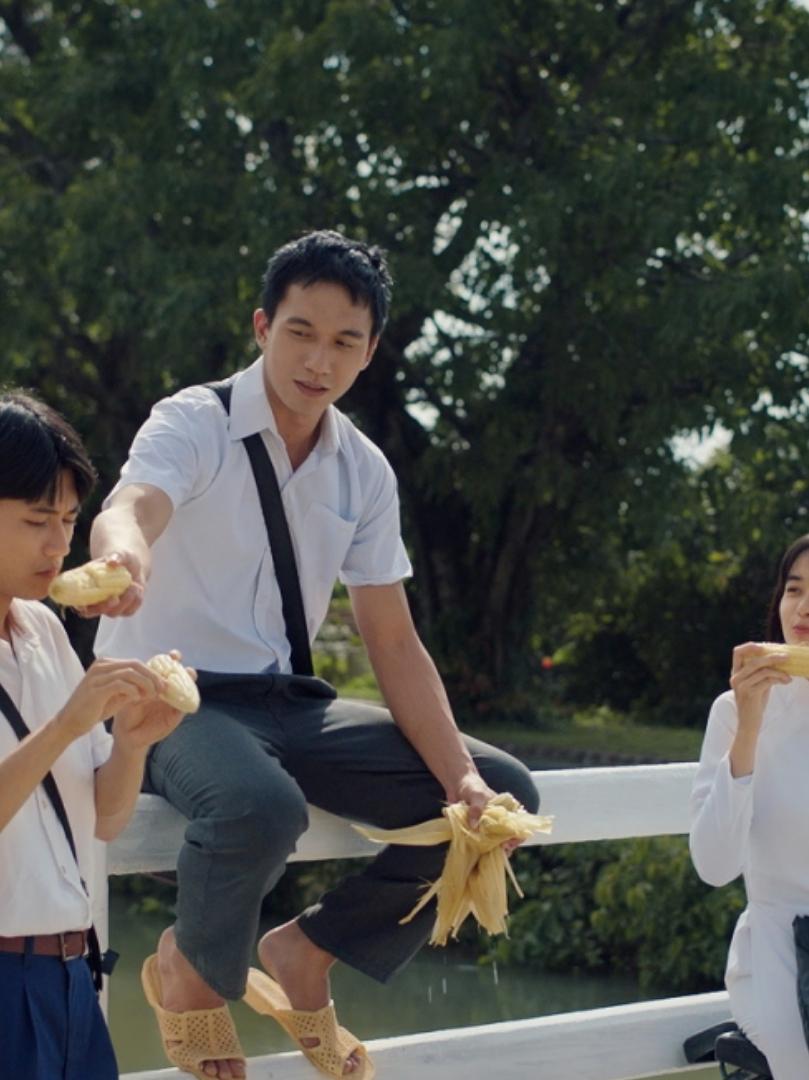
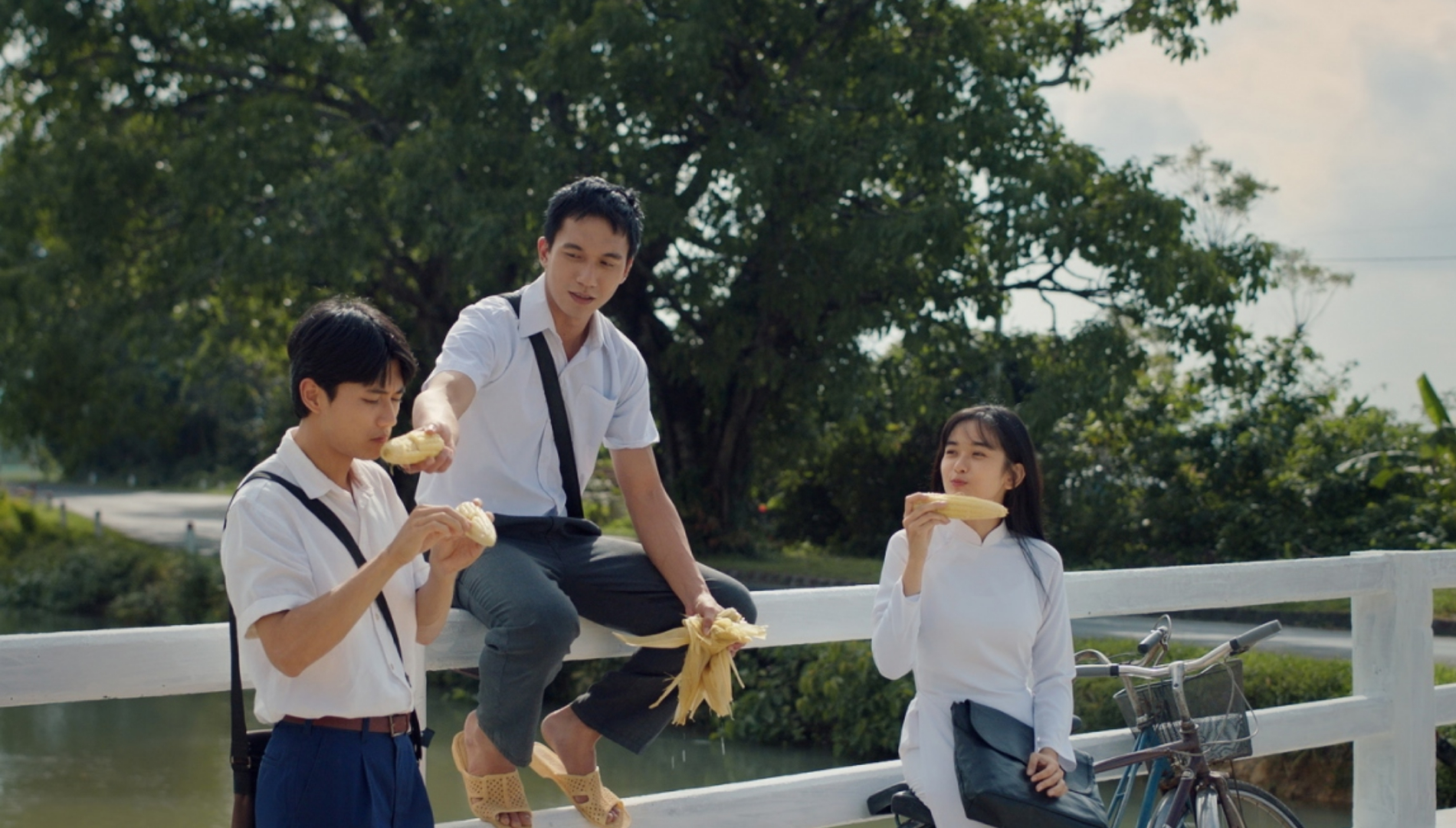
The romantic relationship between Nguyen Nhat Anh and cinema.
Nguyen Nhat Anh, a name synonymous with the childhood of many generations born in the 70s and 80s, is a true "writer of childhood." With a wealth of literary works focusing on school life, recreating the beautiful days of youth—a period the author himself admitted to longing for because he left his hometown and childhood early—perhaps that's why his works, whether aimed at teenagers or even young adults, are innocent and carefree, yet always imbued with a classic melancholy, and above all, a reverence for youthful emotions.
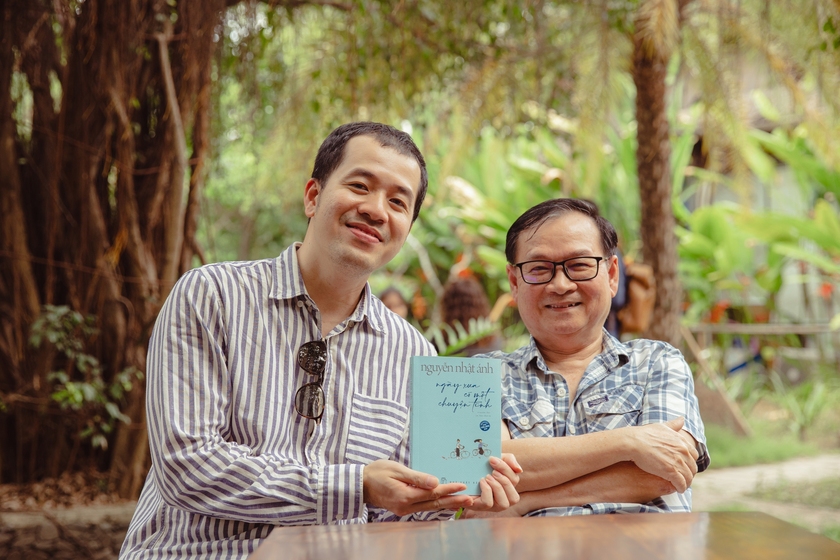
Nguyen Nhat Anh is truly a national literary brand in Vietnam.
Each of Nguyen Nhat Anh's books, upon its release, becomes a cultural and publishing phenomenon. Reading his works, one always finds a unique and captivating writing style, stemming from his wit, innocence, and abundance of kindness and love. Although his works are aimed at children, Nguyen Nhat Anh's novels can touch the hearts of adults as well.
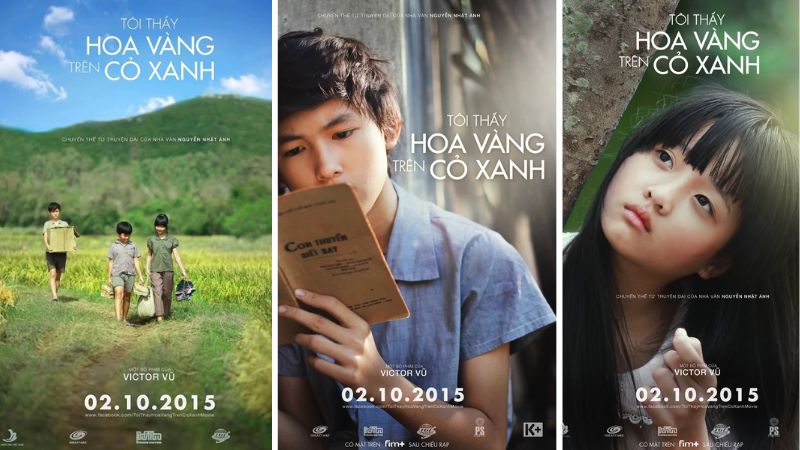
National brand Nguyen Nhat Anh: From books to films
Almost all the characters that writer Nguyen Nhat Anh writes about harbor an unfulfilled youthful dream with someone. The young man in "Walking Through Chrysanthemums" falls for someone much older than him and sadly watches her leave his life. Ngan loved Ha Lan from the time he was too young to understand love until he was nearly forty, and did everything to make the one he loved happy. The high school boy in "Red Summer" runs across a vast field full of memories, tearfully, to escape the one he loves, the one who will marry someone else after the summer.

One of the key characteristics that makes Nguyen Nhat Anh's stories suitable for film is that they always have a lot of dialogue, telling the story through dialogue.
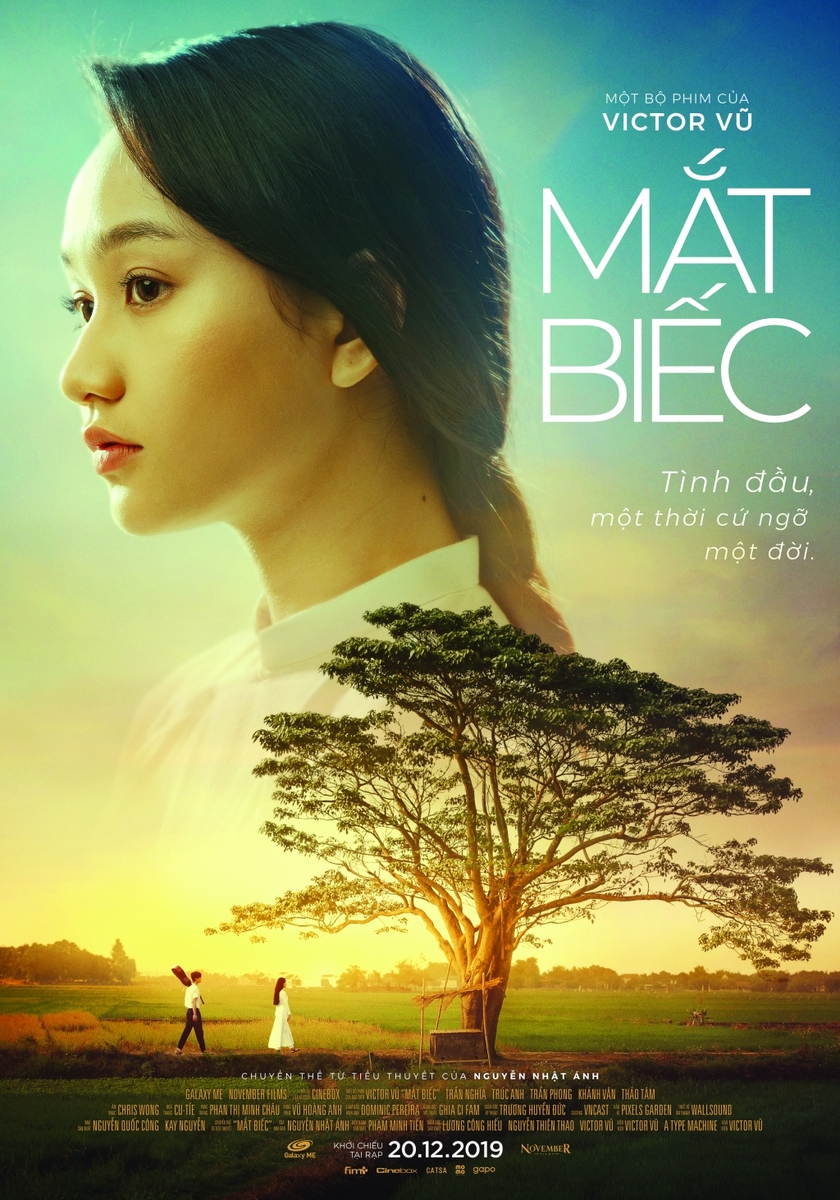
Nguyen Nhat Anh's writing can be likened to a "gold mine" to be exploited, not only in terms of the profitability of film projects but also because of the author's reputation.
Most film adaptations of Nguyen Nhat Anh's works are meticulously invested in, from the script and direction to the casting and setting. Many in the industry believe this is a crucial factor contributing to the success and creating a harmonious connection between Nguyen Nhat Anh's works and cinema. The adaptation needs to preserve the essence of the author's story while maintaining a balanced and creative approach from the screenwriter and director, conveying emotions through visuals to the audience.

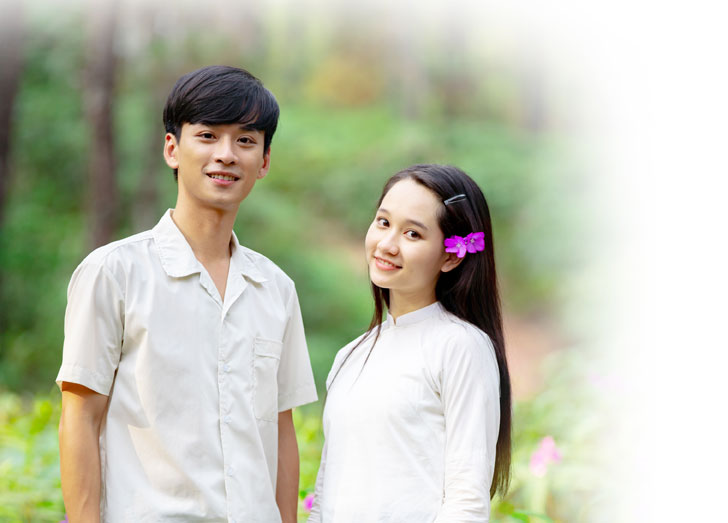
Nguyen Nhat Anh is also skilled at telling dramatic stories in a gentle, yet poignant, way.
Literature is a world of boundless imagination, where each reader can freely create their own images. Cinema, on the other hand, is a visual, concrete language. This difference creates a significant challenge for filmmakers when adapting literary works. The question is how to visualize the poetic words while preserving the essence of the original work – a difficult problem.

He was also very skilled at creating memorable images, from the blue eyes of the Netherlands to the yellow flowers and green grass of the impoverished countryside in Central Vietnam.
"Literary works in general, and the works of writer Nguyen Nhat Anh in particular, are a valuable treasure for filmmakers. Adapting these works has advantages in terms of brand recognition, plot, and script, but also presents many challenges and difficulties to overcome. A good work that convinces the masses will be successful in terms of revenue," screenwriter Dong Hoa commented.
The story of youth leaving the city to "find peace".
The novel "Once Upon a Love Story" by author Nguyen Nhat Anh has been adapted into a film by Trinh Dinh Le Minh. The story follows two boys named Phuc and Vinh, and a girl named Mien. They are together from childhood to adulthood, facing the challenges of fate. Their friendship gradually blossoms into first love, as they navigate life's uncertainties, stumble, and overcome obstacles. The story is gentle and romantic, yet deeply thought-provoking about love and the journey of growing up, a story that once captivated readers.
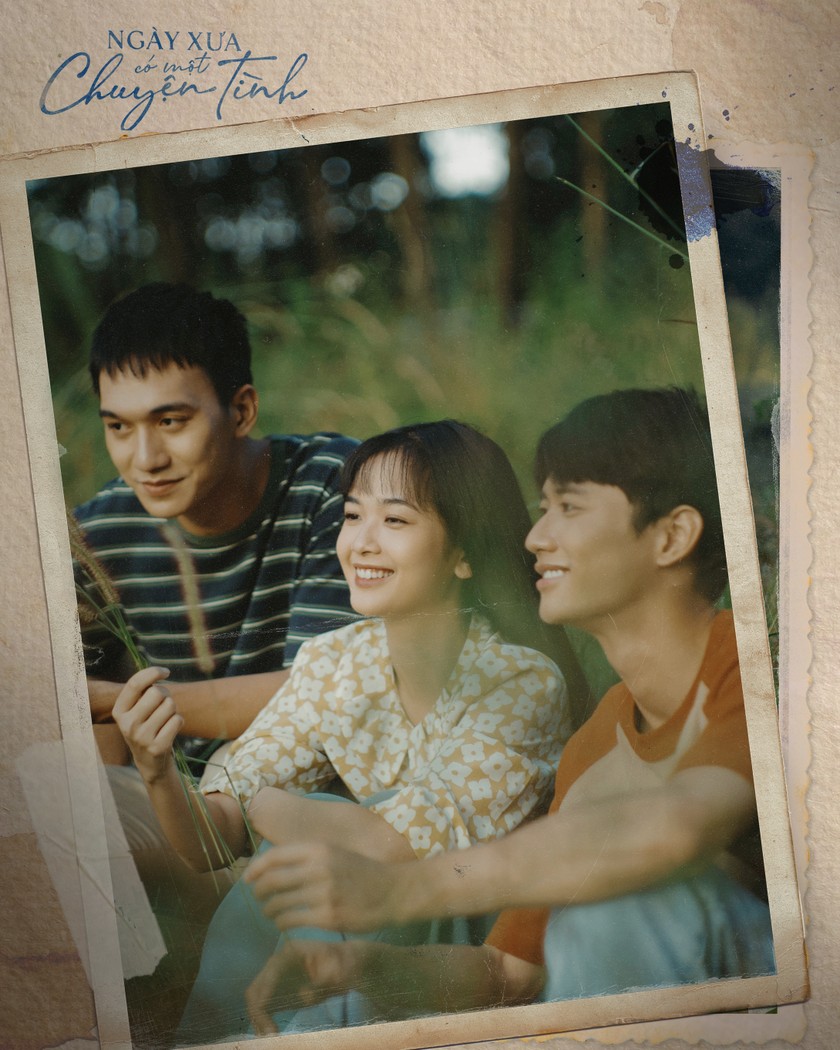
Growing up, facing life's challenges, and experiencing disillusionment in love are never easy for anyone.
Choosing a novel published in 2016, despite its rural setting, Nguyen Nhat Anh's simple, intimate, and concise writing style is still powerful enough to captivate readers, making them shed tears over the pure emotions of the young characters searching for their first love. Both "Blue Eyes" and "Once Upon a Time There Was a Love Story" are love songs about youth, but each work has its own unique character. If "Blue Eyes" is a sad love song, depicting feelings of regret, then "Once Upon a Time There Was a Love Story" is a sweet love song, celebrating the beauty of sincere love.
There, we see the beautiful presence of young people, loving in a way very different from the telecommunications age: Vinh, Mien, and Phuc... growing up in the pristine environment of the countryside, their innocence deeply ingrained in their conscience, preventing them from doing anything wrong to steal their own love. The love of Vinh, Mien, and Phuc is proof that true love doesn't need flowery words or ostentatious gestures, but only sincerity and trust.
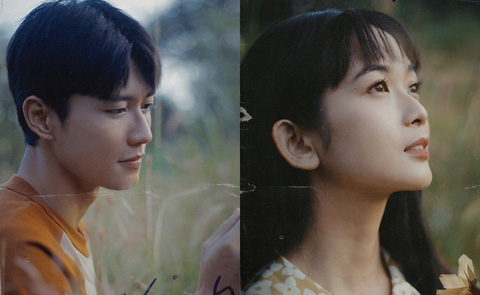
"Once upon a time, there was a love story with a very unique flavor, as written by author Nguyen Nhat Anh."
Author Nguyen Nhat Anh once shared his thoughts upon learning that Trinh Dinh Le Minh was adapting his work for the big screen: "I know that with the same novel character, one hundred readers will have one hundred different images depending on their personality and experiences. It's the same for directors! Trinh Dinh Le Minh will envision Vinh, Phuc, and Mien according to his own feelings, imagination, personality, and creative inclinations. As a writer, I only hope that from the literary material, the director will create a successful film, especially one that touches the emotions of the viewers. That's all I ask!"