VI
VI




According to exclusive information recently released by China's Immigration Administration, as cited by the South China Morning Post (SCMP), China's expanded visa-free policy has been yielding unexpected results in the first half of 2025, signaling a promising new era for the country's tourism and international trade.

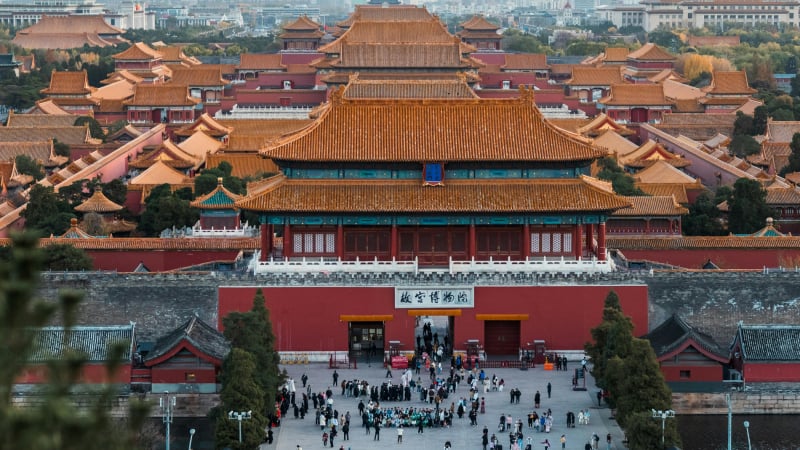
The latest data shows that a total of 38 million foreigners entered and exited China in the first six months of this year, an impressive 30% increase compared to the same period in 2024. Even more noteworthy, the number of visa-free entries surged by over 50%, a powerful testament to the strong appeal of Beijing's flexible visa policy adjustments.
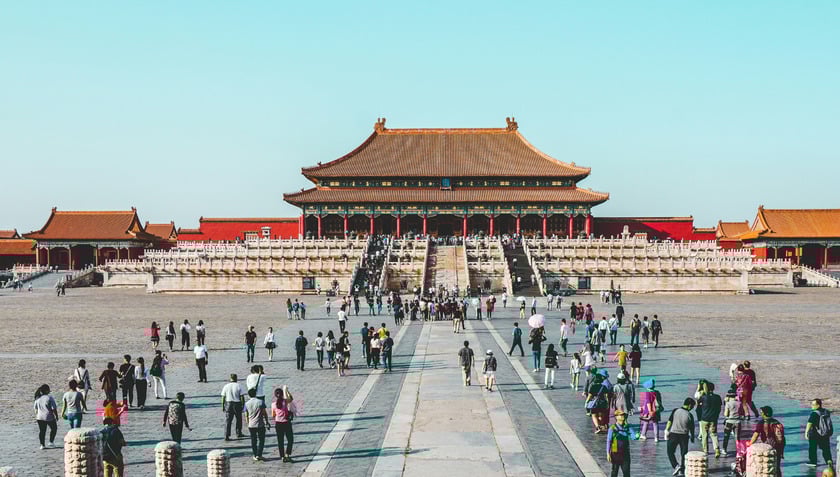
China attracts tourists with visa-free entry, resulting in over 50% increase in visitor numbers.
Previously, China was quite restrictive in issuing visas, only allowing travelers to transit for 24 hours without a visa, provided they had all the necessary documents and continued their journey to a third country. In the 2010s, some cities like Xiamen and Kunming began experimenting with visa-free transit policies of 72-144 hours, but travelers were still limited to the local area, failing to create a real breakthrough.
However, a major turning point came at the end of 2023. After three years of steadfastly adhering to a strict "Zero Covid" policy, Beijing made a bold decision: to expand visa exemptions. This was seen as a strategic move to revive the dormant tourism industry and inject new life into the domestic economy. These goals have so far achieved encouraging success.


According to China's National Immigration Administration, efforts to expand the country's visa-free policy continued to yield significant results in the first half of 2025.
Building on its success, starting in December 2023, the Chinese government increased the maximum visa-free transit stay for tourists from 72-144 hours to an impressive 240 hours (equivalent to 10 days). Significantly, this policy has now been implemented in 24 provinces and cities, allowing tourists to travel freely throughout the country without being restricted to a specific city or region as before. This opens up great opportunities to explore a diverse range of destinations, from majestic natural landscapes to unique cultural heritage sites across the country.
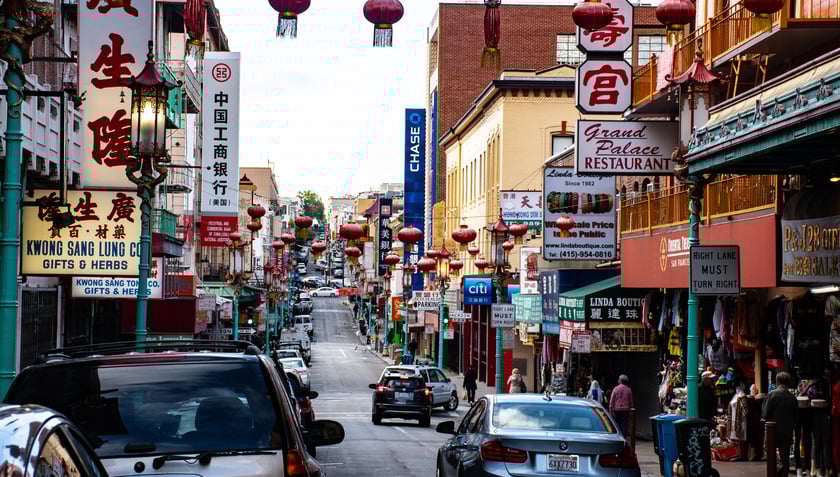
Previously, China only allowed visa-free transit for travelers staying for up to 24 hours.
According to the new regulations, visa-exempt tourists can participate in various activities such as sightseeing, business trips, or academic exchanges. However, it should be noted that activities requiring special permits, such as long-term work, study, or journalistic work, still require separate visas and prior approval from the relevant authorities.

Additionally, under the new regulations, visa-exempt visitors are permitted to participate in activities such as tourism, business trips, or academic exchanges.
SCMP also revealed that China plans to continue implementing more flexible and diverse entry and residence policies in the future. This promises to create more favorable conditions for foreigners to visit, work, and live in the country, strengthening China's position on the global tourism and economic map.

It is precisely these liberal visa policies that have allowed China to attract a large number of tourists.
As of June 2025, the 240-hour visa-free transit policy has been implemented for 55 countries, including most European countries, the US, Canada, Australia, and most recently, Indonesia. Notably, China has also unilaterally granted visa exemptions to citizens of 47 countries, allowing them to stay for up to 30 days for tourism or business without needing a visa.
These strategic moves not only boost tourism growth but also signal China's commitment to deeper integration with the world, opening the door to multilateral economic development and cultural exchange.