VI
VI


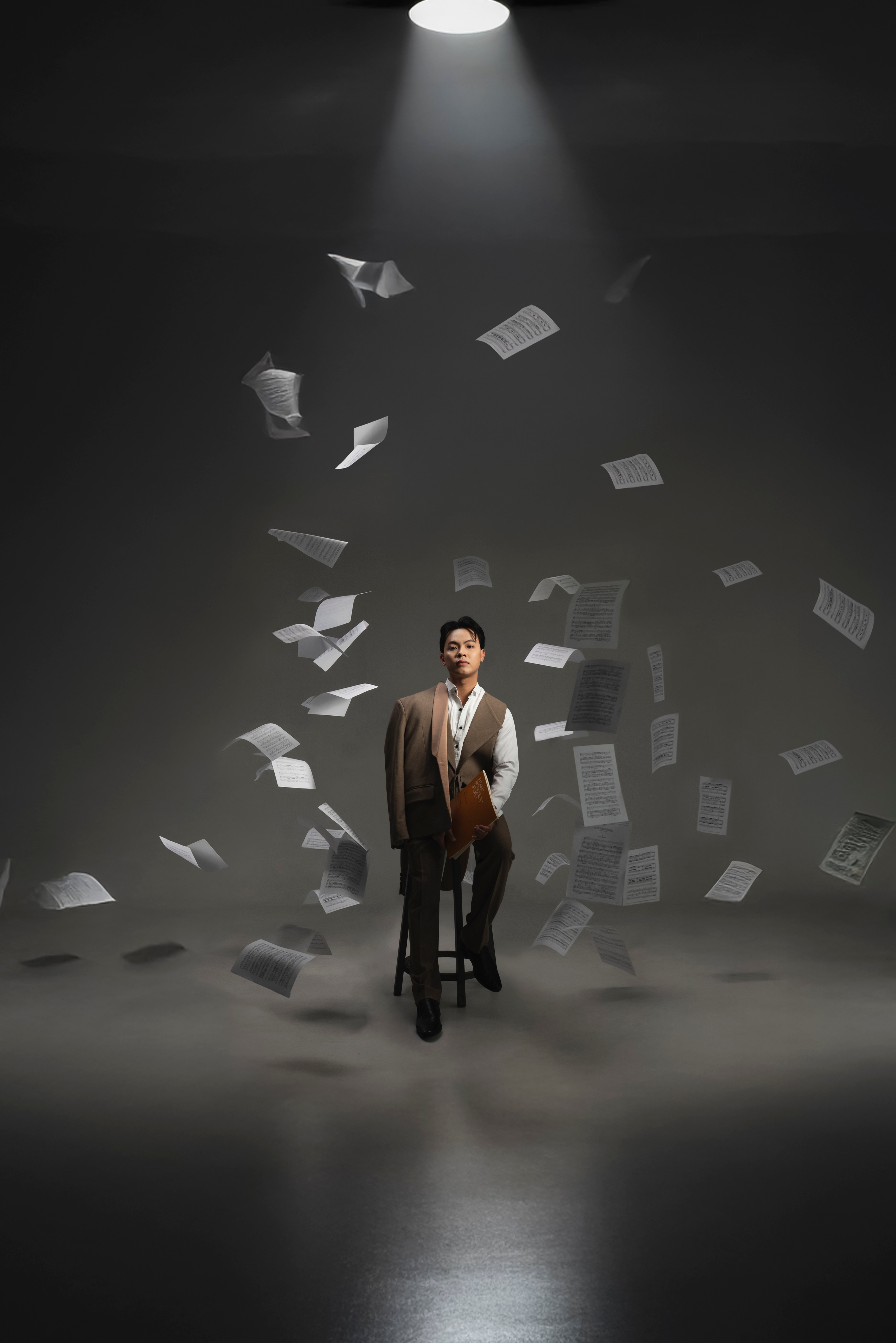
To sing is to be seen through.
The theme of this performance is "To be sung is to be seen." The Huy shared about the idea he had been nurturing: During professional training sessions, his teacher often asked:How do you feel?" -"How are you feeling today?"After singing a line, a stanza, or a whole song, the teacher would ask:"How do you feel after singing?"The Huy often said to the teacher:"I feel a little tired today, and I'm afraid I won't sing well."But after he finished singing, the teacher asked him again, and he realized:"Oh, I feel like I've become more immersed in this character now."The teacher's question helped him understand that:Opera is not just music, but also the art of character and story."
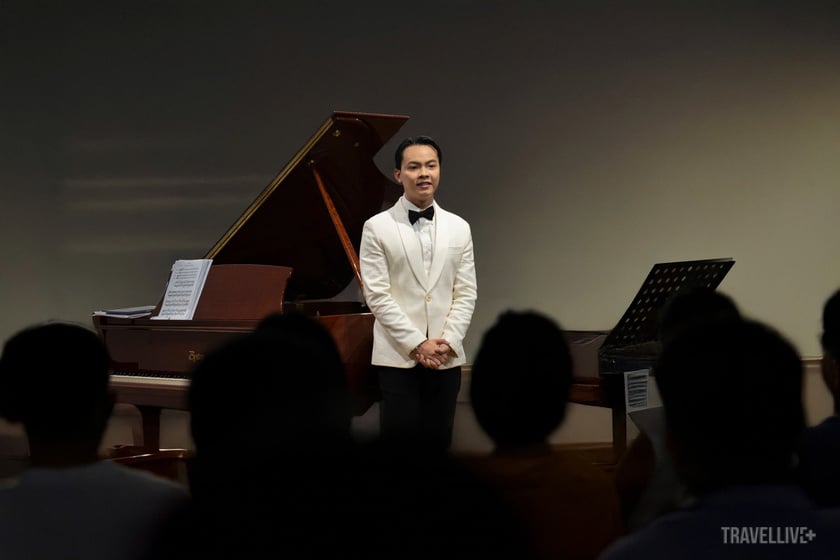
Opera is not just music, but also the art of character and story.
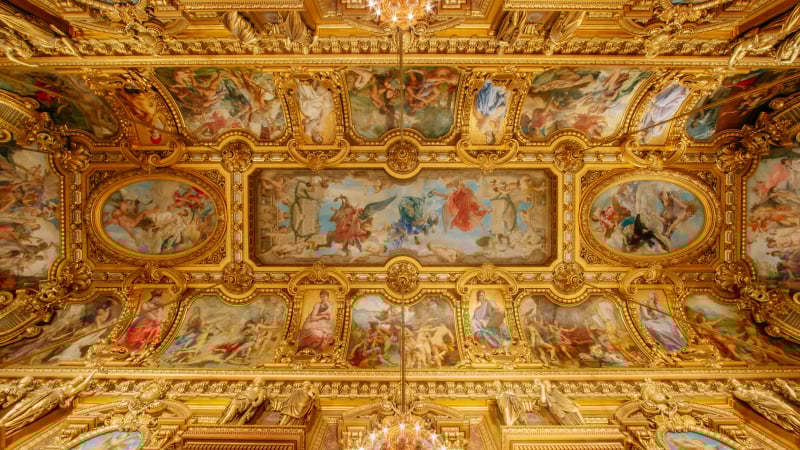
Indeed, opera is an art form that combines stage and music. An opera typically features solo singers, a choir, an orchestra, along with ballet performances and acting. The opera universe is not just about magnificent melodies or masterful vocal techniques, but also a mirror reflecting the multifaceted aspects of human life, from tragedy and comedy to profound inner conflicts. Each character in an opera is a microcosm of emotions, where the artist's ability to embody and convey them requires long-term professional work and a deep understanding of life experiences.
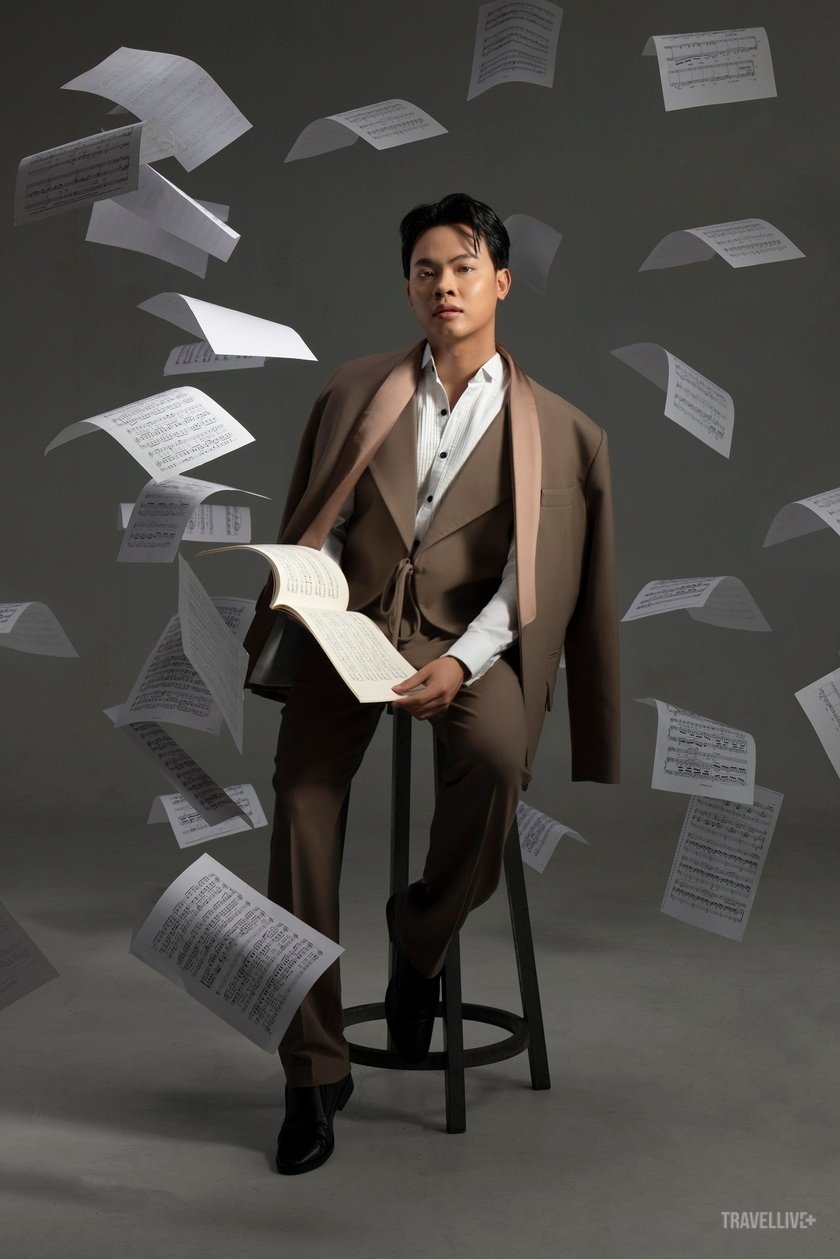
Opera singer The Huy
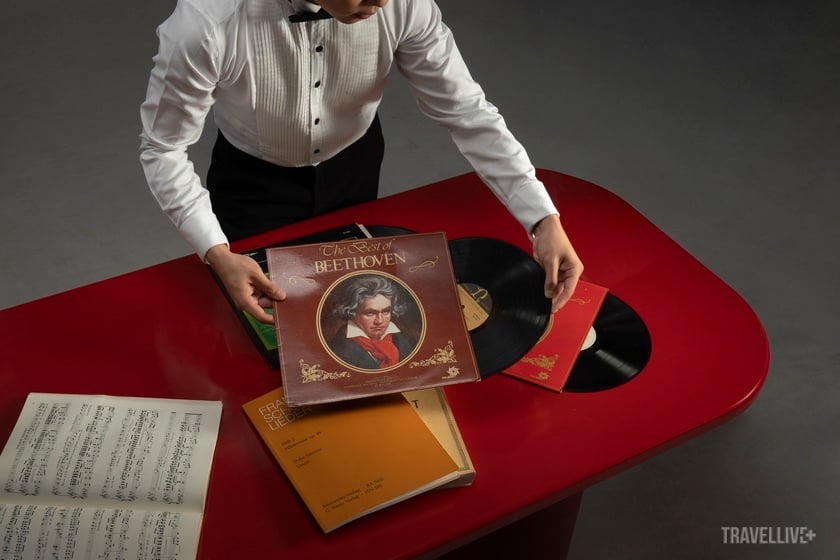
The universe of opera is not just about magnificent melodies or masterful vocal techniques, but also a mirror reflecting the multifaceted aspects of human life.
"When embodying a villain, I leverage my own experiences to analyze the character: Why do they have the mindset and act the way they do? I ask myself if I've ever been in a similar situation. If not, I'll imagine it; if I have, I'll recall my feelings and reactions at the time. These experiences help me portray the character more authentically."— Thế Huy shared.
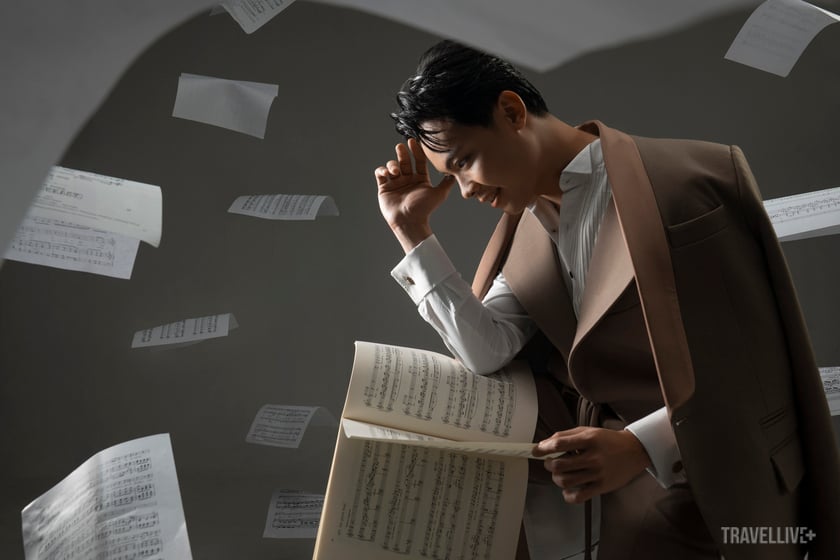
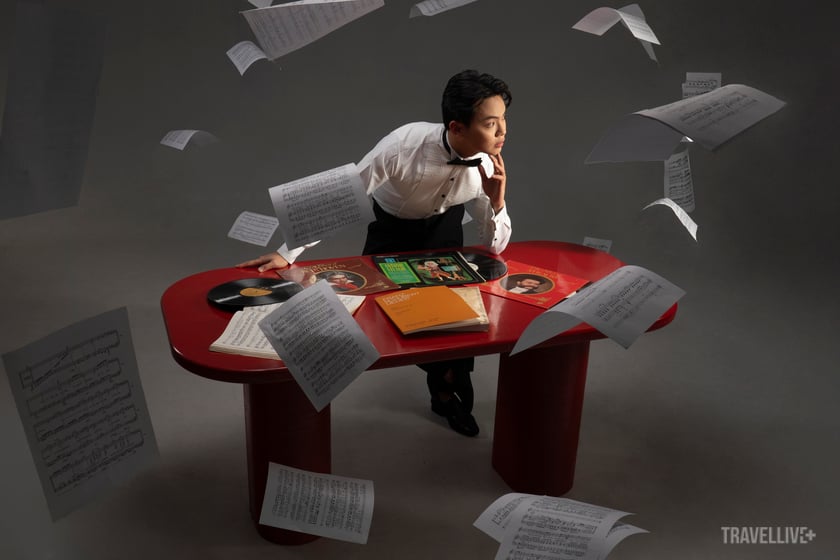
The 10-year journey of young opera artist The Huy in pursuing classical music and opera vocals.
This reminded The Huy of a line from the movie Avatar:I see you". Here, "See"It's not just about seeing, but also about..."spread"—a profound understanding of one's inner self, combined together, is what constitutes 'see throughFor him, singing is about gaining insight into himself and everything in life.
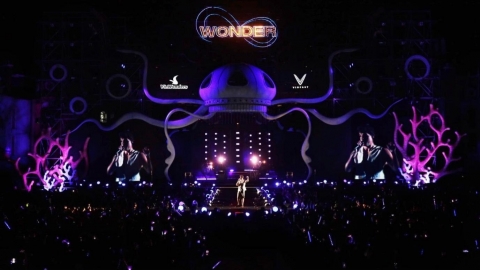
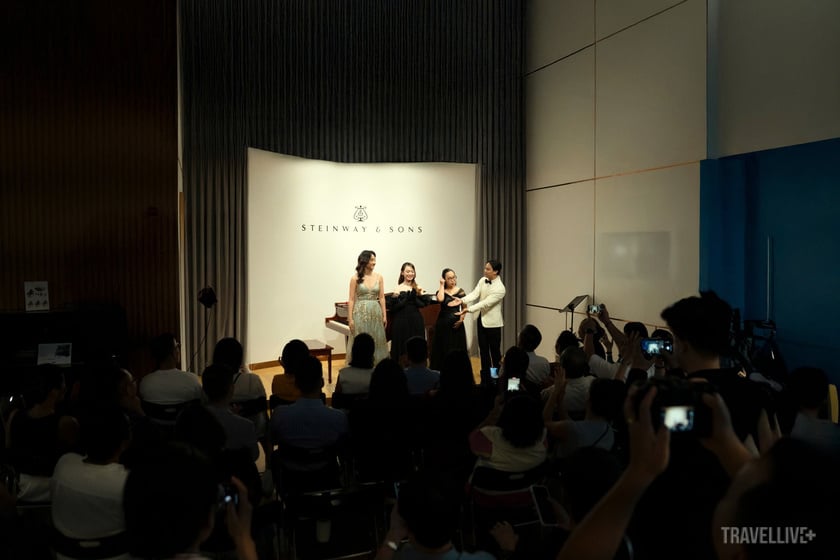
Each selected opera excerpt takes the audience on a colorful journey, exploring the richness and subtlety of melodies in Mozart's comedies and tragedies, encountering ambitious characters and the fiery, surging music of Verdi, savoring Italian romance through the profound and evocative passages of Donizetti & Cimarosa, and immersing themselves in the burning desire for love in the majestic melodies of Gounod & Lehár's world... Each aria (a solo piece for the voice in an opera) is like a door to a new world, where each audience member will surely find glimpses of their own inner world. The smiles, tears, or loneliness of the characters transform into the emotions of the viewer's own soul.
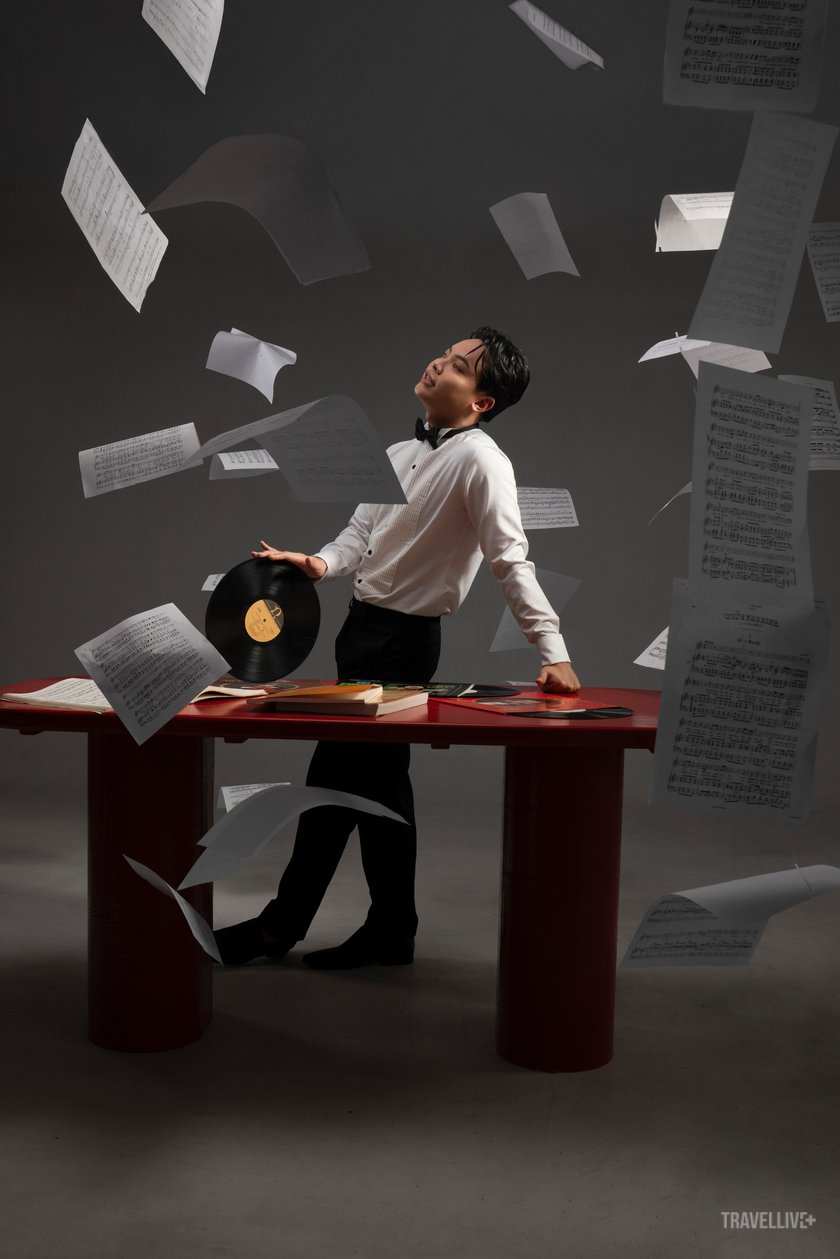
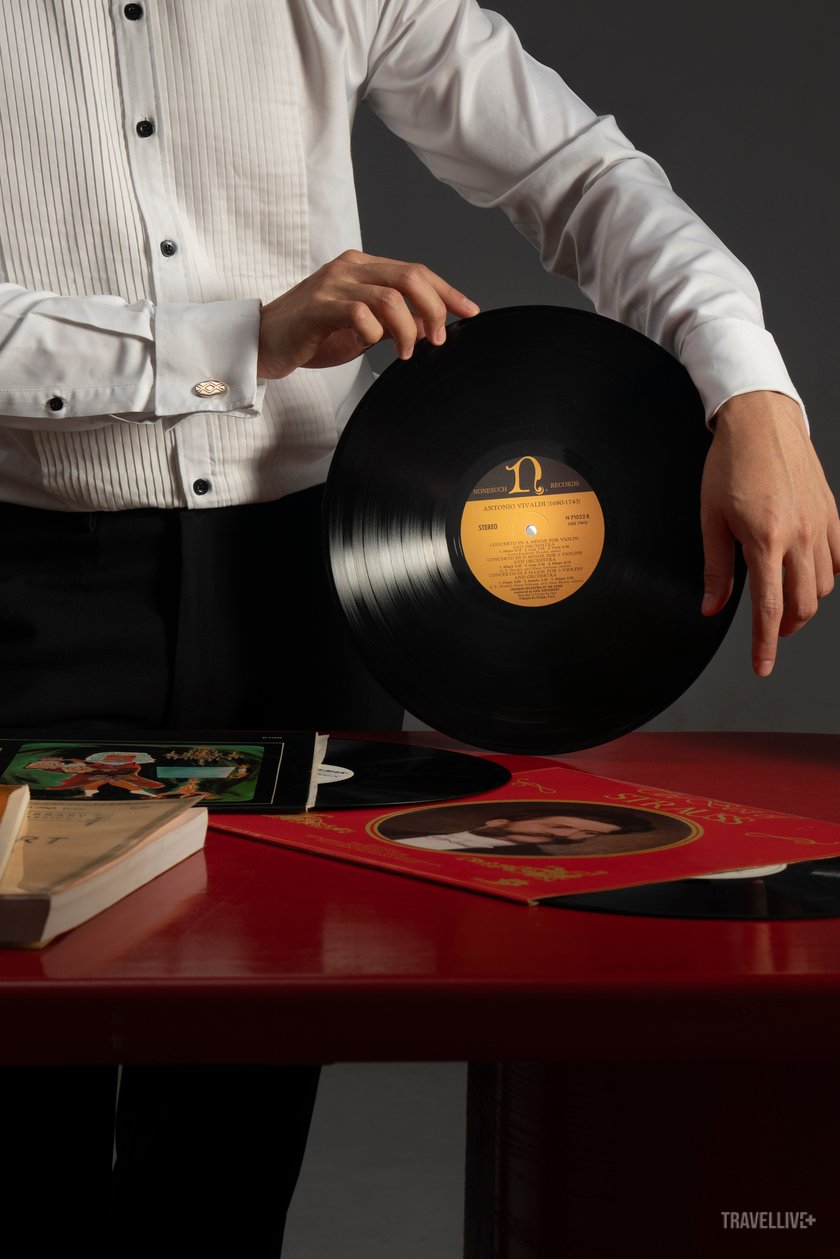
When I heard "E lucevan le stelle," written by Giacomo Puccini and taken from "Tosca," at the end of the performance, I suddenly burst into tears. The character Cavaradossi, played by The Huy, is a painter tormented by his death sentence. The night before his execution, he recalls a moment with his lover Tosca: "The stars shine, and your fragrance… Now… I die in despair!" The moment The Huy collapsed onto the stage floor as the sorrowful melody of a extinguished love soared, it touched my soul unconsciously, even though I couldn't understand the lyrics. It seems The Huy did a great job fulfilling his mission – not forcing the audience to love opera as he passionately did, but helping them to "see through" the characters and the story.
A journey of the mind
During his time studying in Australia, The Huy lived in a very beautiful neighborhood. Sometimes he missed home, missed Vietnam, but the natural scenery around his house helped him soothe his emotions. When he was stressed or lost, he would often go to the sea or the trees to empty his mind, allowing strong emotions to calm themselves.
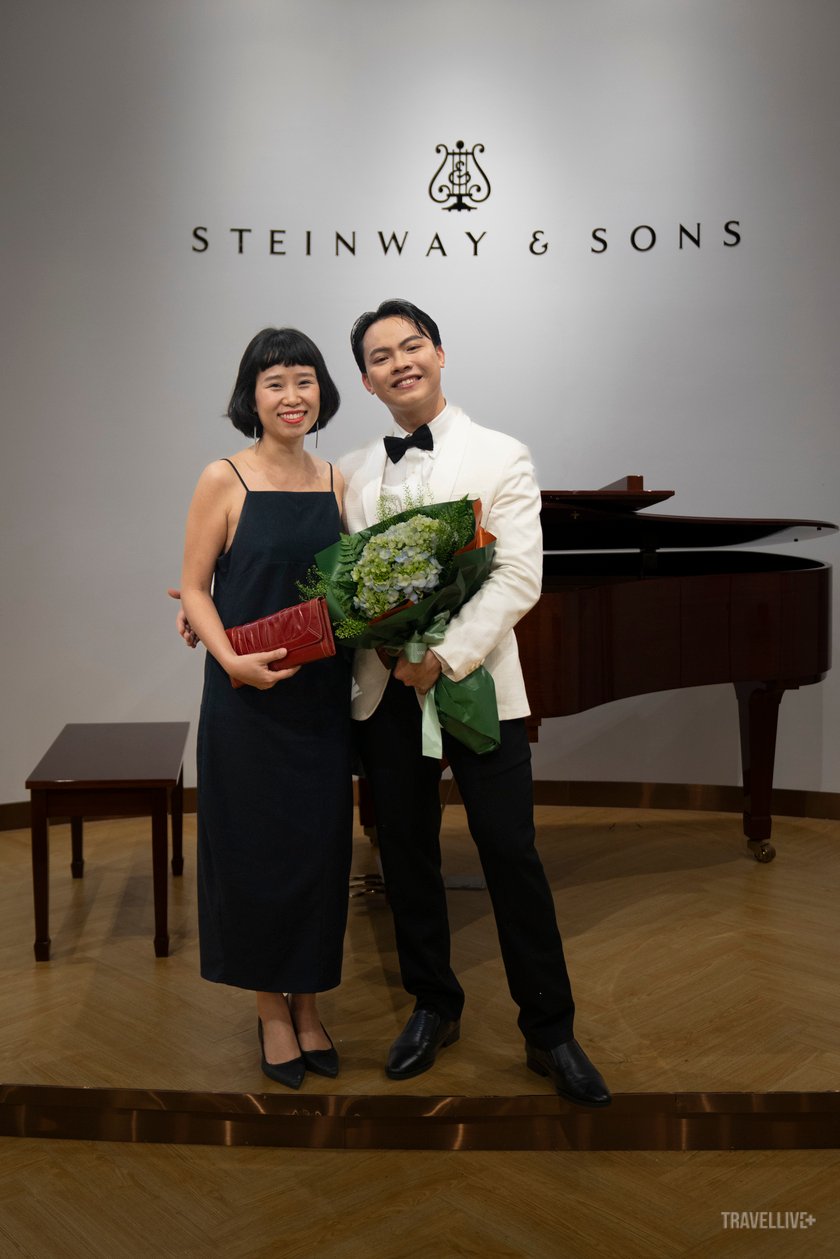
It was this self-reflection that helped The Huy make progress in his career.
Sometimes, he would go to the beach just to lie there, not thinking about anything, to let his mind truly rest. He said that when someone asked him:As a singer, what kind of music do you listen to when you're stressed?He just smiled:When I'm most stressed, I don't listen to music."For musicians, sometimes relaxation isn't about listening, but about silence, because silence is also a form of music. It's when the mind is free to travel wherever it wants."

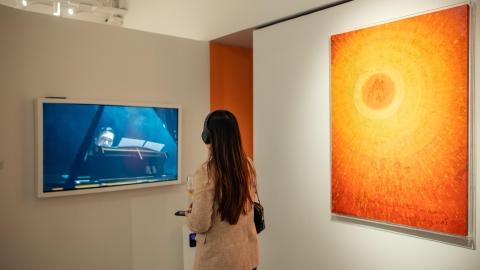
He really loves the quote by the composer Beethoven:Behind the music, there's still music."In a concert, when the last note is played, the space falls into silence. That moment is still music, but it resonates in the mind of each person. The work."4 minutes 33 secondsJohn Cage's work clearly demonstrates this. The artist steps onto the stage, sits at the piano, but doesn't play a single note. The music here is silence, where the audience hears sounds from the surrounding space: the shifting of chairs, coughs, the rustling of paper. If this work were placed in an open environment, the sounds of everyday life would become part of it. This is what made him realize that, if one knows how to listen, ordinary sounds can also become music. Music is not only found in symphonies but is present everywhere.
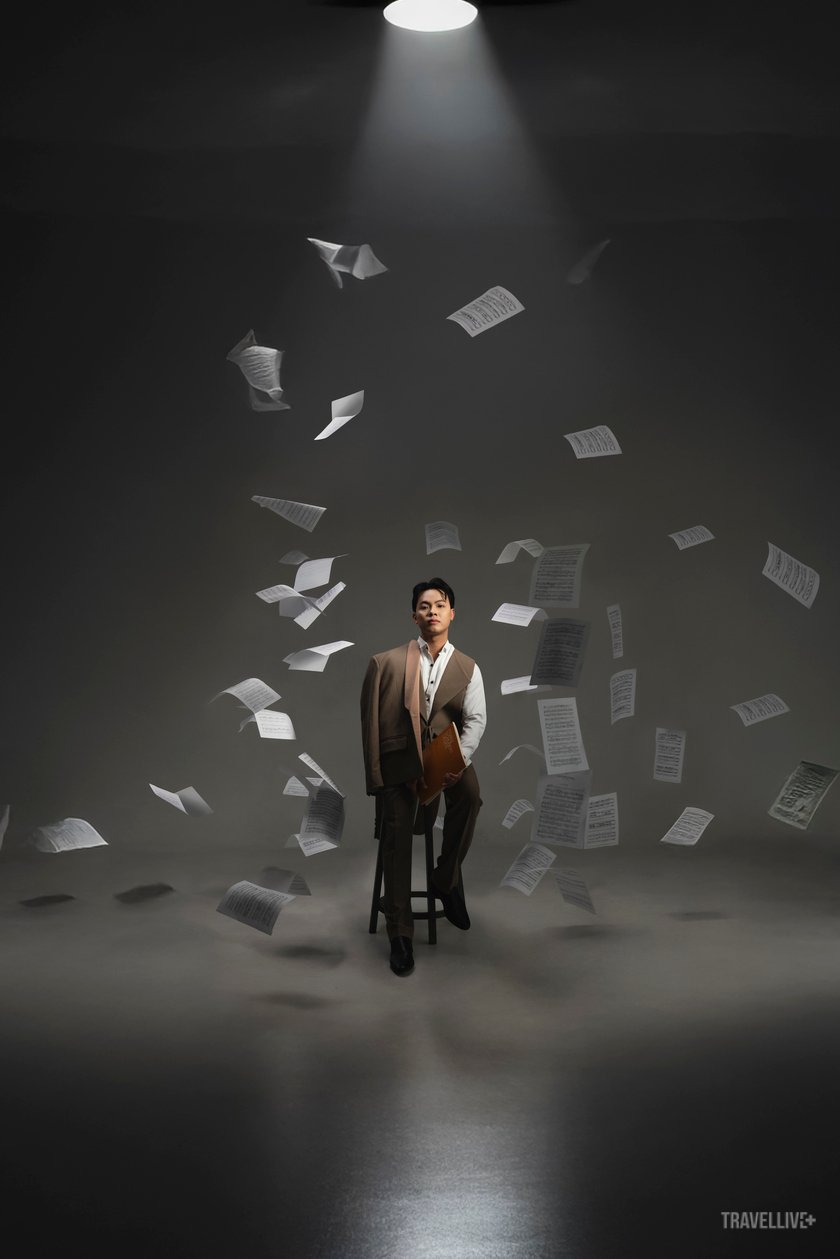
Each character in an opera is a microcosm of emotions.
When seeking inspiration, he actively listens to music. But normally, he doesn't necessarily need to listen because music is always present around him. When he listens to a piece of music, he not only enjoys it but unconsciously analyzes its structure and harmony as if it were a natural reflex. Sometimes, he hums unconsciously.
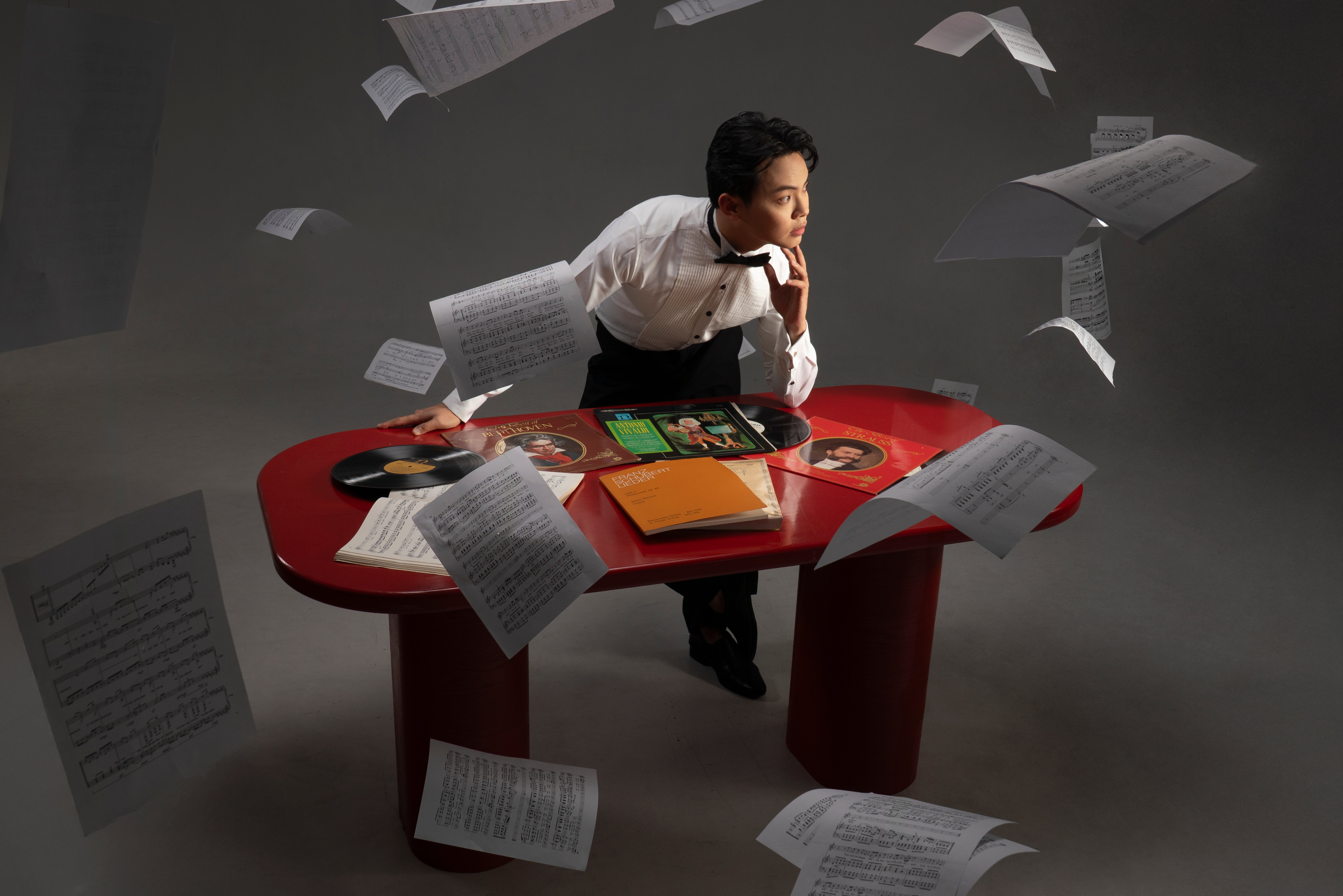
An opera performance is a serious process that requires the opera singer to undergo rigorous training. That's the difference between improvisation and professionalism. At this moment, he was lost in his own thoughts. He said:These images flashed through my mind every single moment. It was an intertwining of the original work and an image of myself – a version of myself I wanted to become when performing that song."
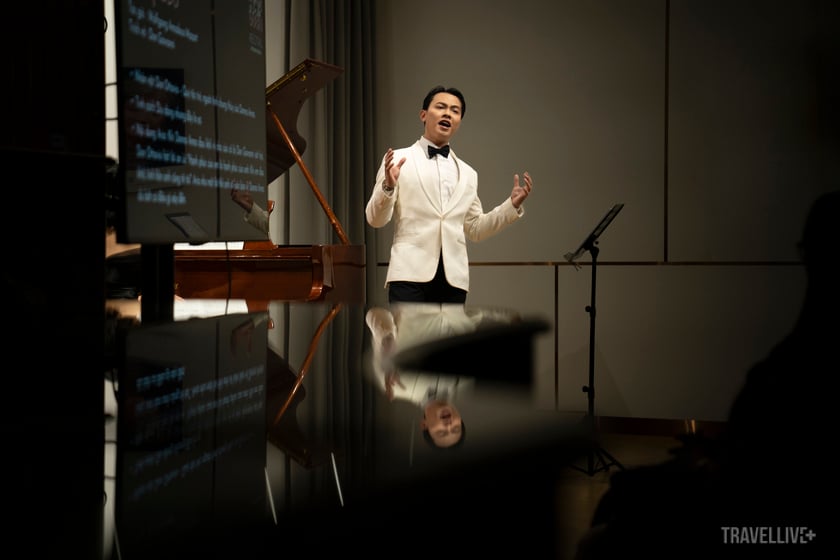
When The Huy stands on stage and sings, it's easy to see that opera is made for him, and that he was born to belong to opera.
Interestingly, in opera, each vocal style is often associated with a specific personality type. For example, the soprano voice is often associated with the image of princesses or shrewd, feisty ladies. Meanwhile, Thế Huy's tenor voice often appears in leading roles as handsome, romantic young men, instantly lovable. He sees many different versions of himself through each role.
He had a role alongside two opera singers, Linh Tran and Mai Vy, that made the audience burst into laughter. That was the character Paolino – a young, hot-tempered but kind-hearted man in love – in the play "Il matrimino segreto" by author Domenico Cimarosa. Paolino laments his sudden illness, causing the young Carolina and the ridiculous Fidalma to worry and suspect him of faking it, creating a chaotic atmosphere. The drama escalates as the three argue back and forth with overlapping, fast-paced melodies, expressing the confusion and excessive tension in their love rivalry.
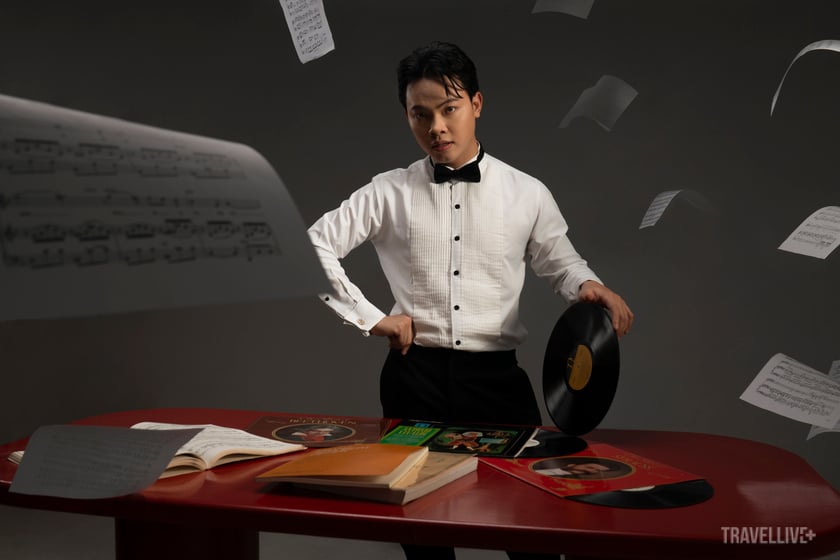
To sing is to be seen through.
The Huy journeys between his own imagination and the imaginations of talented playwrights, embodying many characters, from Paolino in a tragic love triangle, to the proud and tormented nobleman Sou-Chong in Franz Lehár's *Das Land des Lächelns*, forced to part ways with Lisa to marry a Chinese princess, to the young Sesto caught between loyalty to Emperor Tito and passionate love for Vitellia in Mozart's *La clemenza di Tito*… Each role is like a landmark in The Huy's mind.
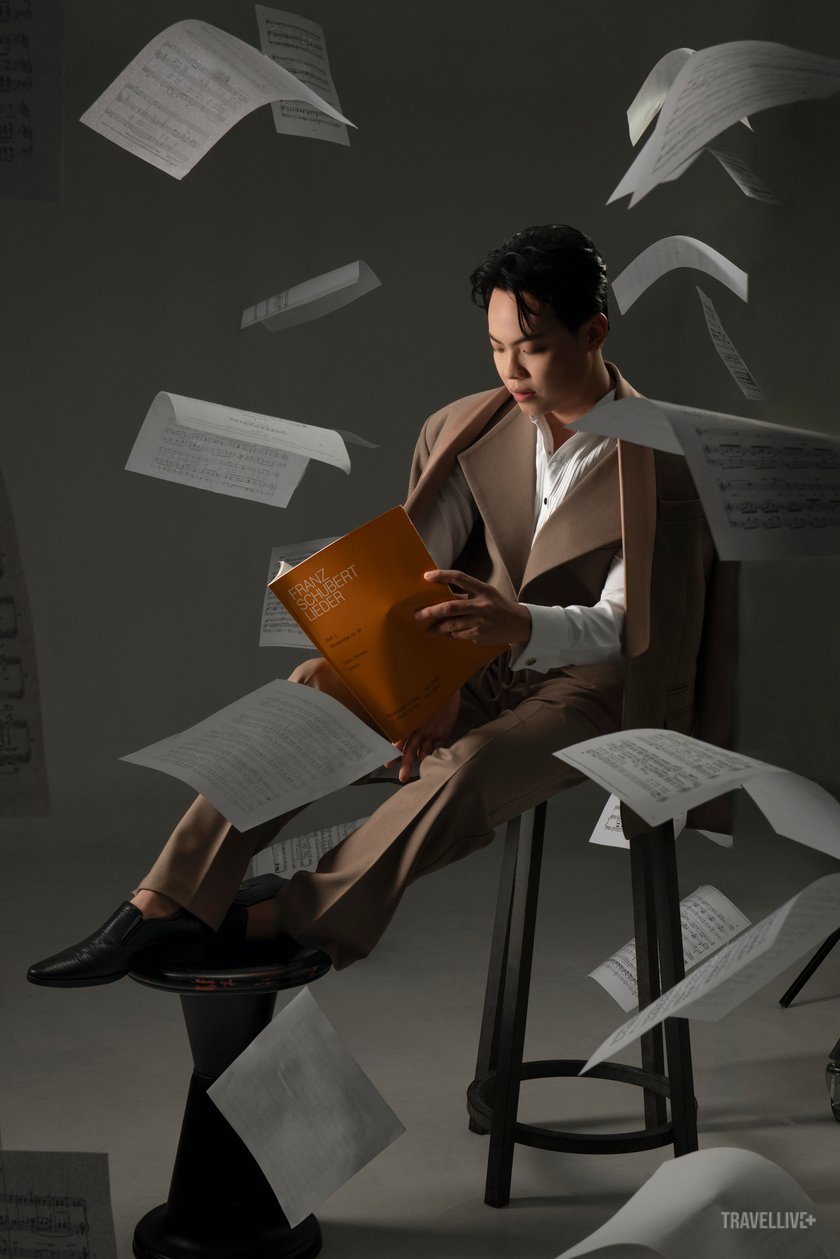
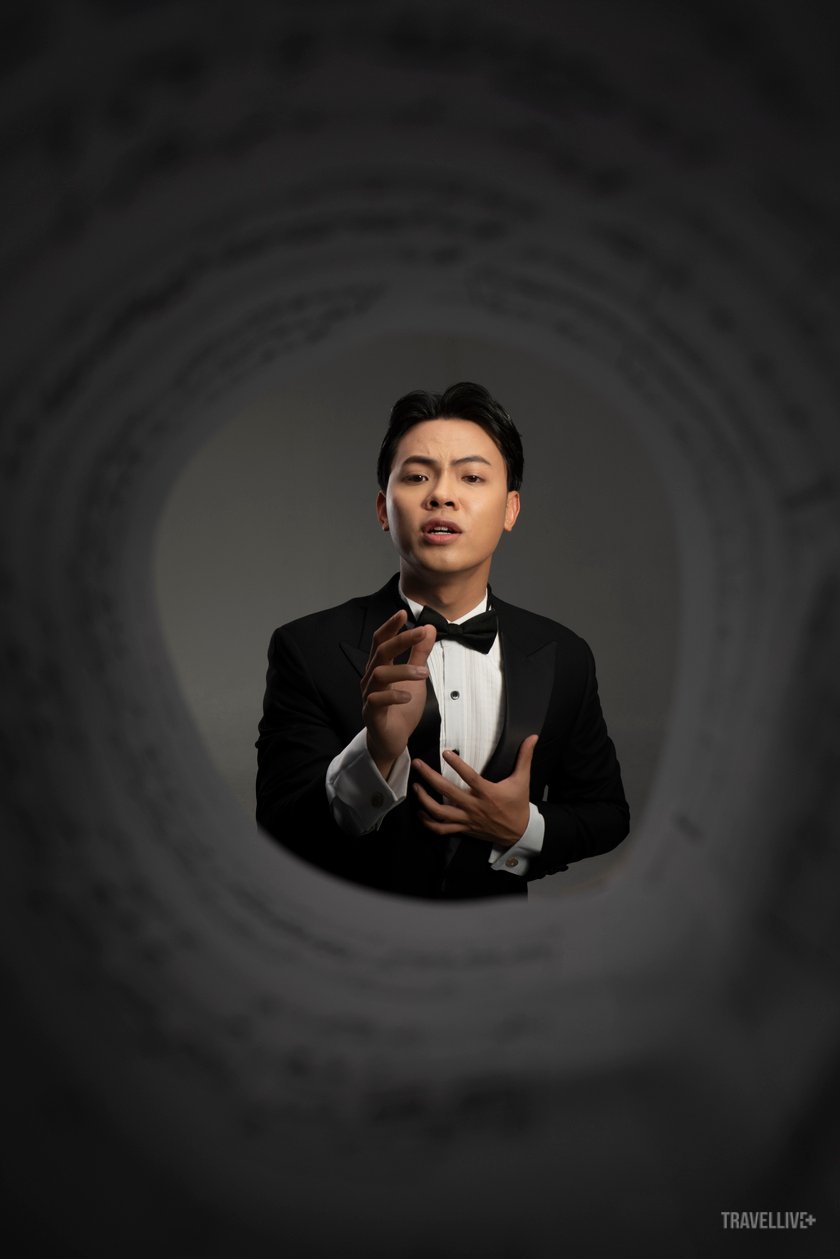
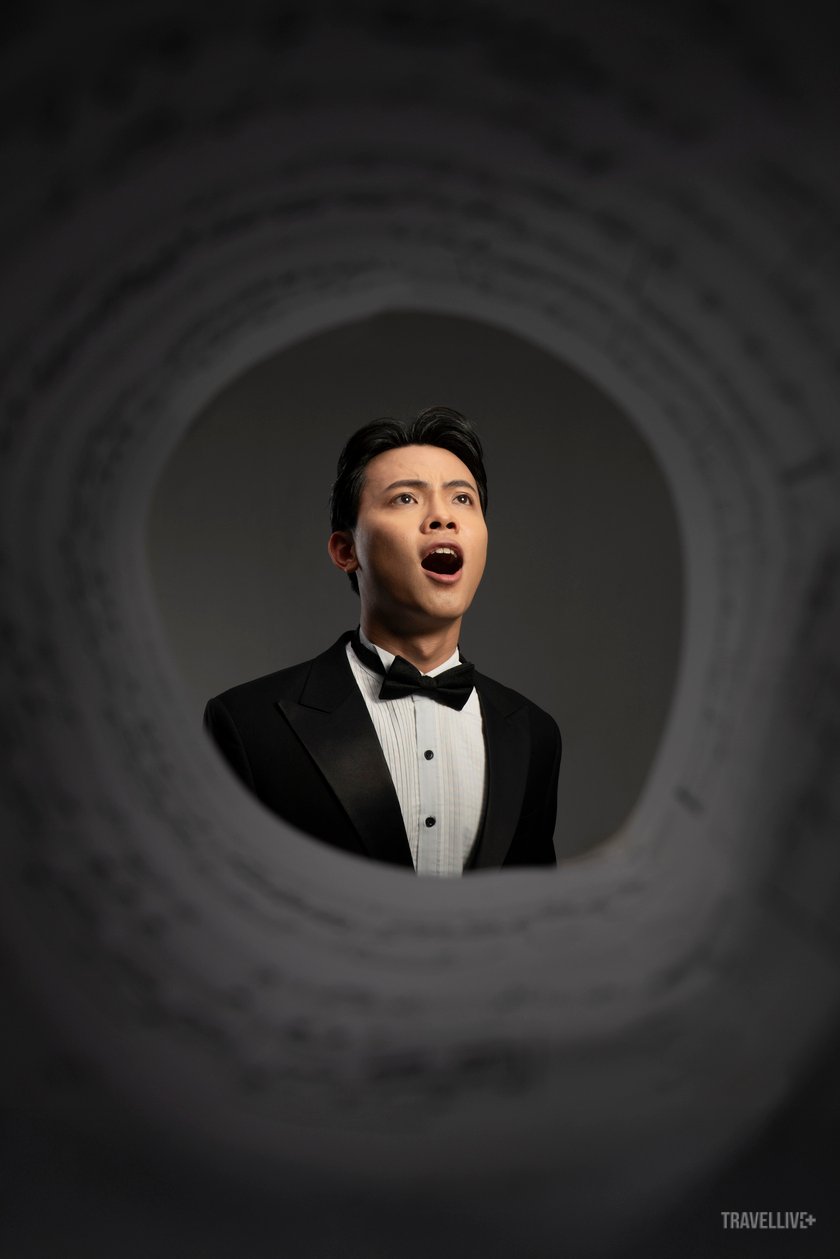
He shared that he also spends a lot of time traveling through the pages of books. Although Thế Huy has never set foot in Europe, most of the songs he sings are in French, German, and Italian. So how does he truly "see through" and immerse himself in those cultures through his performances? Currently, Thế Huy studies them through previous generations of artists and famous composers. Mozart was born in Austria, his life intertwined with travel and change. Chopin, born in Poland, lived and composed in many other places. He doesn't just learn through books; he also tries to understand the culture associated with each language.
Like the French, who are often dreamy; the Germans, who are serious and rigid; and the Italians, who are imaginative and full of emotion. An interesting point about Italian is that words often end in vowels, creating a sense of continuity and dynamism. Each language carries its own unique culture, and to accurately express the spirit of the music, he needed to deeply understand each of those cultures.
Belief in the path you are taking
Looking at the intersection of European and Asian art, we can be confident that classical music will never die. Classical works will always endure thanks to their artistic and thematic value.
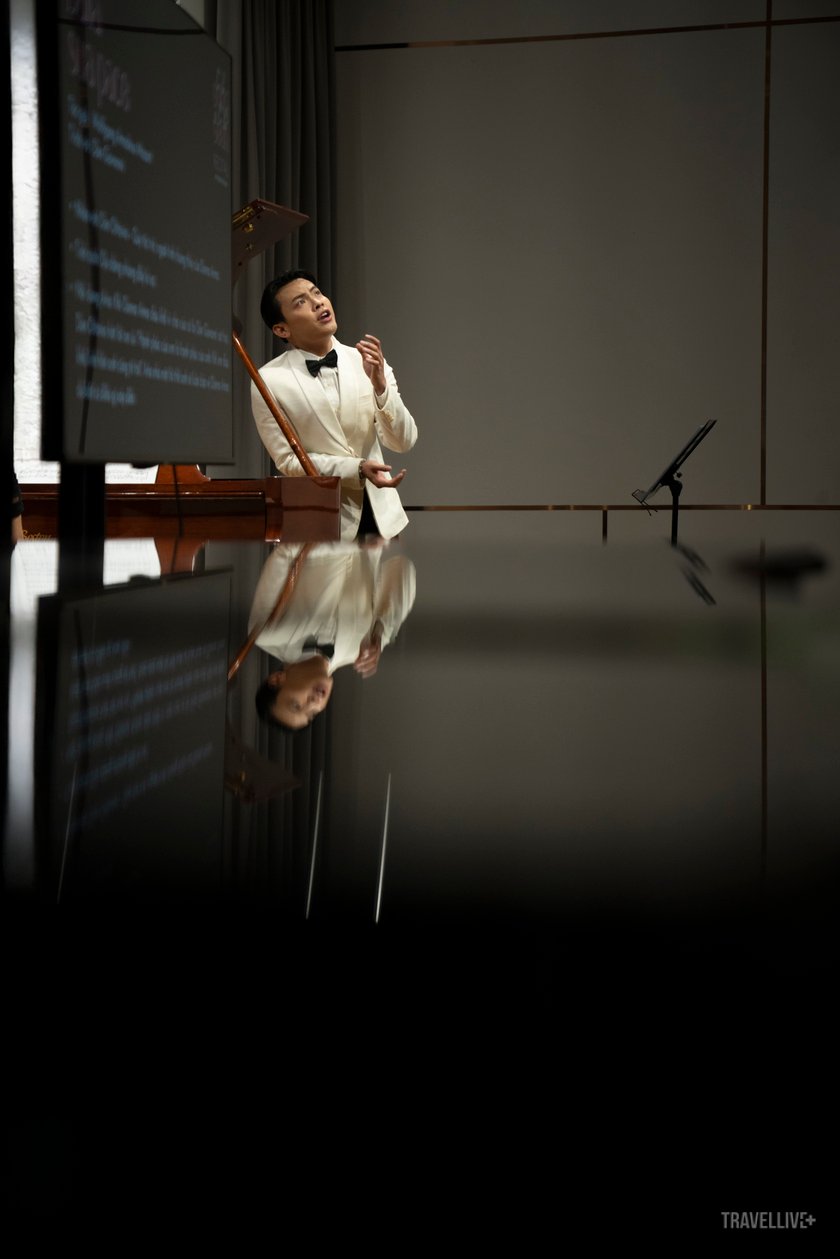
For The Huy, opera is the path he will follow.
Opera, while classical in nature, is not confined to rigid frameworks. Today, theaters continue to innovate and modernize opera. Artists themselves also create in their own unique ways, infusing their personal imprint into their roles. It is their individuality that sets them apart from existing works. Even major theaters around the world have their own unique approaches to staging a performance. The same work might be staged in a Japanese setting by one theater, while another follows an Indian or Western style. Therefore, a Vietnamese opera artist can have complete confidence in the long road ahead.
World-renowned opera singers are often trained from a young age because classical music demands not only talent but also perseverance, adaptability, and the ability to absorb new things. Exactly one year ago, The Huy was still on his journey to determine his direction. Now, having passed the 10-year mark, he sees opera not only as a passion but also as a career. In opera, The Huy has clearly demonstrated his potential. Not only does he sing well, but he also possesses a very natural acting ability. It is his self-reflection and reflection on life events through journeys within his mind and the opera universe that has helped The Huy make significant progress in his career.
Every day, Huy sets a goal to be better than the day before. He always longs to travel more, admiring performing artists from around the world. A professional artist can schedule their entire year, knowing the venues for December performances as early as January. He hopes that one day he will have a similar schedule, spending each month in a different country, or even visiting multiple countries in a single month.
The final point we agreed on in this conversation was that while opera demands high technical skill, meticulous planning, and rigorous training, opera artists also need to maintain a pure love for the art. If everything is measured and calculated too meticulously, the beauty of the art cannot flourish. Some things come naturally, even naively, but it is precisely this simplicity that creates the most beautiful things.