VI
VI


This city, bearing the rather ironic name Corona, is located about 70 km southeast of Los Angeles and covers an area of approximately 100 square kilometers.2With a population of over 168,000, Corona is a city with a history spanning over a century and is known for its ethnically diverse community, a significant young population, a thriving education system, and as an attractive destination for those wishing to explore America.
Officially established in 1886, Corona is a city with a long history closely linked to citrus farming in the United States. Located in California, Corona's original inhabitants were of Native American descent, specifically the Luiseño (Payomkowishum) and Gabrielino (Tongva) ethnic groups. They lived primarily by hunting and gathering in small villages.
In 1886, three men, Robert B. Taylor, Adolph Rimpau, George L. Joy, and A.S. Garretson, along with Samuel Merrill, purchased 12,000 acres of land in Alt California to establish the South Riverside Company. They developed trade, a railroad system, and irrigation to bring water to this arid land, building a citrus agricultural industry there. South Riverside was the name Corona at that time.
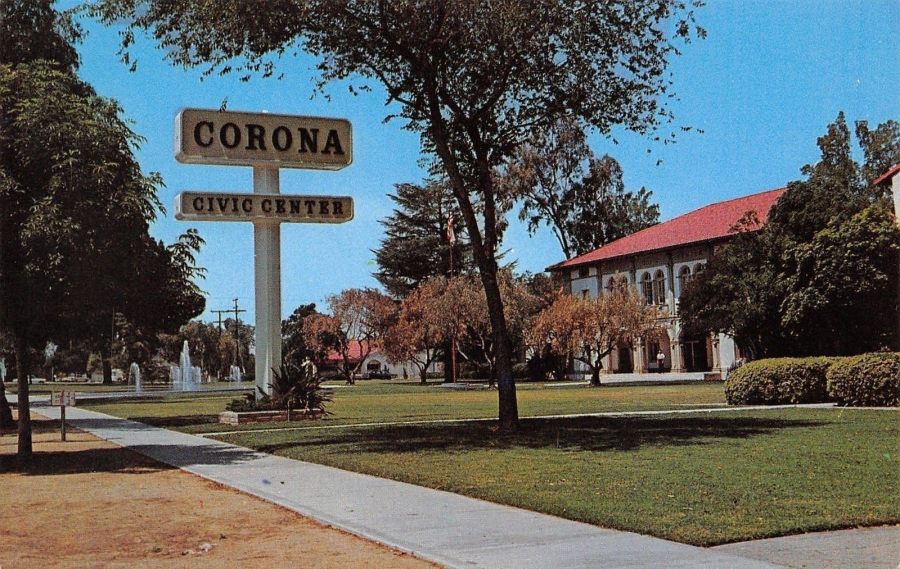
The city of Corona has soil very suitable for citrus fruits, making it ideal for large-scale cultivation and the construction of large-scale packing plants, but the residents lack agricultural experience. Therefore, adopting ideas and experiences from the developed Italian agricultural system has provided a rapid boost to the agricultural sector there.

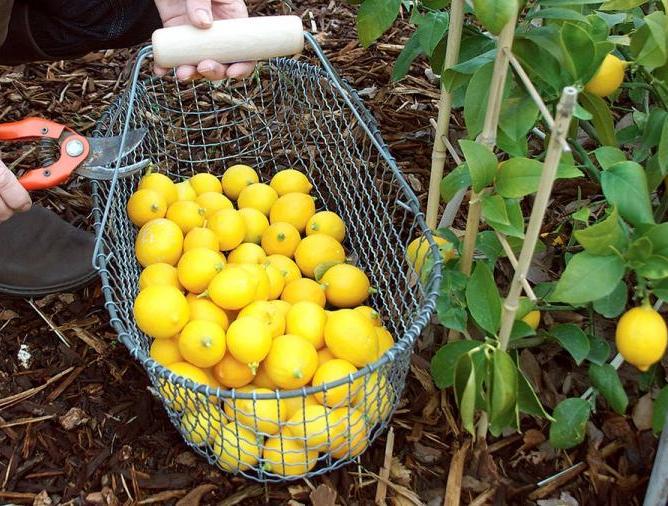
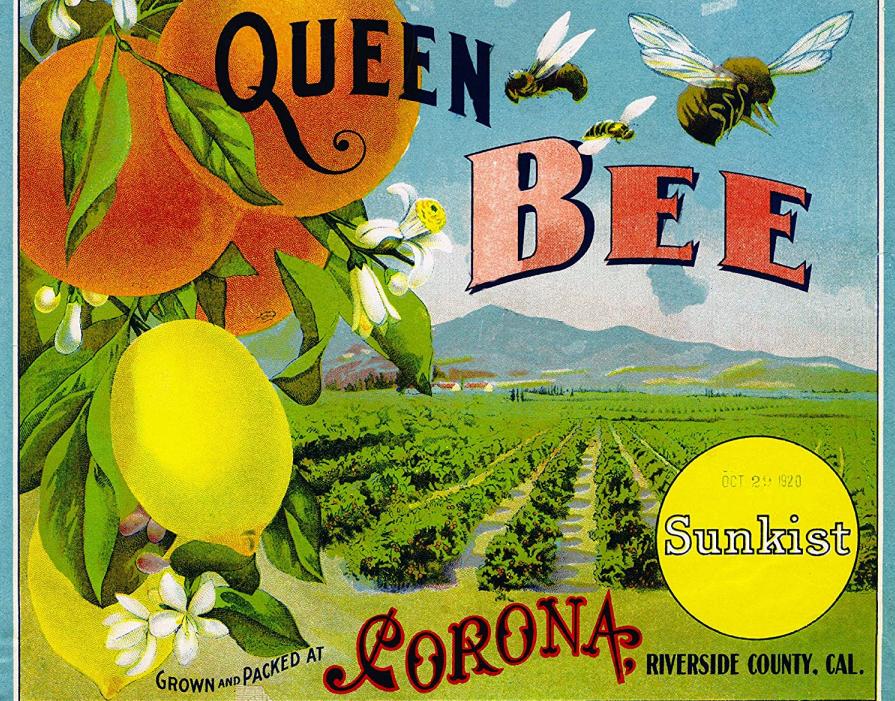
At that time, the area was so successful in producing lemons that many companies were developed to research and produce other commercial products from lemons. Each day, the factory processed over 1,000 tons of lemons, employing 250 workers operating 24 hours a day. The main products produced at the factory were citric acid, sodium citrate, lemon juice, pectin, and lemon oil. Today, visitors can find a historical museum about the role of lemons in the local economy.
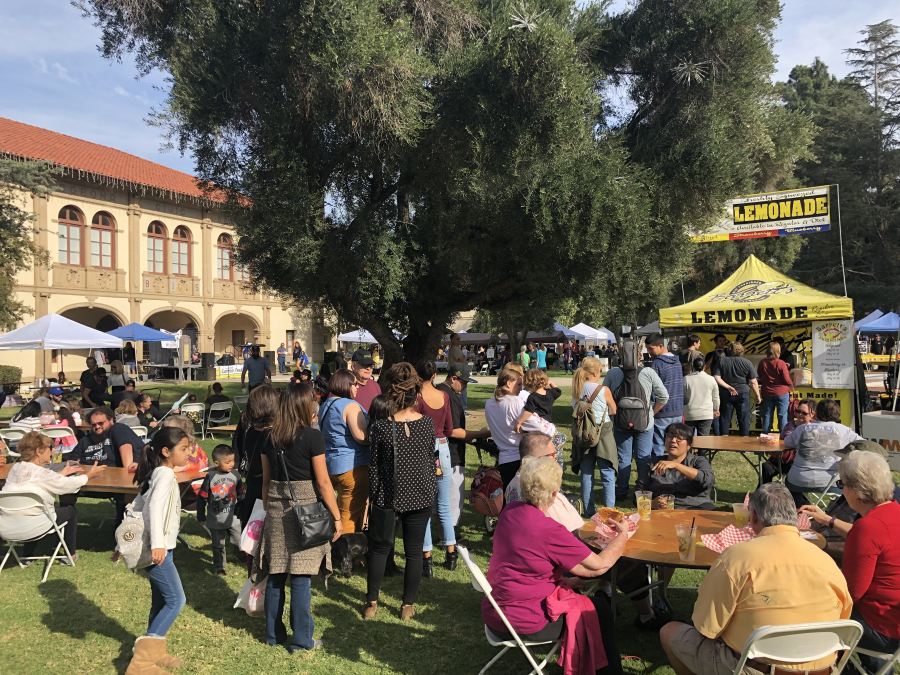
The Lemon Festival is held annually in the city.
Besides being known as the "Lemon Capital of the World," Corona is also nicknamed the "Circular City" due to its unique design and planning. Corona's streets are neatly arranged within the Grand Boulevard, forming a circle with a circumference of 4.43 km, and it served as a race track for international competitions in the 20th century. The designer of this unique network was civil engineer Hiram Clay Kellogg. This project had a significant influence on the city's early development.
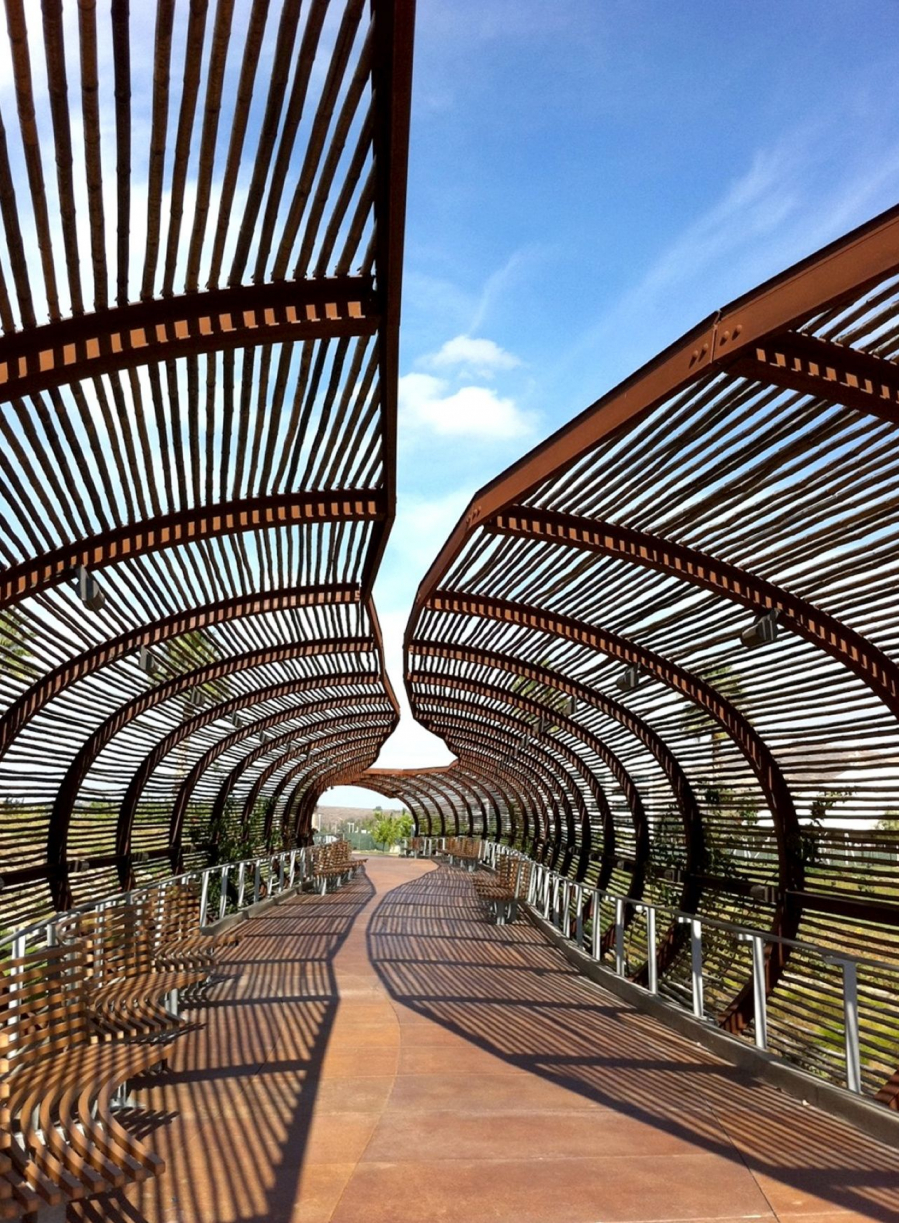
The famous circular public building, Dos Lagos Breezeway, in Corona.
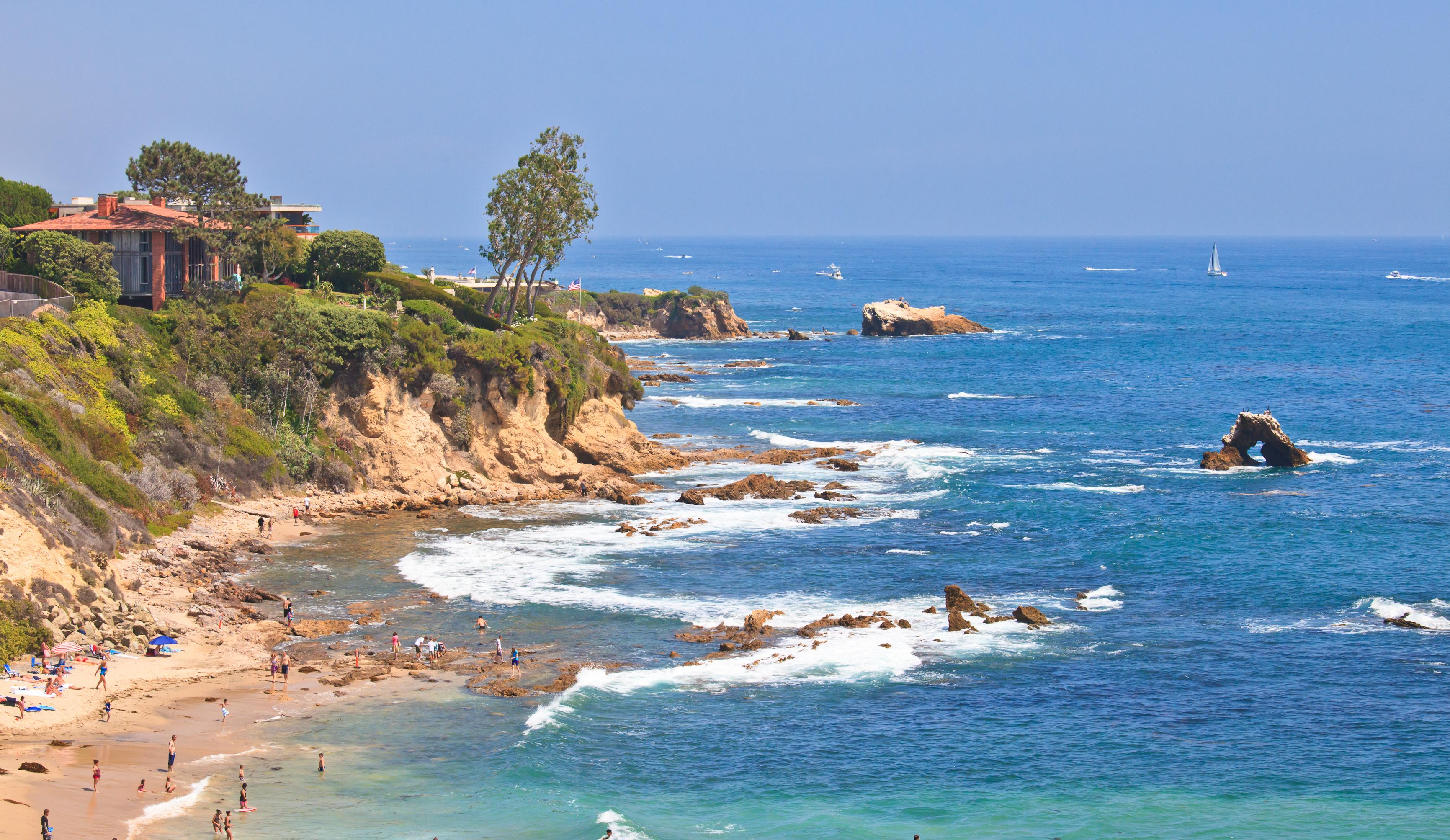
Not only is this small city captivating with its unique urban planning model, but it also overwhelms with its incredibly diverse and abundant natural scenery. The Corona community boasts numerous amenities providing a top-quality life for its residents, including sports fields, basketball courts, playgrounds, tennis courts, skateboarding areas, and an outdoor swimming pool, along with well-developed tourist services.
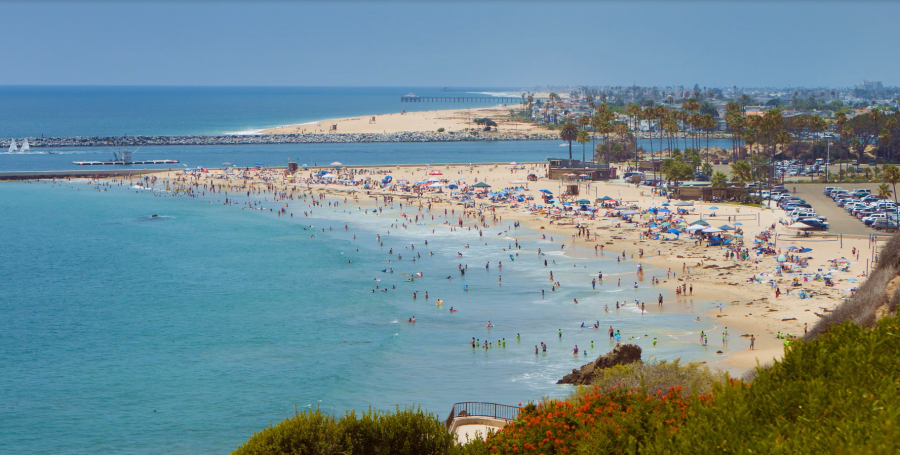
The idyllic, sun-drenched beach in Corona.
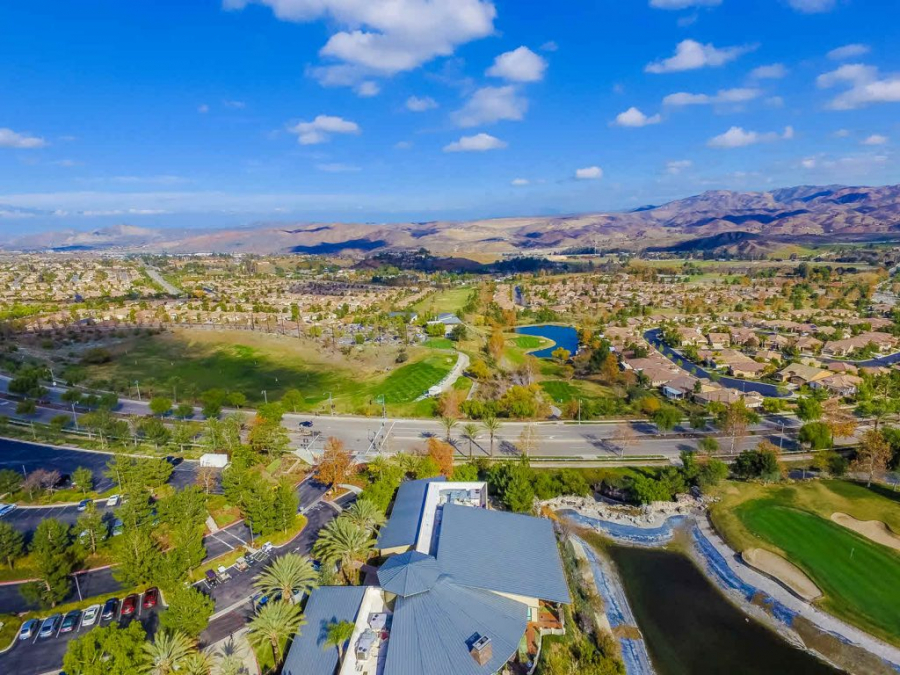
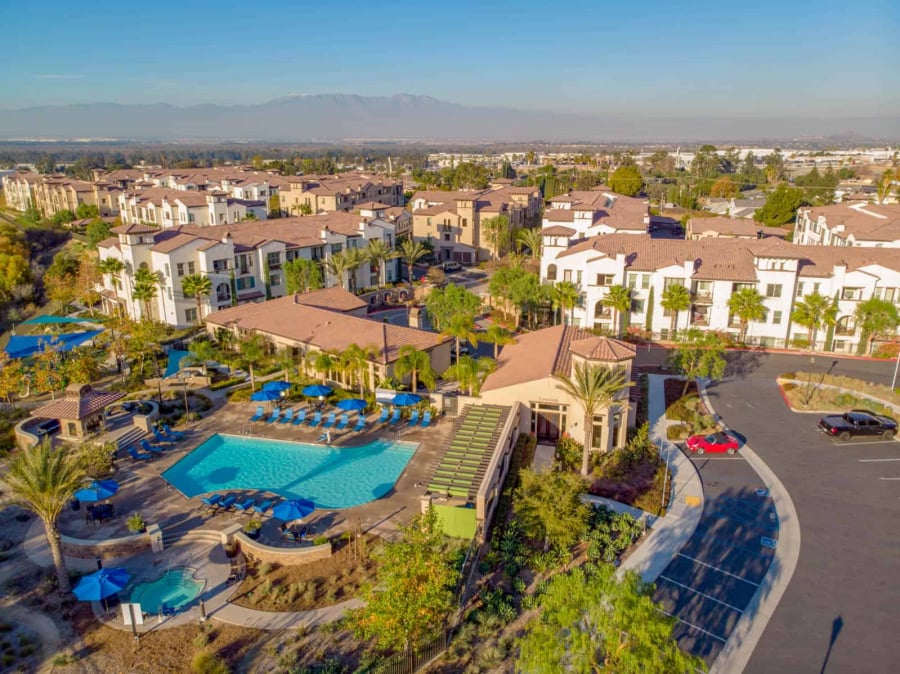
One exciting way to explore Corona's natural beauty is by ziplining at Skull Canyon Ziplines. Alternatively, for those seeking a higher vantage point, visitors can climb Santiago, the 1,734m highest peak in the Santa Ana Range. Another popular hiking trail in the city is the challenging 17.5km Skyline Drive.
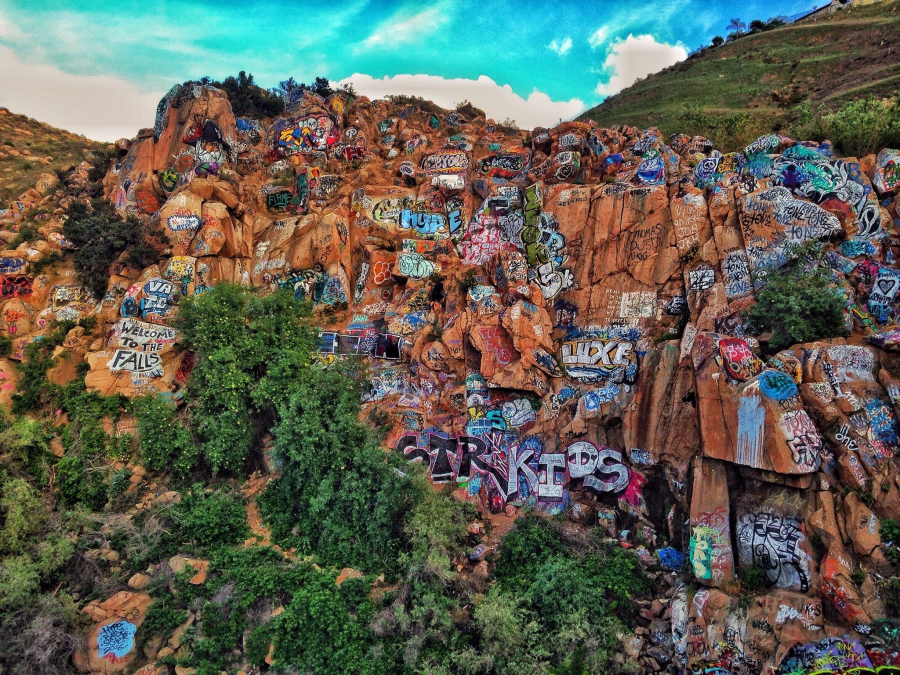
Graffiti Waterfall is one of the must-see destinations when traveling to Corona.
Graffiti Waterfall is one of the must-see destinations when traveling to Corona because of its unusual artistic beauty. Street artists have risked their lives to create these murals on the precarious cliffs beside the waterfall.
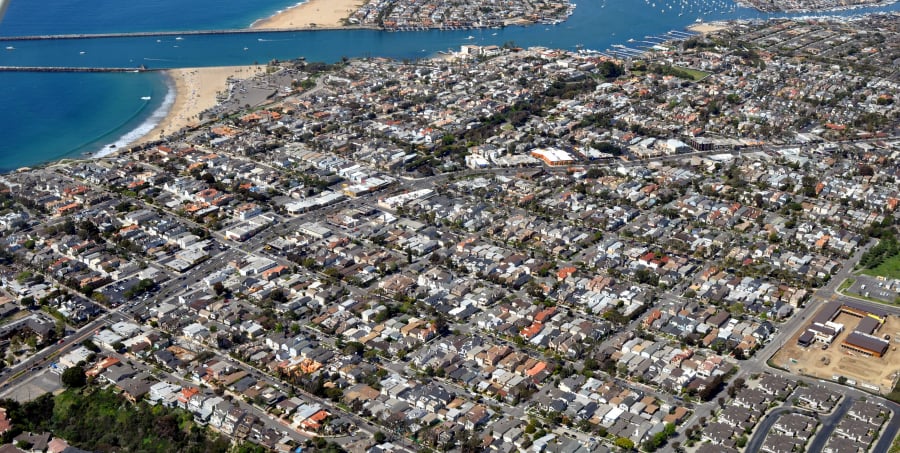
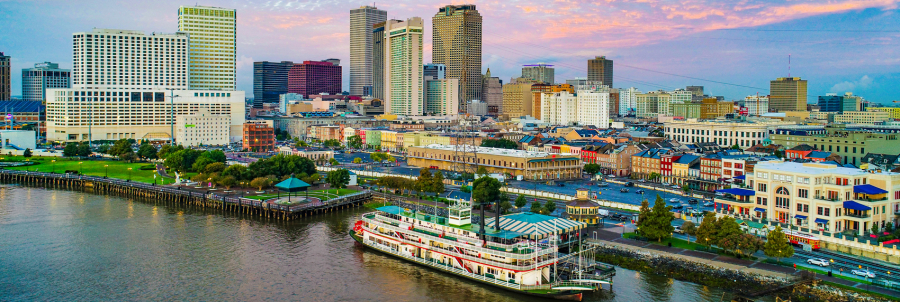
Corona City as seen from above.