VI
VI


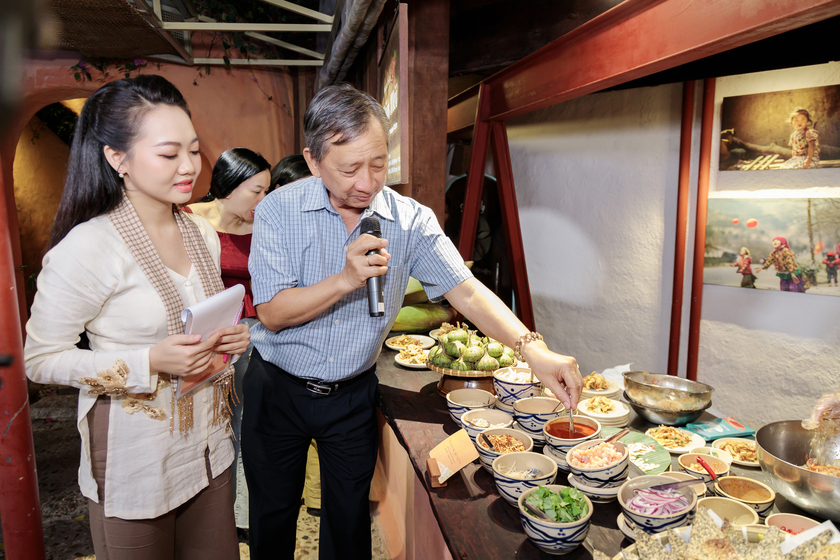
The story of traditional Vietnamese culture, told through folk cakes, will be recounted by culinary artisans Bui Thi Suong and food expert Chiem Thanh Long... In particular, many delicious and visually appealing traditional cakes will be recreated by talented local artisans from Tay Do: Mrs. Truong Thi Chieu and her husband, affectionately known as Uncle and Aunt Chieu. The program takes place within the framework of the "Flavors of the Homeland" series of events honoring culinary culture, hosted by Man Moi Restaurant.
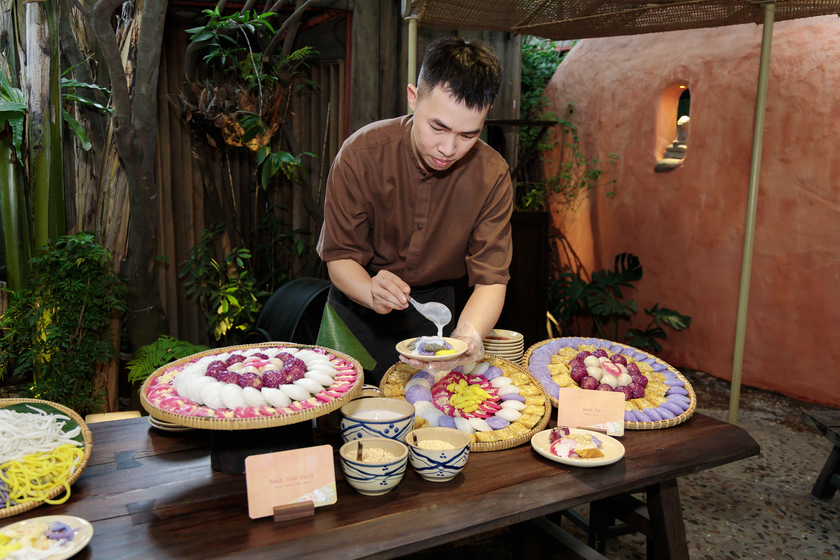
Food lovers in Saigon have the opportunity to enjoy many traditional Southern Vietnamese cakes.
With over 300 types of cakes and sweets, Southern Vietnam is a "paradise of pastries and desserts." Among them, the Mekong Delta boasts the largest number of traditional cakes and desserts. Geographically known as the rice granary of the country, from the time of land reclamation and settlement to the present day, the people of the Mekong Delta have created a wide variety of flours, forming the basis for countless delicious cakes and desserts. For example, Sa Dec flour has long been famous and is now found in most markets around the world.
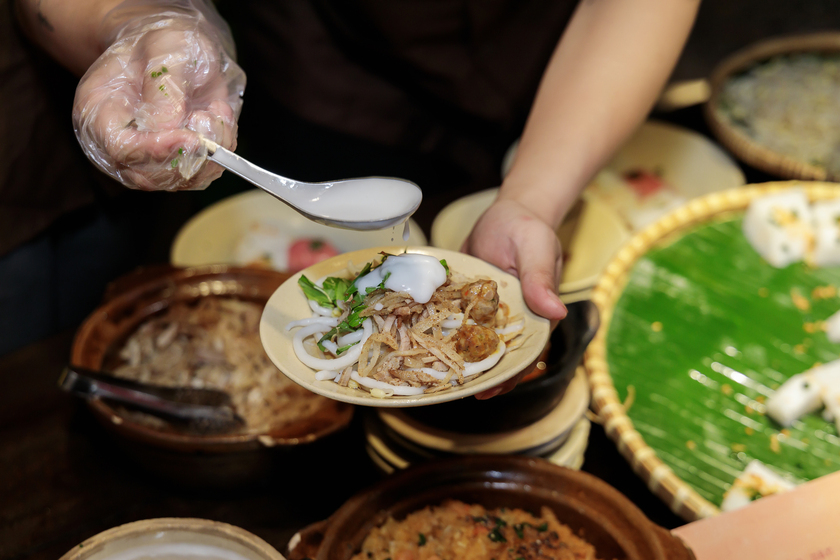
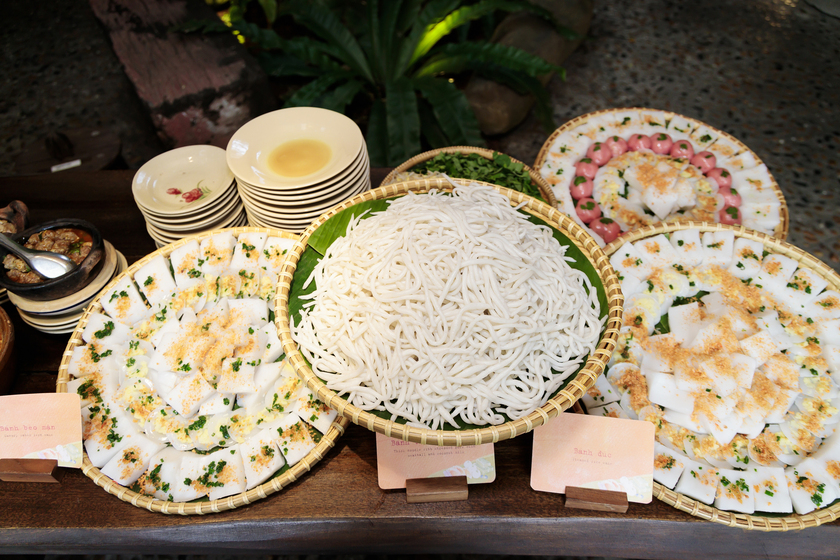
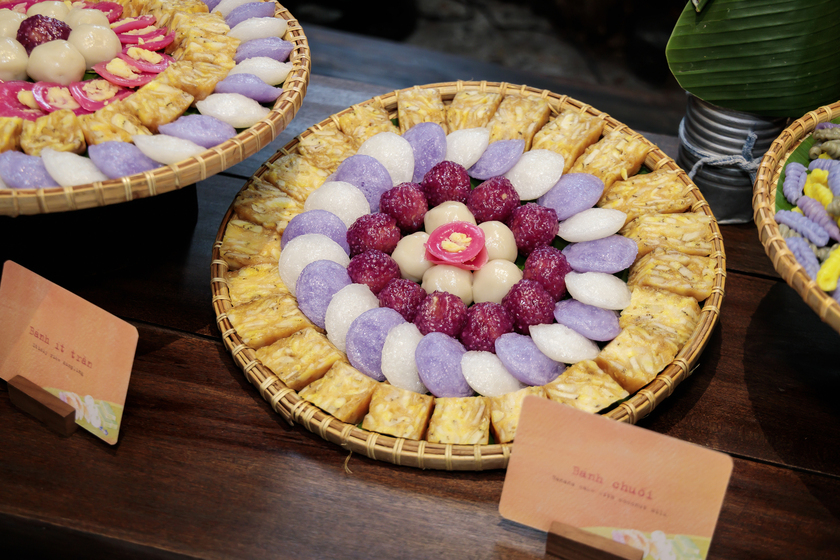
With over 300 types of cakes and pastries, along with sticky rice and sweet soups, Southern Vietnam is a "paradise of sweets and pastries".
With their abundant agricultural resources, people in the Mekong Delta not only make cakes from traditional flours like rice flour, glutinous rice flour, and tapioca flour, but also creatively combine them with ingredients from fruits and vegetables such as bananas, jackfruit, various types of potatoes, beans, sesame seeds, coconut milk, etc. The vibrant colors of the cakes are also the colors of the plants and trees in their gardens, from purple from perilla leaves, yellow from gardenia, green from pandan leaves, and spinach leaves… The molds and wrapping of the cakes also use coconut leaves, banana leaves, bamboo leaves, jackfruit leaves… to create cakes like banh it, banh tet, banh u, and banh dua… The cooking methods are also diverse, ranging from steaming, boiling, baking, frying to fermenting the dough.

Traditional Southern Vietnamese cakes are familiar to many people in the South. However, in modern life, amidst the industrial age, these traditional cakes have become increasingly rare. Finding delicious, meticulously prepared cakes with the right flavor—even in the countryside—is no longer easy.
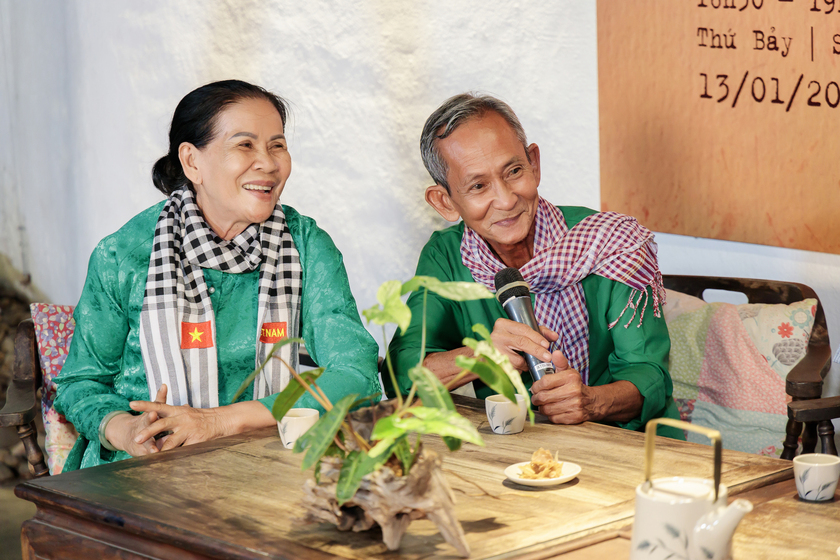
The artist couple Chín Chiều
Through encounters with artisans who have dedicated their lives to traditional Vietnamese cakes, such as Mr. and Mrs. Chin Chieu – cultural ambassadors through cuisine – Man Moi aims to revive the flavors and soul of the fragrant "Western Vietnam cakes and pastries of yesteryear," contributing a heartfelt message to nurture love for Vietnamese culture through food, a path that Man Moi has always pursued.
About Mặn Mòi Restaurant and the "Taste of Home" event series
Mặn Mòi is a culinary brand within the HumVentures service ecosystem, aiming to celebrate and highlight authentic Vietnamese cuisine, showcasing the diverse culinary culture from the three regions of North, Central, and South Vietnam. Mặn Mòi is committed to preserving the original values of Vietnamese cuisine, without altering or deviating from the original.
Like other brands within the HumVentures ecosystem, Mặn Mòi consistently celebrates local identity in every aspect: from ingredients, spices, preparation methods, presentation, and enjoyment to cultural elements in its space and services. Mặn Mòi's goal is not simply about cuisine, but also about preserving and developing Vietnamese cultural values in the modern era.
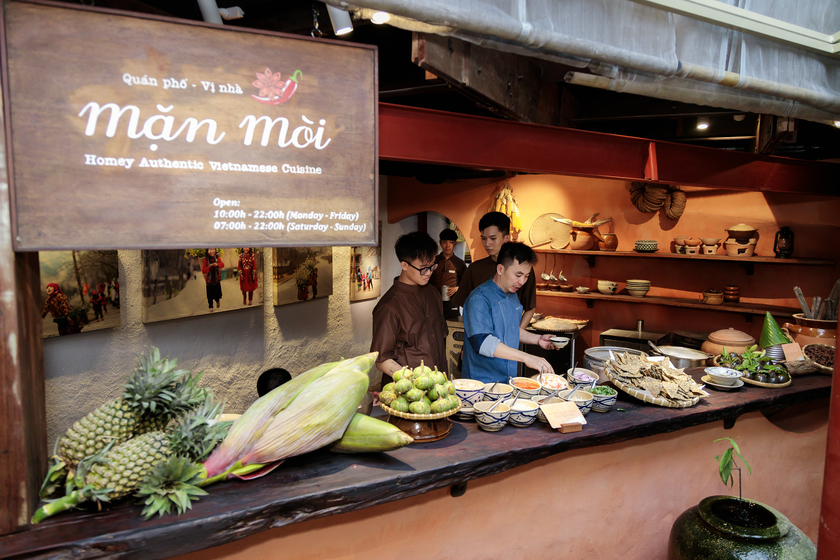
The "Taste of Home" event booth
The "Flavors of the Homeland" series of events, organized by Mặn Mòi, is a collaboration with reputable Vietnamese culinary experts, cultural researchers, and local culinary artisans. It includes cultural seminars, cooking demonstrations, and food tastings to honor and promote characteristic dishes from Vietnam's 63 diverse regions, showcasing the beauty of local culture through distinctive regional cuisines.