VI
VI


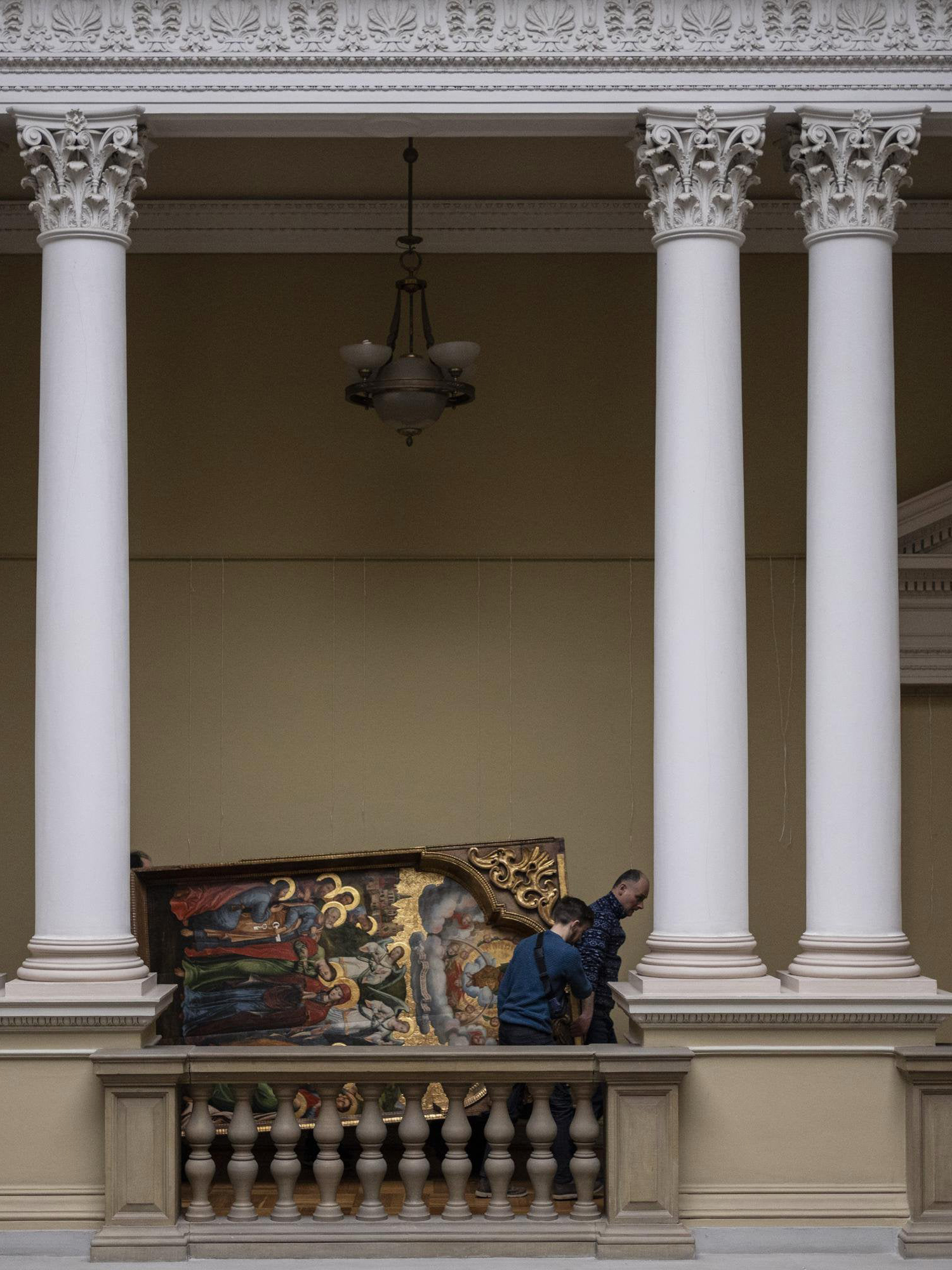
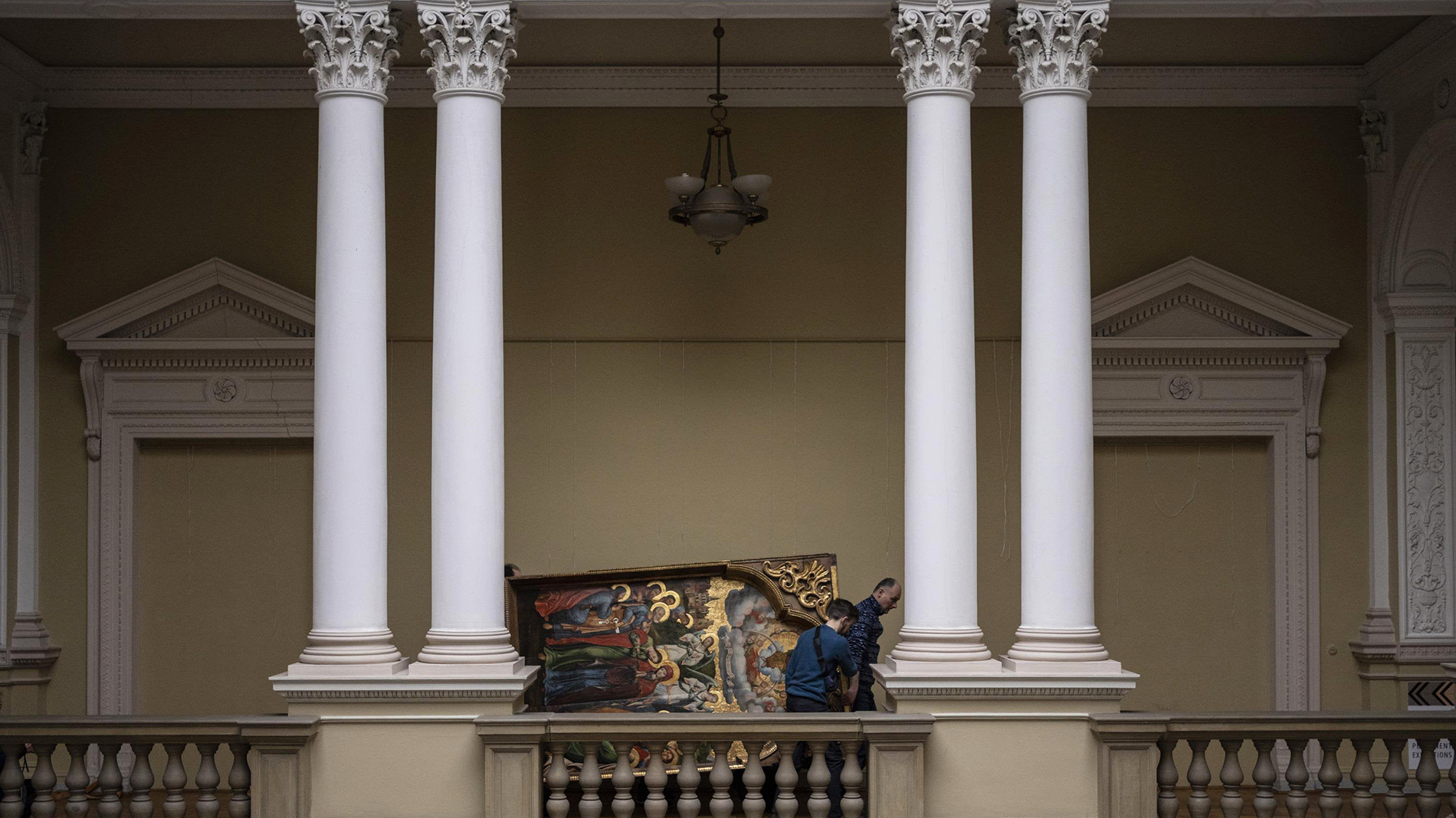
Ihor Kozhan paced anxiously down the corridor, supervising the staff who were busy packing up the artifacts.
Ihor Kozhan is the director of Ukraine's largest art museum – the Andrey Sheptytsky National Museum – but now, this very position is causing him anxiety. The museum's doors have been closed since...the war between Russia and UkraineIt began on February 24th, and heritage sites across the country are facing danger – as long as the fighting continues.
“There were times when we were on the verge of tears, because so much effort had been put in here. Time. Energy. Now all that remains are empty walls, it’s so bitter and sad. We couldn’t believe this was actually happening until the very last minute,” said Mr. Kozhan.
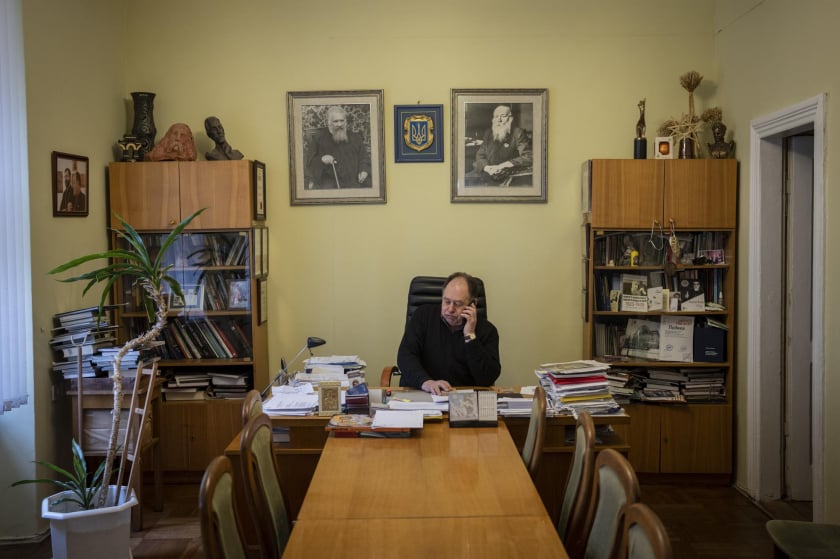
Ihor Kozhan sits in his office at the Andrey Sheptytsky Museum.
The cultural cradle of Western Ukraine
Going back 117 years to 1905, this place was first established as the "Church Museum," a private institution of the Metropolitan Bishop of the Greek Catholic Church in Ukraine, Andrey Sheptytsky. Soon after, due to the rapid growth and expansion of its collections, the museum was renamed the "National Museum in Lviv" in 1911.
At the end of 1913, the National Museum in Lviv was inaugurated, with the Bishop solemnly declaring its donation to the people of Ukraine. Over the years, the museum developed into a renowned scientific and artistic institution in Europe.

In December 2005, to commemorate its 100th anniversary, the museum was renamed after its founder, becoming the Andrey Sheptytsky National Museum in Lviv.
Since its founding in 1905, the Museum has always been a center of Ukrainian cultural and intellectual activities, playing a leading role in the community life of the people in the western part of the country. Gradually, it also became a destination for renowned cultural figures, historians, politicians, and scientists.
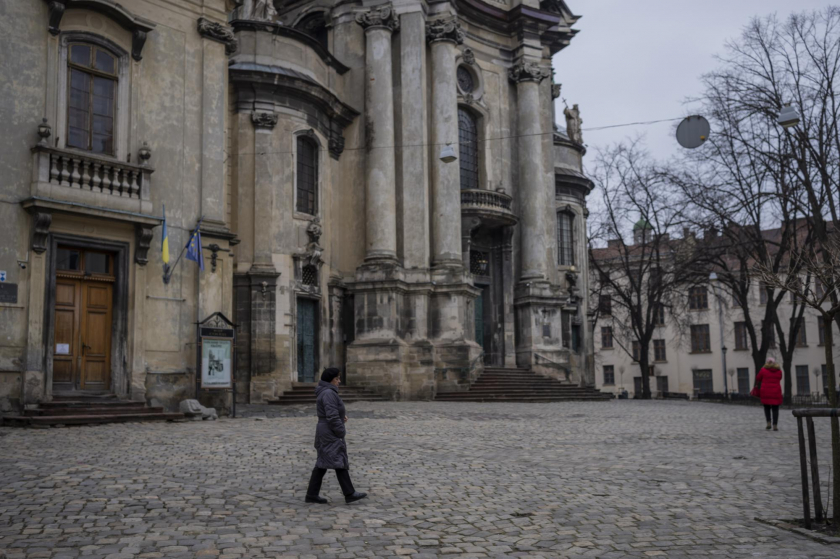
Passing by the Andrey Sheptytsky National Museum.
Behind the doors of the Andrey Sheptytsky National Museum lies a treasure trove. This is one of the most outstanding national cultural and artistic repositories in Ukraine and the world, housing over 170,000 artifacts symbolizing the significant achievements of Ukrainian culture. Among the priceless legacies housed here is the Ukrainian Church art collection from the 14th to the 18th centuries, comprising over 4,000 artifacts. The museum also preserves oil paintings by renowned Ukrainian artists such as Taras Shevchenko, Kornylo Ustyianovych, and Teofil Kopystynsky.
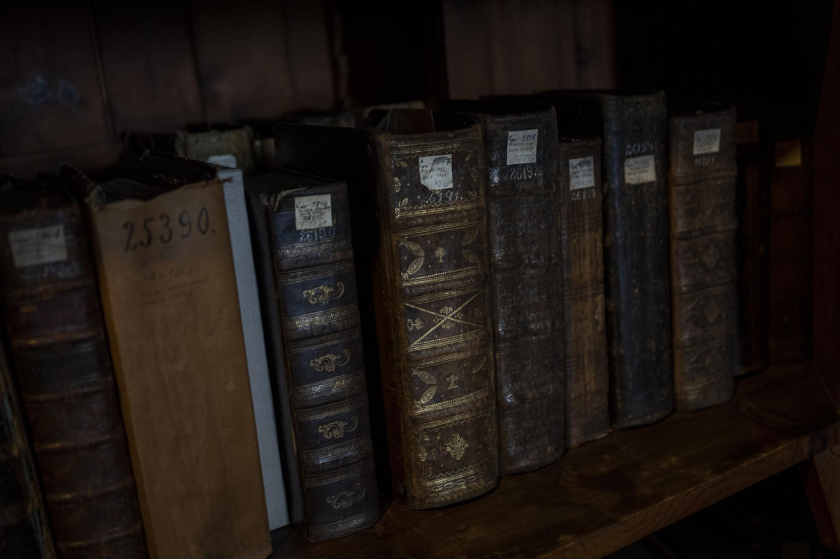
Ancient books at the Andrey Sheptytsky Museum
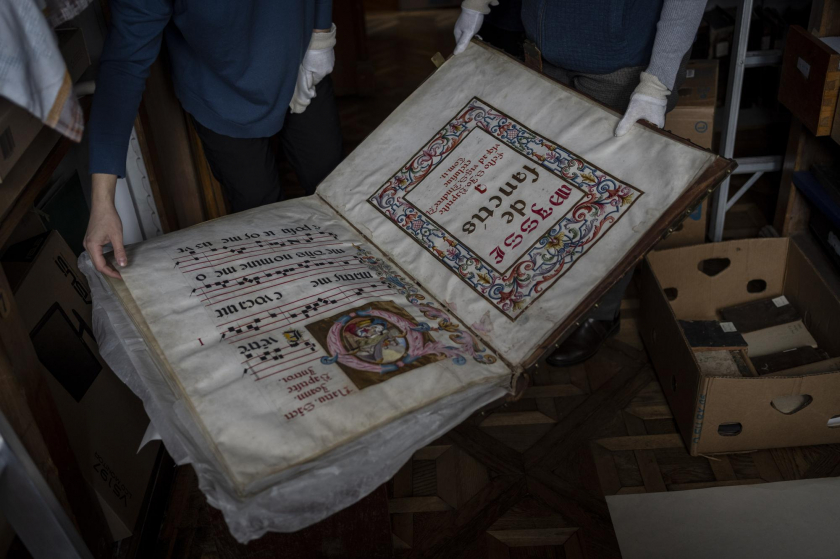
This rare manuscript dates from the 12th to the 14th centuries.
The number of visitors to the Andrey Sheptytsky National Museum is steadily increasing. Each year, it welcomes approximately 140,000 visitors from all over the world. The museum also hosts more than 100 regional, national, and international exhibitions annually, attracting countless cultural figures, historians, and linguists from around the globe.
Ukraine's biggest heritage "rescue" effort.
In late February 2022, hostilities with Russia broke out and dragged on, putting heritage sites across Ukraine at risk of destruction by bombs and shelling. Particularly for the Andrey Sheptytsky National Museum – the largest museum in the country – authorities dared not take risks and had to race against time to save tens of thousands of priceless artifacts.
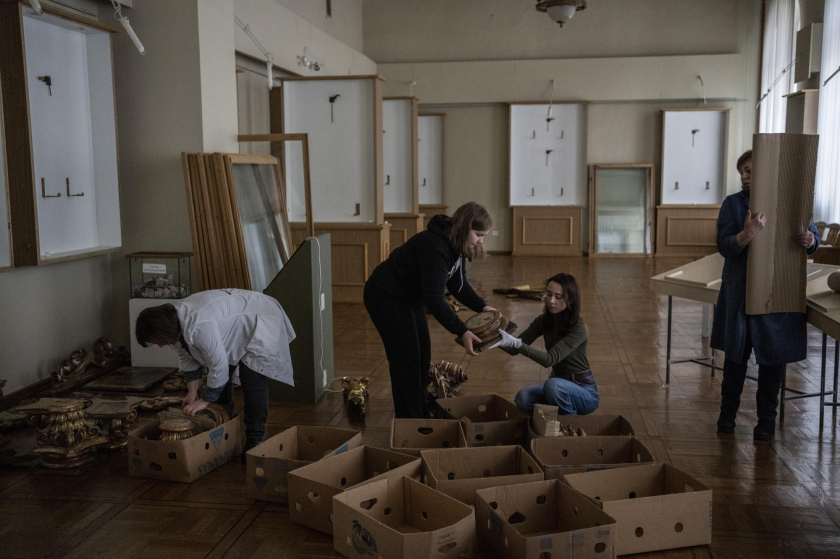
Staff and volunteers are packing Baroque artworks into cardboard boxes in preparation for relocation.
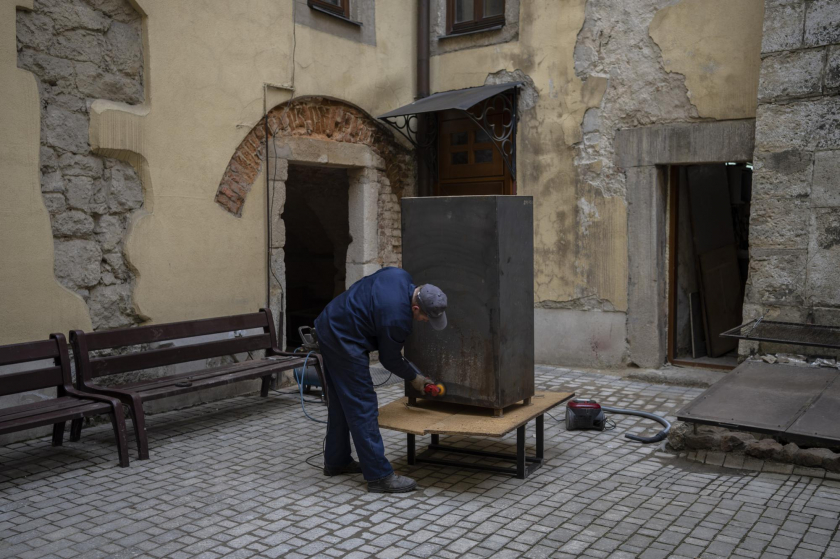
Workers are constructing metal boxes to house artifacts for the Andrey Sheptytsky Museum.
Smaller artifacts are carefully packed into cardboard boxes, larger paintings are stored in sealed rooms, and large murals are simply covered with cloth.
Ihor Kozhan said: "The artworks will be stored in a bomb shelter beneath the museum. We are doing our best to preserve the nation's heritage."
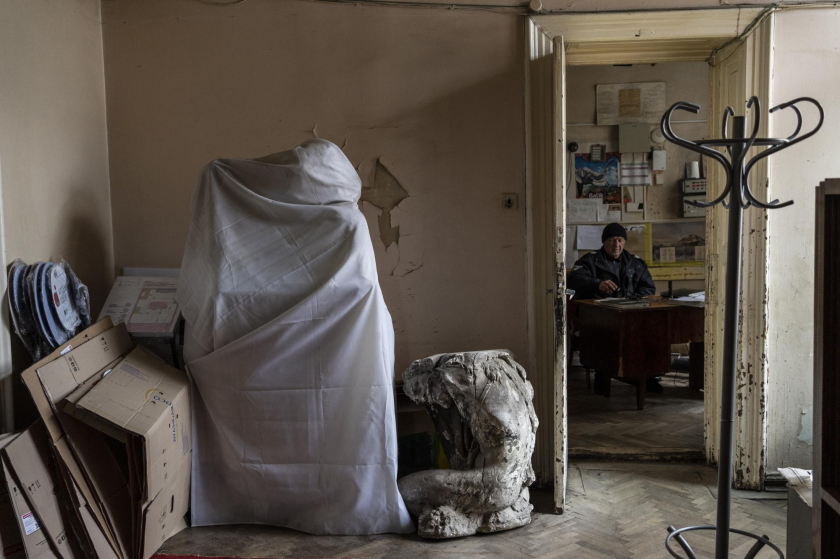
Canvas covers the sculptures at the Andrey Sheptytsky Museum.
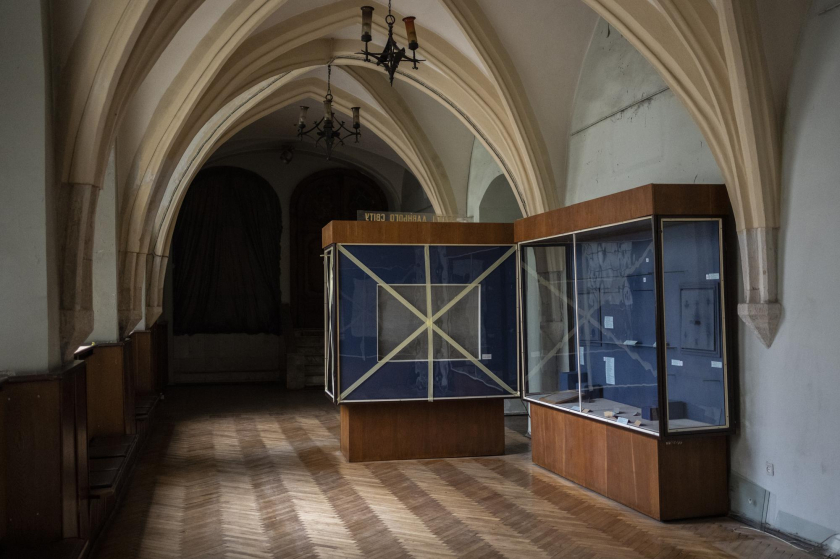
The cupboards in the hallway were empty.
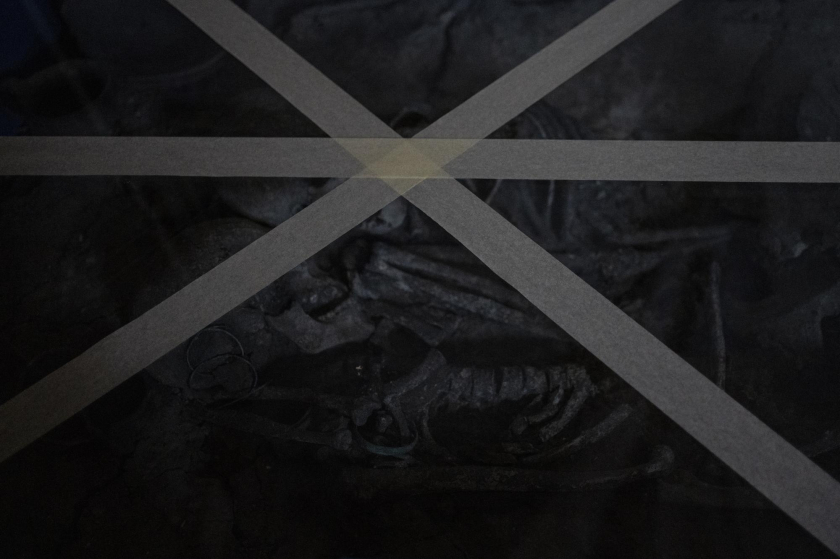
The glass doors of the display case containing artifacts from the Vysotska culture are now secured with adhesive tape.
Over 12,000 works have been packed and stored in what is believed to be a safe place. However, with the conflict between the two countries showing no signs of ending, no one can predict what will happen. Anna Naurobska, the museum's curator of rare books and manuscripts, says that she is still unsure of the fate of these 12,000 items.
"For us, everything here is very important. This is our story, this is our life."
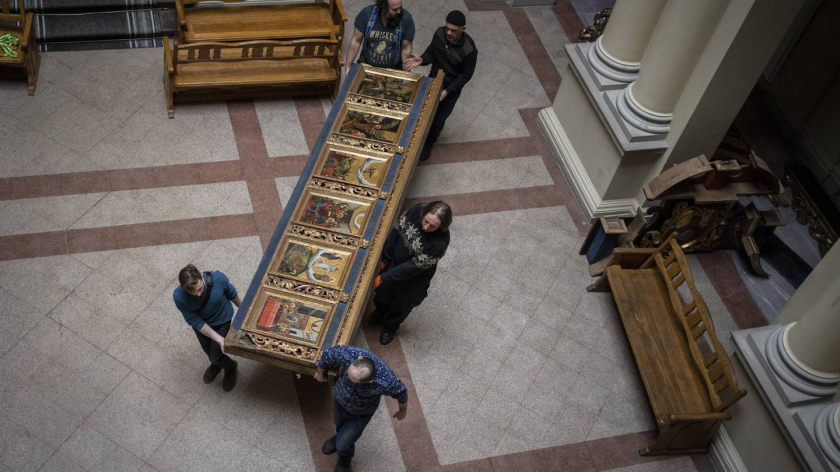
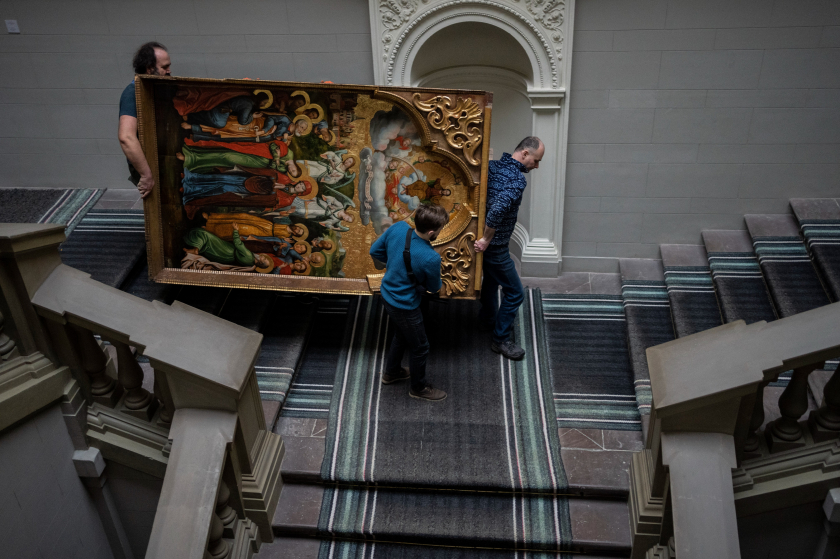
The artwork Bohorodchany Iconostasis - The Annunciation to the Virgin Mary is being moved by staff.
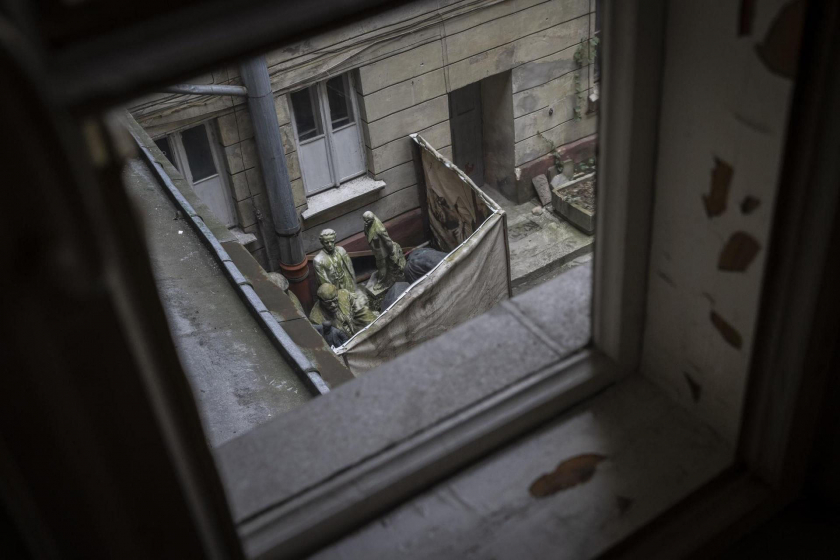
Sculptures by Lenin are displayed in the courtyard of the Andrey Sheptytsky National Museum in Lviv, western Ukraine, on March 4, 2022.