VI
VI


THE SILVER GLASS LAKE IS AS EXQUISITE AS IN LEGEND.
Departing from Ho Chi Minh City, we arrived in Mudanjiang, home to Lake Jingbo, a natural masterpiece in northeastern China. This is the largest mountain lake in China, located upstream of the Mudan River in the Huanda Mountains of Heilongjiang Province. Lake Jingbo covers an area of approximately 95 square kilometers, stretching 45 kilometers from north to south and with a maximum width of 6 kilometers from east to west. The lake reaches a depth of 65 meters in the northern part and is almost completely frozen in winter, with temperatures sometimes dropping to -25 to -30°C. The lake was formed 10,000 years ago when volcanic eruptions in the area blocked the flow of the Mudan River. The northern part of the river flows down the 40-meter-high Diaoshuilou Waterfall, forming the lake. Lake Jingbo is famous for its rugged limestone cliffs, similar to the scenic Guilin, and its turquoise waters are home to over 40 species of freshwater fish and coral.
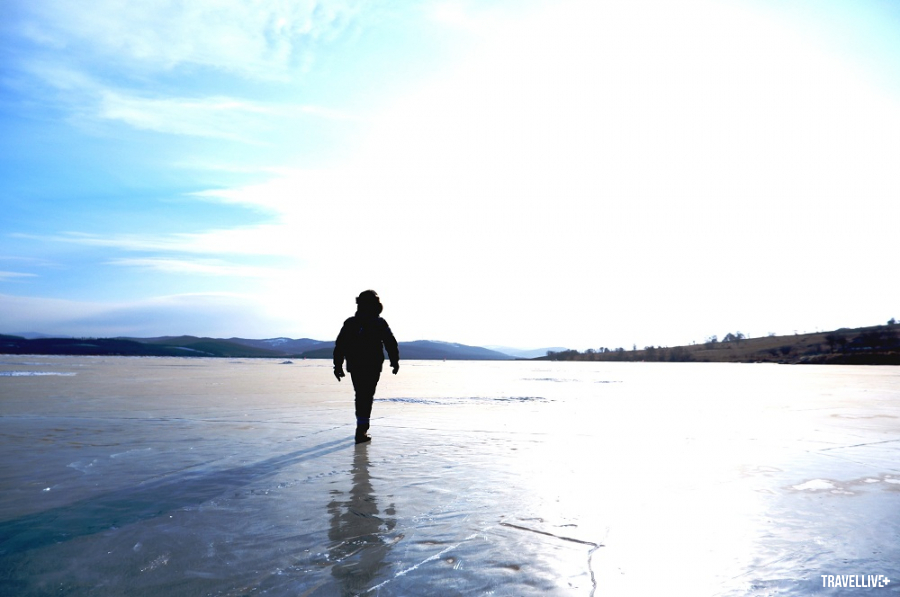
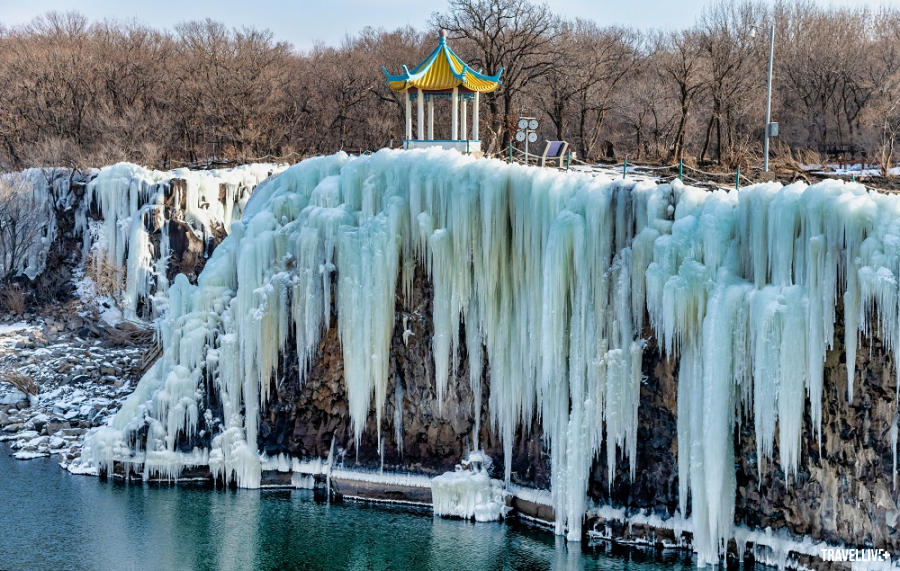
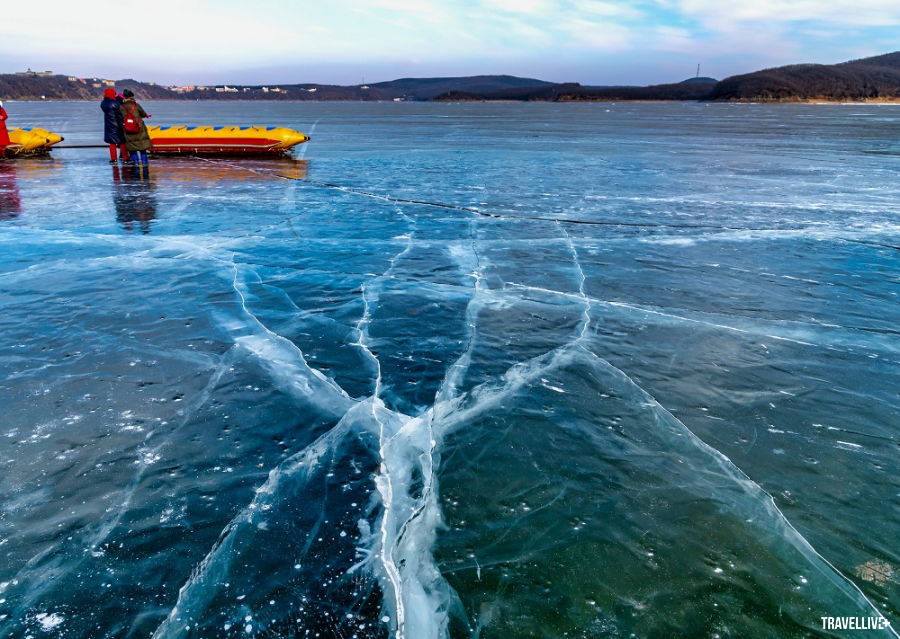
It took us about three hours to travel by car from Mudanjiang train station to Jingbo Lake. At this time, Heilongjiang was in the middle of winter, with howling winds as we passed through the high mountains, causing the snowflakes clinging to the bare branches of the trees to be dislodged. From afar, we could see Jingbo Lake like a giant mirror, sparkling like gold dust as we got closer, reflecting the sunlight. The car stopped at the station, and the driver reminded us to prepare warm clothing before leaving. Today, we had the opportunity to experience the lake by riding on tracked tractors pulling dozens of inflatable rafts for tourists to sit on. First, we had to maintain balance while moving on the ice to reach the trailers. We were advised to sit facing the opposite direction of travel to avoid the cold wind from freezing our bodies and causing frostbite. The temperature was reported as -27°C. My fingertips felt numb, devoid of feeling, and my nose was red like a clown's freshly made-up face from a circus. The bus started moving, meaning the biting cold intensified, but the tourists remained cheerful and excited. The bus weaved past markers planted in the ice, sometimes kicking up a shower of white snow in the faces of the passengers. Nature is truly harsh, but the people here still have to work. Some serve the small number of tourists in winter, while others continue their fishing work in the freezing weather, sometimes lasting until April of the following year.
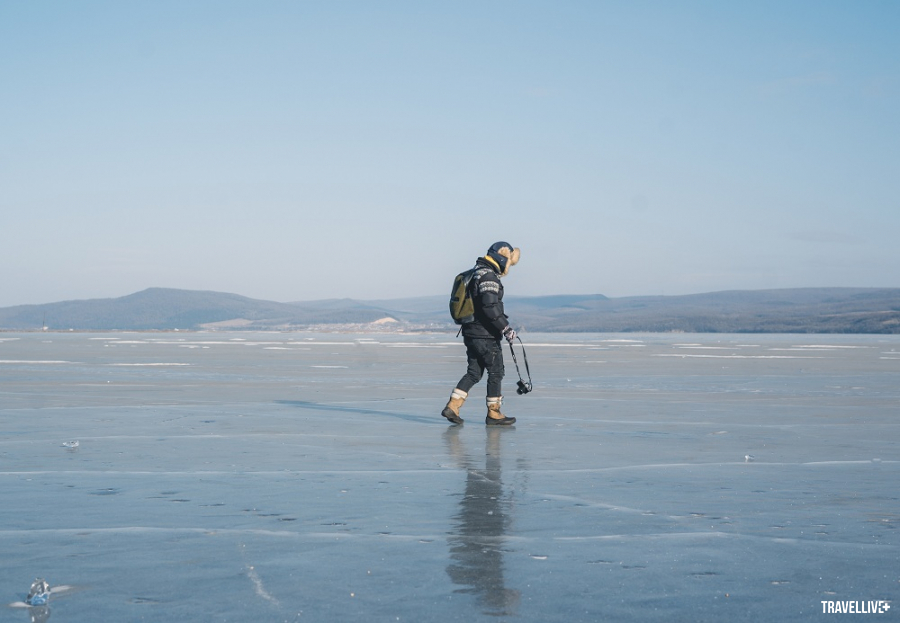
Lake Kinh Bac freezes completely in winter.
We moved to the middle of the lake and heard one of the local folk tales about Silver Mirror Lake. Long ago, there lived a widowed fisherman with his daughter, Jin Jing. As she grew older, she became increasingly beautiful, with large eyes and a face as bright as a golden mirror, and she was renowned throughout the region for her embroidery skills and fishing abilities. All the young men in the village longed to marry her. Nearby, three sea monsters appeared, often creating fierce waves that sank the fishermen's boats. The lives of the people around the lake became increasingly miserable and dark. The old man then announced that he was looking for three young men from the village to join him and his daughter in killing the sea monsters with their swords. Whichever young man could defeat them would be given his beloved daughter, Jin Jing, in marriage. However, in the decisive battle, the three young men revealed their cowardly nature, and it was the girl herself who took up her sword and plunged into the raging waters to personally slay the ferocious creatures. At the end of the battle, Jin Jing grew weary and gradually sank to the bottom of the lake with the final, powerful waves. From then on, the lake's surface shimmered like a mirror, reflecting the girl's face. The people said that she had transformed into the lake. In her memory, the villagers named the lake Silver Mirror Lake after her. Later, the area around Silver Mirror Lake became peaceful and prosperous year-round. They harvested a lot of fish and believed that the beautiful and virtuous Jin Jing had blessed them for thousands of years.
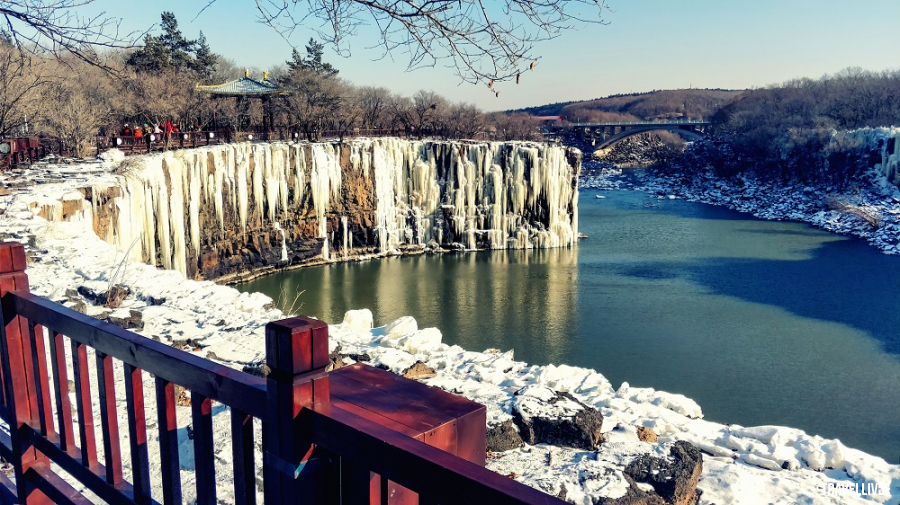
A section of Silver Mirror Lake
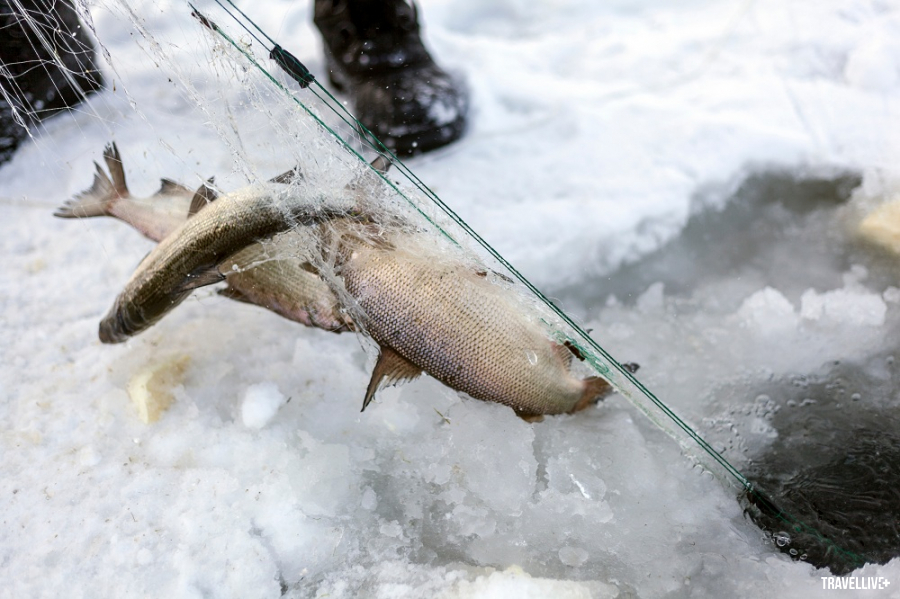
The car stopped so we could observe a fishing family pulling their nets on the lake. To catch fish in winter, fishermen usually dig two large holes, about 0.5 meters in diameter and 100-150 meters apart, in the thick ice. Beneath the ice, they secure a thin net at both ends. The fish then get caught in the net, and every morning, they simply pull it up, sometimes harvesting dozens of large fish of various sizes. This is their main food source, especially in winter. The locals told us that when visiting Kinh Bac Lake, you must try the red-tailed fish, with its pure white flesh, steamed with local spices, creating a famous dish perfect for cold days. Since ancient times, fish from Kinh Bac Lake have been considered a premium food offered to emperors. Of course, afterwards, we enjoyed a hearty meal of several fish dishes prepared by the restaurant using the catch from the fishermen's nets we had just caught. Indeed, Lake Kính Bạc not only provides food during the summer but also during the harsh winters when everything seems to stand still and life ceases to exist.

FAIRY TALE SNOW VILLAGE
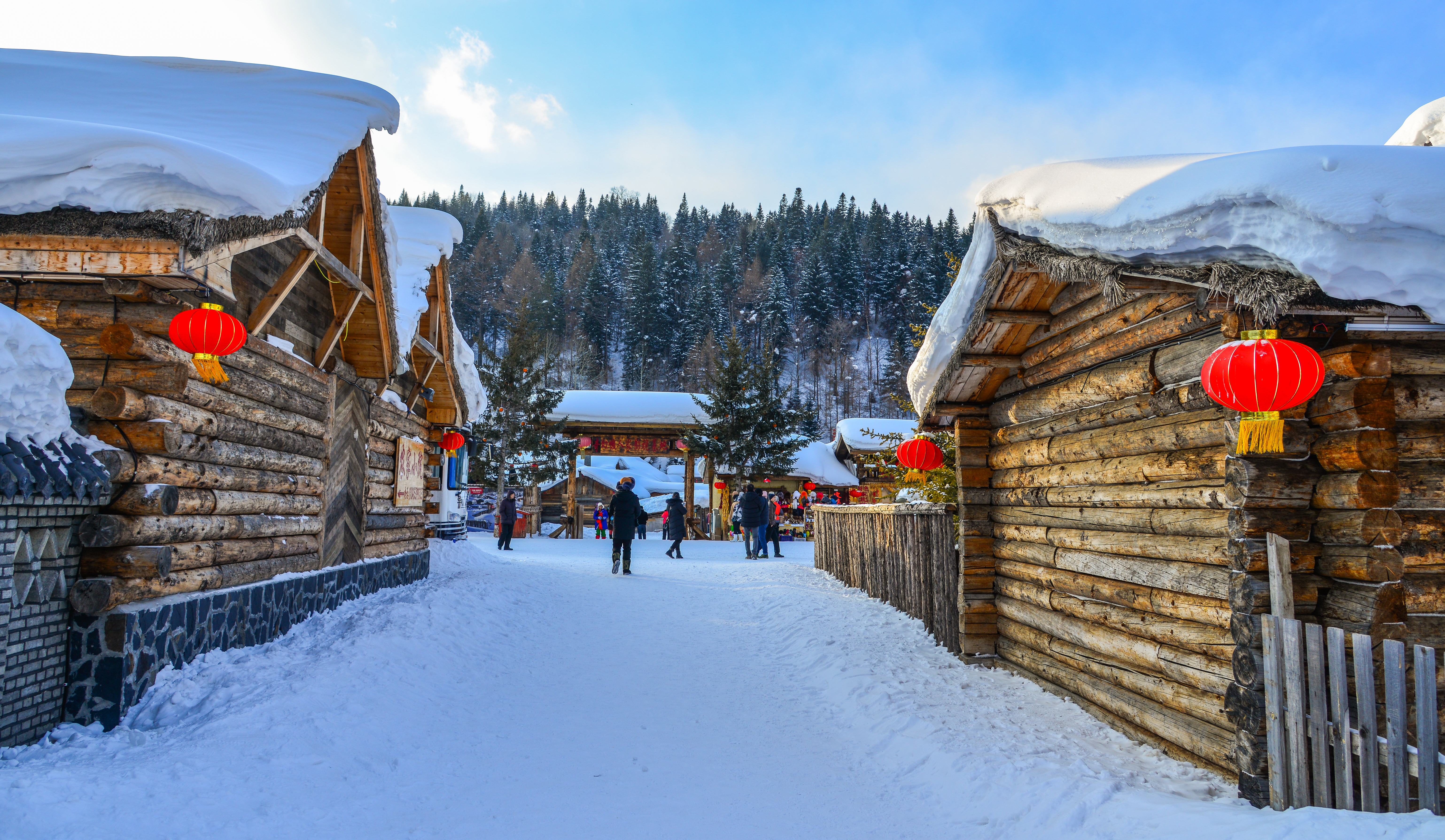
The Snow Village is located in Mudanjiang City, about 280 km southeast of Harbin. Situated at an altitude of 1,200 meters above sea level, the area is influenced by two cold air currents from Siberia and Japan. Surrounded by mountains, it experiences heavy snowfall lasting from October to May of the following year, with an average snow depth of up to 2 meters. The snow here is particularly soft and highly cohesive, allowing visitors to admire "snow curtains" hanging from rooftops and extending almost to the ground, or threads of ice hanging from tree branches.
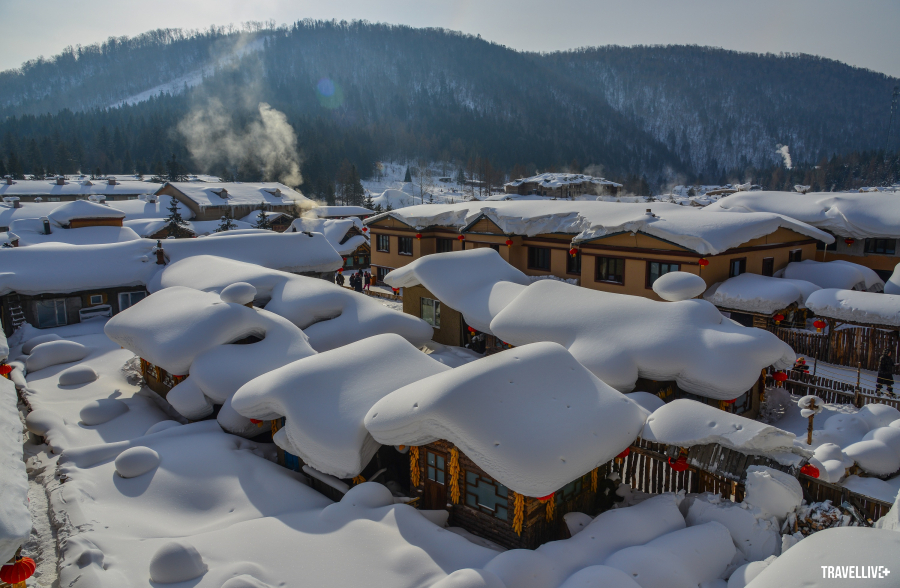
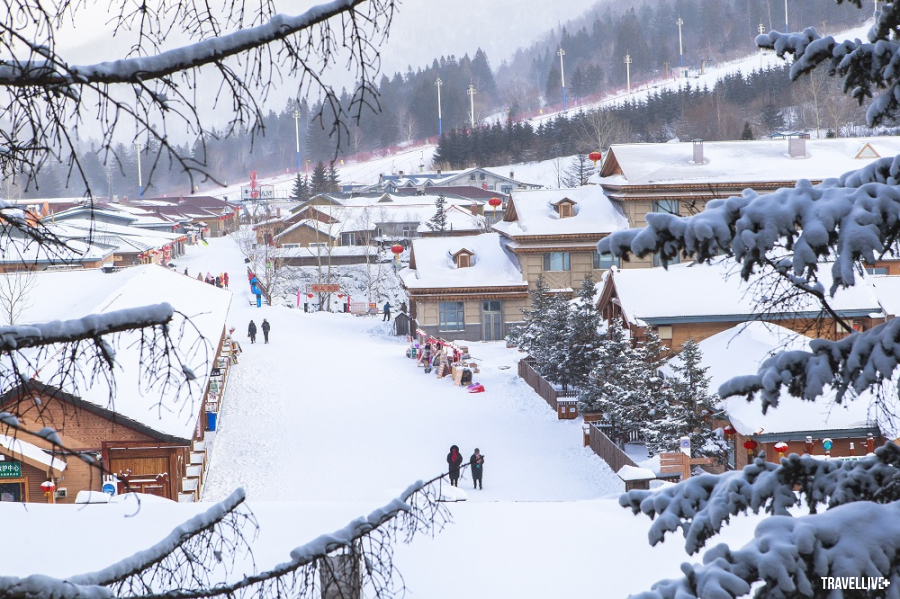
The Snow Village has a total of three entrances, each leading in a different direction: Mudanjiang, Wuchang, and Yabuli. Visitors can choose the entrance depending on their starting point. If you depart from Harbin by bus, it takes about 6 hours to reach the Snow Village; or you can take a train from Harbin to Mudanjiang, which takes 2 to 6 hours – depending on whether it's a high-speed or regular train – and then take a bus to the Snow Village, which takes about another 3 hours. Alternatively, you can also take a bus from Changchun or Jilin to the Snow Village, which takes about 8 hours. Of course, our itinerary started from Mudanjiang.
We used a common two-day entry ticket to the snow village, which was checked using facial recognition at each entry and exit. This helps control the number of visitors and ensures their safety while experiencing the snow village area. I had to remove my fur hat and goggles for the machine to recognize me more easily after a few malfunctions due to facial recognition issues. Booking accommodation in the snow village was also a necessary step, especially during peak season. We had to book our rooms two months in advance because the demand for accommodation in the snow village was increasing. Many domestic tour groups had to stay outside the village because they didn't book in advance or there weren't enough rooms for their large groups. The rooms were quite comfortable with clean blankets and pillows, and the heating system worked very well, with hot and cold water readily available. If we requested, the owners could prepare and serve local specialties.
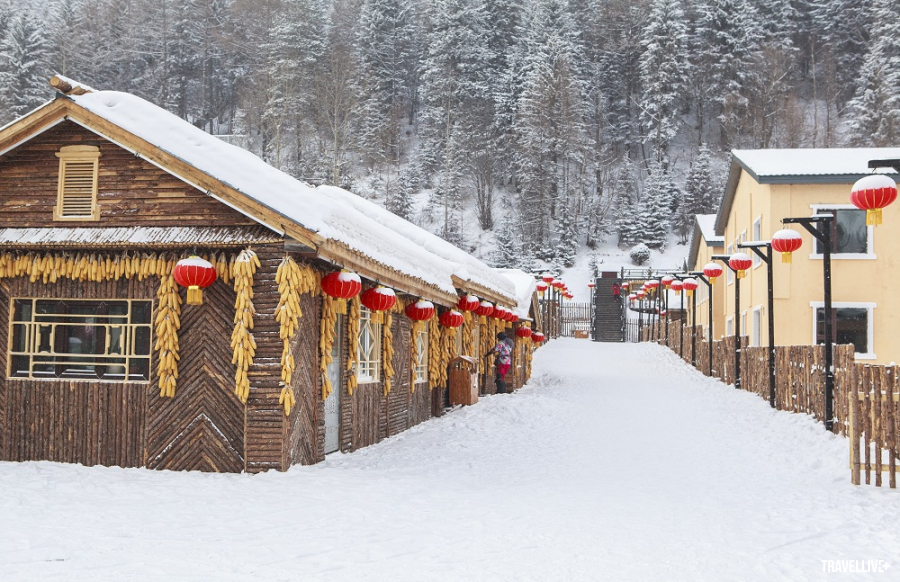
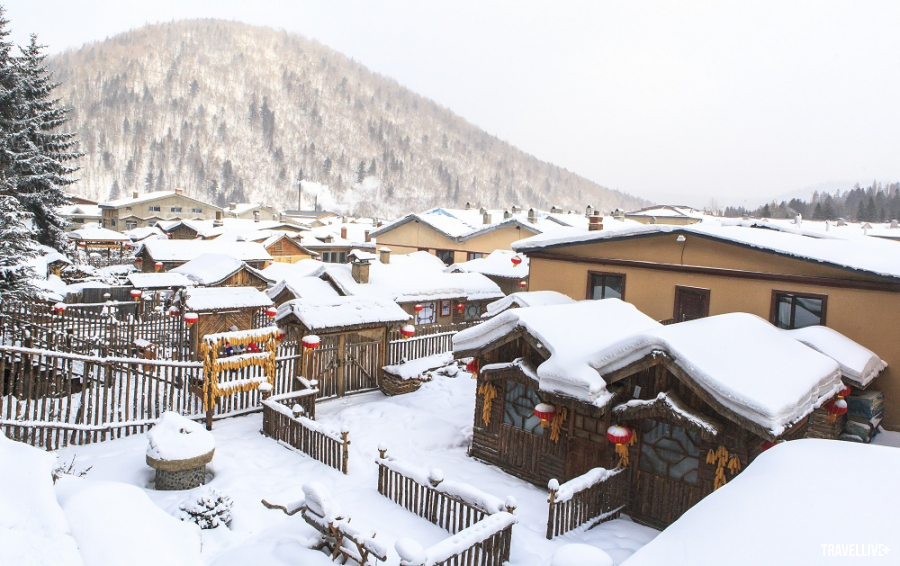
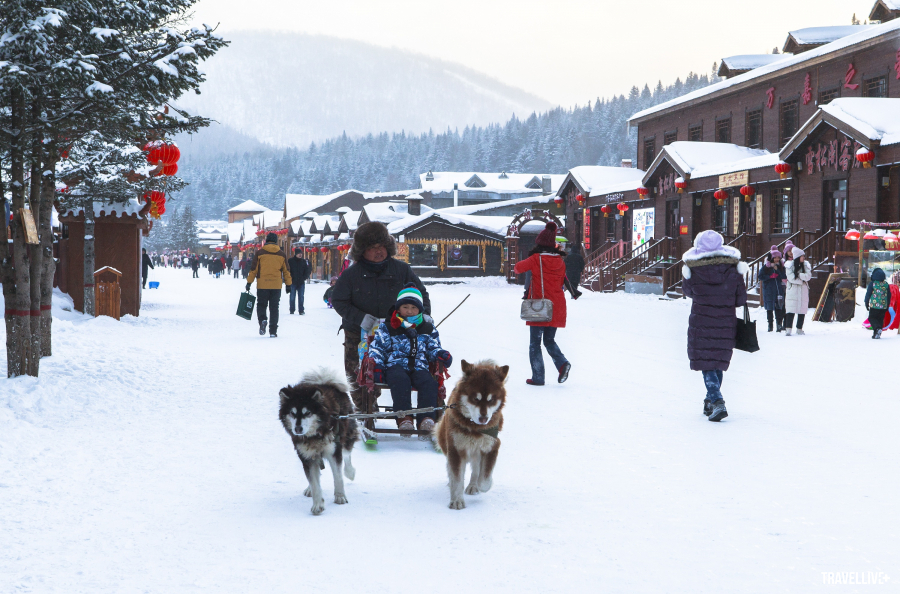
The current snow village is quite well-planned, with a main road surrounded by smaller paths with clear signposts. Along the roads are souvenir shops or food stalls, fragrant cafes and tea houses open late into the night, and dog sleds waiting for visitors to experience the winter season. After checking in and preparing warm clothing, we followed the paths leading up the mountain slopes to capture the panoramic view of the snow village at night. The colorful lanterns transformed the snow village into a magical, fairytale world. In front of the snow-covered wooden houses, homeowners often hang strings of golden corn, their summer harvest. They use some of the corn to feed their livestock and to decorate their homes, adding warmth and vibrancy to the otherwise pristine white landscape of winter. If visitors want to get closer to the giant snow mushrooms, they can spend a few hundred yuan to buy tickets to enter the private tourist area inside the snow village, where they can take photos freely and watch the traditional "Two People Turning" theatrical performance from Northeast China. As night falls, the snow village begins its festive season with lion dances, fireworks, hot water splashing to create a unique freezing effect, campfire gatherings with locals; or wait to see reindeer, horses, goats, and sheep parade along the main road to welcome visitors and herald a prosperous and joyful winter for the people here.
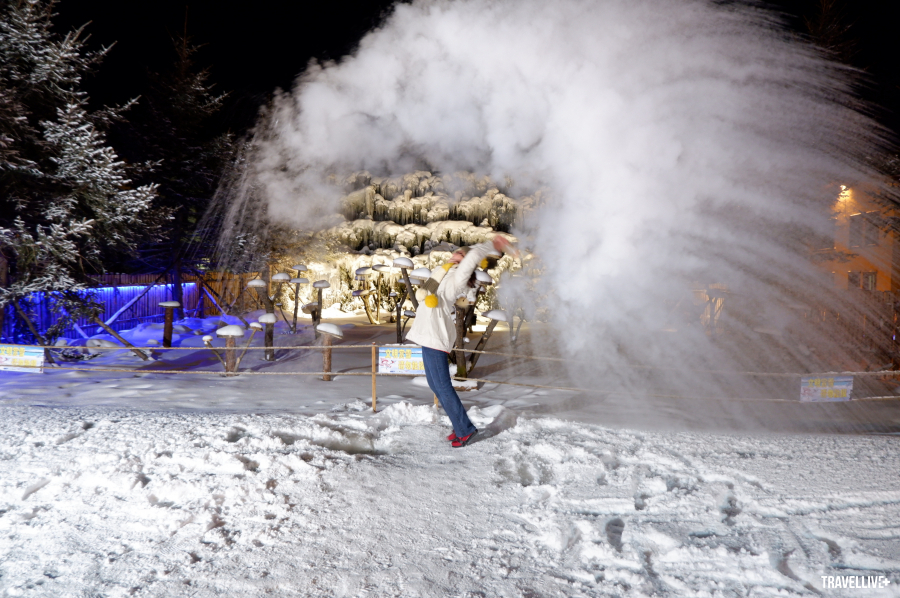
The boiling water splashing game
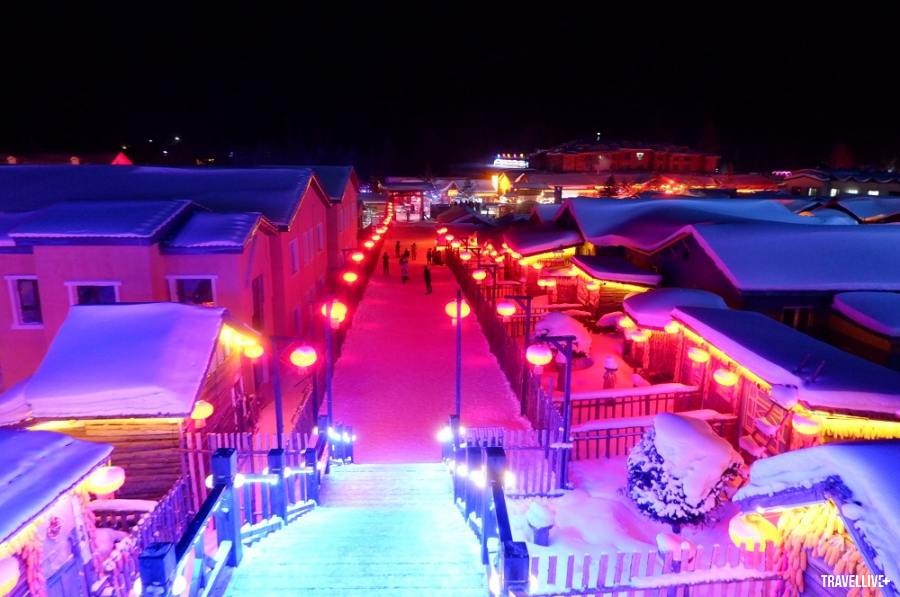
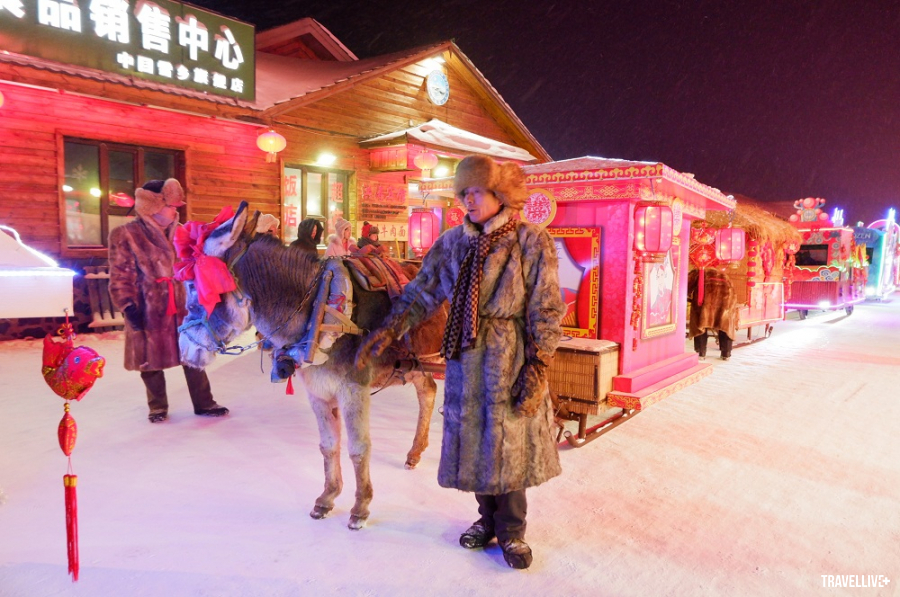
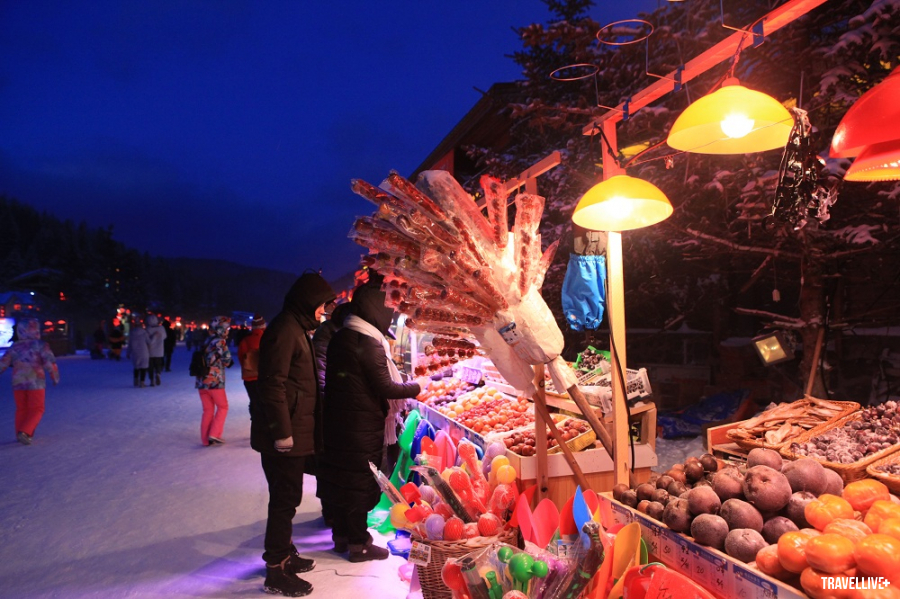
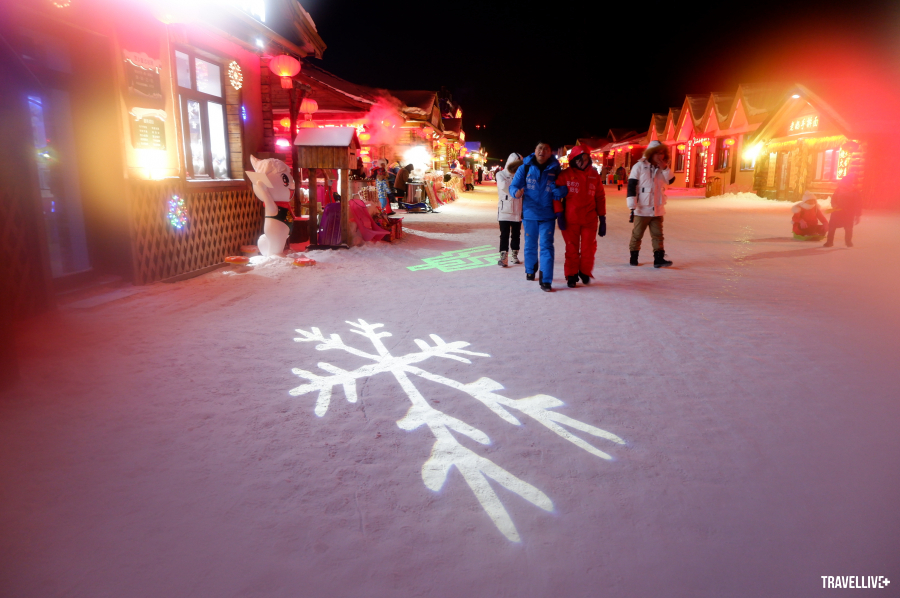
As night fell, the temperature dropped, but that didn't discourage us. The snow village became even more enchanting under the clear, star-filled sky. The bars and shops started to bustle with activity. A group of young Chinese people were savoring hot roasted sweet potatoes and boiled corn, while some children devoured naturally frozen ice cream cones or sweet, sugar-coated candied hawthorn berries. We found a small eatery to warm ourselves and ordered a bottle of Harbin beer along with a skewer of spicy grilled meat. The atmosphere of the snow village felt like something out of a fairy tale, for both adults and children.
ADDITIONAL INFORMATION
- Visa:If your permanent residence is in Da Nang or further north, submit your visa application directly to the Chinese Embassy in Hanoi; if your permanent residence is in Quang Nam or further south, submit it to the Chinese Consulate General in Ho Chi Minh City; or use a Chinese visa application service for greater convenience.
- Trip:Many airlines operate daily flights from Ho Chi Minh City/Hanoi to Beijing. From Beijing, there are also daily domestic flights to Harbin, or you can choose to travel by train to Harbin or Mudanjiang.
- Weather:Winter temperatures in Heilongjiang Province are very low, with biting cold and frequent snowfall. Average temperatures range from -15 to -25 degrees Celsius, sometimes dropping as low as below -30 degrees at night.
- Accommodation:You can use several online booking websites to reserve accommodations in Mudanjiang, Wusong, and Harbin. Wusong is a small town, so most guesthouses only offer basic services for tourists who want to see the snowdrop phenomenon that only appears in winter. For Snow Village, you should book your accommodation early, at least 3 months before your trip, on Chinese websites.
- Cuisine:Lamb and beef, especially Tibetan yak, are popular foods among the locals, often prepared dried or smoked to create a delicious and aromatic dish. Don't forget to try a glass of ice cream in the snow village, savor the local fish specialties in the Silver Lake area, and enjoy the spicy mushroom hot pot in Harbin.
- Note:
- You should prepare altitude sickness medication, thermal clothing, a leather or down jacket, gloves, socks, and heat patches.
- Due to the relatively low temperature, most electronic devices drain their batteries very quickly. You should prepare by fully charging your devices, bringing a power bank, and keeping them warm.
- Some activities you shouldn't miss:
- Fishing with the locals on Kinh Bac Lake
- Watching the sunrise over the mountains in the snow village.
- Taking photos of hot water freezing over.
- Dog sled ride
- Admiring the dewdrop flowers in Vu Tung
- See the ice sculpture exhibition in Harbin…
- Estimated cost:25 million VND per person, for groups of 8 or more.