VI
VI


Hoang Nam is a name familiar to the Vietnamese online community, especially those who enjoy exploring mysterious and spooky things. With his YouTube channel "Challenge Me" boasting over 4 million subscribers, Hoang Nam rose to fame with videos exploring mysterious and eerie locations, attracting millions of views.
However, Hoang Nam didn't stop at just being a YouTuber. He made an impressive transition, venturing into the film industry as a director. "The Ghost Lamp" is his debut work, a spiritual film deeply rooted in Vietnamese culture, inspired by the famous story "The Tale of Nam Xuong Woman" from the treasure trove of Vietnamese folklore.
Inspired by literary works
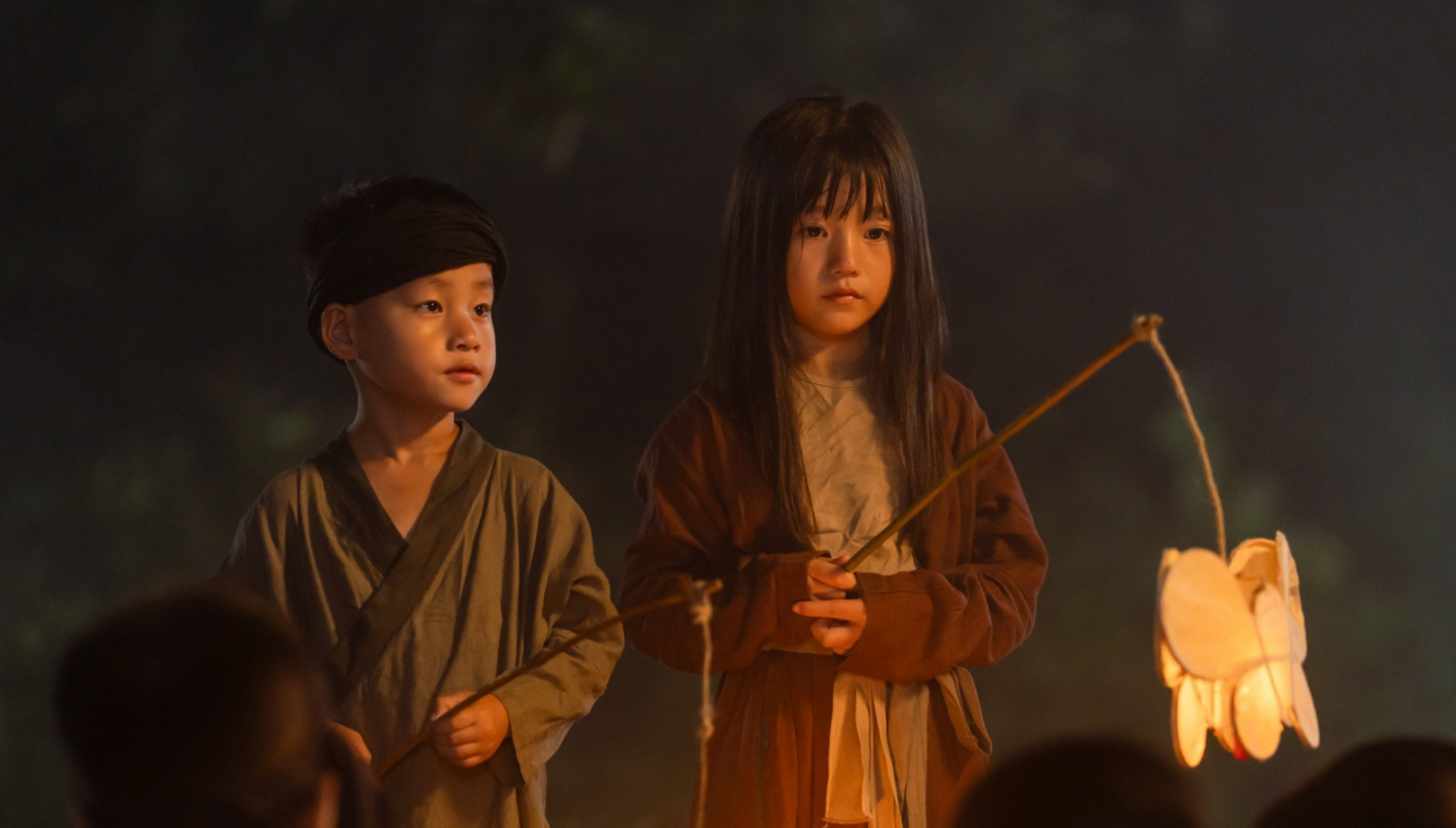
"The Ghost Lamp" is a film that introduces dramatic yet mysterious stories surrounding the ghost lamp – a link between the underworld and the mortal world. Director Hoang Nam has been working on this film for three years, inspired by "The Story of the Girl from Nam Xuong," recreating the image of Vu Nuong with a rather fresh approach. The diverse cast from both the North and South of Vietnam creates a sense of authenticity and intimacy in every scene.
The filming location in Cao Bang created a distinctly Vietnamese folk atmosphere, along with a chilly, mysterious ambiance, leading viewers from one surprise to another.
The story of the Ghost Lamp takes place in a Northern Vietnamese village during wartime. The young men of the village have enlisted in the army, including Dinh, the husband of Thuong. From then on, the young woman has to single-handedly care for her mother-in-law, look after her young child, and grow vegetables to feed the whole family. The family is poor, but they have enough to eat.

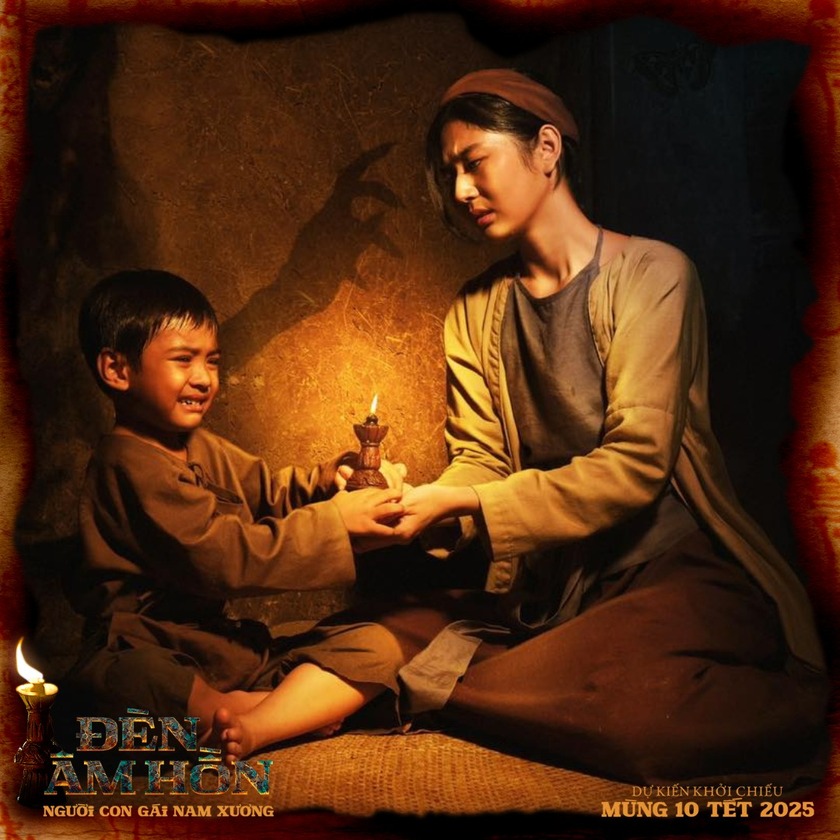
Inspired by the folk tale "The Story of the Girl from Nam Xuong," "The Ghost Lamp" is a spiritual film, scheduled to be released on the 10th day of the Lunar New Year of the Year of the Snake (February 7, 2025).
When her mother-in-law passed away, Linh's son was about four or five years old and beginning to understand his father's absence. Not wanting her son to feel lonely, Thuong often played ball games with him, telling him that the shadow on the wall was his father. Life for the mother and son went on peacefully like that. Thuong still waited anxiously for her husband.
One day, Linh found a strange lamp at his grandmother's funeral. Having his own lamp, the boy lit it every night hoping to see his father. At first, Thuong thought it was just her son missing his father, but then she realized the strange things happening around him.
At the same time, the village was being harassed by a supernatural force. The cases of spirit possession attracted the attention of Ms. Lieu and her younger brother Huong, who practiced as shamans. Such strange coincidences were impossible. Lieu realized that the boy had inadvertently brought an evil spirit into the mortal world, allowing it to torment the living.
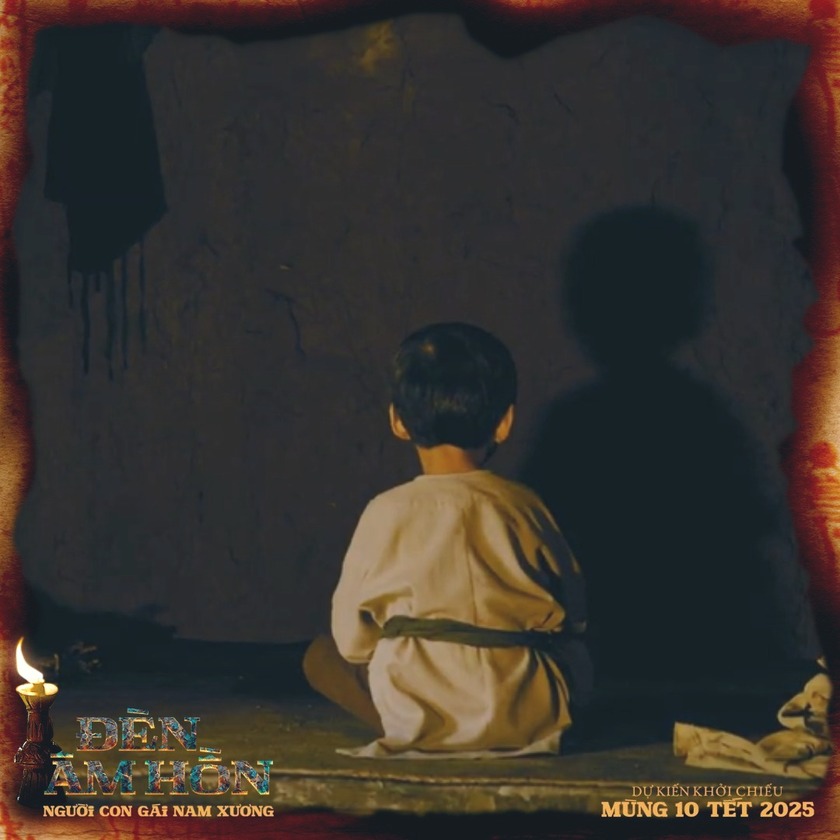
By skillfully combining traditional spiritual elements with advanced filmmaking techniques, director Hoang Nam and his production team hope to bring a fresh perspective to the Vietnamese spiritual film genre.
"The Ghost Lamp" possesses an incredibly rich and abundant source of material, creating fertile ground for the creativity of filmmakers. Originally based on "The Tale of the Woman of Nanchang," a famous literary work with strong supernatural elements, "The Ghost Lamp" has enormous potential to develop into a terrifying horror film, while simultaneously touching the hearts of viewers with a moving love story between Thuong and Dinh – two characters modeled after Vu Nuong and Truong Sinh.
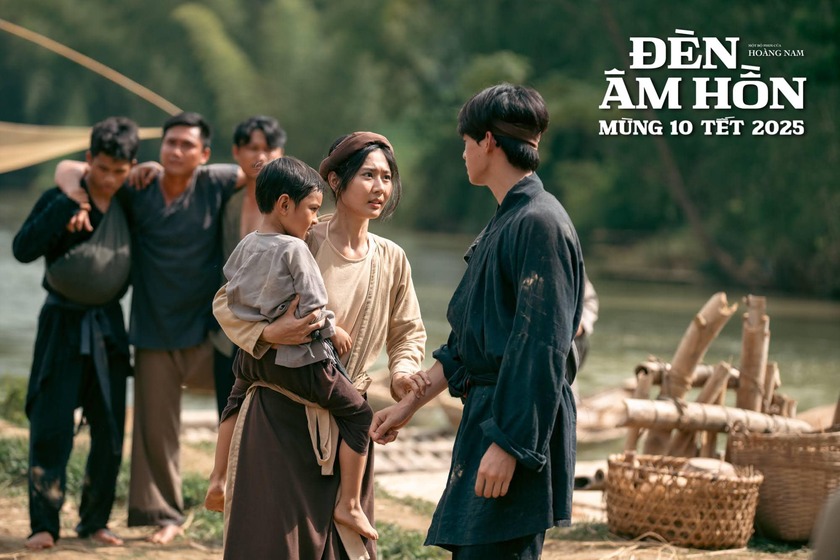
The film's setting was also well-invested, with filming taking place at impressive locations in Cao Bang, showcasing vast, beautiful, and mysterious natural landscapes.
The versatility of the literary source material allows filmmakers to explore a variety of aspects, from horror and spirituality to profound humanistic values. "The Ghost Lamp" not only promises to provide audiences with tense and suspenseful entertainment with its eerie and haunting scenes, but also touches viewers' hearts with the tragic and tumultuous love story between Thuong and Dinh.
"Ghost lamps" have more than just spiritual elements.
Beyond its setting steeped in the atmosphere of a "sacred forest and poisonous waters," "The Ghost Lamp" skillfully incorporates many traditional cultural elements, especially ancestor worship customs, into the story. These rituals and customs not only act as catalysts, creating a mysterious and eerie atmosphere for the film, but also serve as a bridge to help viewers gain a deeper understanding of the positive cultural and spiritual values of the Vietnamese people.
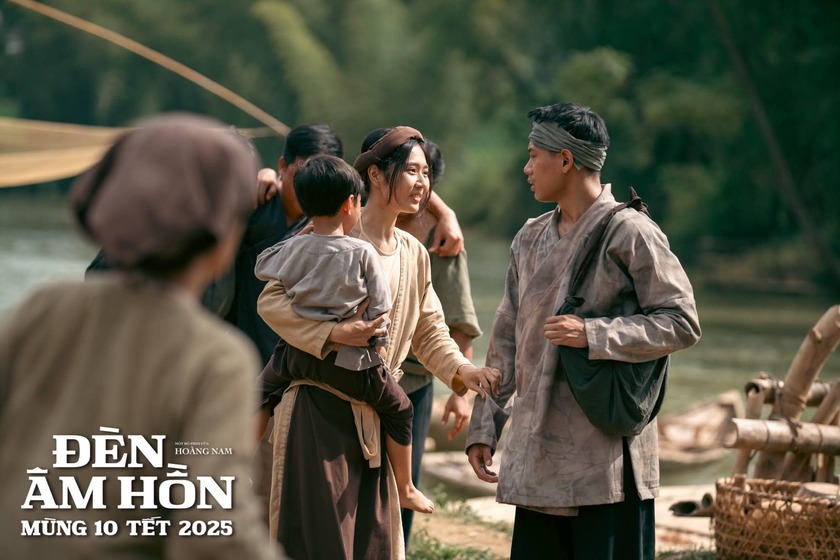
Ghost Lamp is a spiritual film with horror and mystery elements, but it's not meant to scare the audience. Hatred, revenge, and love connect two worlds, creating a fantastical yet heartwarming story.
The theme explored in "The Ghost Lamp" goes beyond simply being a crucial bridge between generations; it delves into traditional spiritual values, an integral part of Vietnamese daily life. The film touches upon profound aspects of the Vietnamese psyche, where beliefs about the afterlife, the connection between the living and the deceased, and faith in the mystical remain strong.
The image of the "Lamp of the Dead" is not just a symbolic item, but also a connecting thread between the past and the present, between traditional values and modern life. The film helps viewers, especially the younger generation, to better understand and appreciate the unique aspects of the nation's traditional culture. Through the image of the "Lamp of the Dead," viewers have the opportunity to learn about long-standing customs and traditions, mysterious folk tales, and beautiful moral values passed down from generation to generation.
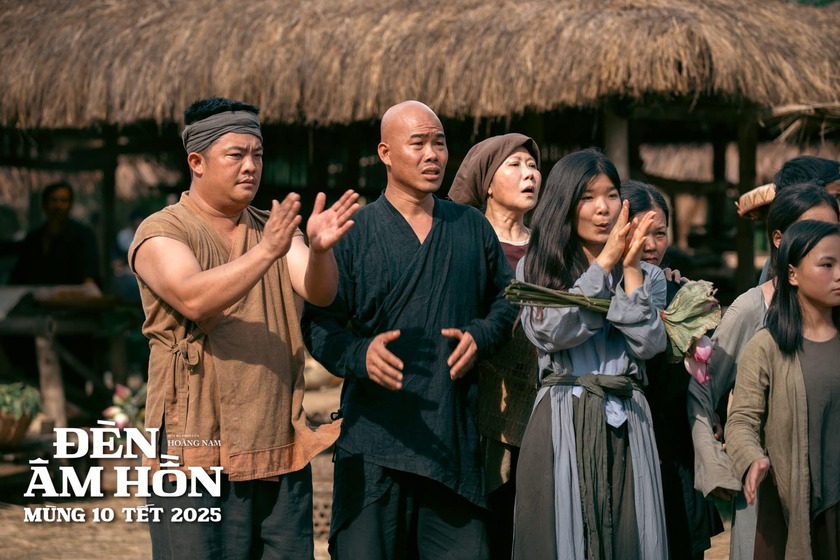
According to the production team, "The Ghost Lamp" incorporates many spiritual and folk cultural elements: ancestor worship, exorcism rituals, butterflies heralding the return of loved ones, fortune-telling with cups, dogs barking at ghosts, etc.
"The Ghost Lamp" is not just a simple horror film, but also a work imbued with profound humanistic values. The film addresses contemporary issues such as family traditions, patriarchal ideology, and the differences in life ideals between Vietnamese women of the past and present. These issues are subtly and skillfully presented, prompting viewers to reflect on moral values and the role of women in modern society.
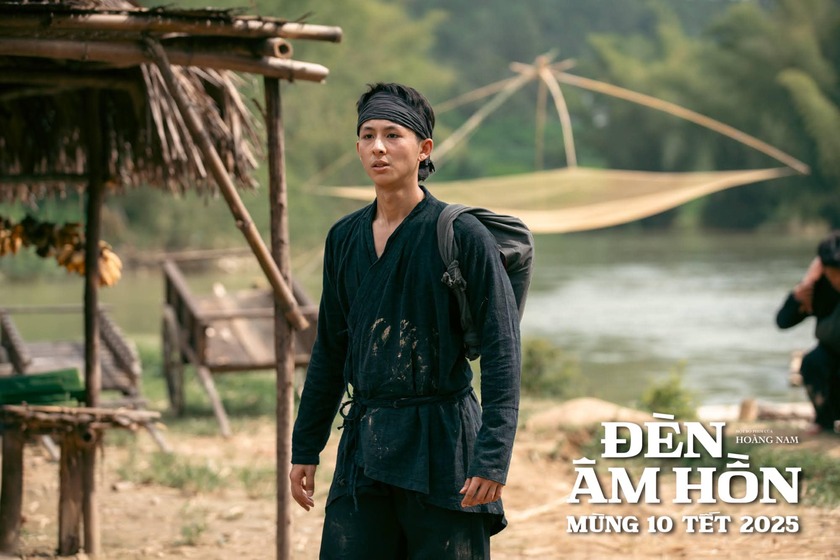
The film realistically and profoundly explores the conflicts between generations, between tradition and modernity, between the old and the new. Through this, the film conveys meaningful messages about family love, patriotism, and the indomitable spirit of Vietnamese women. Therefore, "The Ghost Lamp" promises to offer audiences a unique and novel cinematic experience, while also contributing to promoting the traditional cultural values of Vietnam to the international community.