VI
VI


Historical and cultural city
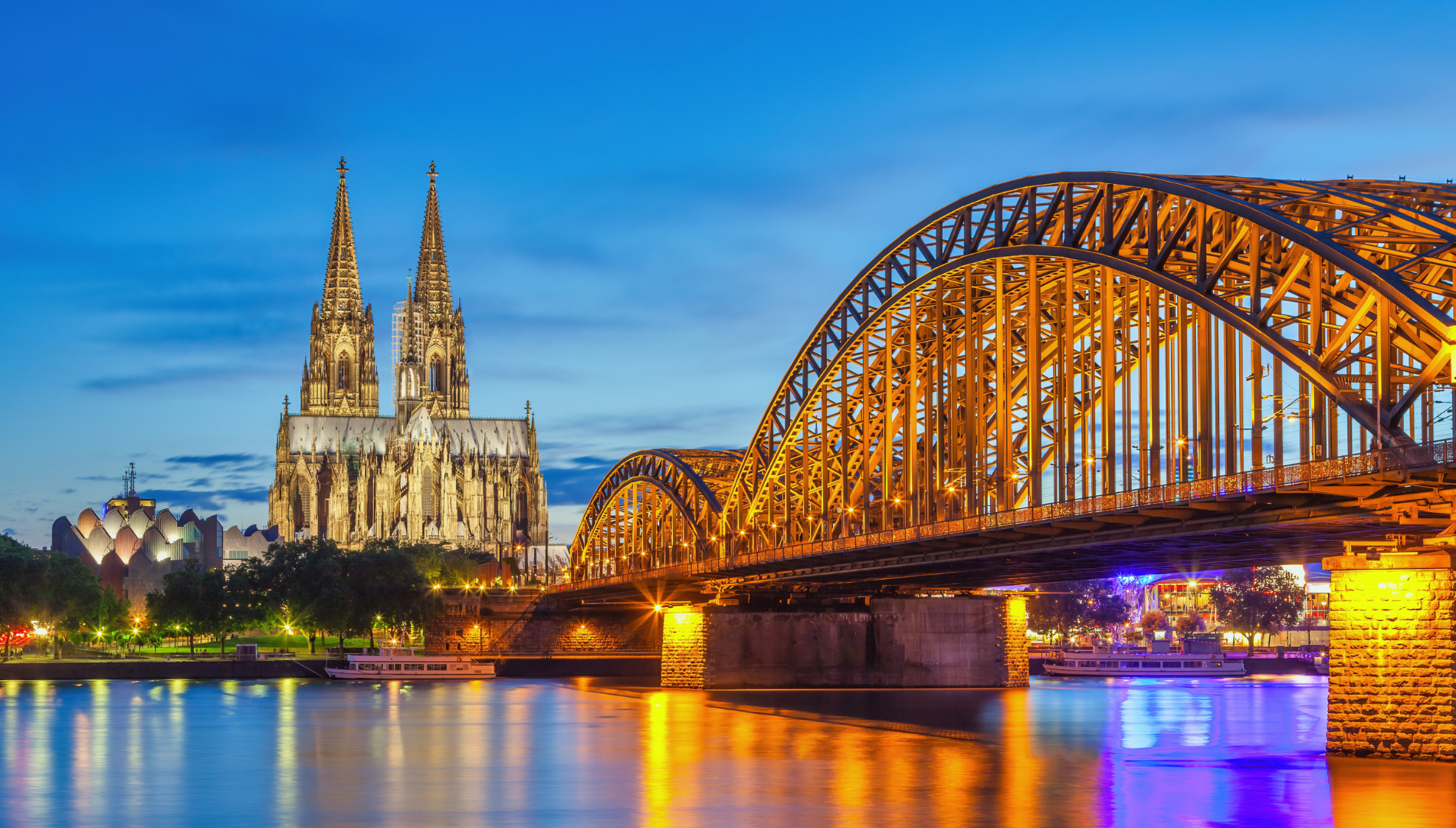
Upon arriving in Germany, a country renowned for its rich history and culture, visitors cannot miss the opportunity to explore Cologne, a gem nestled gracefully on the banks of the picturesque Rhine River. Located in western Germany, Cologne is not only one of the country's largest cities in terms of area, but also a captivating destination with its long-standing cultural and historical heritage.
With a history spanning over 2,000 years, Cologne has witnessed the ups and downs of time, from the ancient Roman era to the glorious periods of the Middle Ages and the Renaissance. Traces of that glorious past are still evident in its ancient architecture, cobblestone streets, and museums housing precious artifacts.
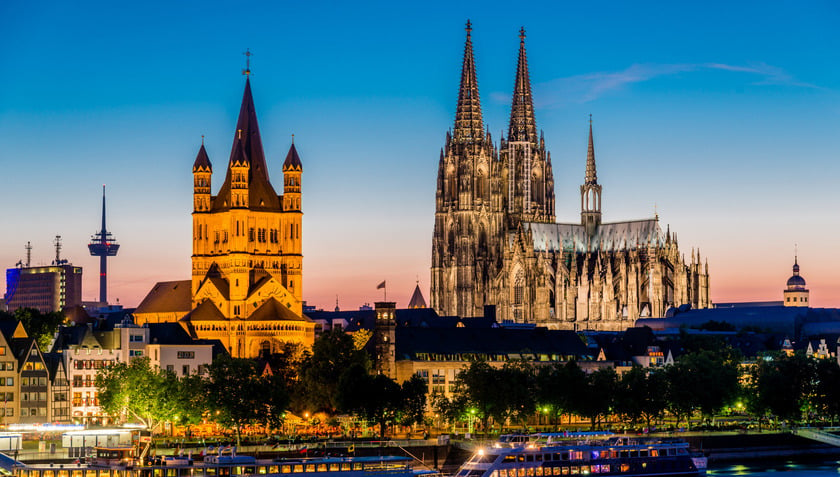
Cologne (Koln), a city situated on the legendary Rhine River.
Cologne is not only an important economic and cultural center of Germany, but also a popular tourist destination, attracting millions of visitors from all over the world. The city boasts a wealth of historical and architectural heritage, with famous landmarks such as Cologne Cathedral (Kölner Dom), a masterpiece of Gothic architecture recognized by UNESCO as a World Heritage Site.
Traversing the course of time, from the Roman Empire to the Rheinbund under Napoleon, and into the era of global integration, Cologne has always been a powerful force. Here, visitors can feel the hidden imprint of history in every street, every rooftop, and in the colorful diversity where each culture finds its own voice.
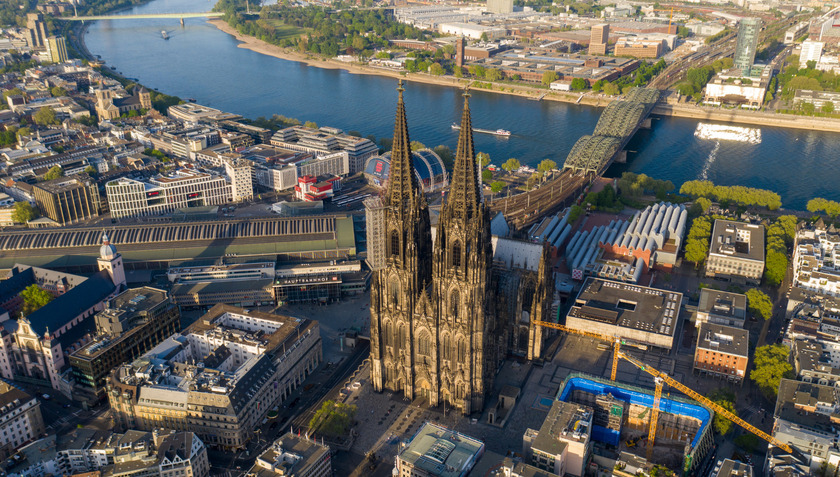
The historic city possesses the legendary beauty of Europe.
Upon arriving in Cologne, visitors are not simply entering a city, but are instead immersed in a captivating historical current, where the past and present blend seamlessly. Cologne's charm lies not only in its outward beauty, but also in the layers of its history, its majestic architecture, and its enduring legacy of development and transformation throughout history.
Originating in 38 BC, Cologne quickly rose to become a major administrative, military, and commercial center of the powerful Roman Empire, known as "Colonia Agrippina." The legacy of the Roman era is still evident in the remnants of its fortified walls, imposing gates such as the North Gate (Nordtor), and especially in the Germanisches Museum (Römisch), where visitors can feel the pulse of a once dominant power across Europe.

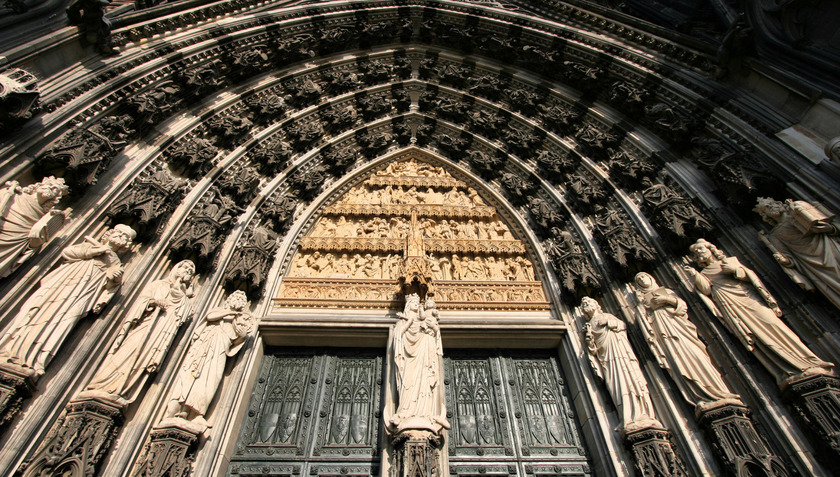
Entering the Middle Ages, Cologne continued its flourishing development, becoming an important commercial and religious center of Europe. The city boasts stunning Romanesque churches, architectural masterpieces of the period, and the enchanting Altstadt, with its ancient cobblestone streets, charming wooden houses, and cozy cafes. The city's most prominent symbol is the magnificent Gothic cathedral, Kölner Dom, not only a World Heritage site but also one of Europe's most important pilgrimage destinations. Standing tall for nearly 800 years, this masterpiece with its pointed arches reaching to the clouds and its vibrant stained-glass windows is not only a symbol of faith but also an epic in stone, showcasing the unparalleled artistry of humankind.
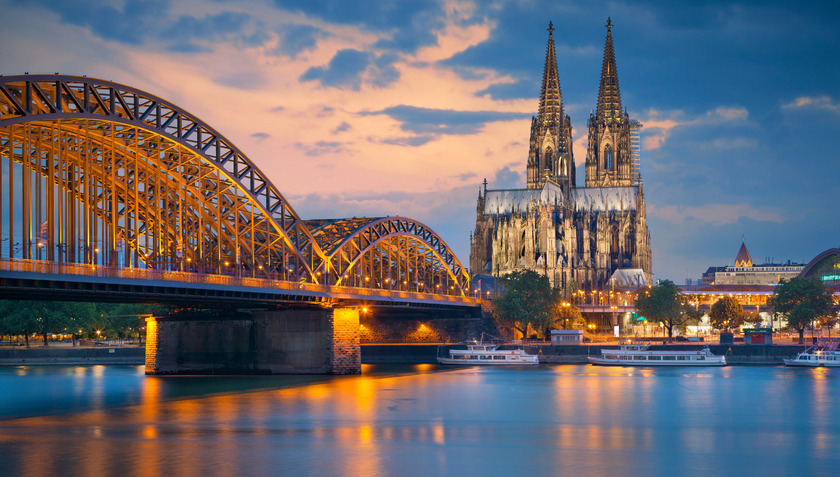
Spanning the course of time, from the Roman Empire to the Rheinbund under Napoleon, and into the era of global integration.
Despite suffering severe damage during World War II, Cologne has strongly revived, preserving its valuable heritage and transforming into a modern, dynamic city. Impressive architectural landmarks such as the Kranhäuser (Crane House), uniquely shaped high-rise buildings, and the romantic Hohenzollern Bridge, adorned with thousands of love locks, create a harmonious urban landscape blending past and future.
Cologne is not only a historical city, but also a vibrant cultural and artistic center. The city boasts numerous museums, theaters, art galleries, and cultural events, attracting visitors from all over the world. Cologne is also famous for its Carnival, one of Germany's largest and most lively festivals.
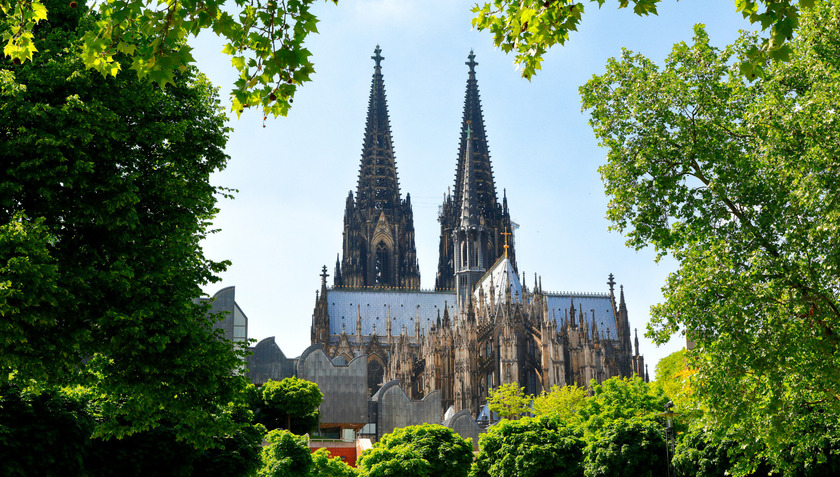
Cologne is always undergoing a dramatic transformation.
With all that in mind, Cologne is an attractive tourist destination where visitors can explore unique historical and cultural heritage, admire stunning architecture, experience vibrant traditional festivals, and feel the modern rhythm of a dynamic city.
A destination bursting with color.
One of the defining features that makes Cologne irresistibly attractive is its cultural diversity, stemming from its multinational community – a vibrant tapestry reflecting the fusion of the finest civilizations from around the world. Its strategic location along the legendary Rhine River, coupled with its long history, has transformed Cologne into a thriving economic and cultural hub, attracting people from all over.
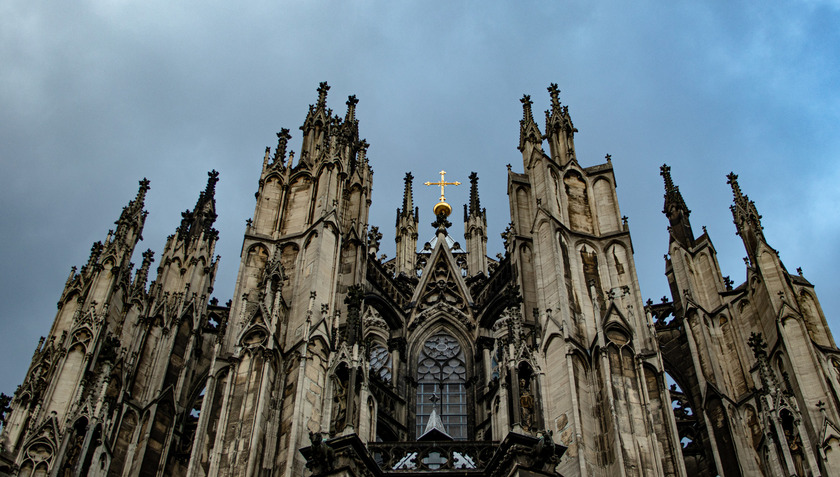
The common home of cultures from all over the world.
Cologne is not just a German city, but also a "common home" for people from all over the world, creating a unique and rich cultural blend. Within this urban space, visitors can feel the romanticism of the French, the discipline of the Germans, the free spirit of the Romans, and a touch of Dutch practicality, all harmoniously combined to create a distinct identity for Cologne.
As one of Germany's largest international cities, Cologne has long been an attractive destination for immigrants, regardless of race, ethnicity, or religion. The Turkish community is one of the largest and oldest, bringing with it a unique blend of Eurasian culture. Alongside them are Italians, Poles, Moroccans, Vietnamese, and many other communities, creating a vibrant and diverse cultural tapestry.
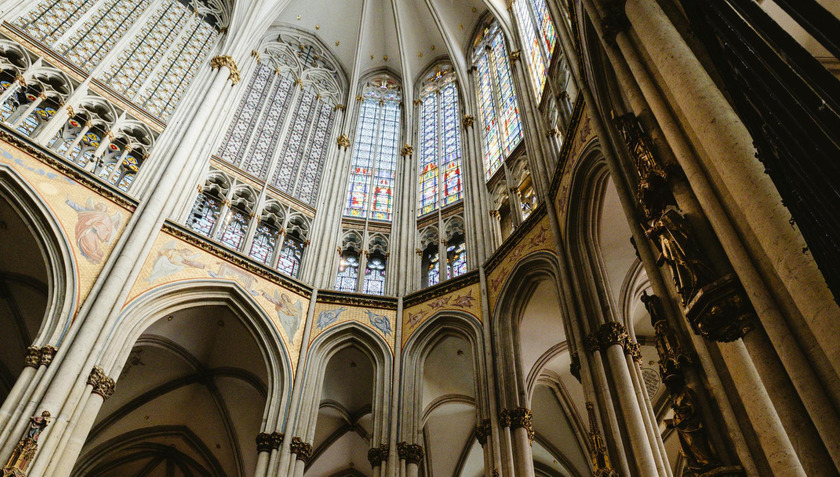
The cultural landscape is clearly reflected in the city's architecture.
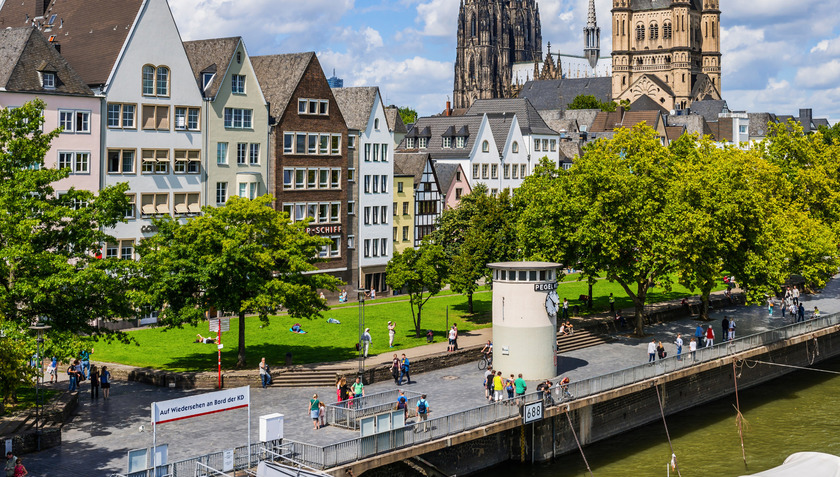
The people of Cologne are renowned for their kindness and openness, readily embracing differences. They create a friendly and peaceful atmosphere where everyone feels welcome and respected. Strolling along Cologne's ancient cobblestone streets, visitors will easily encounter multilingual signs, restaurants serving cuisine from around the world, and lively conversations between people from diverse cultures.
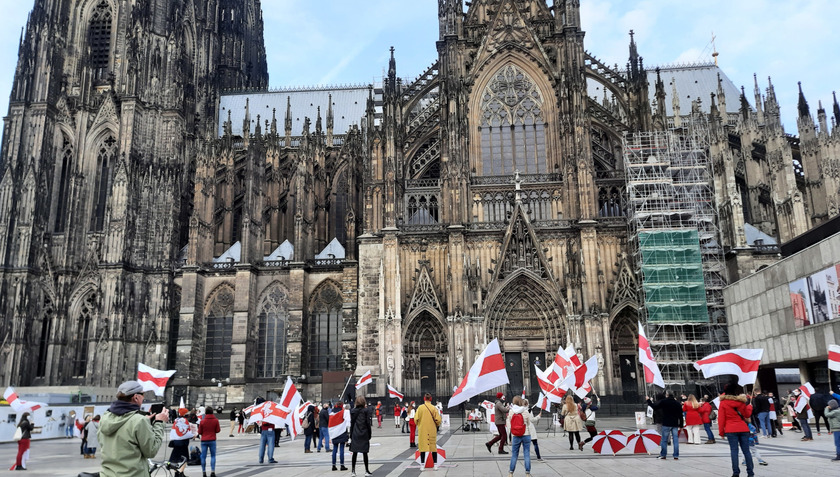
Upon arriving in Cologne, one immediately feels the charm of its rich history and the grandeur of its architectural structures from different eras.
Cologne's cultural diversity is not only reflected in its people, but also in its cultural events, festivals, and arts activities. The city regularly hosts multicultural festivals where different communities have the opportunity to showcase their unique cultural characteristics. Cologne's museums and art galleries also frequently organize exhibitions presenting art and culture from around the world.