VI
VI


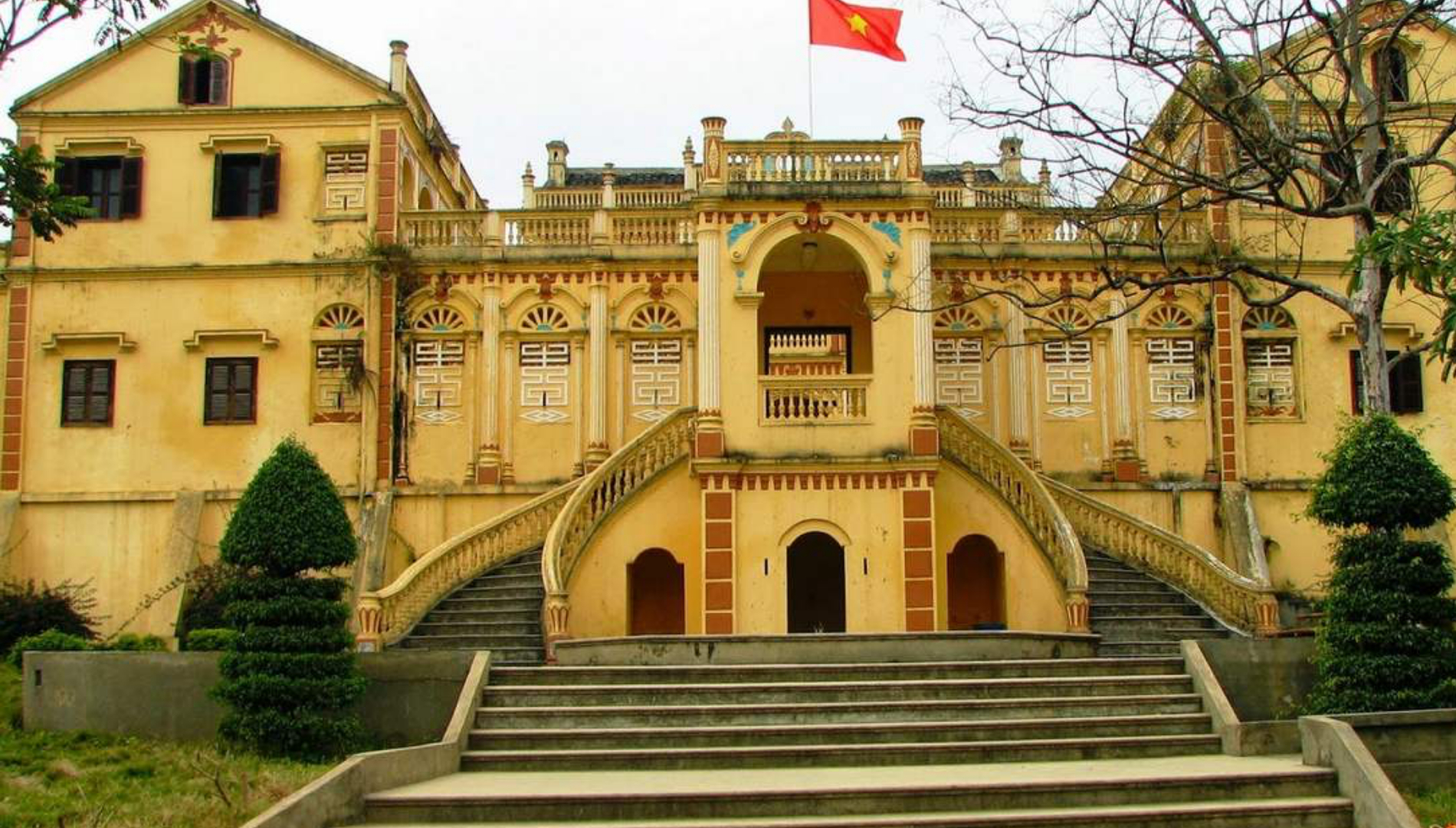
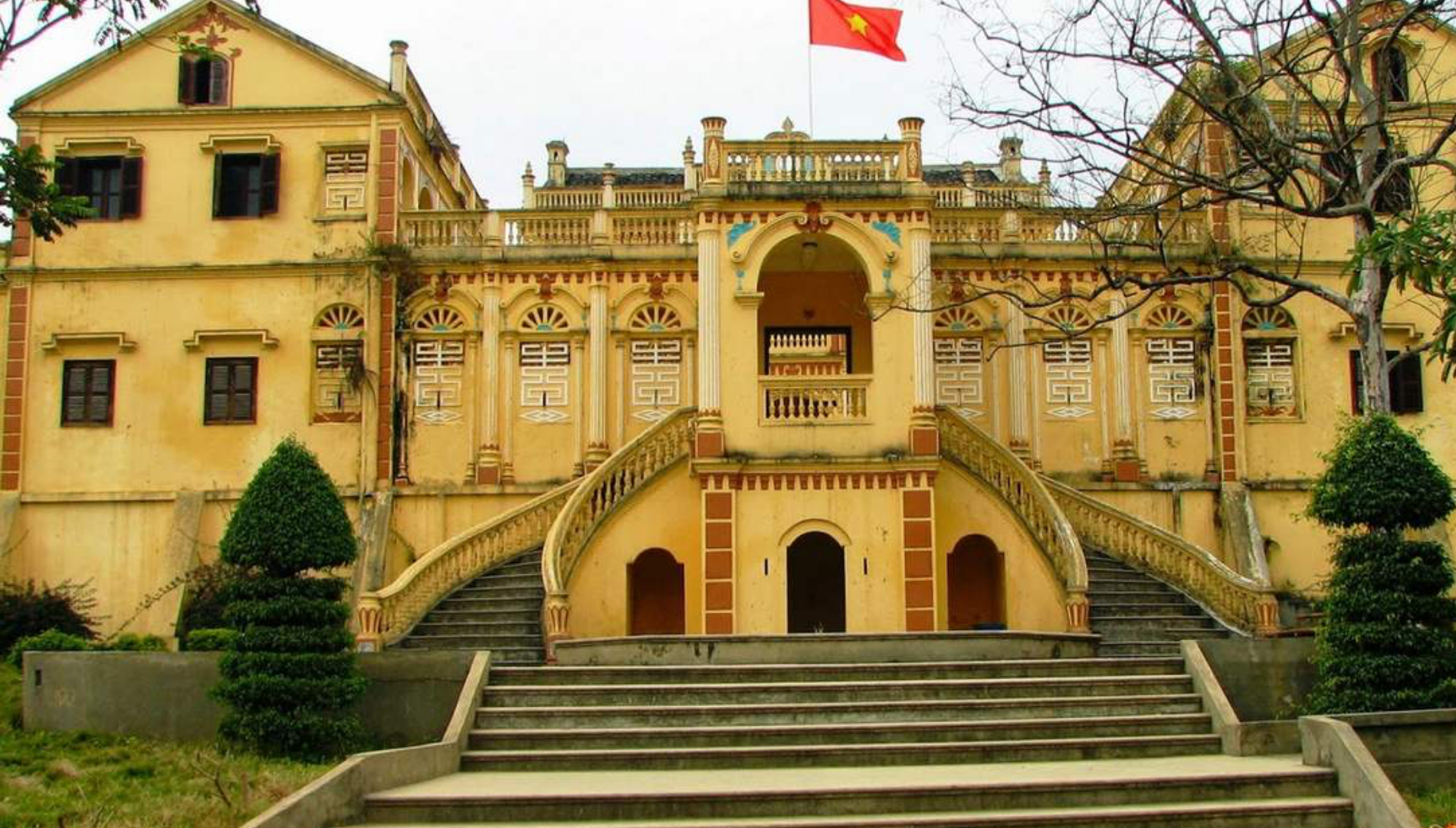
The restoration project of Hoang A Tuong Mansion, a unique and valuable architectural work of the Tay ethnic group, was officially completed on November 30, 2024. After a process of continuous effort, the mansion has donned a magnificent new look.
A pristine milky white color envelops the entire mansion, creating an elegant and luxurious space. The base of the walls is adorned with a warm, deep grayish-blue hue, reminiscent of the colors of the Northwest mountains. Intricate patterns and motifs stand out against the red brick walls, like paintings telling stories of a golden age.
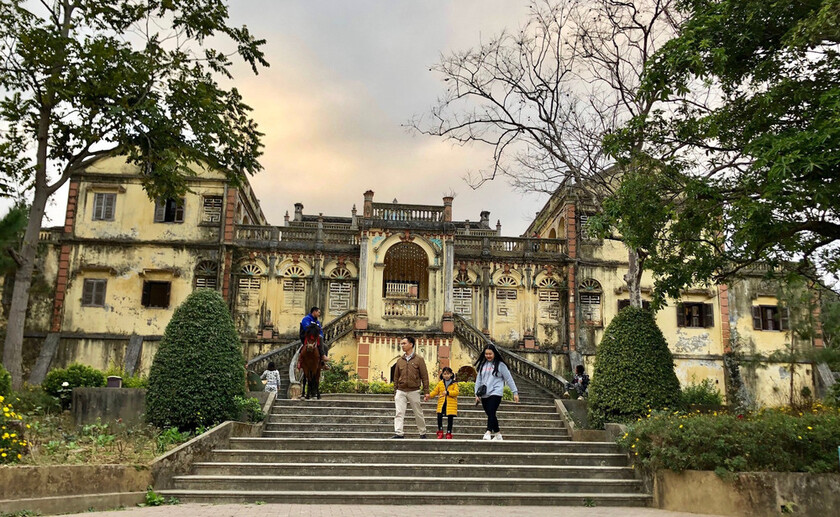
The opulence of the building reflects the golden age of the chieftain Hoang Yen Tchao and his son Hoang A Tuong, but also reflects the hardships and suffering of the people in the border region in the first half of the 20th century.
The unique architecture of the Hoang A Tuong mansion is a harmonious blend of classical French style and traditional Tay architecture. Through the restoration process, the architects skillfully preserved and honored these distinctive features, creating a unique and one-of-a-kind architectural masterpiece.
The project has a total investment of 11.9 billion VND, of which construction costs are 9.3 billion VND, including the following items: renovation of the main building; construction of toilets; construction of gardens, fences and auxiliary items. The renovation and improvement work is undertaken by a joint venture of Truong Son One-Member Limited Company and Lao Cai Provincial Construction Joint Stock Company. The implementation period is 365 days.

For the main house, the work involves dismantling the entire yin-yang tile roof; repairing the ridge, gable walls, and chimney; reinforcing the connections between the rafters and purlins and the house walls; replacing damaged purlins with lim wood (20%); adding lim wood to the existing purlins; re-roofing the entire roof, connecting the tiles to the wooden roof support structure with stainless steel screws...
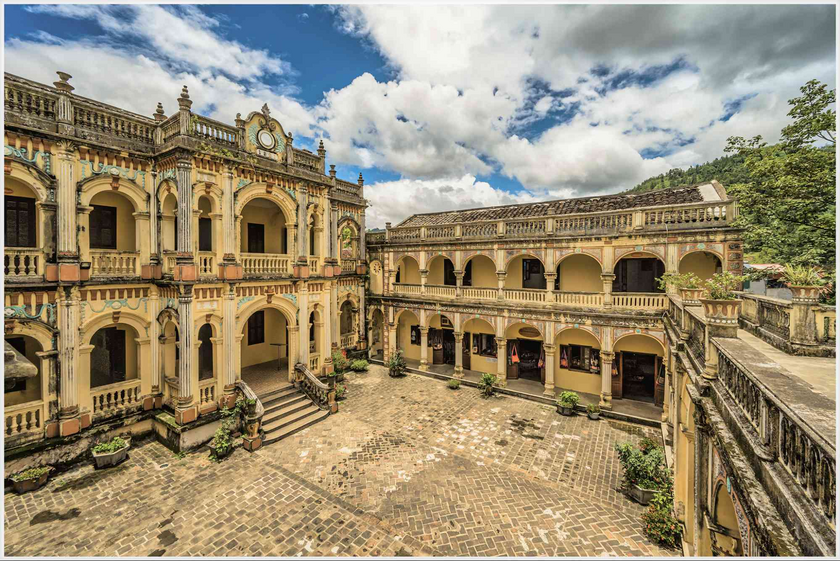
The building's deterioration necessitates renovation and restoration to preserve this "historical witness."
For the exterior walls, remove the plaster in areas affected by dampness, decay, and mold, clean the area, and then re-plaster 70% of the surface; areas with damaged decorative motifs will have their designs preserved for restoration; use non-shrink mortar to treat cracks and joints between building blocks.
In the heart of the Bắc Hà white plateau (Bắc Hà district, Lào Cai province), the Hoàng A Tưởng mansion (also known as the Mèo King's mansion in Lào Cai) sits on a solid piece of land "backed by mountains and bordered by water". Behind it is Cô Tiên mountain, in front is a stream, and on either side are towering, rugged mountain ranges.
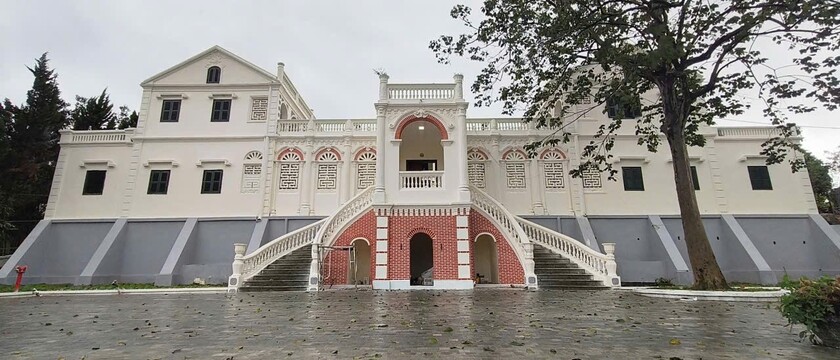
The new look of the Hmong King's mansion.
The Hoang A Tuong Mansion was built from 1914 and completed in 1921, featuring a blend of Asian and European architectural styles across an area of over 4,000 square meters. In 1999, the Ministry of Culture and Information (now the Ministry of Culture, Sports and Tourism) recognized the Hoang A Tuong ancient mansion as a national historical site. It is also a popular tourist destination for visitors to the Bac Ha rocky plateau.
The Hoang A Tuong Mansion is not only a unique architectural masterpiece but also a historical witness, marking the ups and downs of a noble family. Restoring the mansion will not only help preserve a valuable cultural heritage but also contribute to promoting tourism in the Bac Ha region.