VI
VI


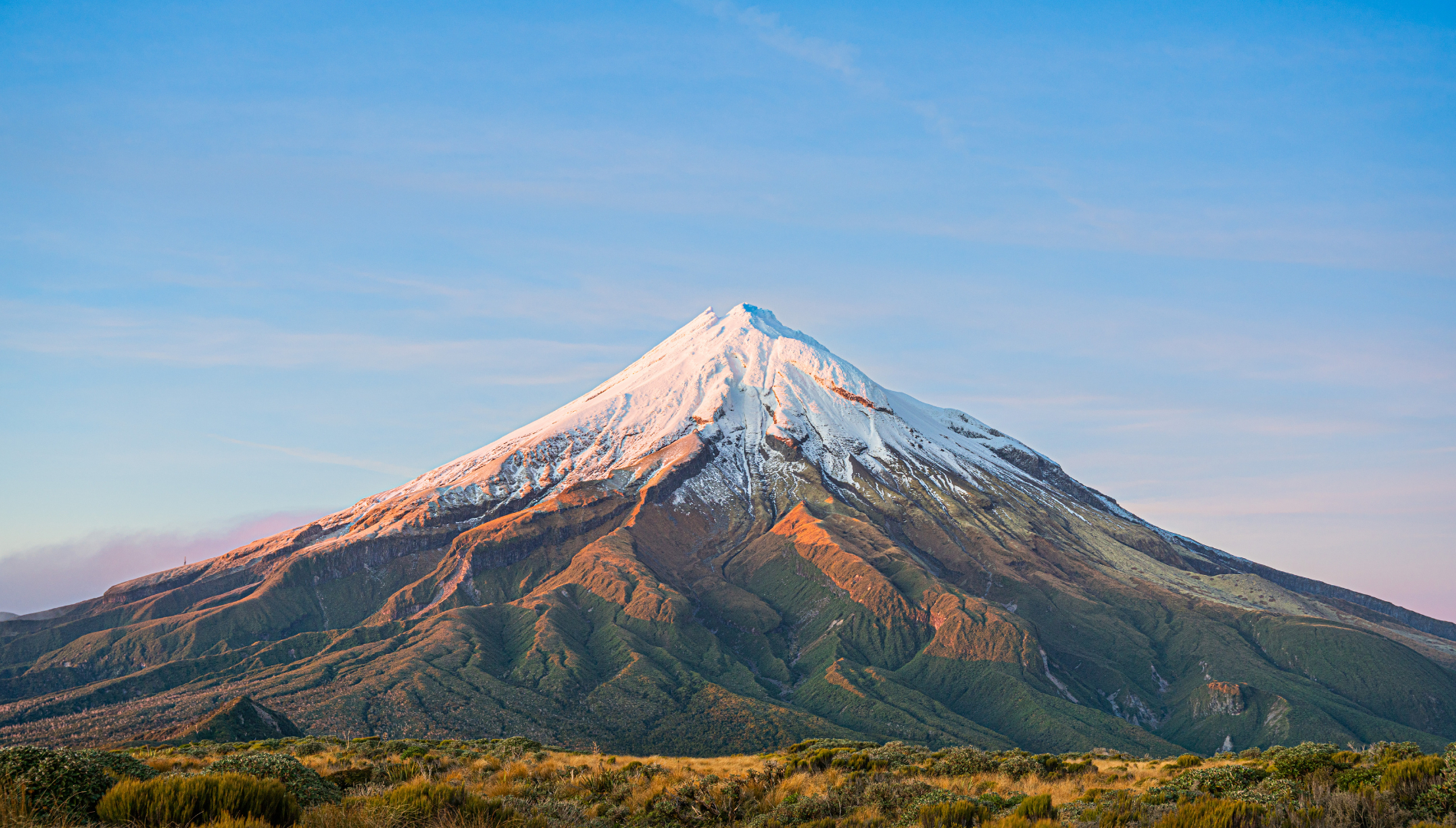
CNN reported that the Act, passed on January 30, grants Mount Taranaki all the rights of a human being, including authority, duties, responsibilities, and obligations. Its individual status is called "Te Kāhui Tupua," and the law considers it "a living and indivisible whole." This status encompasses Taranaki along with its peaks and surrounding land, incorporating all its physical and metaphysical elements.
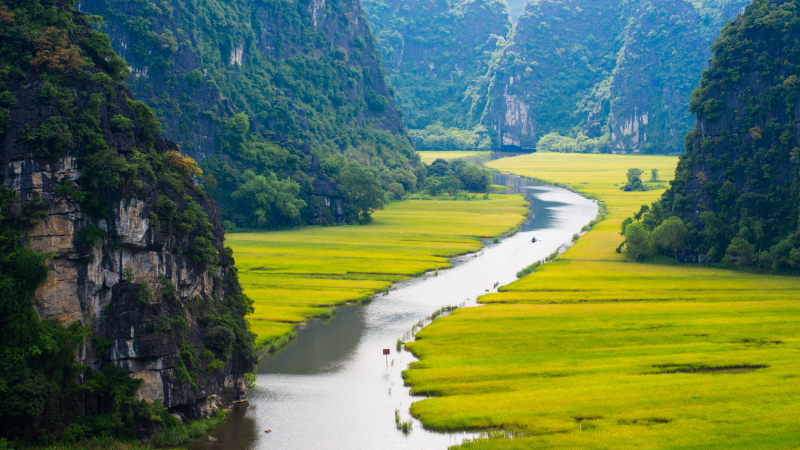
Formerly known as Taranaki, this majestic volcano is now called Taranaki Maunga, a harmonious blend of its traditional name and reverence for this sacred mountain. Standing tall in New Zealand's North Island, Taranaki Maunga rises majestically to an altitude of 2,518 meters, making it the second highest volcano on the island, after Ruapehu.
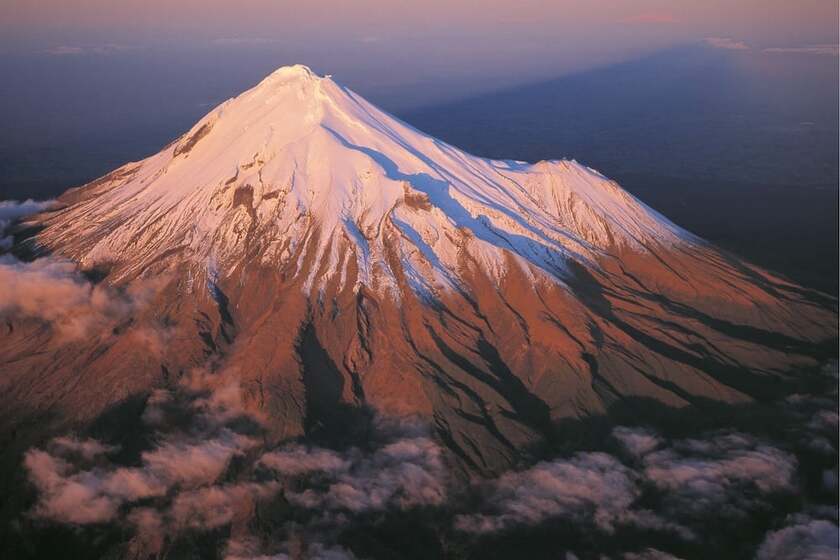
New Zealand has become the first country in the world to grant habitation rights to natural sites, with Mount Taranaki recently being granted such rights.
More than just a magnificent natural wonder, Taranaki Maunga is also a popular tourist destination, attracting visitors from all over the world to admire its breathtaking beauty and experience exciting outdoor activities. With stunning hiking trails winding around the mountain slopes, visitors can explore rich flora and fauna, majestic waterfalls, and breathtaking natural landscapes. In winter, Taranaki Maunga is covered in pristine white snow, making it an ideal destination for ski enthusiasts.

Taranaki Maunga is more than just a mountain; it's a sacred part of the culture and beliefs of the Maori people, the indigenous inhabitants of New Zealand. Since ancient times, the mountain has been regarded as a symbol of strength, longevity, and a dwelling place for spirits. The name Taranaki Maunga carries a profound meaning about the connection between humanity and nature, about respect and gratitude for what nature has bestowed.
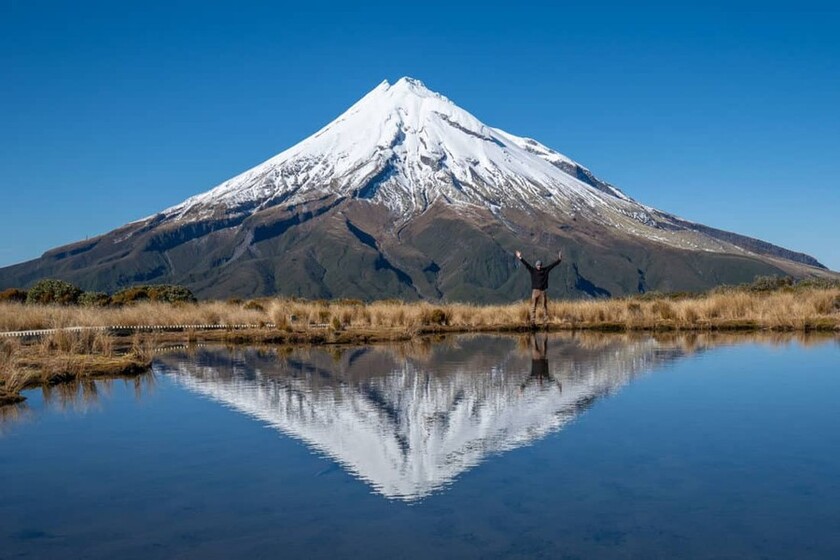
The volcano is 120,000 years old.
Being recognized as a human being would better support efforts to protect Mount Taranaki. This 120,000-year-old mountain is becoming an increasingly popular tourist destination, especially after Lonely Planet ranked it among the top places to visit in 2016.
According to research, Mount Taranaki has been dormant since 1775 and is currently "dormant". It is New Zealand's most perfectly formed volcano and one of the most symmetrical cone volcanoes in the world. Debbie Ngarewa Packer, co-leader of the Te Pāti Māori political party, stated that the human rights of the mountain are aimed at maintaining its "health" and well-being.
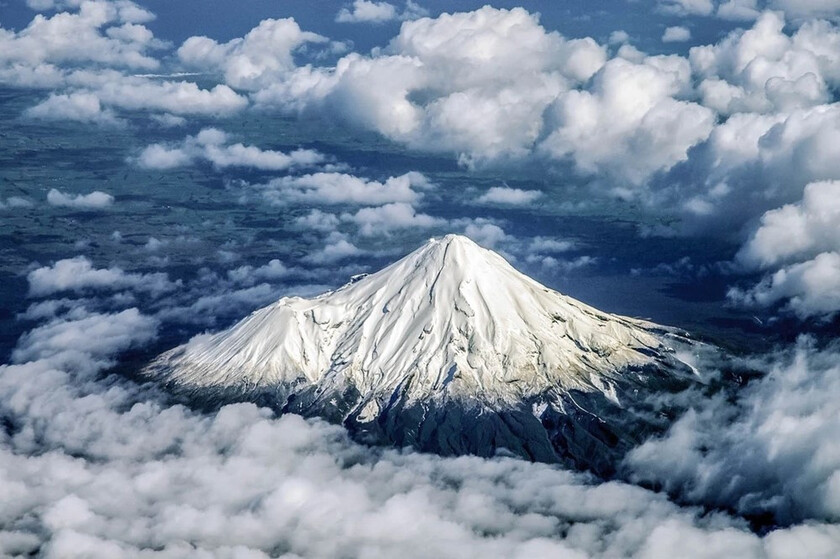
This place is a tourist "paradise" for hikers and those who love skiing and other water sports.
These will be used to prevent forced sale, restore its traditional uses, and allow for conservation efforts to protect the thriving native wildlife there. Eight local Māori tribes and the government will share responsibility for protecting the sacred Mount Taranaki.
It is known that the Māori people have long regarded the mountain as an ancestor or a close family member. Therefore, anyone who abuses or destroys Taranaki will be considered to be harming a member of the tribe. This is similar to the Whanganui River being granted legal ownership in January 2017.