VI
VI


Throughout the history of art, certain places have held significant meaning and importance for generations of artists. These are the places they chose to study, hone their skills, and foster their creativity. Join Travellive in exploring these cities in the article below.
Paris
When discussing the world's art capitals, it's difficult not to mention Paris. The presence of the Louvre Museum – one of the world's greatest art repositories, the legendary Salon – a prestigious art exhibition, and the timeless success of generations of artists who emerged from here, such as Claude Monet, Vincent van Gogh, and Edgar Degas, are the clearest evidence affirming the city's status.
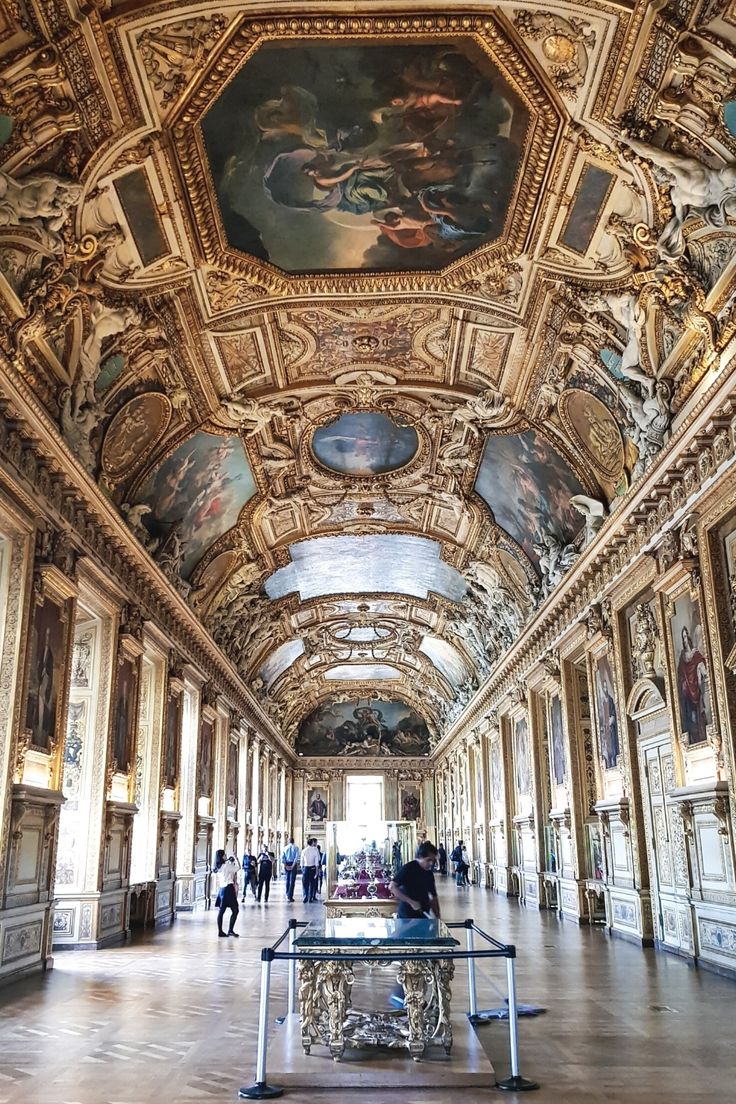
A corner inside the Louvre Museum.
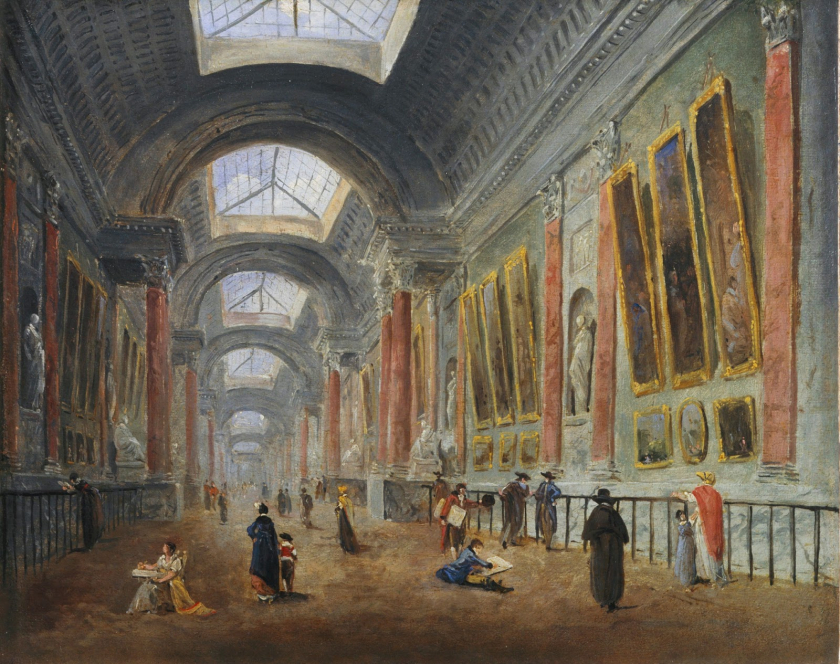
Hubert Robert - The Grande Galerie of the Louvre, 1801
Although flourishing from the 17th to 18th centuries, painting in Paris during this period was still heavily influenced by dogmatic ideas and constrained by strict rules and regulations. Beginning in the 19th century, a new generation of artists emerged, bringing a breath of fresh air to Paris.
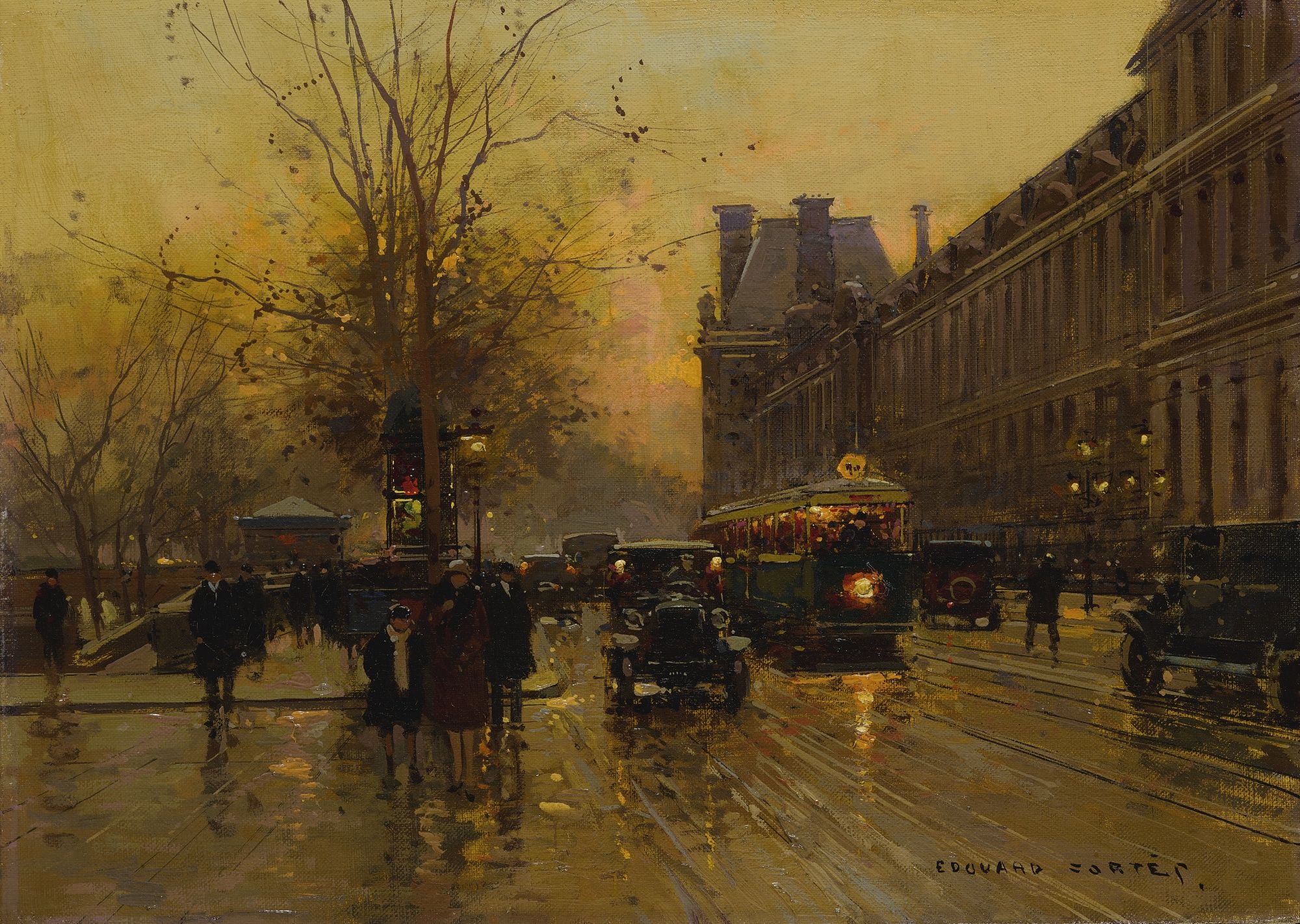
This transformation was initiated by comprehensive urban renewal efforts. Magnificent buildings continuously sprang up, straight avenues lined with lush green trees were formed, and sparkling electric lights enveloped the entire city, turning Paris into a dream come true.
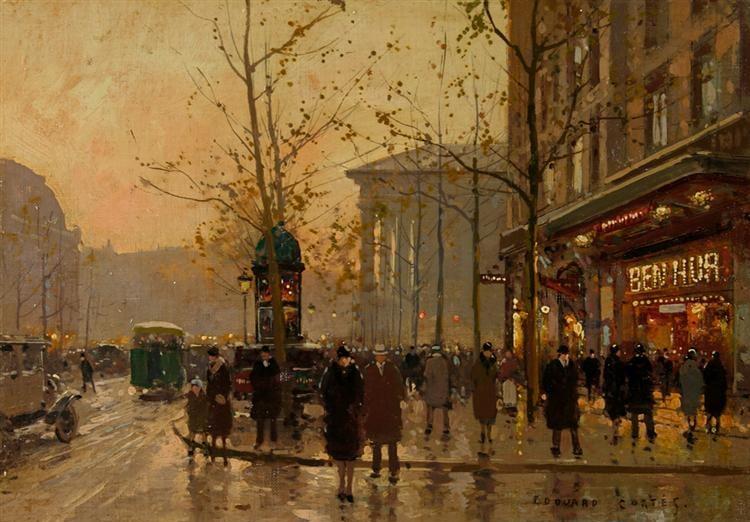
Boulevard des Сapucines - Edouard Cortes
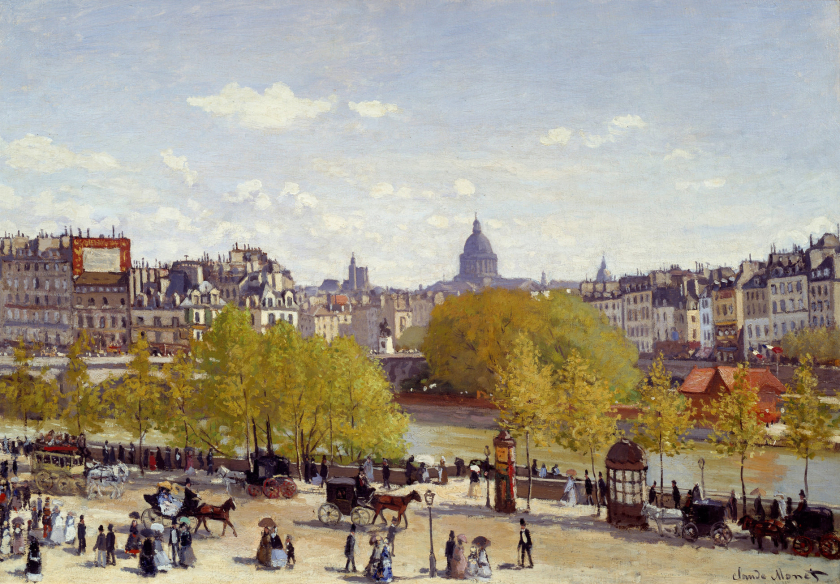
Quai du Louvre - Claude Monet
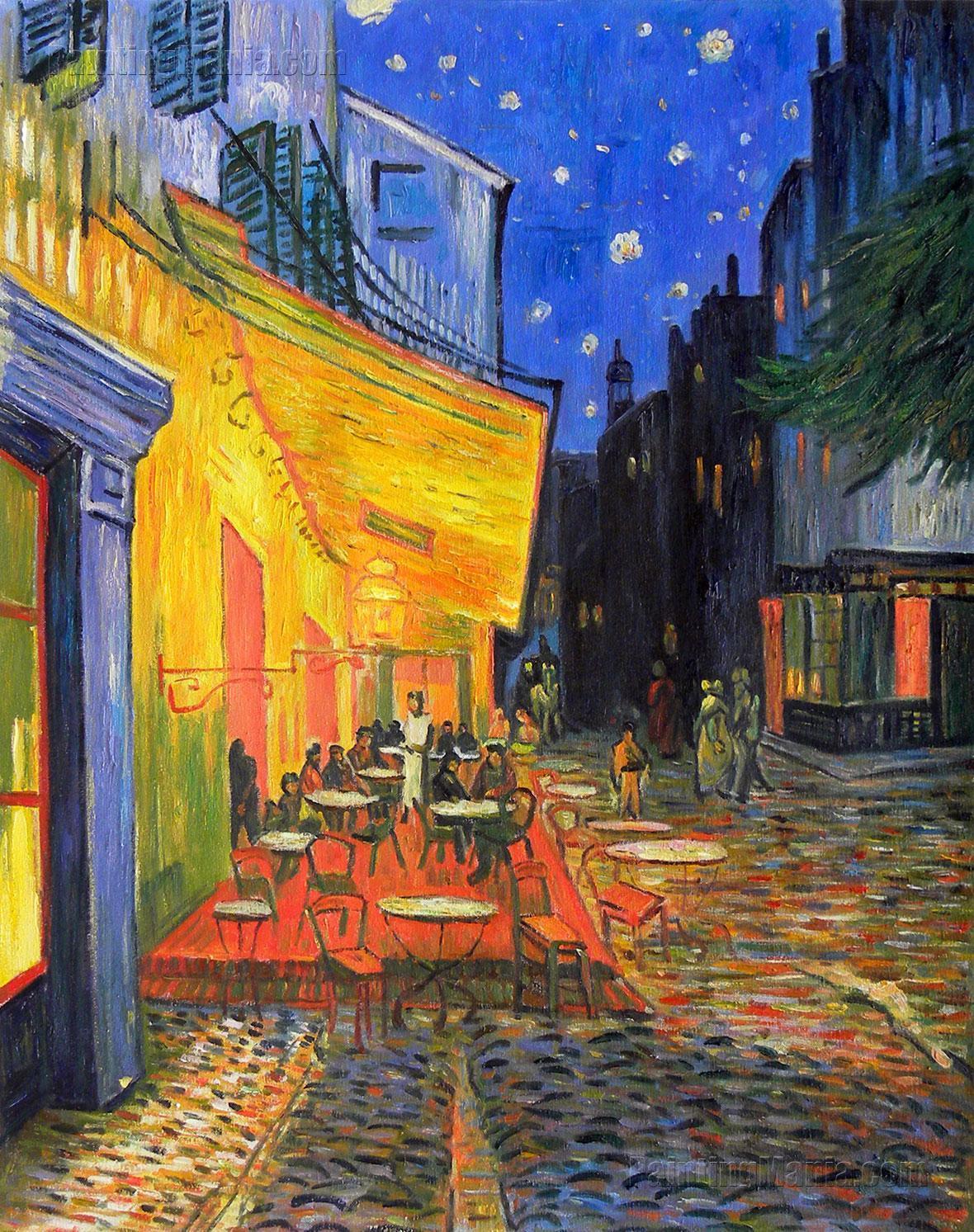
The vibrant beauty of Paris, like a magnetic force, attracted a generation of daring artists. They rejected outdated classical artistic viewpoints – those that shackled free spirits to obsolete conventions – to create works overflowing with light and color. Not bound by historical or mythological themes, nor burdened by lofty ideals, they stepped out of their cramped studios, immersed themselves in the bustling life, sought out the most ordinary things, and passionately depicted them in their paintings.
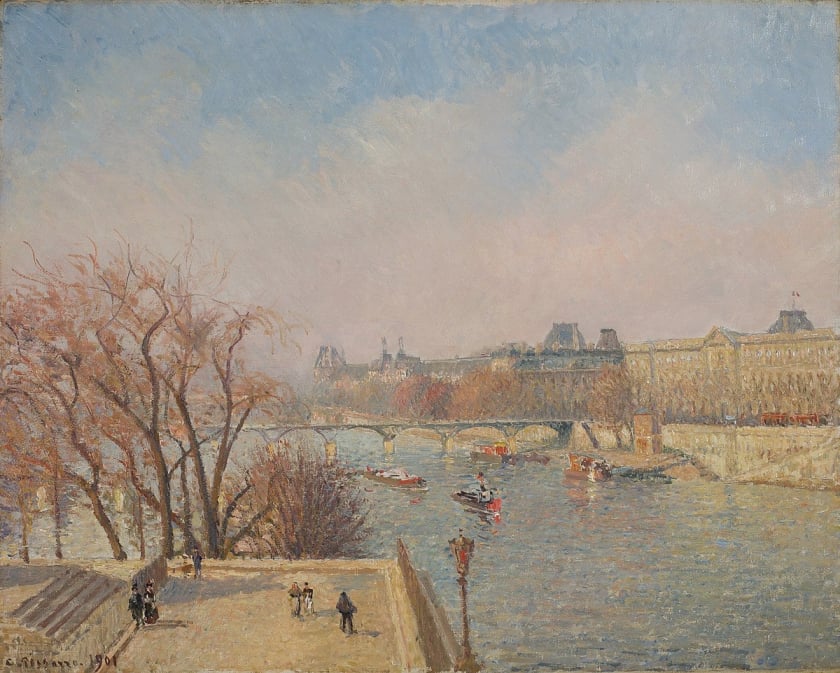
The Louvre - Camille Pissarro
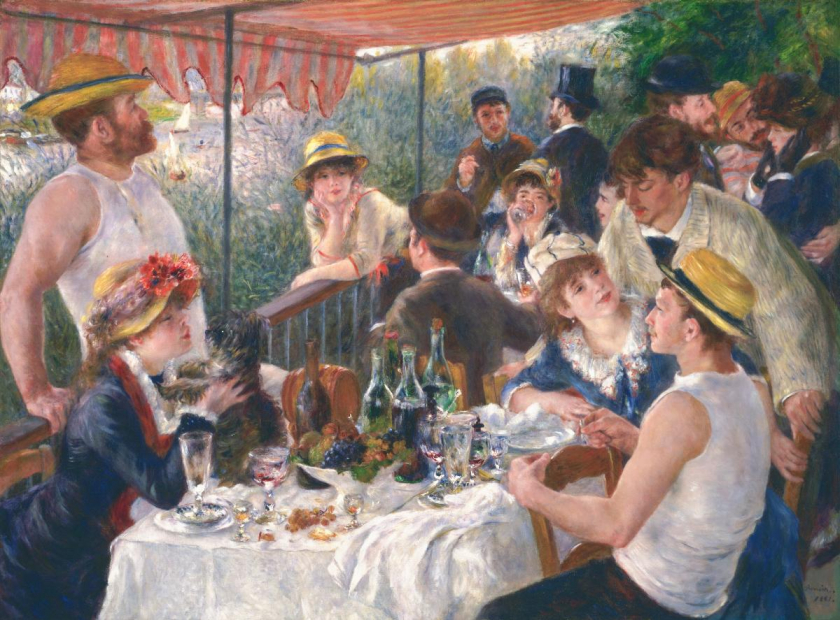
Luncheon of the Boating Party - Pierre-Auguste Renoir
And so, Impressionism was born. Despite facing much criticism and opposition from the academic community, the artistic views of this generation of artists still created one of the most important schools of thought in history.
In Paris, besides the inspiration from the romantic beauty of every corner of the city, artists also have access to formal and reputable education. Furthermore, opportunities to exhibit their work at prestigious exhibitions are more abundant, leading to more significant sponsorship opportunities. Therefore, Paris has become a gathering place for young artists, harboring dreams of success. This community is growing stronger with art-related gatherings and sharing sessions in bars, cafes, and clubs. This distinctive atmosphere is even reflected in many cinematic works, including classic films.Midnight in Paris.
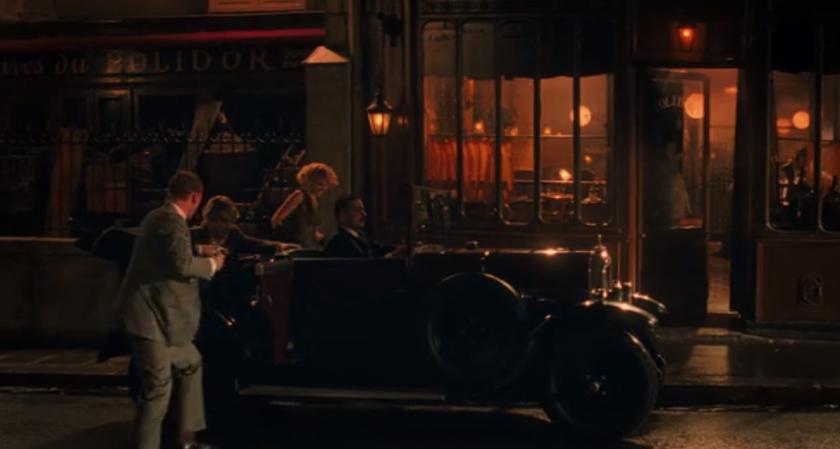
Scene from Midnight in Paris
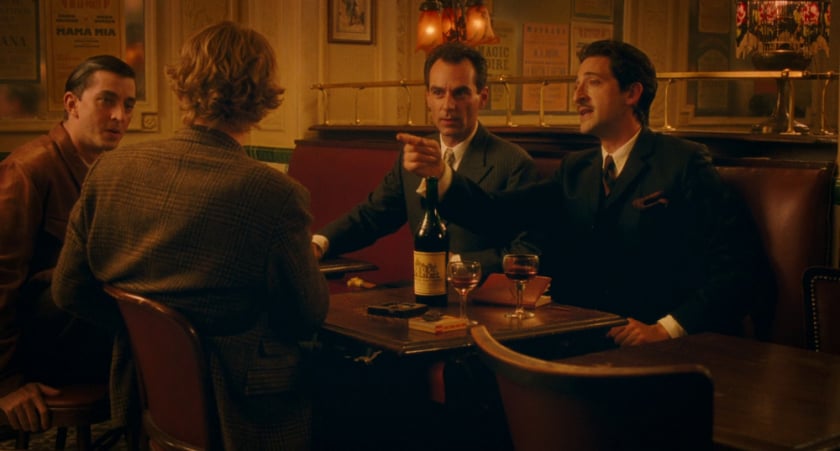
Scene from Midnight in Paris

Through the passage of time, Paris today retains its irresistible charm. People from all over the world still eagerly flock to Paris to stroll along its light-filled boulevards, immerse themselves in its romantic, classical atmosphere, and visit museums showcasing thousands of precious works of art. From the Louvre to the Musée d'Orsay, from the Musée du Quai Branly to the Musée de l'Orangerie, Paris has so much for art lovers to discover.
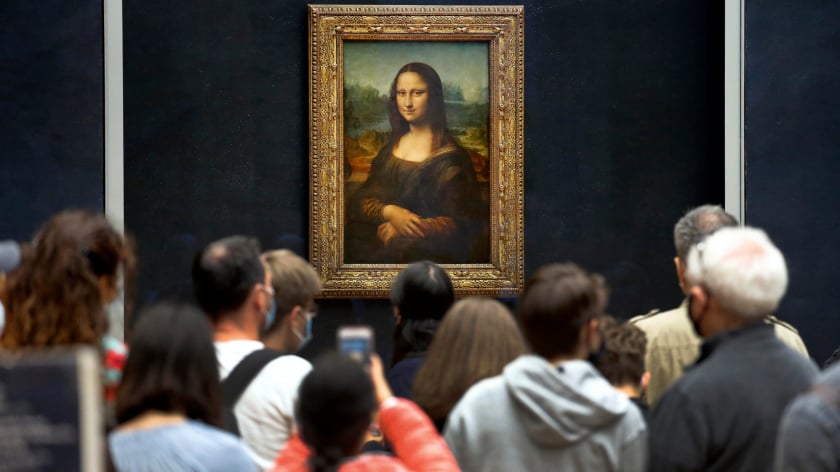
The Mona Lisa painting at the Louvre Museum (Paris, France) always attracts great attention from visitors.
Venice
Going back in history to the Renaissance, many cities in Italy made significant contributions to this cultural movement, most notably the city of canals - Venice.
The foundation of Venice's cultural and artistic development stemmed from its wealth and prosperity, with a thriving trade network. Numerous art schools emerged, producing generations of talented artists such as Titian and Giorgione. The open atmosphere also paved the way for the free development of painting, somewhat escaping the heavy atmosphere of religion. From the late 15th century, Venetian painters were able to paint nudes – something rarely done by artists at that time.
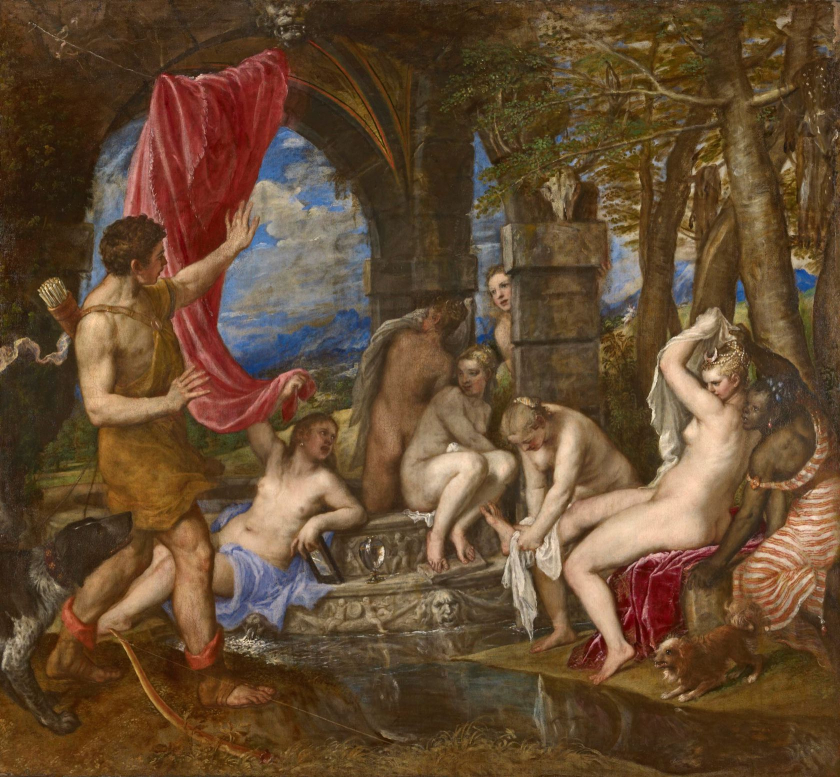
Diana and Actaeon - Titian
Later, Venice also became the center of "vedute"—a style of art appreciation that valued topography and architecture. Paintings depicting buildings, churches, major structures, and canals in Venice held a strange allure for a segment of art lovers. Since then, a series of works about the city's iconic landmarks have been created by renowned painters such as Canaletto and Guardi.
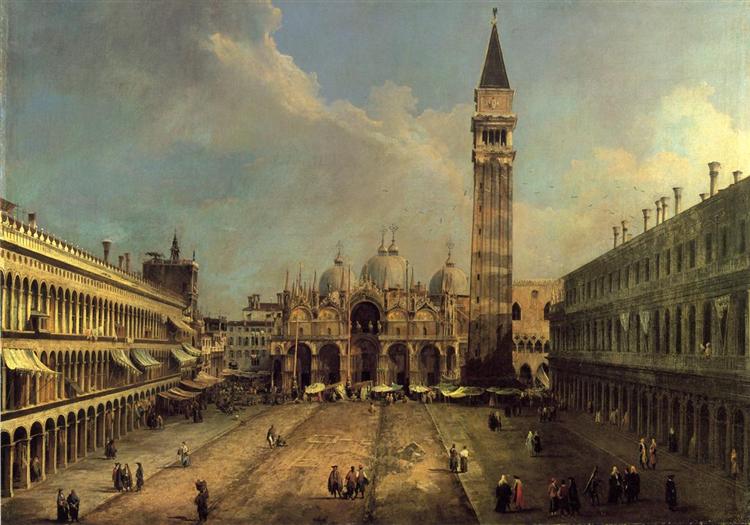
Piazza San Marco, Looking East - Canaletto
Venice's allure also stems from its unique and poetic beauty. The intricate network of canals flowing through every corner of the city, the leisurely gondolas carrying the melancholic songs of their oarsmen, the magnificent architecture, and the atmosphere that is both free-spirited and romantic—perhaps these are the things that stir the heart of any artist.
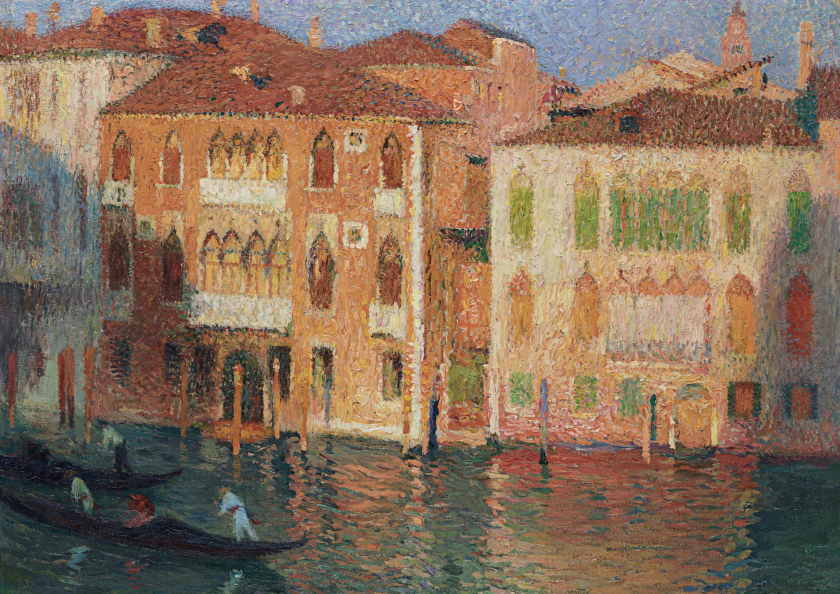
Venise, palais et gondoliers sur le Grand Canal - Henri Martin
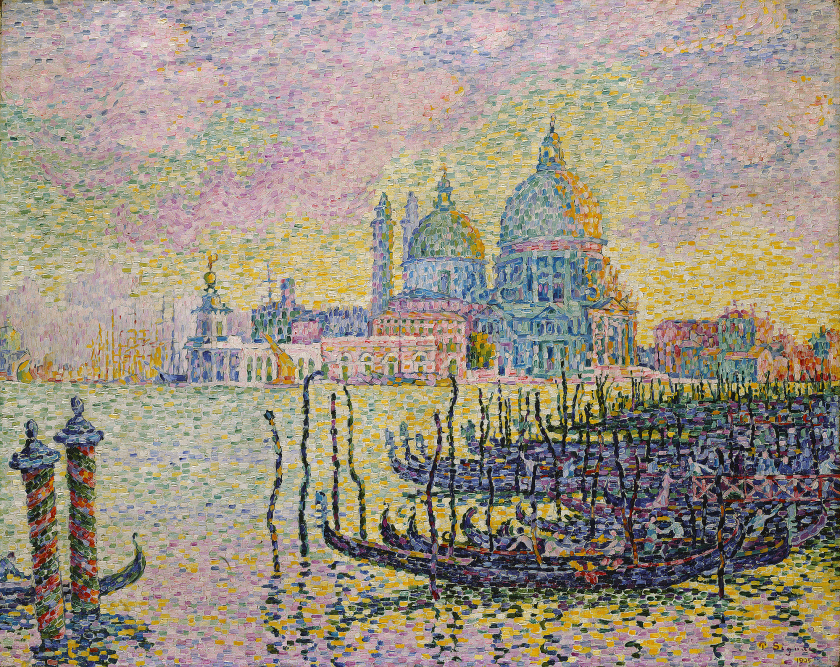
Entrance to the Grand Canal - Paul Signac
The great painter Claude Monet was also captivated by the beauty of Venice. Arriving there at the age of 68, he enthusiastically created 37 paintings. He spent time observing and simulating the effects of light from changing air conditions combined with fog, thereby accurately depicting the shifting of each scene.
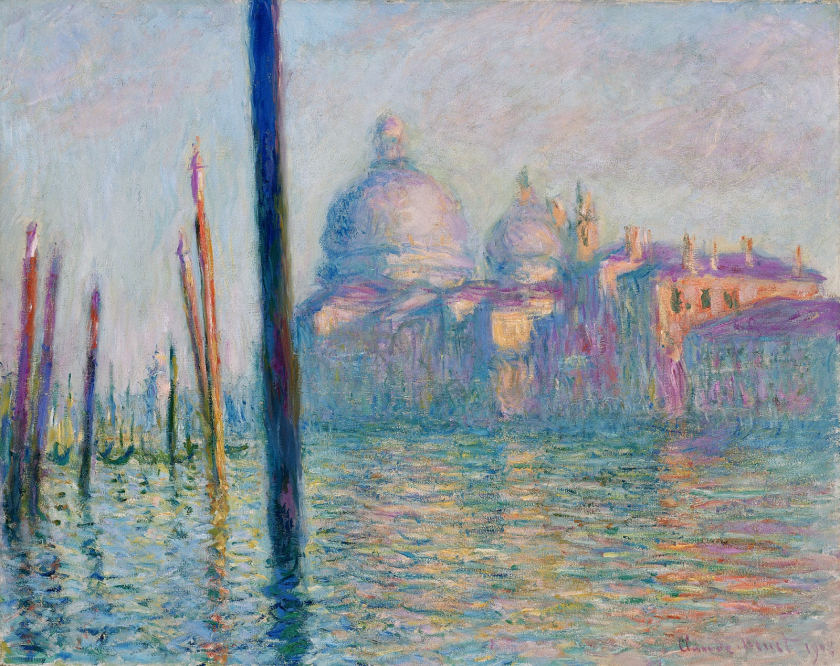
The Grand Canal in Venice - Claude Monet
"It's a pity I didn't go to Venice when I was younger and more adventurous..." - Claude Monet wrote in a letter to Gustave Geffroy.
Today, the museums here still attract visitors from all over the world to explore the colorful world of art. While the Gallerie dell'Accademia immerses visitors in the glorious Renaissance period, Ca' Pesaro International Gallery of Modern Art showcases masterpieces of 19th and 20th-century art from names like Gustav Klimt and Auguste Rodin…
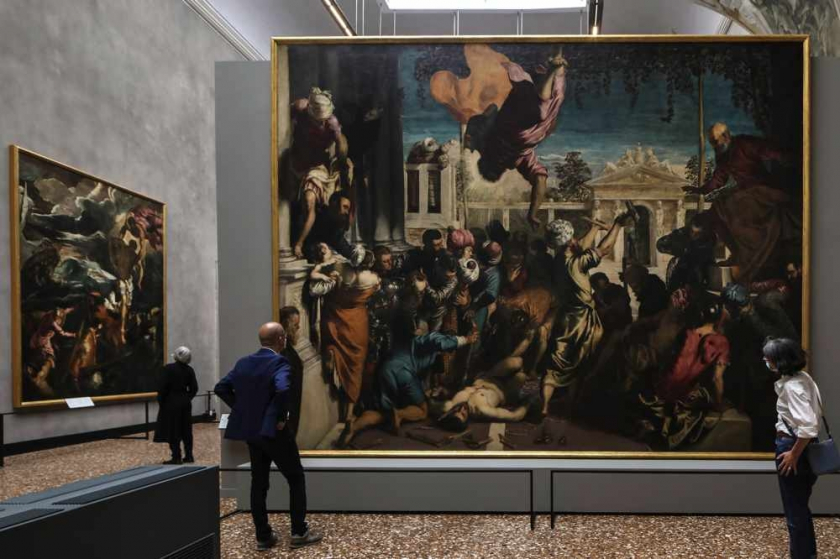
Gallerie dell'Accademia museum in Venice (Italy)
New York
Since the 19th century, New York has become a major commercial and financial center of the United States. Rapid economic growth, coupled with cultural flourishing, has transformed the "Big Apple" into a hub of artistic excellence.
1913 marked a pivotal moment in New York's art history with the inauguration of The Armory Show, where art lovers had access to 1,300 paintings and sculptures from around the world, including England, Ireland, Germany, France, and Switzerland. These works challenged traditional aesthetics and offered new perspectives on subject matter, color, and expression. This event ushered America into a golden age of art, while New York served as the first stage for avant-garde art.
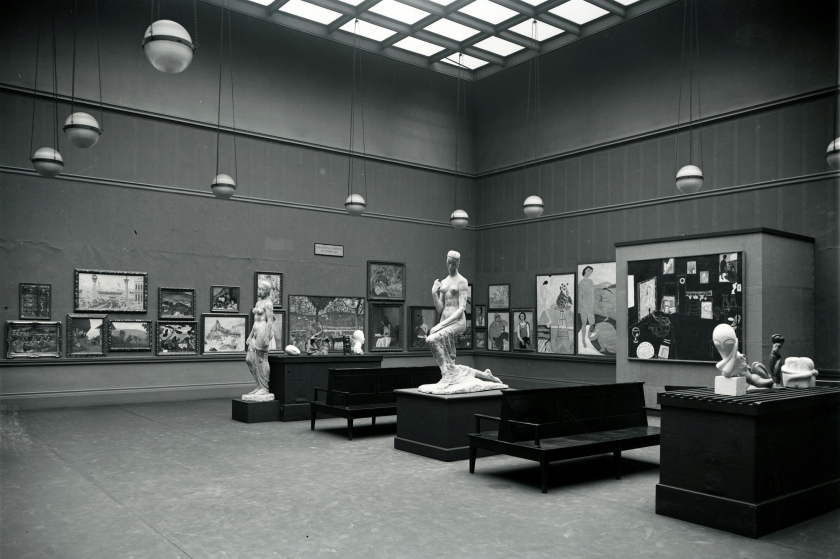
The Armory Show, 1913
On the other hand, New York is also a place where people from all walks of life flock to with their "American Dream." This creates a unique energy that permeates every corner, forming a vibrant and inspiring atmosphere for artists to create art. Even during the Great Depression, art continued to thrive with the belief that it is the foundation of life and democracy, while also fostering resilience and national pride.
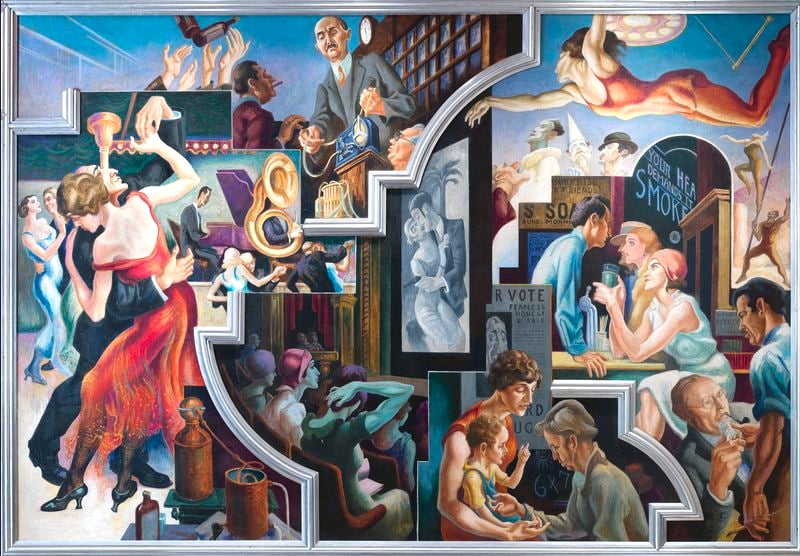
City Activities with Dance Hall - Thomas Hart Benton
The rhythm of life in New York, its economic development, and its social and political influences have also been subjects and inspirations for many artists. A prime example is Edward Hopper, known as the "painter of solitude." He was deeply connected to the city through its urban landscapes, the windows of buildings, bars, cafes, restaurants, gas stations… all of which he recreated in many of his famous works.
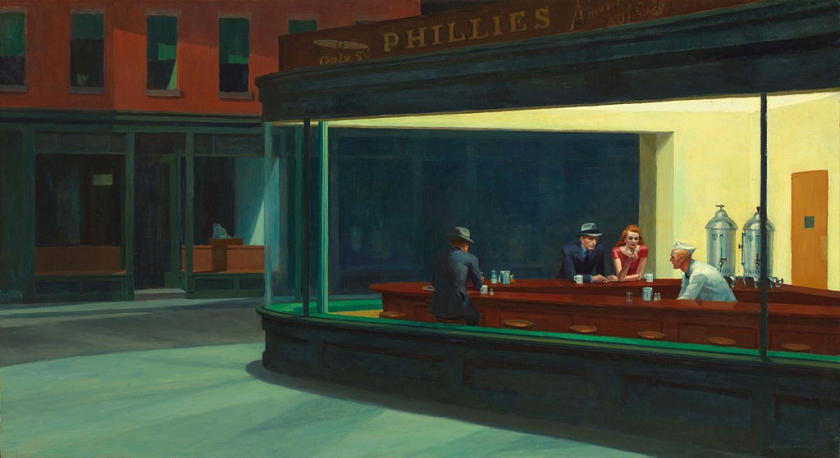
Nighthawks - Edward Hopper
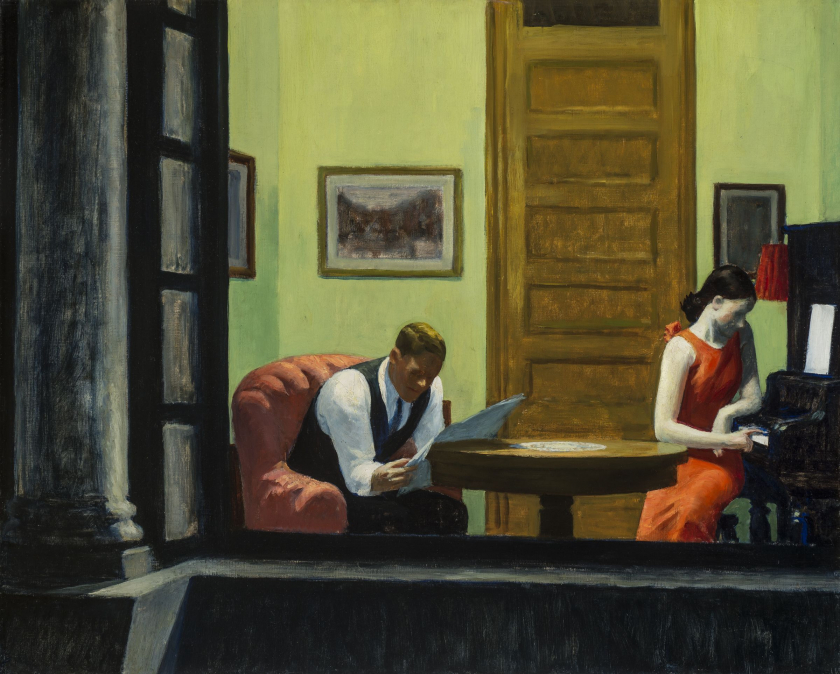
Room in New York - Edward Hopper
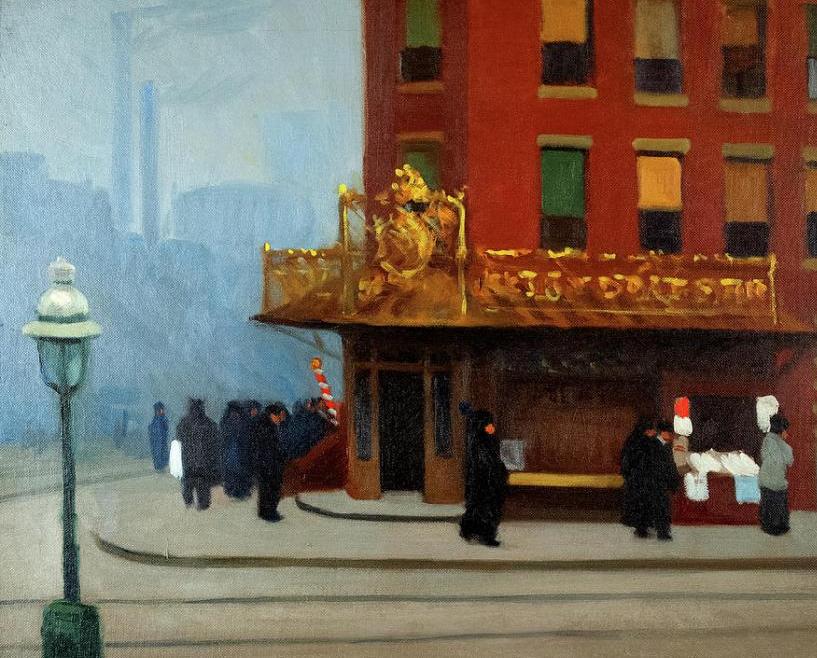
New York Corner - Edward Hopper
Today, New York remains a center of art in America. The vibrant life here never runs out of material for generations of artists to freely explore and express their individuality and style, rather than being confined to a specific image. Visitors can easily find glimpses of this city's charm in the paintings at The Metropolitan Museum of Art, the Museum of Modern Art (MoMA), the Whitney Museum of American Art, and others.
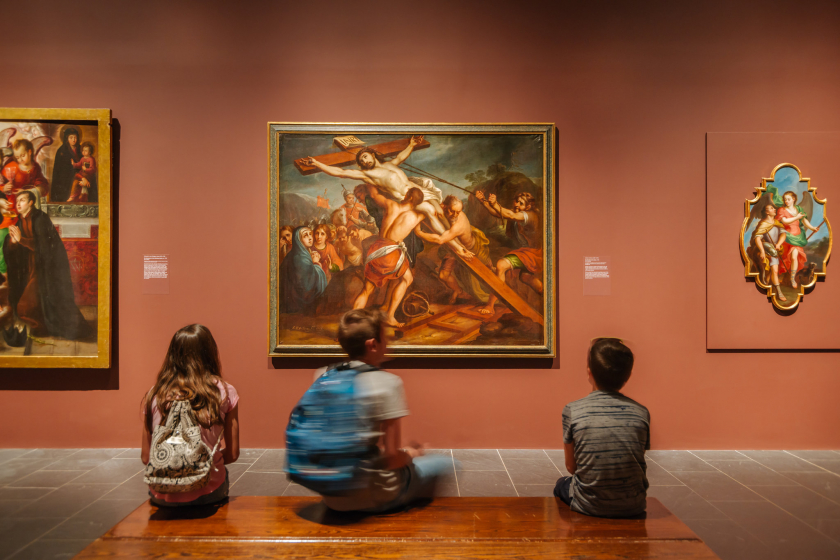
Metropolitan Museum of Art in New York (USA)