VI
VI


According to information from the Ho Chi Minh City Department of Tourism, from the beginning of May to mid-July, tourism activities in the city quickly recovered. However, from the end of July, when the second wave of Covid-19 outbreaks began in some provinces and cities, tourism here almost "froze".
In many key tourist provinces and cities in the Southeast region such as Ba Ria - Vung Tau or in the Southwest region such as Can Tho and Ben Tre, the number of tourists decreased by 70-90% in just 15 days of August compared to the same period last year. At many tourist areas and attractions that remained open to visitors, despite ensuring disease prevention measures, the number of visitors was still very low.
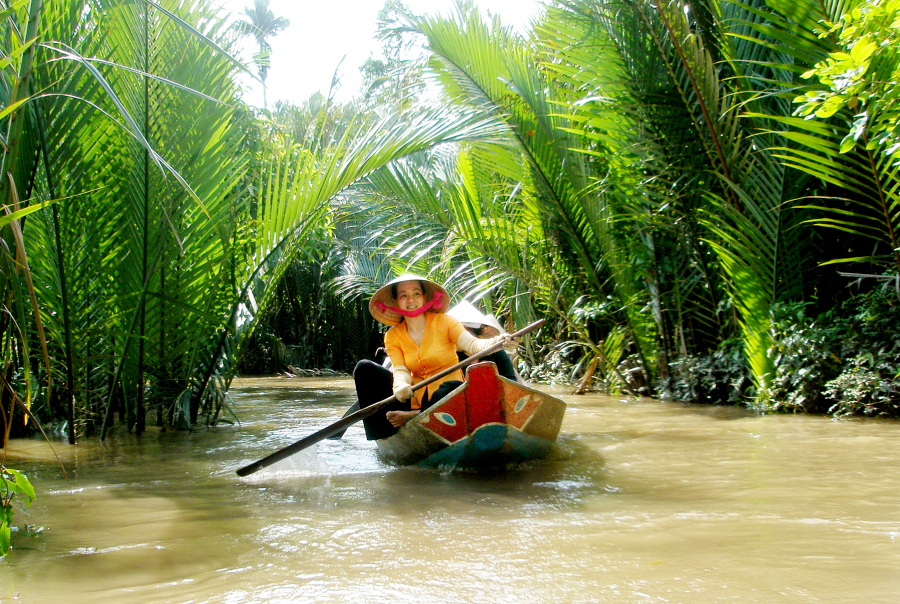
At many accommodations, resorts, and travel companies, tours and services booked in August have mostly been canceled by tourists. Even many tourists who had booked services for September are requesting cancellations, despite the fact that, to date, localities in the Eastern and Southwestern regions of Vietnam remain safe destinations with no community transmission cases of Covid-19.

In light of this situation, the Ho Chi Minh City Department of Tourism has also proposed solutions for tourism recovery to the Ho Chi Minh City People's Committee and the Ministry of Culture, Sports and Tourism. If the epidemic is controlled by the end of August or September, Ho Chi Minh City will prepare tourism products and be ready for programs connecting with provinces in the Mekong Delta, Northwest, Northeast, and even the Central Highlands. If the epidemic is not controlled until the end of 2020, attention should be paid to solutions for training and restructuring the tourism industry.
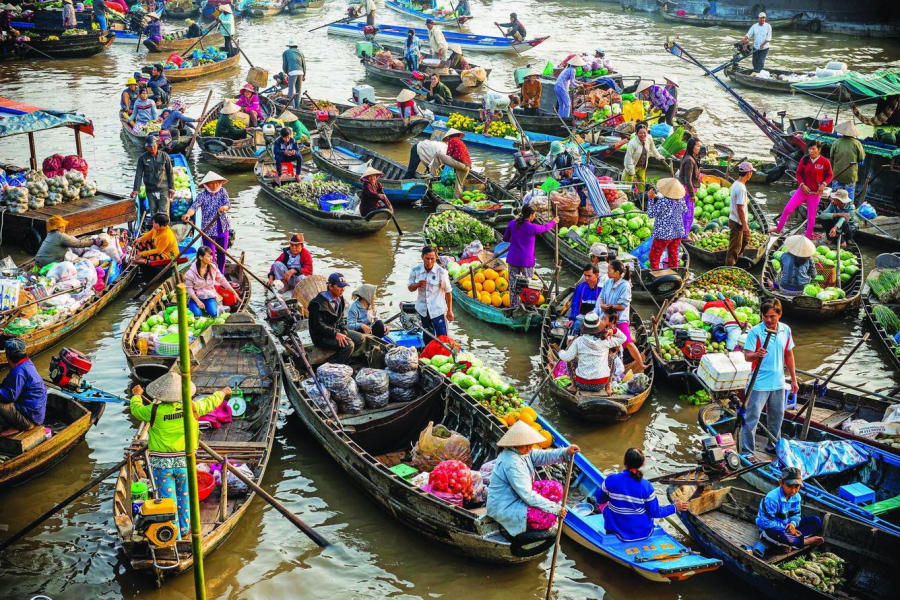
According to the leaders of the Department of Culture, Sports and Tourism of Can Tho City, as early as June 2020, the Department issued guidelines on implementing safe tourism criteria in the prevention and control of the Covid-19 pandemic for tourism businesses in the city, with three sets of criteria suitable for each sector of tourism activities: accommodation establishments, travel services, and tourist areas and attractions. Businesses that meet the safe tourism criteria will be included in the Safe Tourism Map of Can Tho City by the Department of Culture, Sports and Tourism and introduced through mass media.
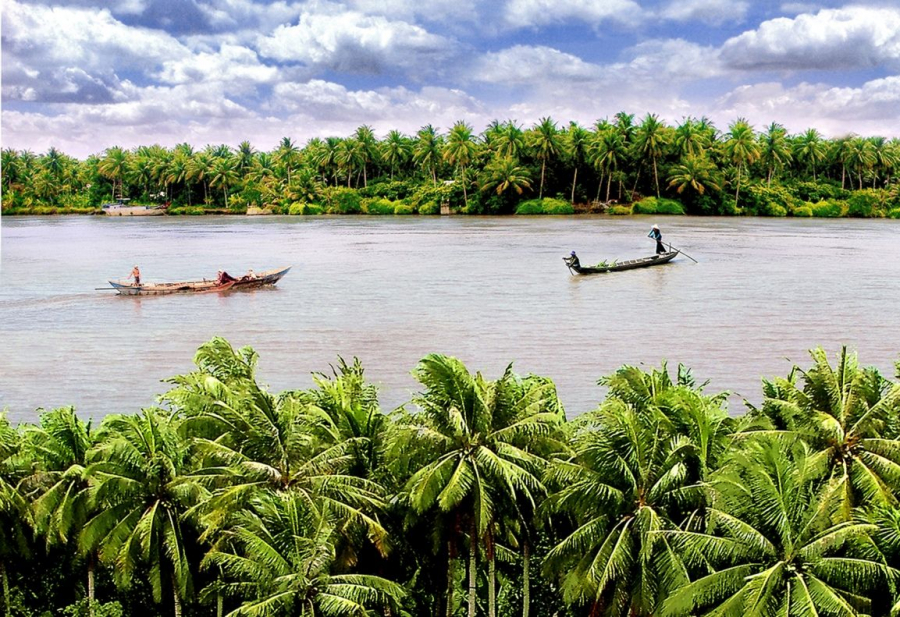
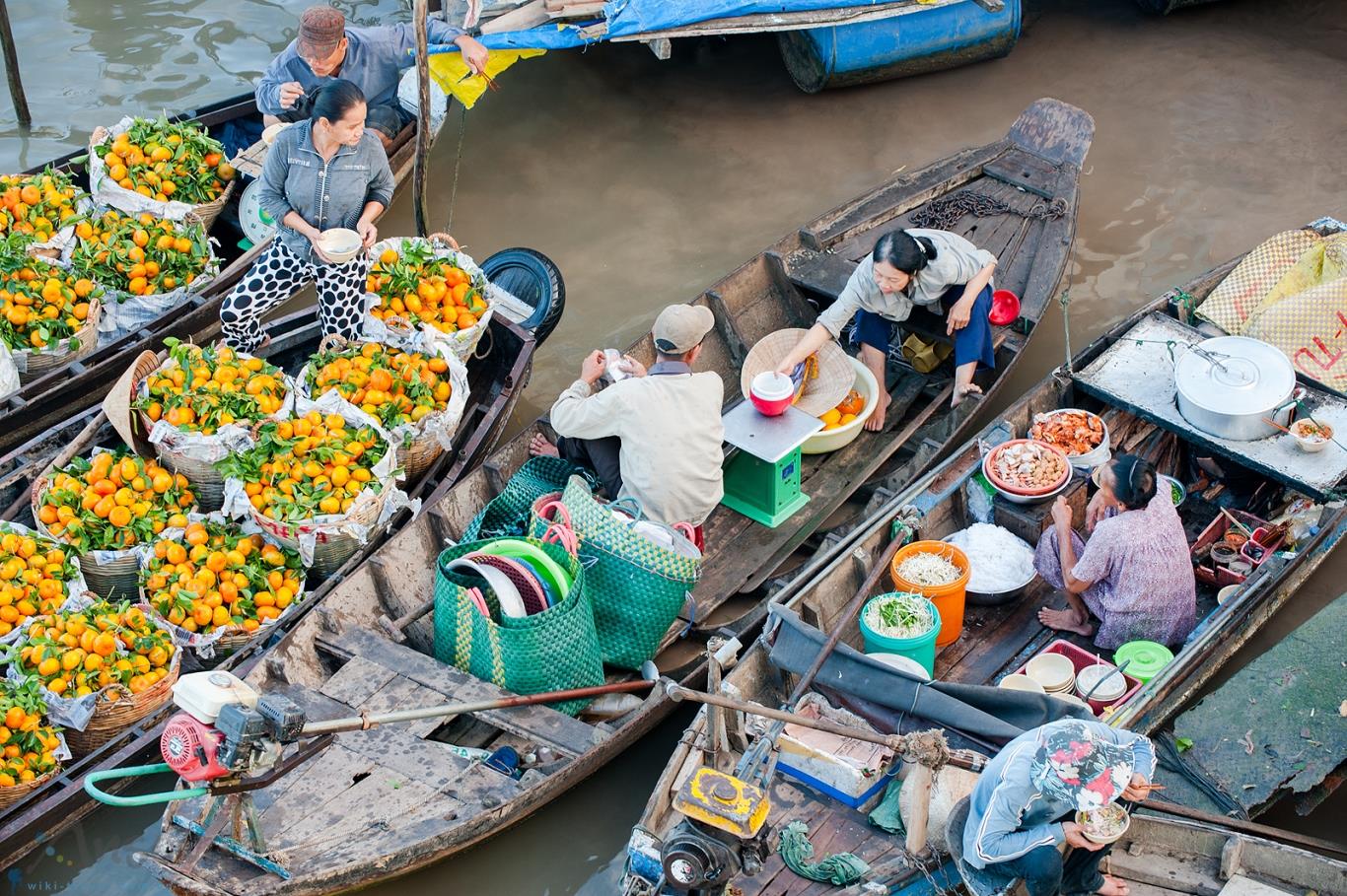
In Ben Tre, many businesses in the travel and tourism sector maintain the reception of tourists while strictly implementing disease prevention measures. Tours are flexibly designed by companies on a small scale, with destinations in airy, nature-friendly spaces, primarily focusing on experiential and exploratory activities related to coconut trees – a characteristic tree of Ben Tre – such as walking under coconut trees, visiting the coconut market on the river, and lighting coconut leaf torches.