What's so fun about traveling to unspoiled places?
13/09/2019
Most of us tend to travel to bustling places with modern amenities and technology. There, we can easily take stunning photos, and then we start wondering: "Is this photo good enough to post online? Will it get many likes if I post it now?"... So, what's the fun in a trip where those amenities are absent?
Invaluable lessons from nature
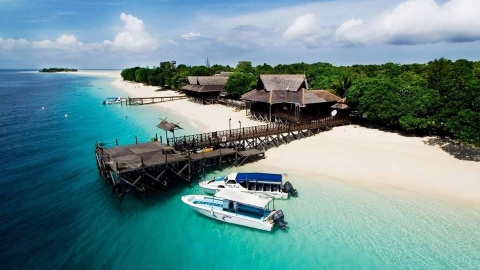
When I decide to travel to remote, secluded places where modern amenities like phone signal or internet are unlikely, I mentally prepare myself to focus entirely on the present moment. This allows my five senses to be fully engaged, leading to a more thorough and meticulous observation of things. For example, when visiting a deserted island, I spend more time admiring the scenery, examining the shapes of the rocks, the abundance of vegetation, and anything new and interesting. In this way, I always discover new and unique perspectives, never feeling bored.
On a trip free from the hustle and bustle of everyday life, you'll undoubtedly have plenty of time to learn and experience "real-world" things. You'll learn how to climb trees faster, how to find water like a local, or discover interesting tips from the people after spending time and genuinely interacting with them.
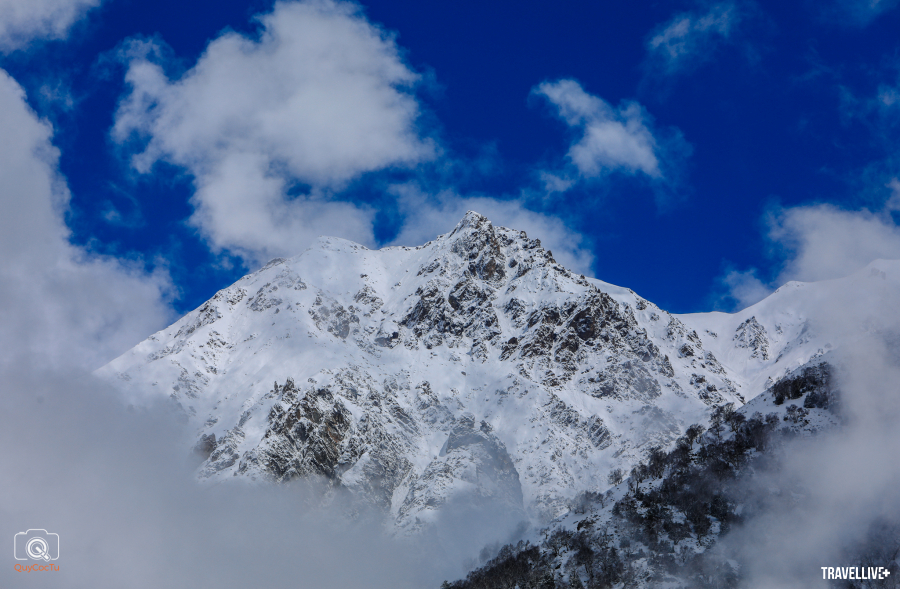
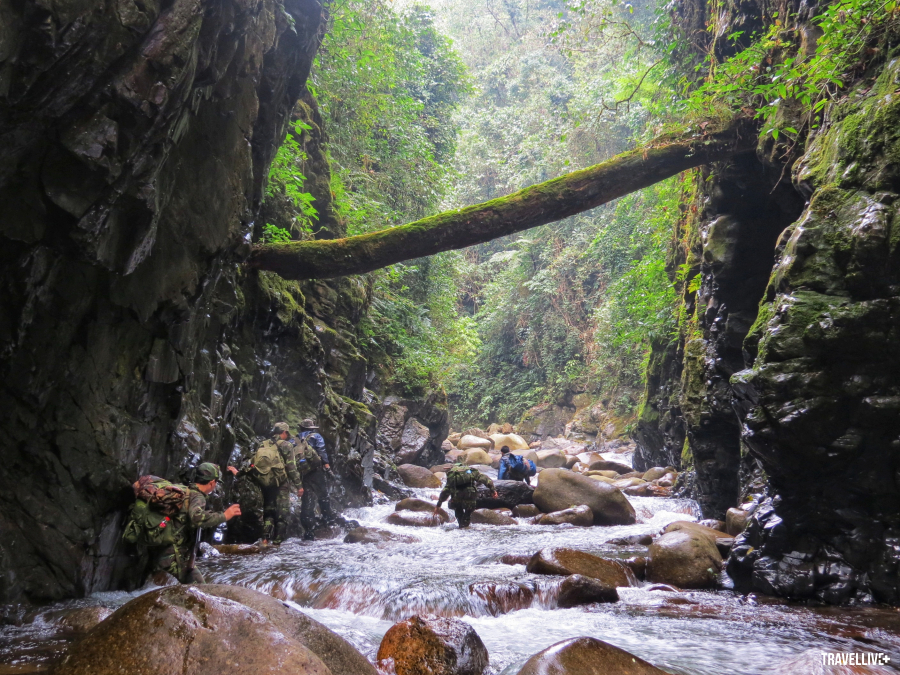
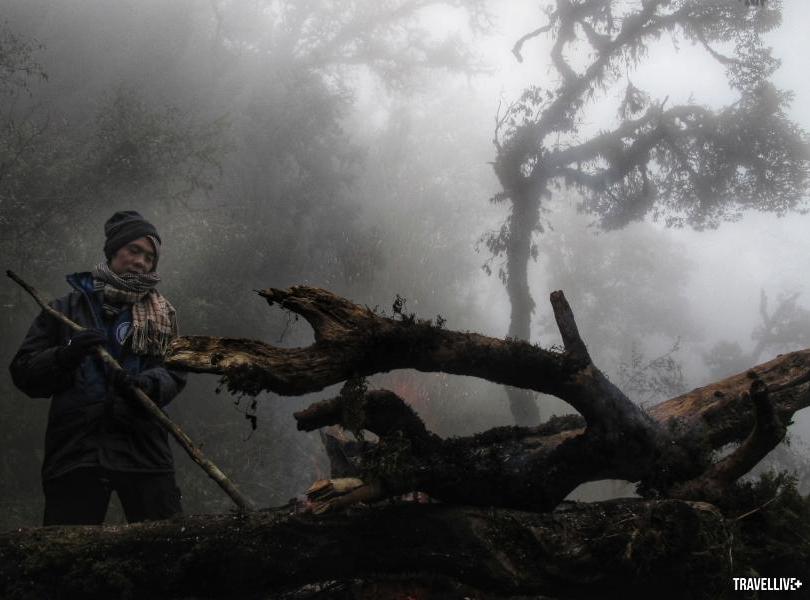
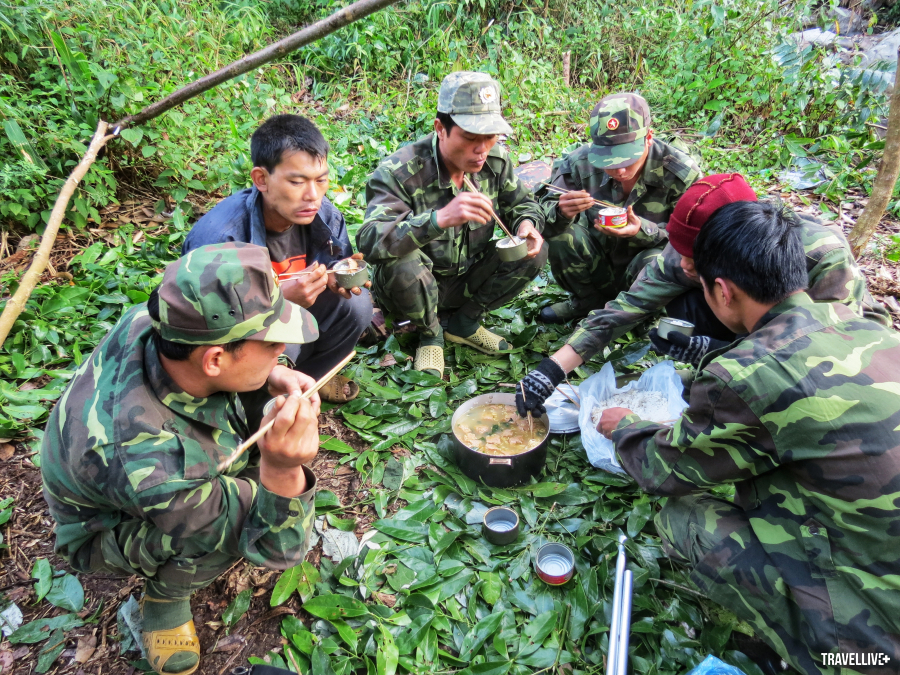
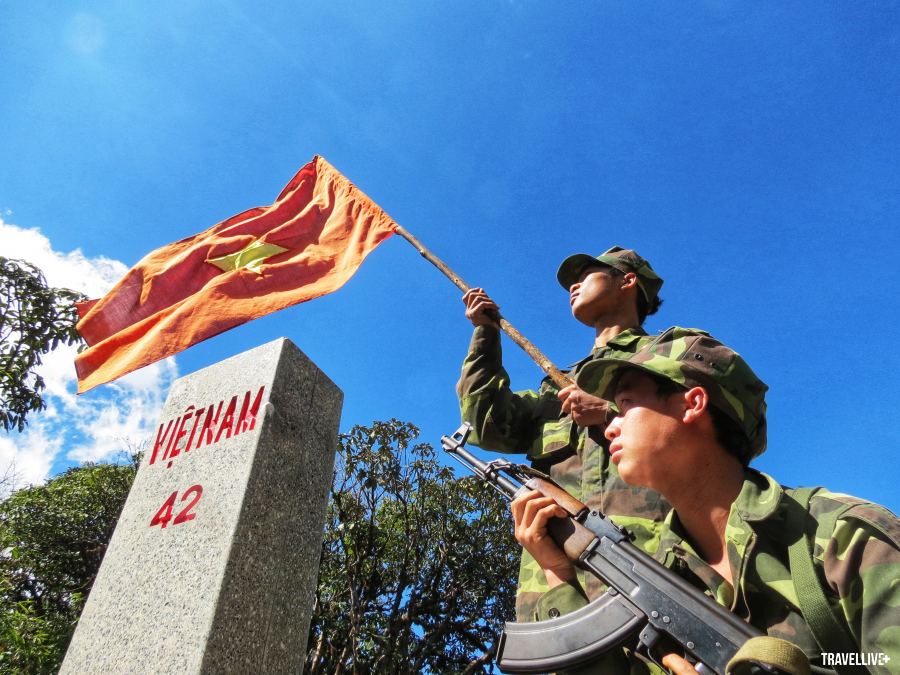
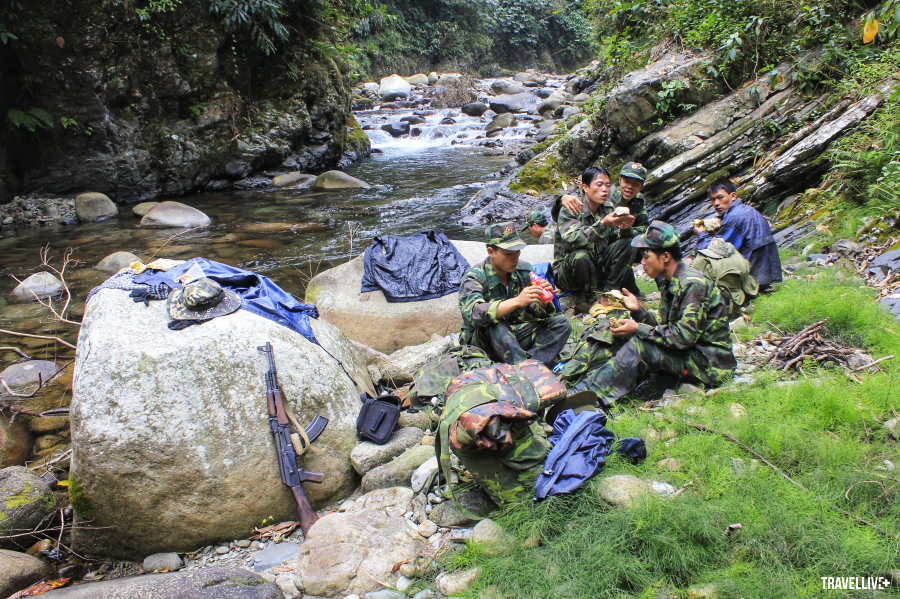
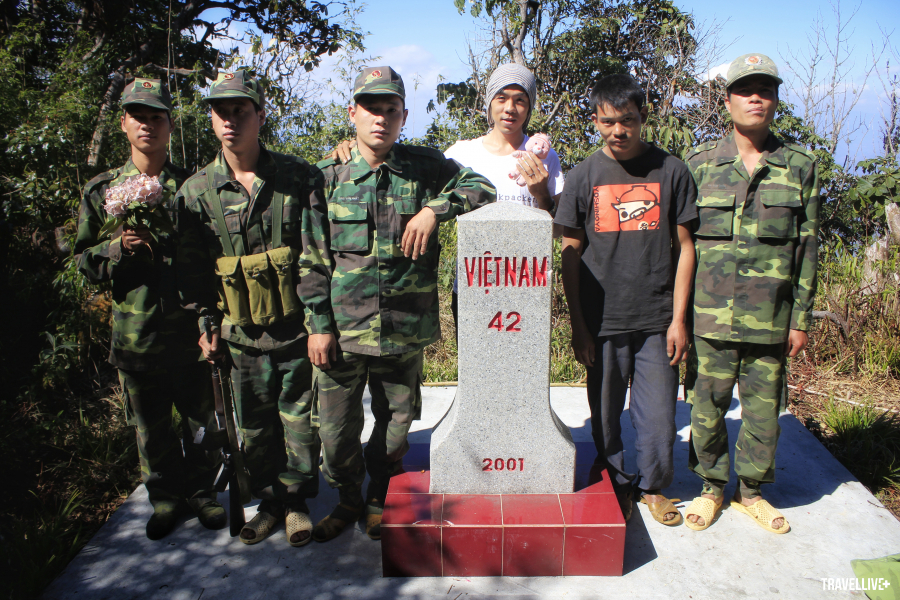
I remember the trips to the border, to milestone 79, the highest in Vietnam, and milestone 42, the second highest in Vietnam. I spent days deep in the jungle. These were places with absolutely no internet or phone signal… It was during these times that I had to concentrate intensely on learning. The La Hủ ethnic people and border guards who accompanied me showed me different types of grass, which were edible and which were not. I was taught how to distinguish poisonous plants, how to read the wind direction to know when it would rain, and how to choose the right location for setting up camp by the stream, and the distance from the stream to the campsite… Throughout the trip, I had to listen and remember everything with all my heart. When the journey ended, I realized that not only had my body become stronger, but I had also gained a wealth of knowledge and skills, and understood many more beautiful things about nature.
profile
Full name: Ngo Tran Hai An
Date of birth: October 29th
Hometown: Bao Loc, Lam Dong
Living in: Ho Chi Minh City
Work experience: Previously worked in the IT industry. Currently runs my own photography company, is a photojournalist at Zing, and contributes content to various newspapers and magazines about travel.
Number of countries visited: Over 40 countries from Asia to Europe and parts of Africa
Plans for the rest of 2019: Explore the islands of Thailand, return to Hokkaido in Japan, visit Inner Mongolia, Spain & Italy, Singapore, and South Africa.
Embrace human kindness.
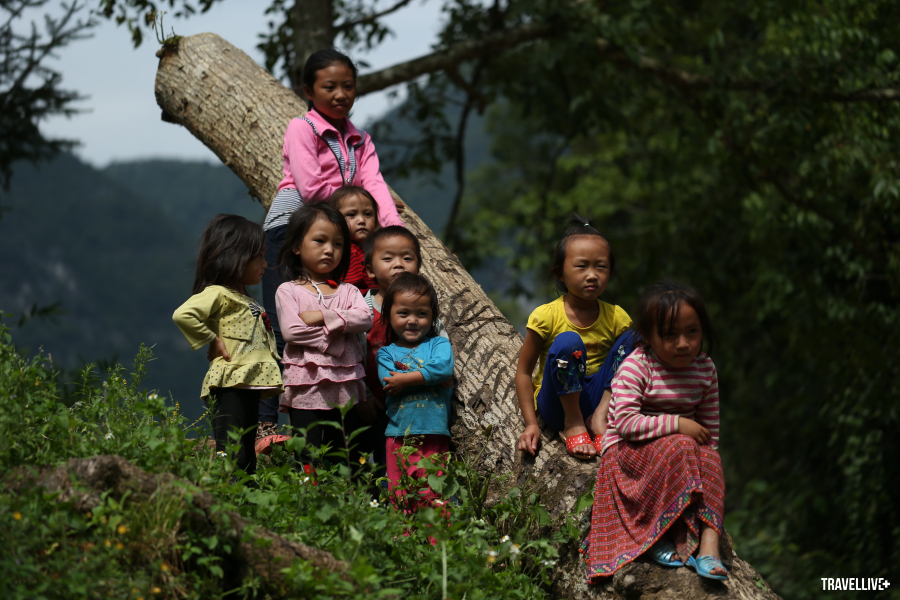
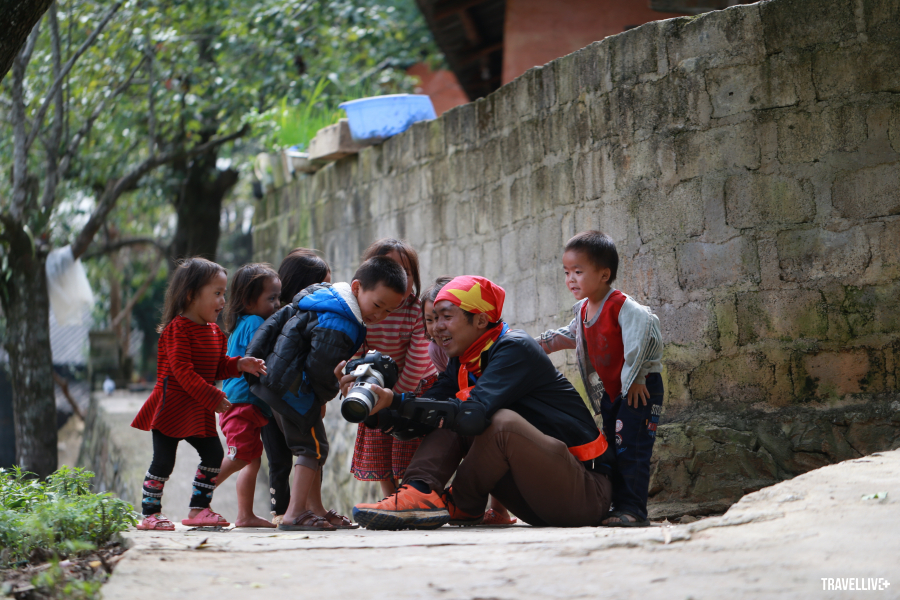
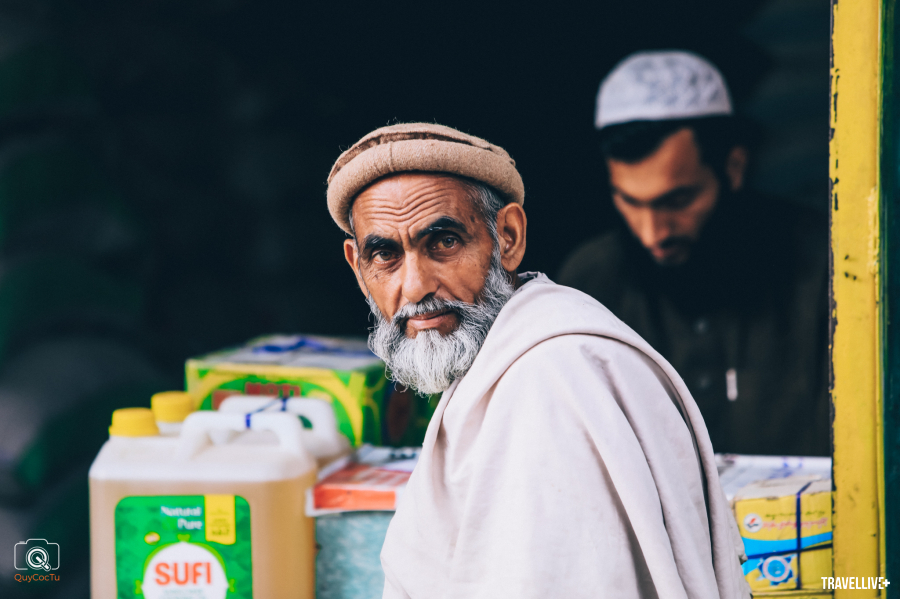
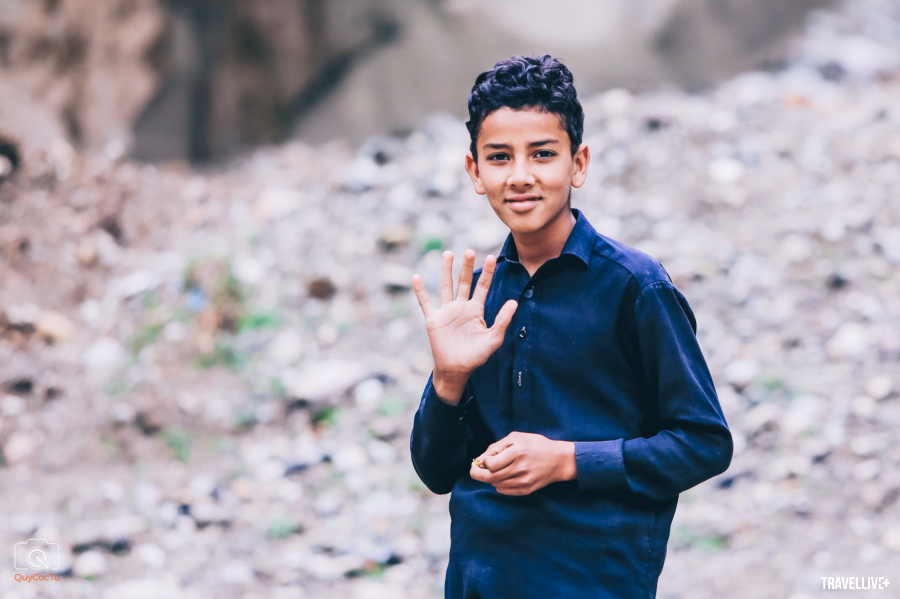
Wilder, secluded places are often where the locals are very hospitable. Because they only interact with their neighbors and rarely encounter strangers, they will always be happy and welcoming to give you a warm and thoughtful welcome.
I remember my first visit to Meo Vac in 2004. It was very late when I arrived. I went to a local's house to ask if I could stay the night, and they immediately welcomed me warmly. They were so hospitable that they even moved their blankets and pillows to the floor to sleep on their bed, giving me the whole bed. They even prepared a chicken for me to eat. But nowadays, that's probably unlikely to happen because Meo Vac has become a tourist destination, though unspoiled, it's no longer deserted. The locals are used to tourists from all over having to pay to stay overnight. Perhaps they no longer feel the same overwhelming joy or wonder as they did in the past!
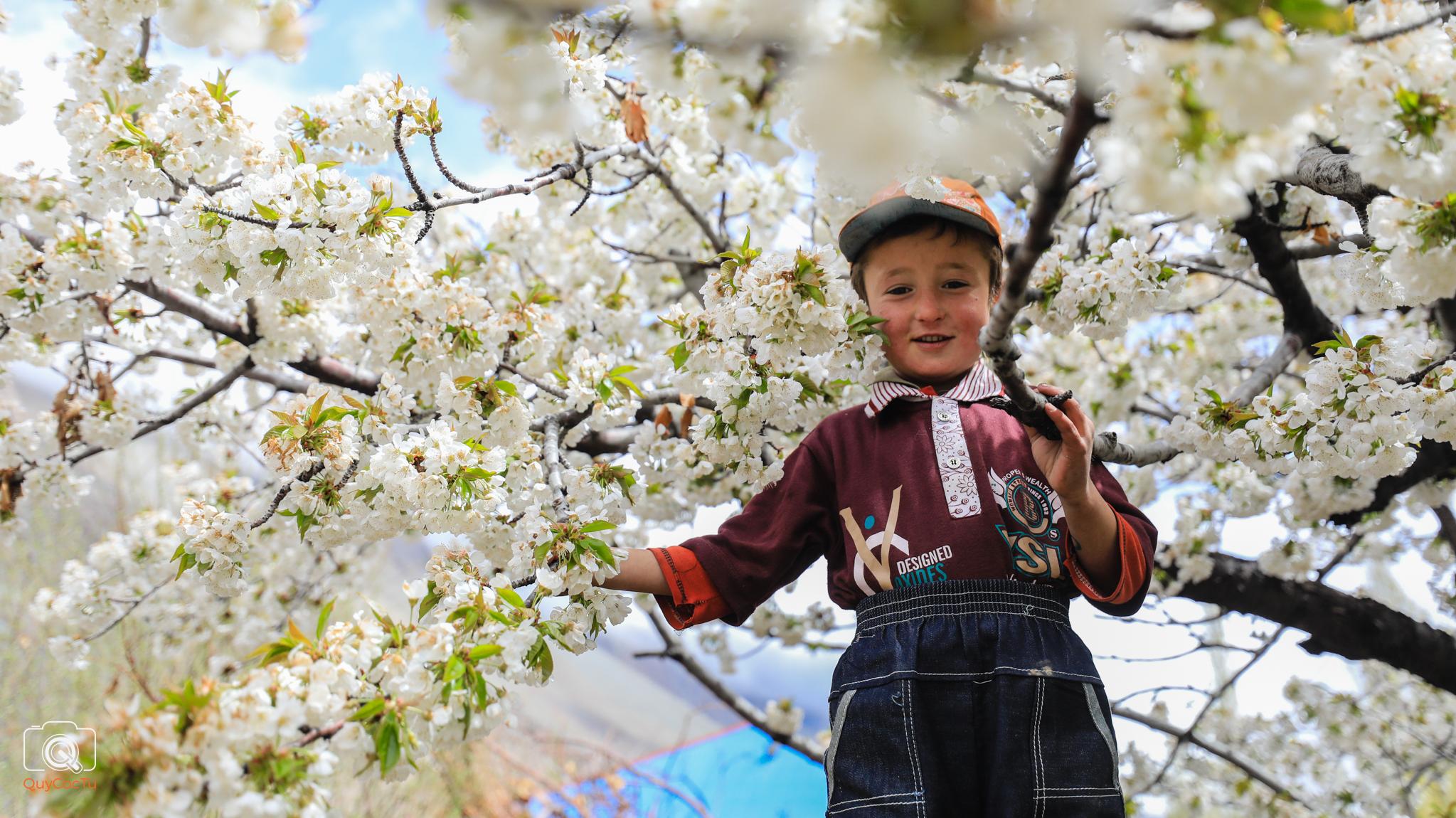
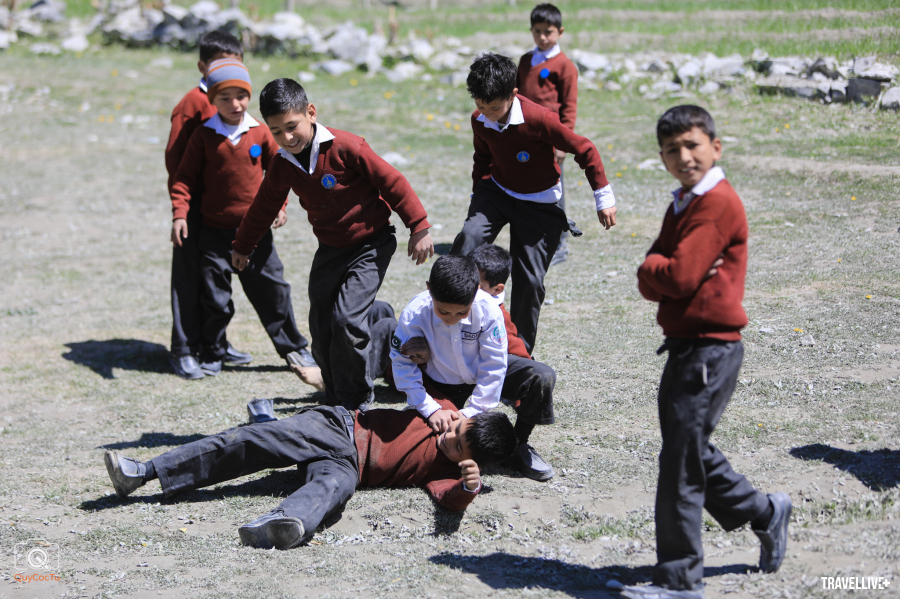
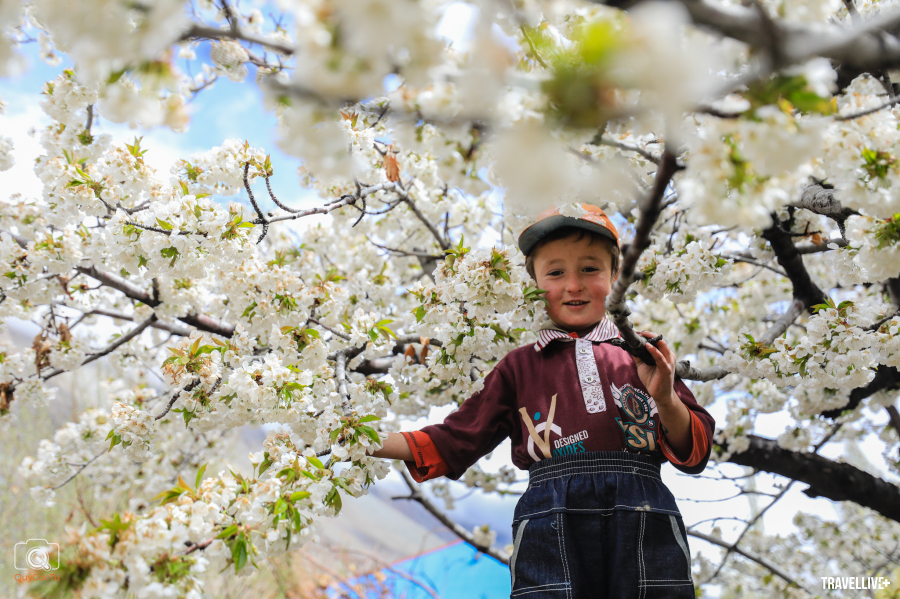
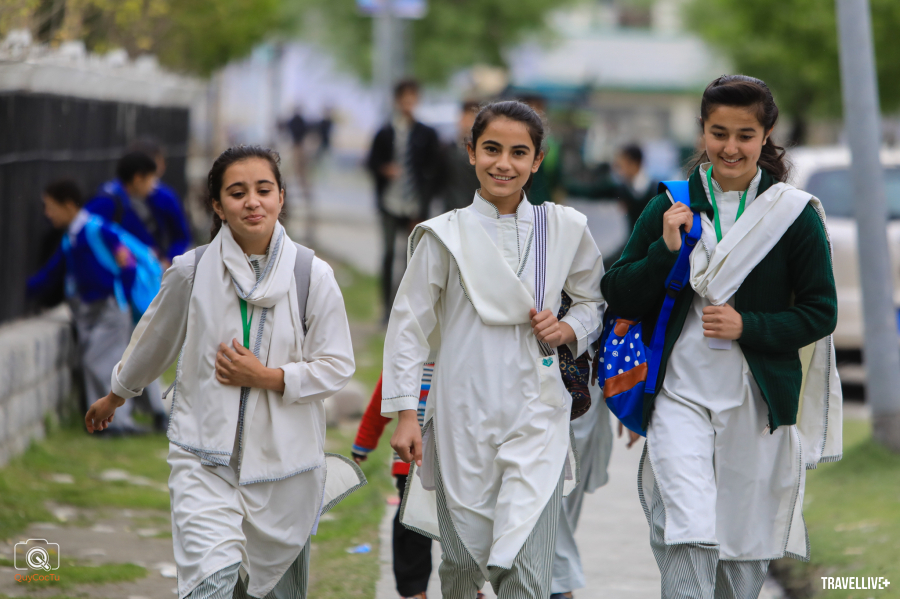
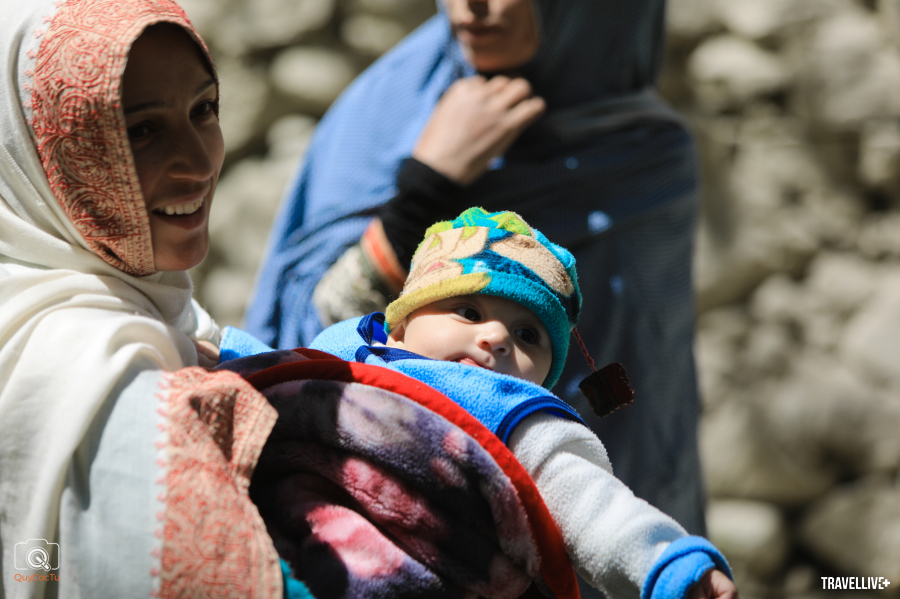
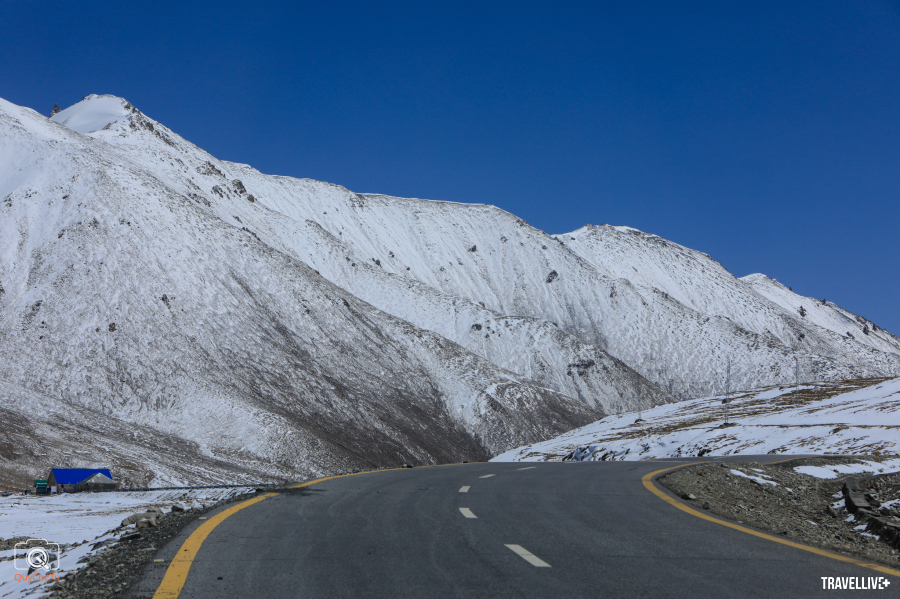
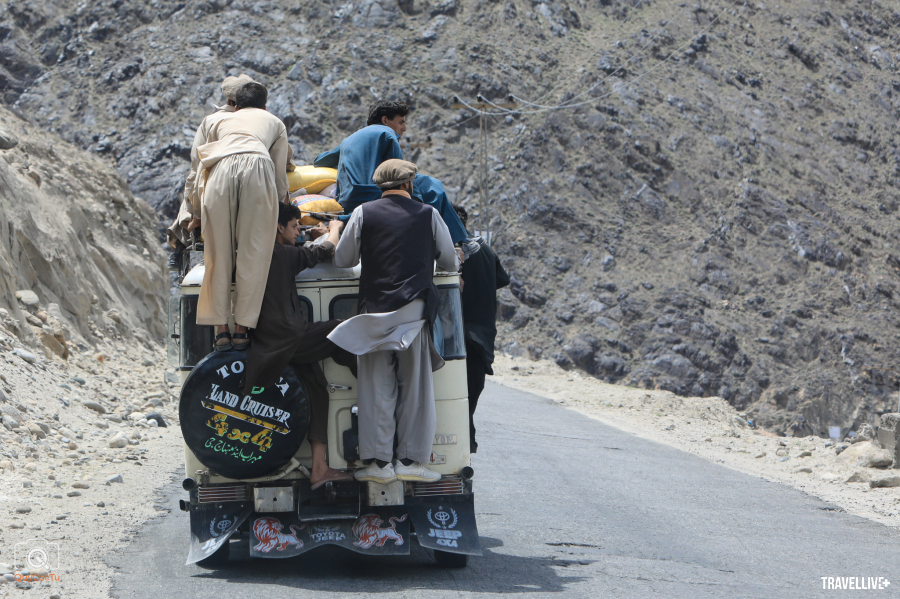
There have been times when I've traveled to remote areas, and not just one household, but the entire village has come out to welcome me. These endearing characteristics aren't unique to Vietnam; when I travel abroad, people elsewhere are just as hospitable. On a recent trip to Pakistan, when I arrived at a village right at the border between Pakistan, Afghanistan, and China, an entire school – from the principal and teachers to the students – enthusiastically greeted me. They offered me barley bread and Chai (milk tea). When I left, the students crowded the schoolyard, waving goodbye, leaving me both surprised and deeply moved. These are the kinds of emotions you won't find on ordinary trips.
It was during these less noisy and bustling trips that I learned the most lessons about nature, people, and humanity. If I were in Saigon, my friend and I would live in constant anxiety and vigilance, fearing robbery or being cheated. But in the remote areas I visited, the locals treated each other and tourists without any suspicion or distrust – even though they didn't know who I was. I used to think that people in those remote areas were backward, but it turned out they behaved much more civilly than people in the city.
Sometimes miracles happen.
Wildernesses and remote areas are often places few people have ever set foot in, so they will undoubtedly evoke a sense of pride in being there. That feeling will motivate both your body and mind to explore. Your hearing, taste, sight, smell, and touch will be fully engaged. And from there, miracles sometimes happen.
One afternoon, I visited border marker 69 on the Vietnam-China border. In the afternoon sun, I suddenly imagined so much about my ancestors, how they fought and sacrificed to protect the land for their descendants, so that I could now stand here. That single moment, even after returning to my current life, still occasionally reminds me of it, providing motivation to live and strive harder.
In every remote and undeveloped area I visited, I encountered numerous difficulties and obstacles due to the lack of infrastructure and treacherous roads. But once I had fully utilized my thinking, senses, and skills to overcome those challenges, I always returned with the belief that I possessed the courage and ability to overcome any future difficulties.

 VI
VI