VI
VI




According to statistics from the General Department of Tourism, the tourism industry needs nearly 40,000 additional workers each year, but the number of students graduating from specialized programs is only about 15,000 per year. Of these, only over 12% have a college degree or higher.


Of the 1.3 million tourism workers nationwide, only 42% have received tourism training, 38% have transitioned from other fields, and approximately 20% have not received any formal training.
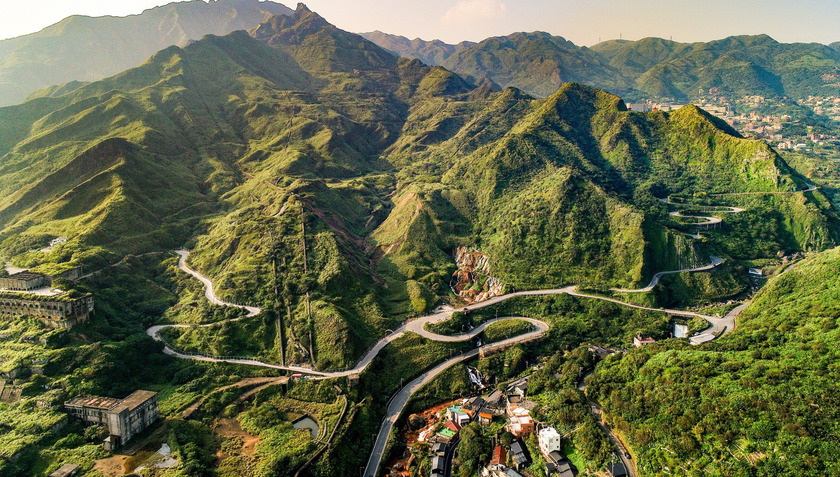
Vietnam's tourism industry is in a growth phase but is facing a severe labor shortage.
According to a report by the National Tourism Administration, Vietnam is expected to welcome approximately 18 million international tourists in 2025, requiring a workforce of around 5.5 million people. This will present both opportunities and challenges for those pursuing careers in this field.

Not only is there a shortage of human resources in the tourism industry, but they are also considered weak in terms of professional skills. According to information from the Vietnam National Administration of Tourism, Vietnam's tourism labor productivity is among the lowest in the region, at 3,477 USD/year/person, less than half that of Thailand and only 1/15 that of Singapore.
Thus, reality shows that there is a significant gap between the supply and demand for professional and high-quality tourism human resource training, especially to meet the requirements of rapid growth in the increasingly competitive regional and international tourism industry. This gap is not simply about quantity, but more importantly about quality and labor productivity.

Human resources in the tourism sector play a decisive role in tourism development.
It is evident that human resources in the tourism sector play a decisive role not only in the development of tourism itself, but also contribute significantly to the industrialization and modernization of the country. Therefore, developing human resources in the tourism industry to meet the requirements of rapid and sustainable tourism development, truly making it a key economic sector, and contributing more actively and effectively to the industrialization, modernization, and development of the knowledge economy of the country, is a necessary task stemming from practical demands.