VI
VI


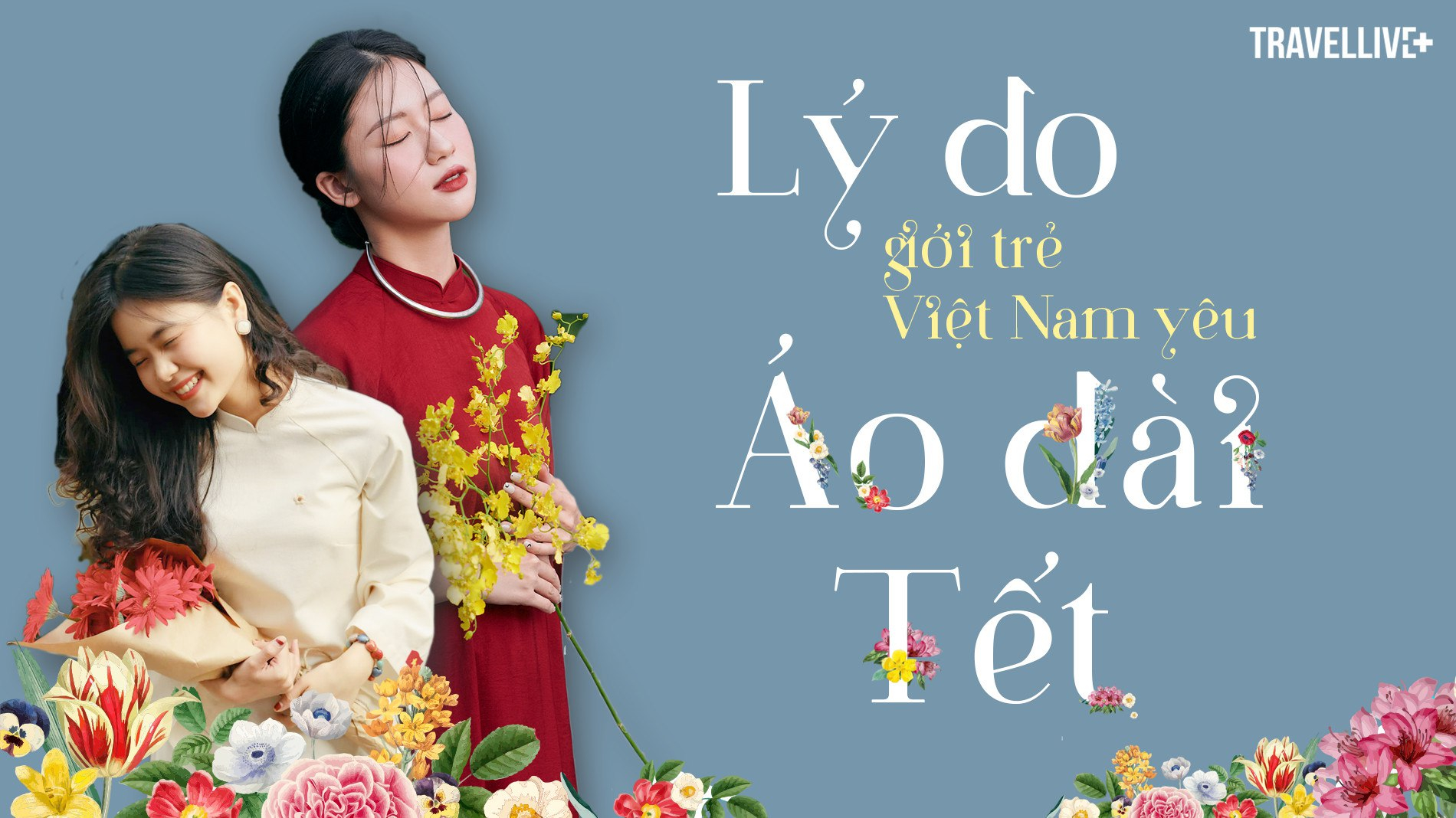
Young people are increasingly favoring the traditional Vietnamese dress (áo dài) for Tet (Lunar New Year).
Since ancient times, the ao dai has always been a cultural symbol deeply ingrained in the consciousness of the Vietnamese people. It embodies countless cultural values and the traditional beauty of the entire nation.
In recent years, the ao dai (Vietnamese traditional dress) seems to have experienced a resurgence every spring. Perhaps the ao dai is the most beautiful image adorning the Tet (Lunar New Year) celebrations. In particular, the ao dai has become a favorite trend among young people. As Tet approaches, everyone eagerly shows off their ao dai and takes photos with peach blossoms or apricot blossoms, making the atmosphere more vibrant than ever.
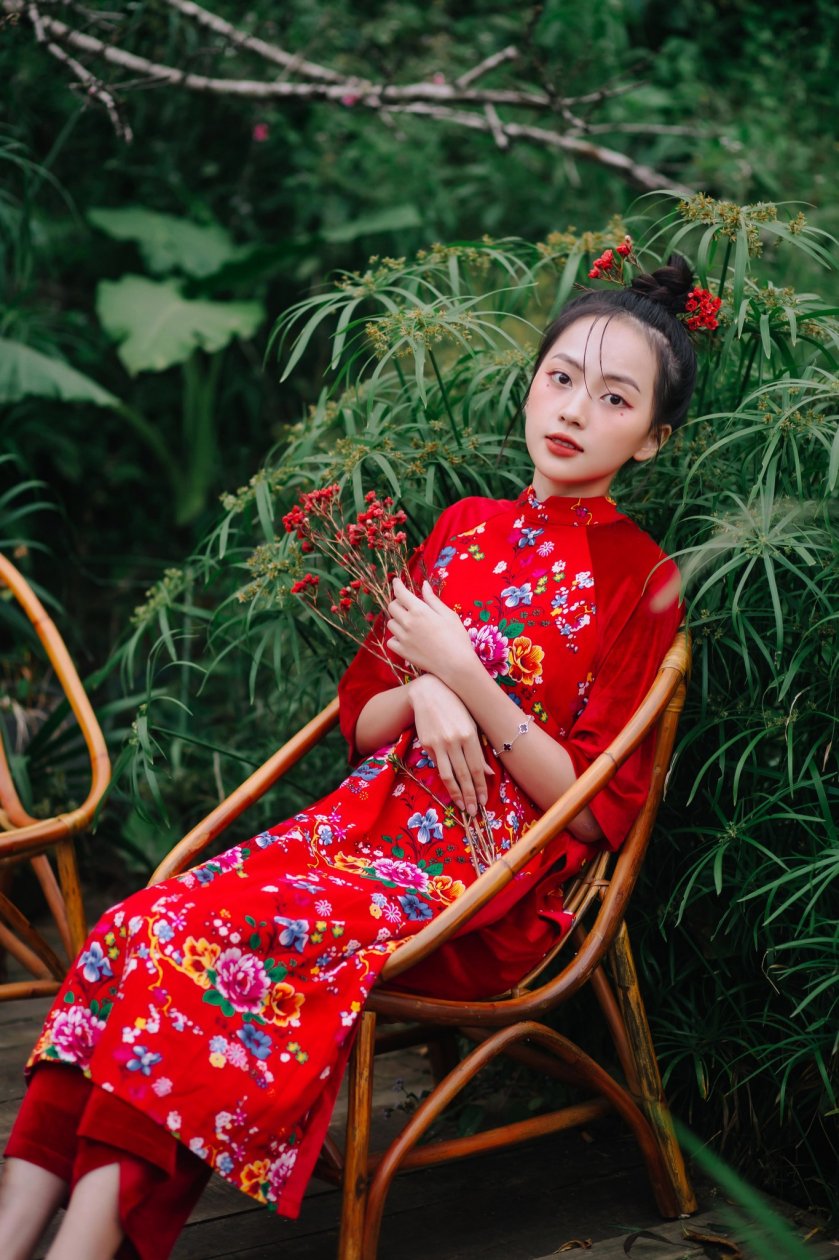
When choosing a traditional Vietnamese dress (áo dài) for Tet (Lunar New Year), Thi Thảo usually bases her choices on bright colors like red and yellow, which are eye-catching and suitable for the occasion, and a youthful style that suits her age. Photo: Nguyễn Tho
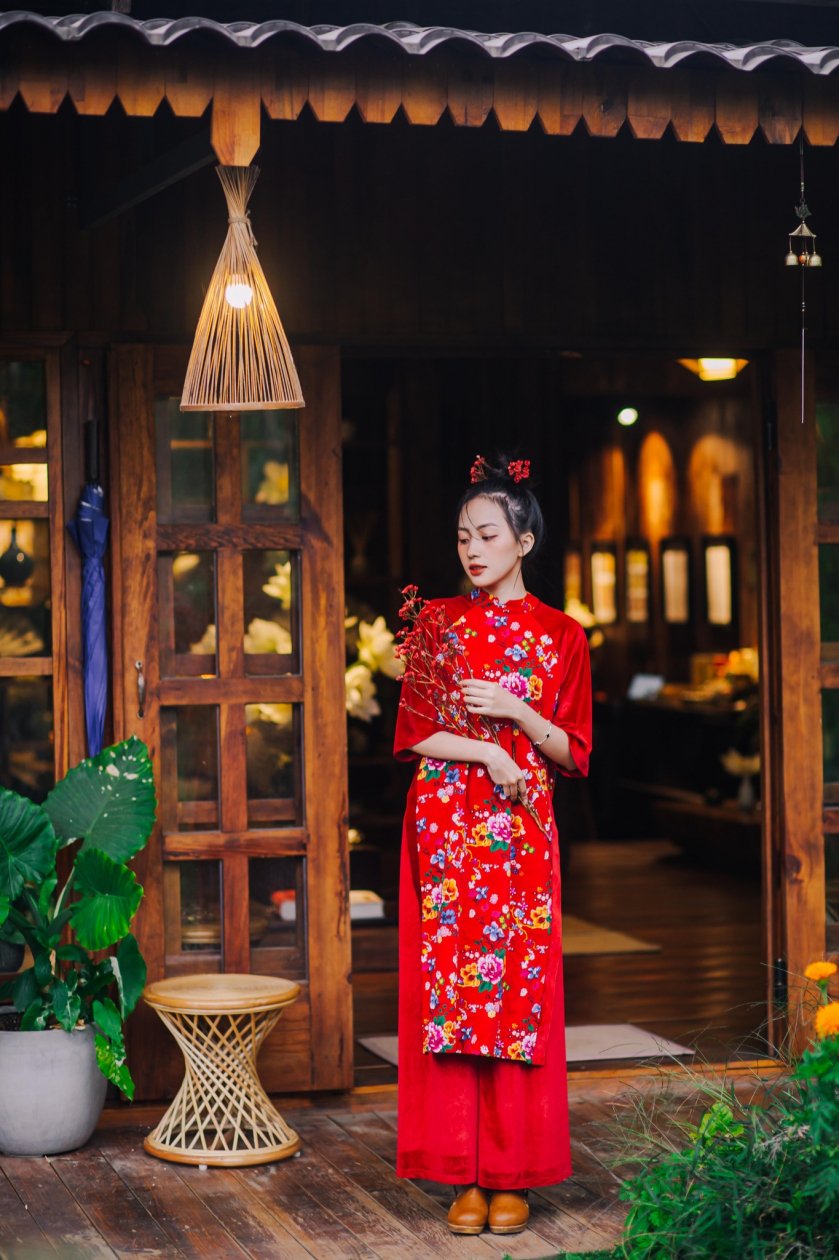
Thi Thảo chose a red velvet ao dai (traditional Vietnamese dress) adorned with vibrant floral patterns. Photo: Nguyen Tho
Thi Thảo (19 years old, Da Lat) shared with Travellive about the current trend of young people liking to wear ao dai (traditional Vietnamese dress): "The trend of young people today liking to wear ao dai for photos during Tet (Vietnamese New Year) is a positive thing, because the ao dai is the traditional attire of Vietnamese people. The fact that young people are embracing, loving, and spreading this trend is good, bringing the cultural symbol of Vietnam closer to everyone. When wearing an ao dai, I always feel very elegant, gentle, and graceful. When choosing an ao dai for Tet, I usually base my choice on bright colors like red, yellow... that stand out and are suitable for the occasion, and a youthful style that suits my age."
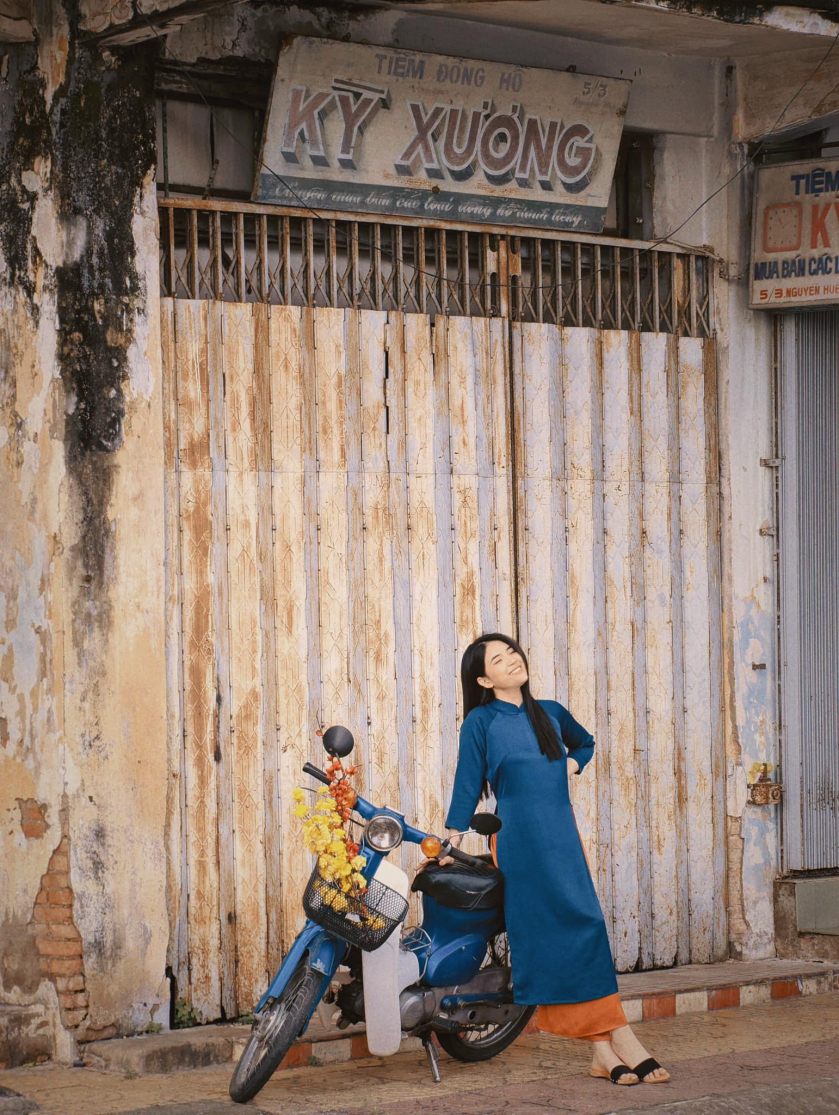
Phi Yen said: "Not only does wearing an ao dai (traditional Vietnamese dress) for Tet photos in my hometown make me feel like I'm back in my school days." Photo: Pham The Hien
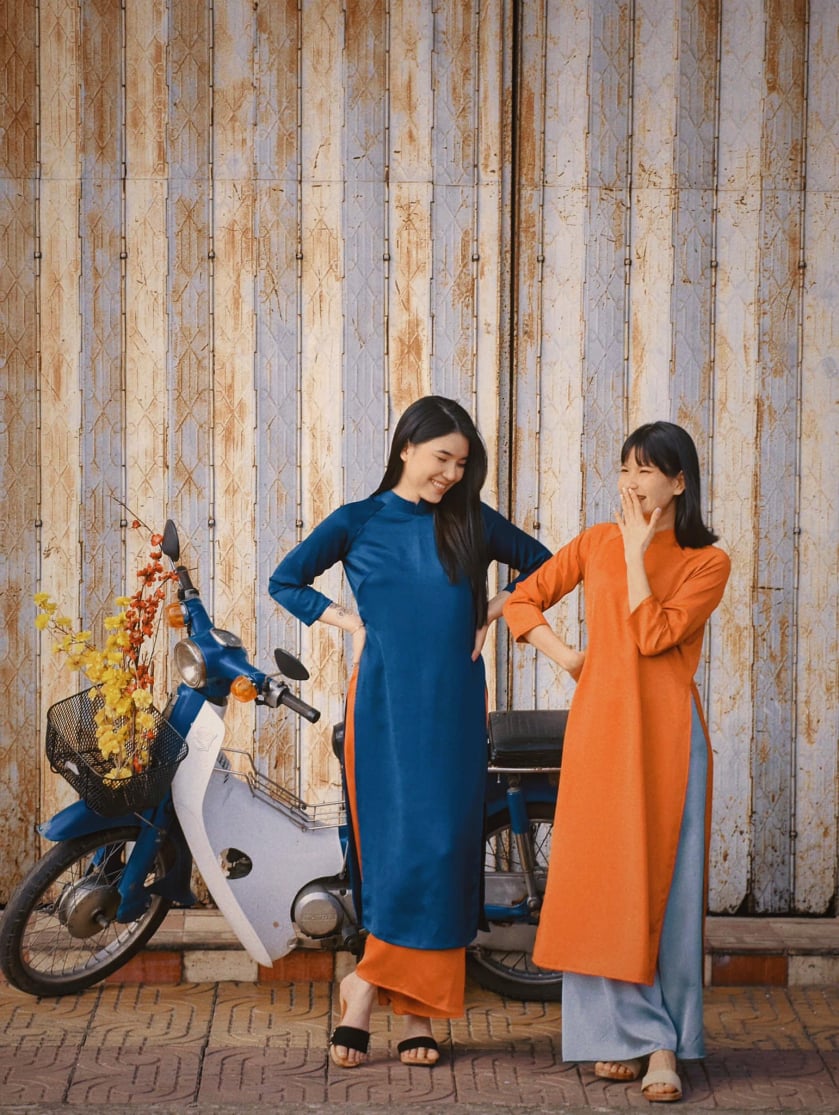
Phi Yến and Kim Thi posed for a vintage-style Tet (Lunar New Year) photoshoot in traditional Vietnamese ao dai. Photo: Pham The Hien
Phi Yen, who currently lives and works in the US, recently took a series of photos wearing traditional Vietnamese ao dai dresses for Tet (Lunar New Year) in Cao Lanh, Dong Thap province, with her friend Kim Thi. Phi Yen shared: "I really love and enjoy wearing ao dai. Not only does it make me feel gentler and prettier, but wearing an ao dai for Tet photos in my hometown makes me feel like I'm back in my school days. I like both traditional and modern ao dai. Traditional ao dai are classic, figure-hugging, elegant, and graceful. Modern ao dai come in many styles, giving me a cute and energetic feeling."
In the atmosphere of the approaching spring, with its fresh scenery, wearing a flowing ao dai (traditional Vietnamese dress) while strolling through the streets will make the Tet holiday more lively, bringing a modern yet traditional feel to the celebration.
Doan Ngoc (a freelance model from Hanoi) also shared her feelings about the trend of young people wearing ao dai (traditional Vietnamese dress) during Tet (Lunar New Year).
"Currently, many designers are modernizing the ao dai, making it fresh and accessible. Whether you choose a modernized or traditional ao dai, it still exudes elegance and reflects the spirit of Vietnamese people. Especially during holidays and Tet (Lunar New Year), when you have time to go out and travel with family, you can also promote your image to international friends. Every year, when Tet comes around, I always choose an ao dai because when I wear it, I always feel a sense of nostalgia. In addition, when choosing an ao dai, I like those with a standing collar, not too many cuts, and colors that lean towards youthful shades like pastel pink and light blue...", Doan Ngoc added.

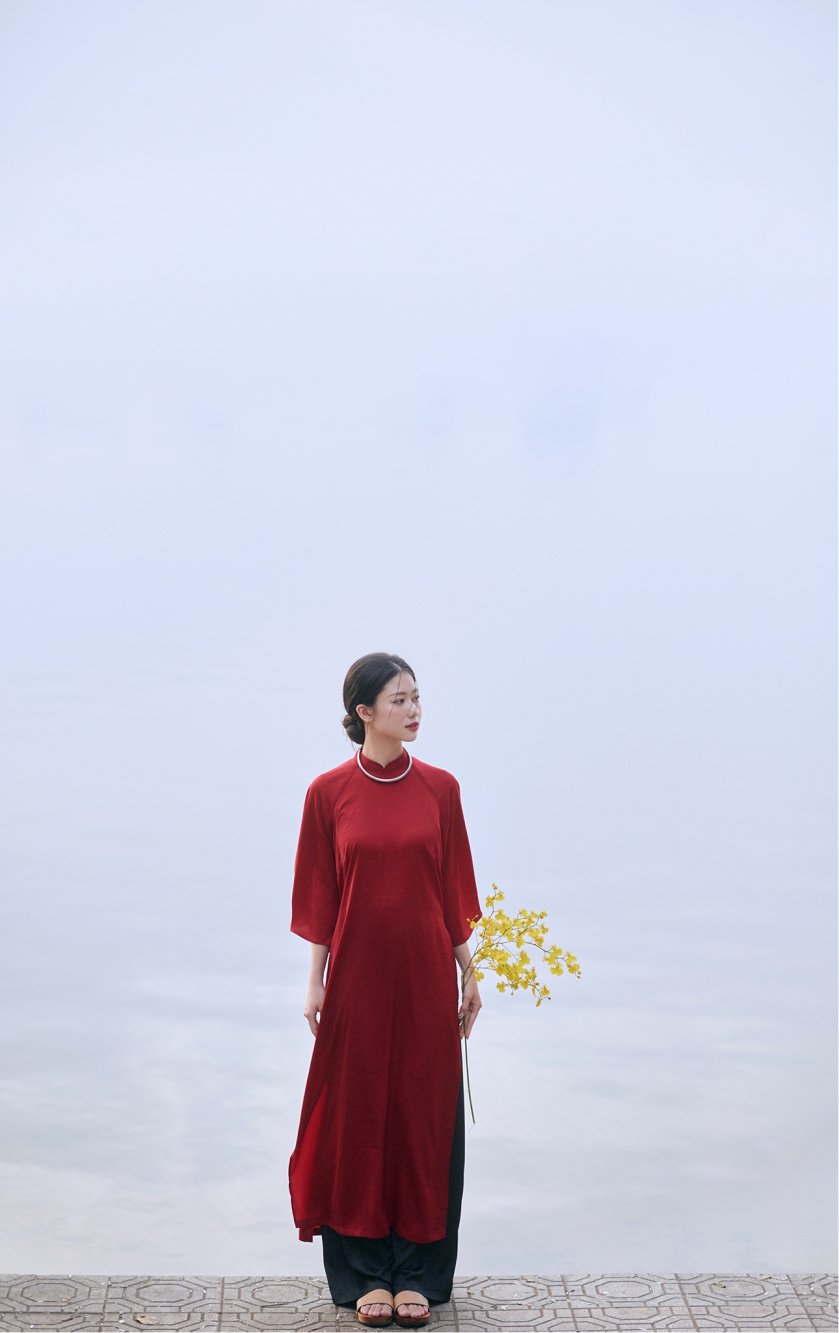
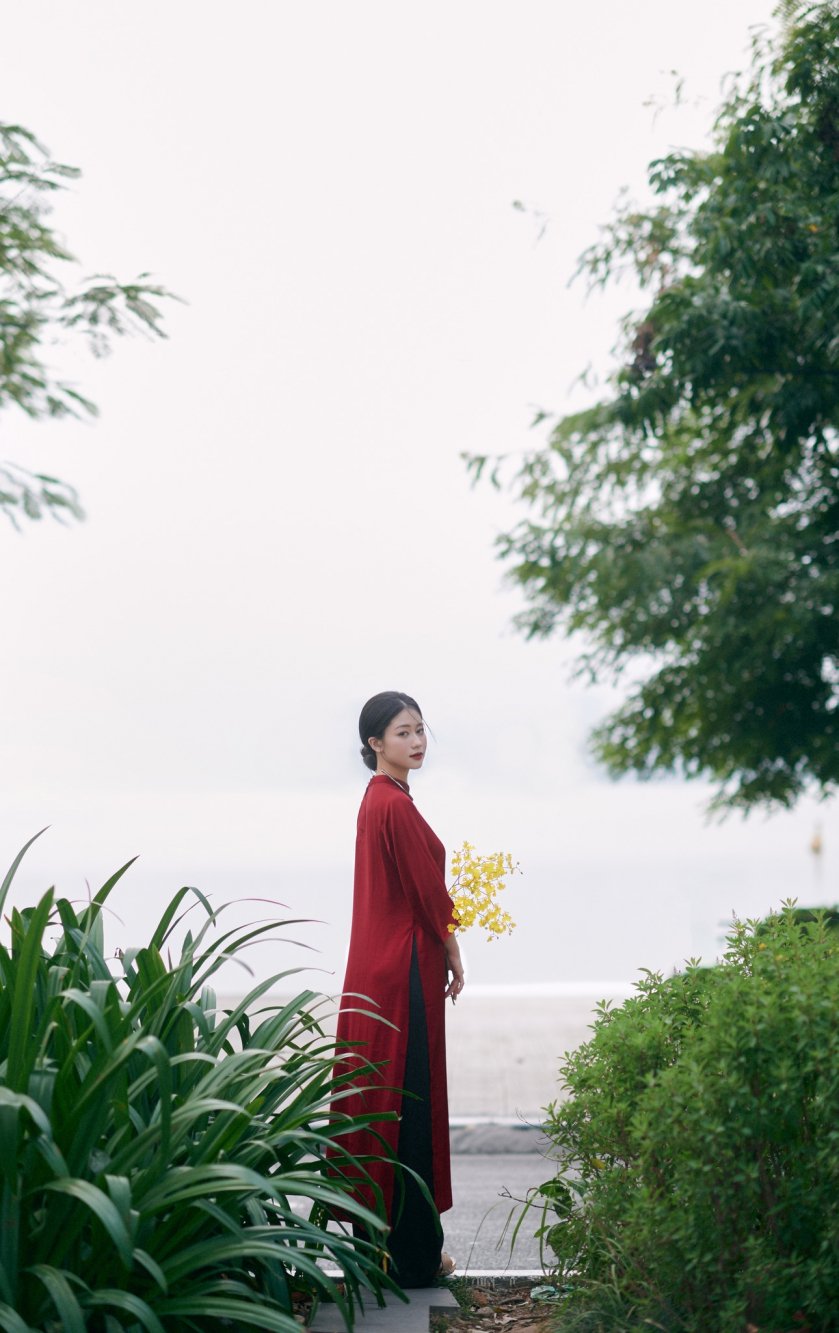
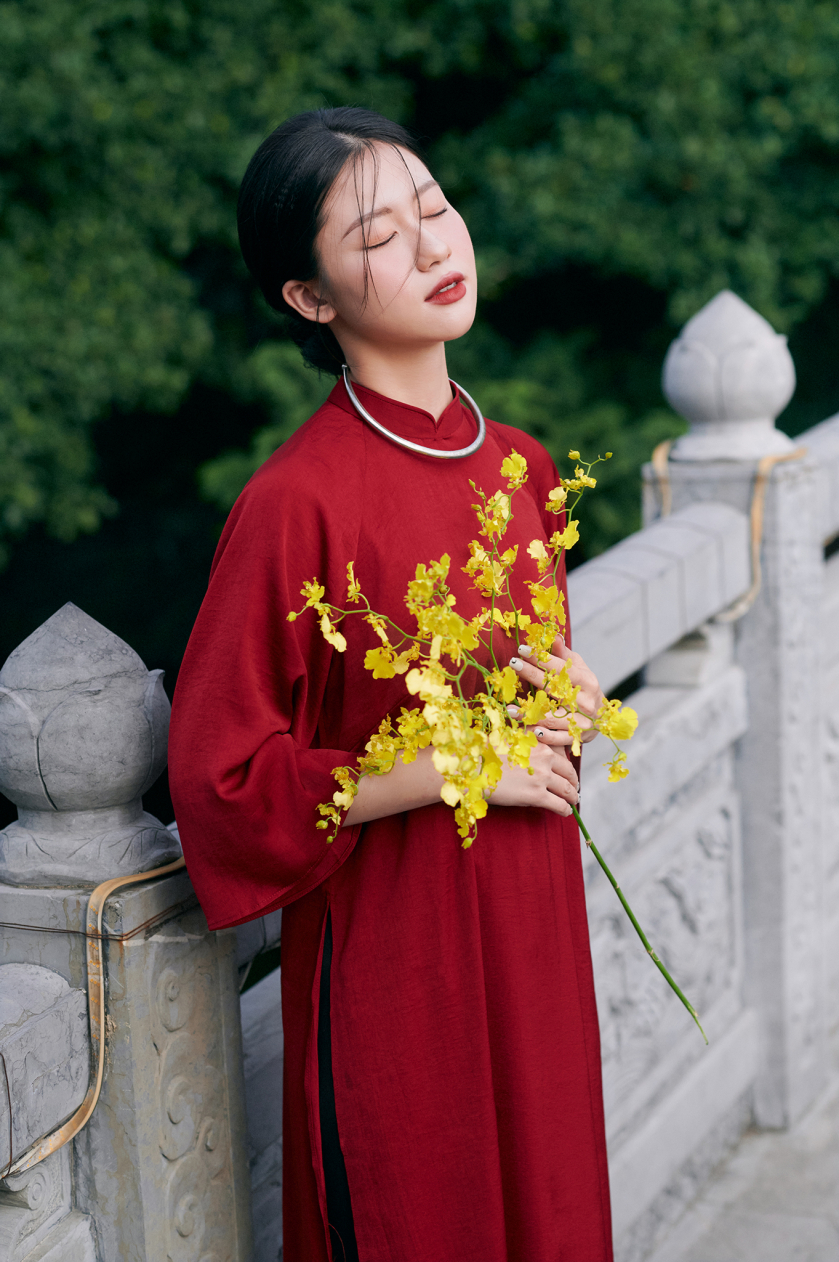
When choosing an ao dai (traditional Vietnamese dress), Doan Ngoc prefers those with a standing collar and not too many cutouts. Photo: Dinh Cong
Traditional Ao Dai - Modernized Ao Dai
In modern society, the traditional ao dai has been modernized, no longer the elaborate garment of the past. It has been updated in terms of materials and design, attracting the attention of young people. With its youthful, fresh style and a myriad of vibrant colors, it creates an elegant look for the wearer.
There are countless attractive styles such as: cropped ao dai and cropped trousers, loose-fitting ao dai and long trousers, redesigned ao dai for a more streamlined look, and wide-fitting ao dai that exudes dynamism while still retaining traditional features... All the changes to the ao dai have made it an unmissable choice for young people every time Tet (Lunar New Year) comes around.
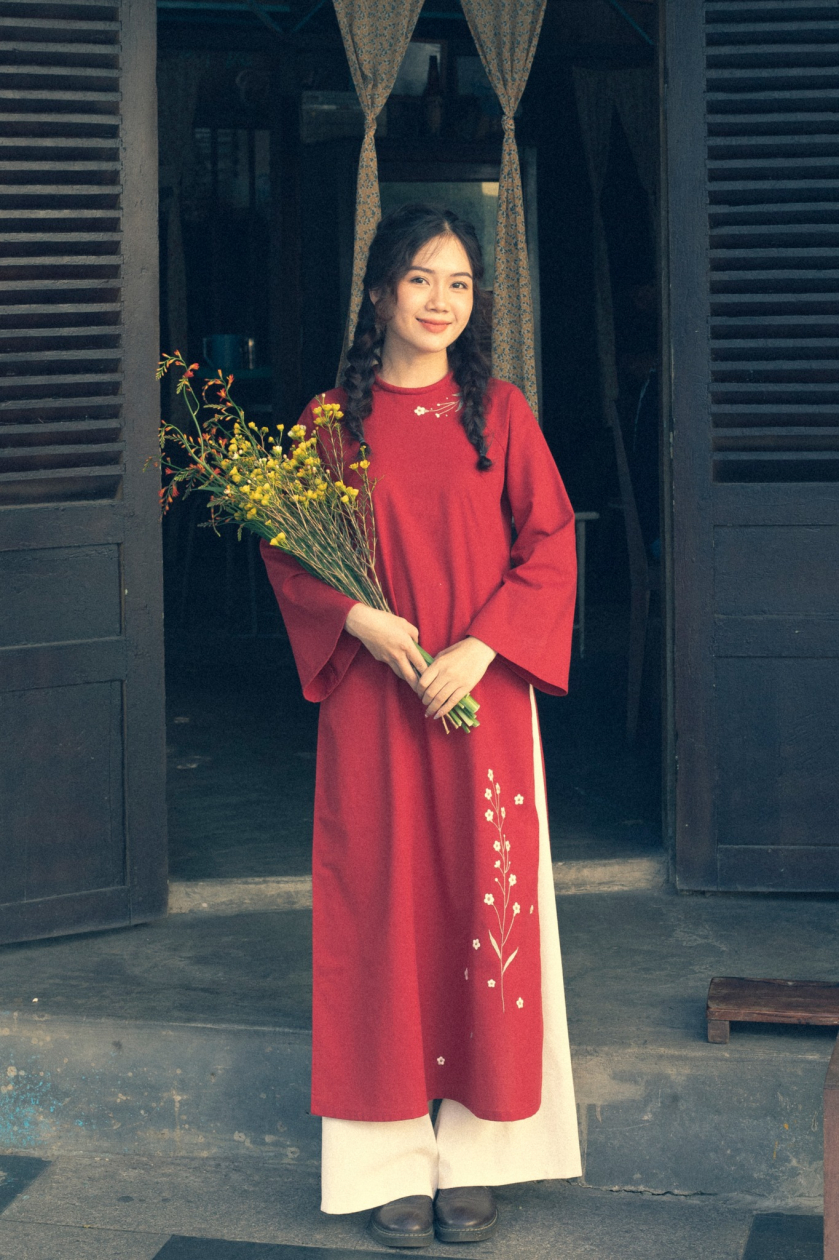
The ao dai embodies the national spirit, carrying traditional beauty and highlighting the elegant charm of Vietnamese women.
We spoke with Song Thi, founder of UI farm - a brand specializing in handcrafted ao dai (Vietnamese traditional dress) with unique embroidered patterns that offer a completely fresh perspective.
She said that her customers are diverse in age but mainly consist of Gen Z and those born in the 90s, who have a personality that leans towards a poetic, gentle, nature-inspired style and appreciates handcrafted items. The current trend among young people in choosing ao dai (traditional Vietnamese dress) is always geared towards traditional values, adapting to modern life while still preserving national identity.
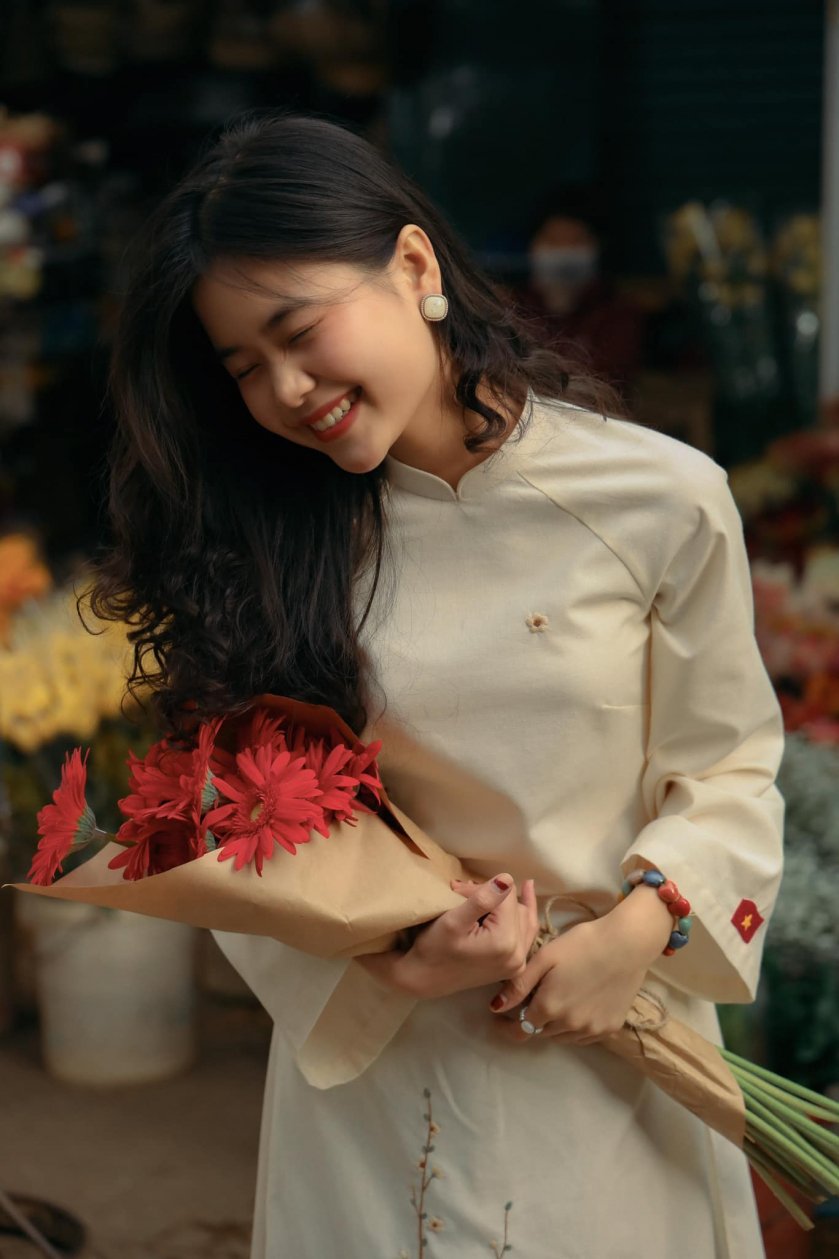
The image of the ao dai (traditional Vietnamese dress) next to the Vietnamese flag must be harmonious.
So why are young people today quite fond of ao dai designs that are both traditional and modern?
"I've heard many opinions from customers about preferences when choosing ao dai. Actually, young people in the past didn't like ao dai not because the ao dai – Vietnam's national costume – wasn't beautiful, but because the tailoring has changed considerably, resulting in what people commonly call 'traditional ao dai.' For example, the modern ao dai with a cinched waist is only suitable for women with a perfect figure, so the dress hugs the body and accentuates the figure. However, the majority of Vietnamese women don't have such perfect figures, especially young women today. Plus, the decorations from that era are no longer suitable for now, so young people are even less inclined to wear ao dai," Song Thi explained.
The ao dai (Vietnamese traditional dress) is inherently a refined and elegant fashion item. While modern fashion promotes many styles and trends of ao dai with revealing cuts or figure-hugging designs, most young people today choose loose-fitting ao dai styles.
It's not difficult to find many photos of young people wearing the traditional ao dai dress that are trending on social media, yet they evoke a sense of nostalgia. With the right setting, such as a street, market, or old tiled-roof house, and adding a few accessories like necklaces, earrings, or bouquets of flowers, it's easy to understand why today's youth are gravitating towards these familiar ao dai dresses.
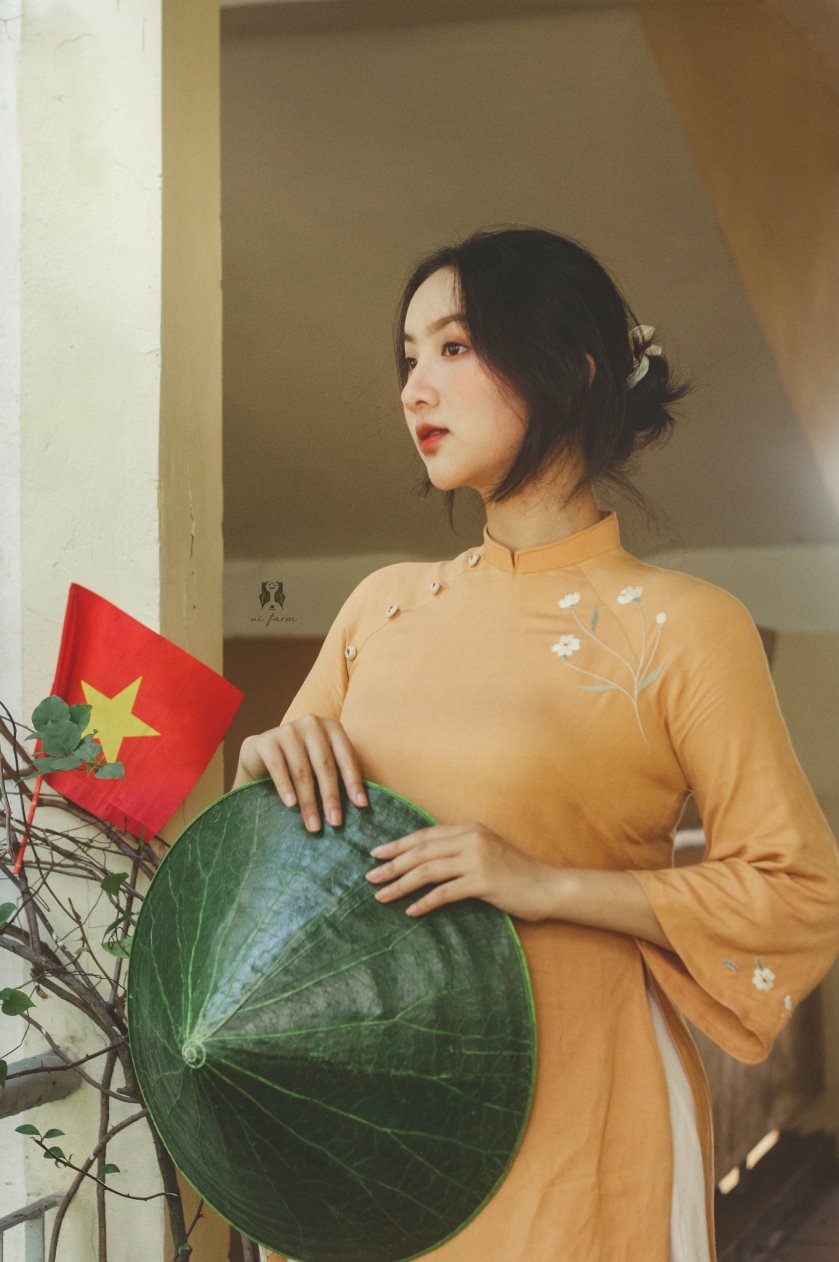
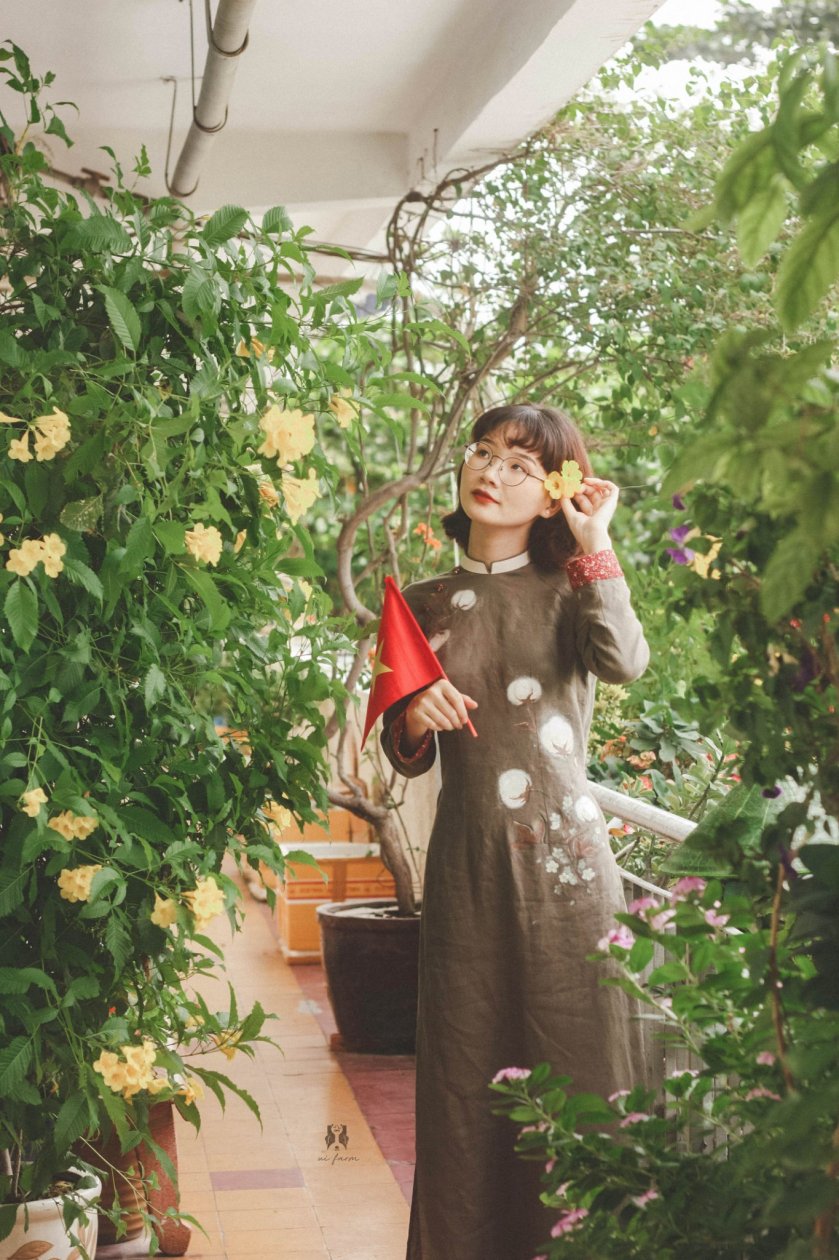
There have been many conflicting opinions about modernized ao dai (Vietnamese traditional dress) due to their overly bold or excessive innovations, making them unrecognizable as traditional garments. According to Song Thi, these conflicting opinions are entirely justified and not based on personal feelings. She herself, when designing ao dai in this era, must base her designs on traditional values, specifically ensuring the basic structure and standard dimensions of an ao dai.
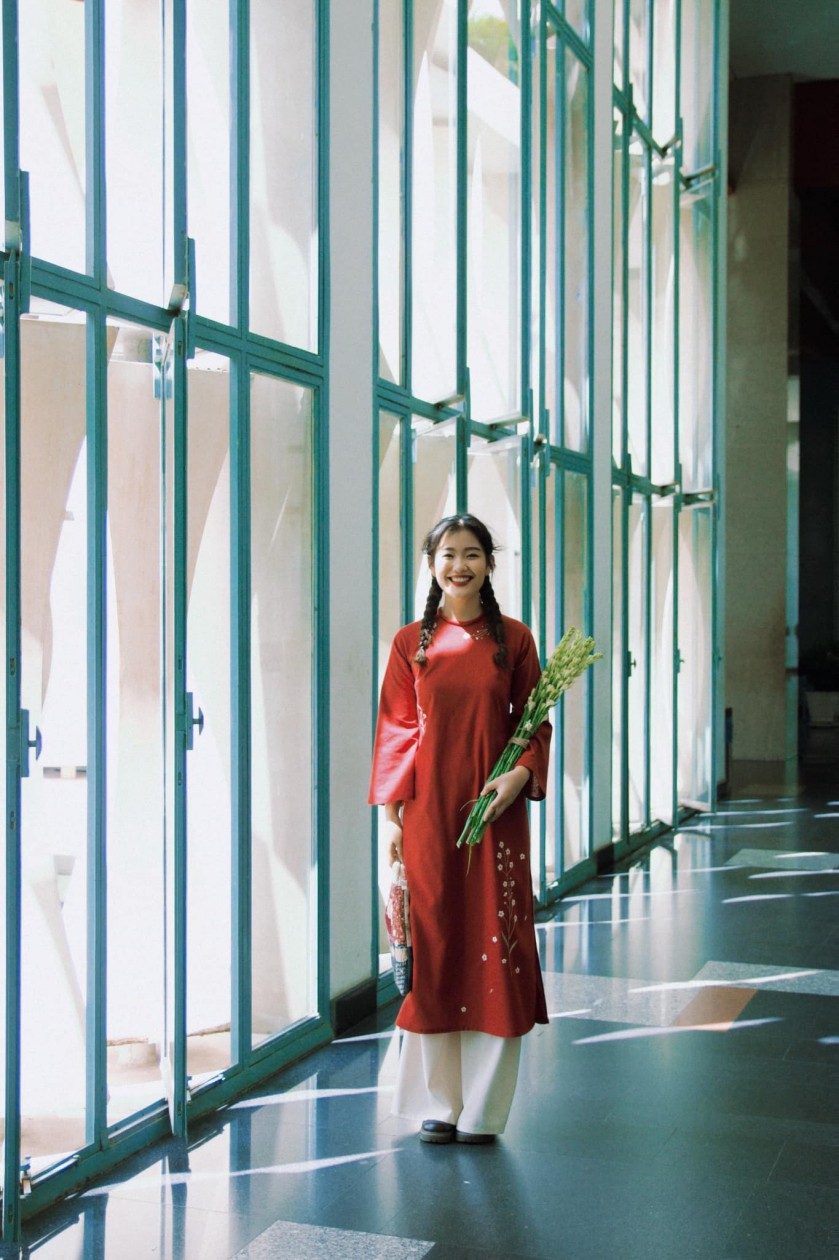
The current trend among young people is to choose ao dai (traditional Vietnamese dress) that are not too fitted at the waist or overly elaborate.
"For a national costume to be recognized by the world as an intangible cultural heritage, what young designers like myself are doing isn't about cutting and altering it into something else called 'creative.' Instead, we should focus on refreshing it and imbuing it with new, contemporary design stories so that the ao dai continues to 'live' in the lives of Vietnamese people."
"This is the mission for those who care about, love, and are passionate about making ao dai like myself, and it's also what the ao dai needs Vietnamese people to do for it. One of the principles for being recognized by UNESCO as an intangible cultural heritage is that the culture must be alive, exist, and continue to be practiced in the life of that nation through generations; otherwise, it becomes tangible culture, meaning only dead cultures," Song Thi shared.