VI
VI


When you visit Hong Kong, you'll be captivated by a highly developed metropolis with towering skyscrapers, yet also by its nostalgic charm with ancient temples and pagodas.
However, according to Hong Kong's entry regulations, foreigners are limited to a maximum of 3 entries per month and cannot stay for more than 7 days. Furthermore, the visa application process for Vietnamese citizens requires a significant amount of paperwork and can only be submitted through the Chinese Embassy in Hanoi or the Chinese Consulate General in Ho Chi Minh City, and must be submitted at least 30 days before departure. The cost for self-application is approximately US$60 (around VND 1,400,000), while using a visa service will be more expensive. With limited time and complicated procedures, it would be a shame to miss out on a complete Hong Kong experience.
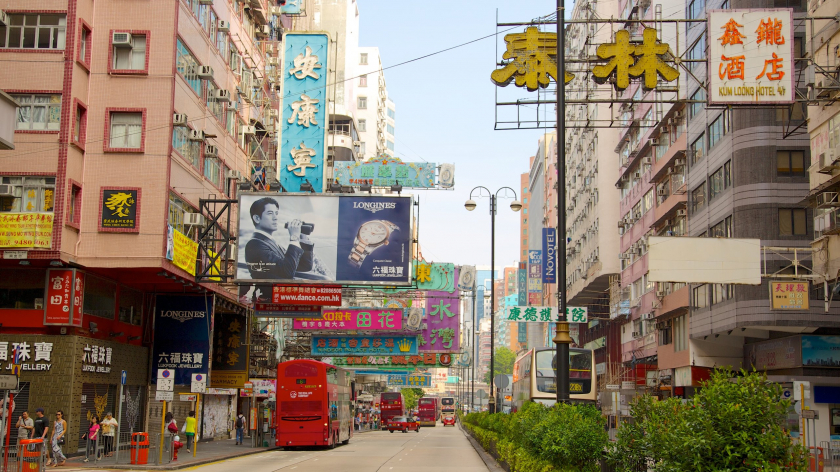
The best time to visit Hong Kong is during spring and autumn, when the weather is cool, sunny, and there are no storms.
The best time to visit Hong Kong is during spring and autumn, when the weather is cool, sunny, and free of storms. Starting in May, the weather gradually becomes warmer and more humid, similar to Vietnam, until the end of September. Currently, flights from Vietnam to Hong Kong have resumed, and travelers can easily choose between direct flights lasting approximately two hours or connecting flights with a longer duration of 4-5 hours.
Convenient payment
Although a special administrative region of China, Hong Kong is allowed to operate as an independent country with its own currency, laws, and economy, and is subject to minimal interference from China. Therefore, the Hong Kong dollar (HK$) is used here; 100 Hong Kong cents is equivalent to approximately 2,960 VND. The exchange rate at the airport isn't very good, so it's advisable to exchange only a small amount sufficient for travel into the city. If you're in Kowloon, you can exchange money at currency exchange offices in the Chungking Mansions in Tsim Sha Tsui. If you're on Hong Kong Island, the World Wide House currency exchange points in Central are a good option.
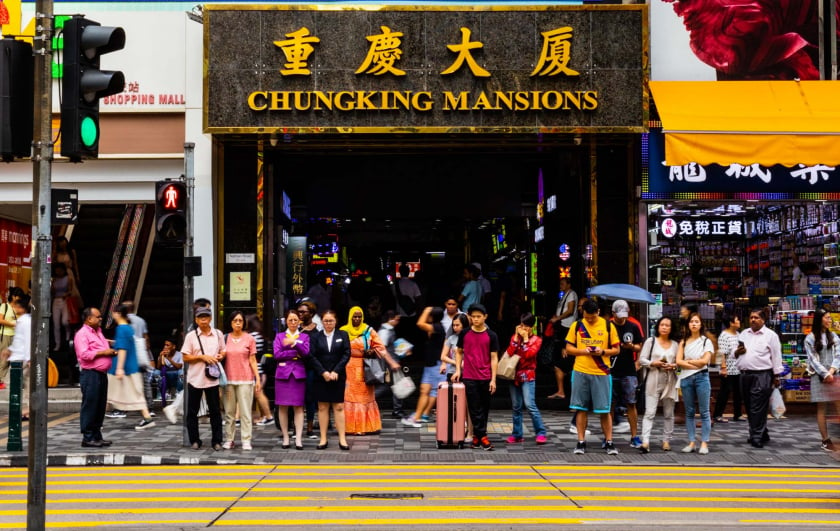
You can exchange money at currency exchange offices in the Chungking Mansions area of Tsim Sha Tsui.
But in a modern city like Hong Kong, tourists don't need to carry a lot of cash. Most Hong Kong residents use the convenient Octopus payment card for their daily expenses. An Octopus card costs HK$150, which includes HK$100 in credit and a HK$50 deposit. With around HK$200, tourists can comfortably travel throughout Hong Kong. Furthermore, if you don't use up all the money on your card, you can return it for a refund at any Customer Service counter at an MRT station, or at the Customer Service counters in Terminals 1 and 2 of the Airport Express Station.
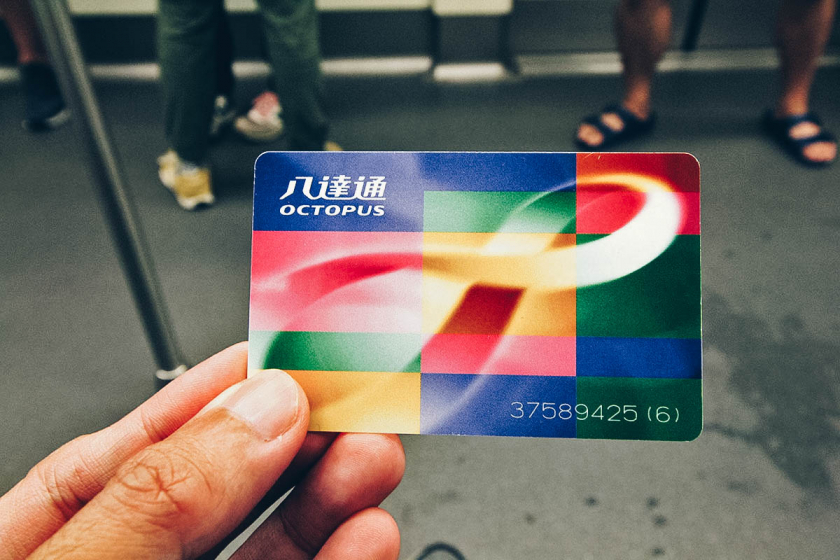
The majority of Hong Kong residents use the convenient Octopus payment card for their daily expenses.
Move around like a local.
For transportation, visitors will have to learn how to use public transport like a local. Hong Kong is one of the world's most densely populated cities with a population of around 7.5 million, and the shortage of parking spaces is becoming a major problem, with parking fees ranging from HK$1.2 million to HK$2.3 million. Therefore, car rental services are not very common here.
The easiest way for tourists to get around Hong Kong is by MTR subway. Although the MTR is twice as expensive as the bus, it saves you time and the stops are very clearly marked.
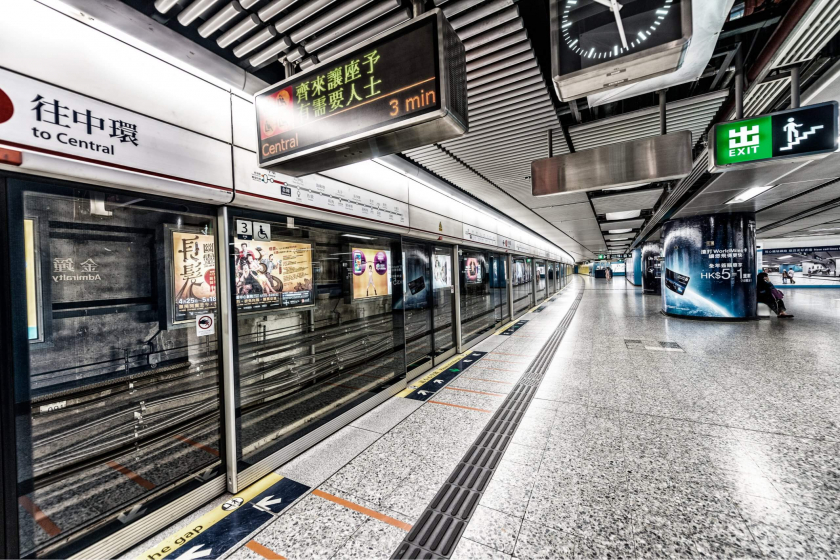
The easiest way for tourists to get around Hong Kong is by subway (MTR).
The buses here are double-decker, always have a flat fare, and usually operate until 1 AM. There are also minibuses converted from old military jeeps, but this bus system is not official, so drivers often overcharge and accidents frequently occur due to excessive speed. Therefore, tourists are not encouraged to use this mode of transportation.
In addition, the tram ride (also known as the station tram) is an experience not to be missed. These trams, slowly rolling along the tracks every day, remain an icon of Hong Kong culture and are affectionately called "Ding Ding" by the locals. For the past 110 years, these trams have remained a part of Hong Kong's bustling life, offering visitors stunning views of the city from their windows.
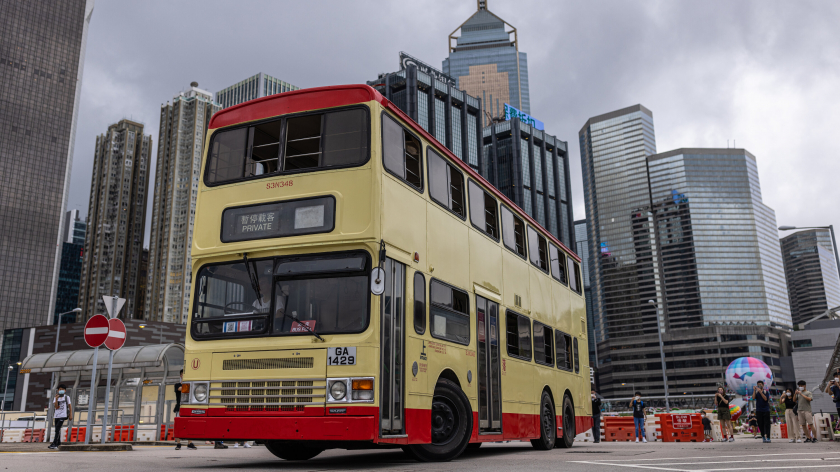
The buses here are double-decker, always have the same fare, and usually operate until 1 AM.
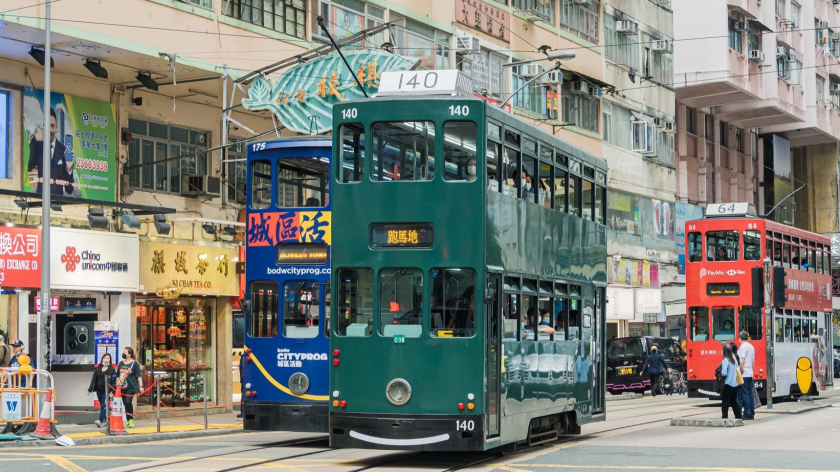
For the past 110 years, trams have remained a constant part of Hong Kong's bustling life.
You can also choose to take a taxi, however, taxis in Hong Kong are quite expensive and you can't just hail one anywhere like in Vietnam. Here, you need to stand at a designated Taxi Stand and queue up to get in. Taxis here don't charge by the kilometer but by the hour, so tourists should only use taxis in less congested central areas – places where Hong Kong residents prefer using the subway. If you're traveling independently, sharing a ride with a stranger through ride-hailing services is also a way to save money.

Additionally, Hong Kong's famous Star Ferry is a fun way to travel from Tsim Sha Tsui and Kowloon to the Central District of Hong Kong Island. If you take the ferry in the evening, you can watch A Symphony of Lights – a show combining sound and light, featuring music, fireworks, spotlights, and lasers positioned on 44 skyscrapers along Victoria Harbour in Hong Kong.
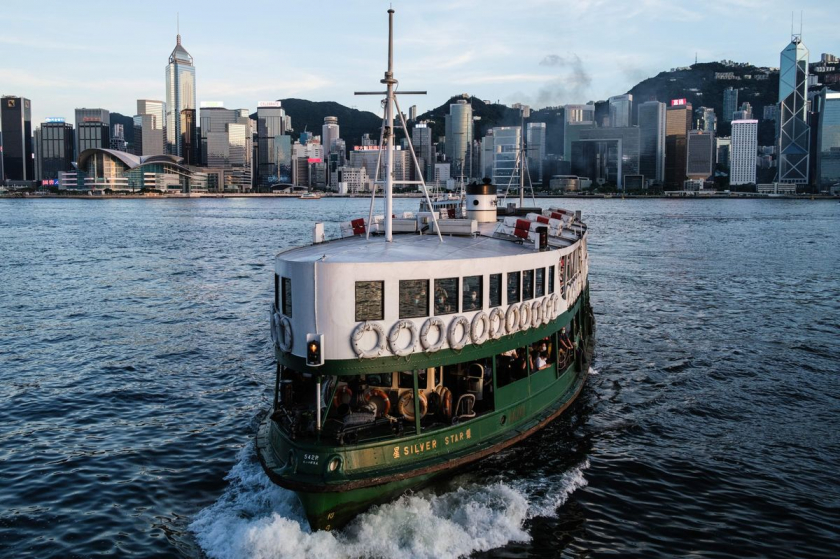
Hong Kong's famous Star Ferry is a fun way to travel from Tsim Sha Tsui and Kowloon to the Central District of Hong Kong Island.
Affordable accommodation
Hong Kong consists of four main islands: Hong Kong Island, Kowloon Island, Lantau Island, and The New Territories, along with 200 surrounding smaller islands. However, Hong Kong Island and Kowloon are the most convenient locations for accommodation and sightseeing.
- Hong Kong Island
With its concentration of shopping malls, retail areas, restaurants, bars, and convenient transportation system, Hong Kong Island is the heart of the city. Commensurate with its convenience, it is also the most expensive area for accommodation, shopping, and dining.
A cramped guesthouse here costs between 700,000 and 1,000,000 VND per night, and hotel rooms can cost two to three times that amount.
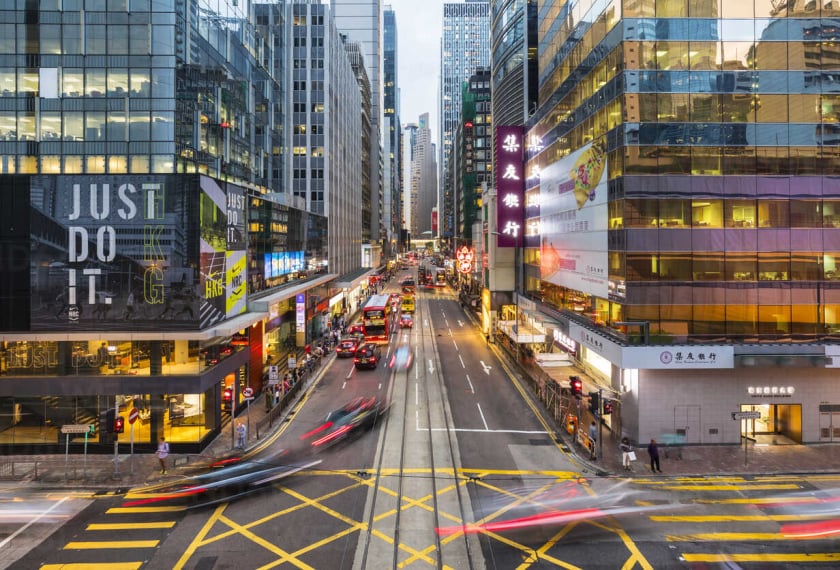
In proportion to the convenience of Hong Kong Island, this is also the most expensive area in terms of accommodation, shopping, and dining.
- Kowloon Island
Unlike the modern Hong Kong Island, the Tsim Sha Tsui, Causeway Bay, and Mongkok areas of Kowloon have a much older and more crowded feel. However, Kowloon is just as bustling as Hong Kong Island, and accommodation, dining, and shopping options are more budget-friendly.
In densely populated areas like Mong Kok, it's more suitable for backpackers than families with young children because walking is much more convenient than using transportation. On Kowloon Island, locals prefer walking because the area isn't too large, and you can easily see the Clock Tower, Avenue of Stars, and other prominent attractions.
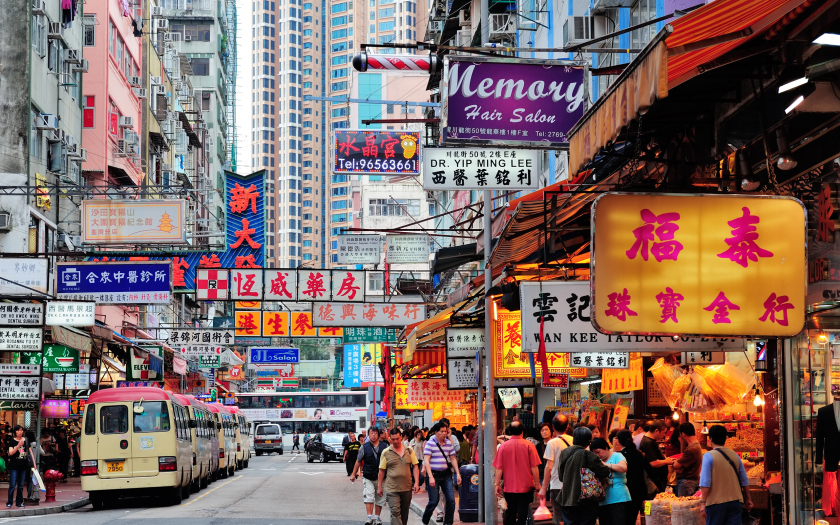
The areas of Tsim Sha Tsui, Causeway Bay, and Mongkok in Kowloon have a more ancient and crowded appearance. The image shows Mongkok, Kowloon Island.
Endless shopping destination
- Chua Street Night Market and Ladies' Market - Kowloon Island
Strolling through Temple Street Night Market is a must-do experience when visiting Hong Kong. Located in the heart of Kowloon, it offers a diverse range of food and affordable shopping. Visitors can browse and purchase jade jewelry or traditional Chinese handicrafts.
The market starts operating around 6 PM, but vendors often pack up quite slowly, so don't arrive too early. The MTR stop to get to the Temple Street Night Market is Jordan Station, Exit A.
In addition, the Ladies Market is located along Tung Choi Street, just a few blocks east of Nathan Road in Mong Kok District. The goods sold there are virtually identical to those at the Temple Street Market.
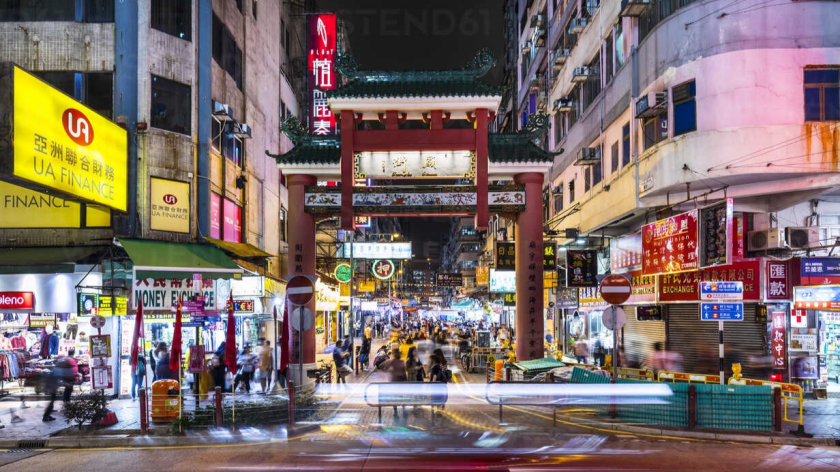
Strolling through the Temple Street Night Market is a must-try experience when visiting Hong Kong.
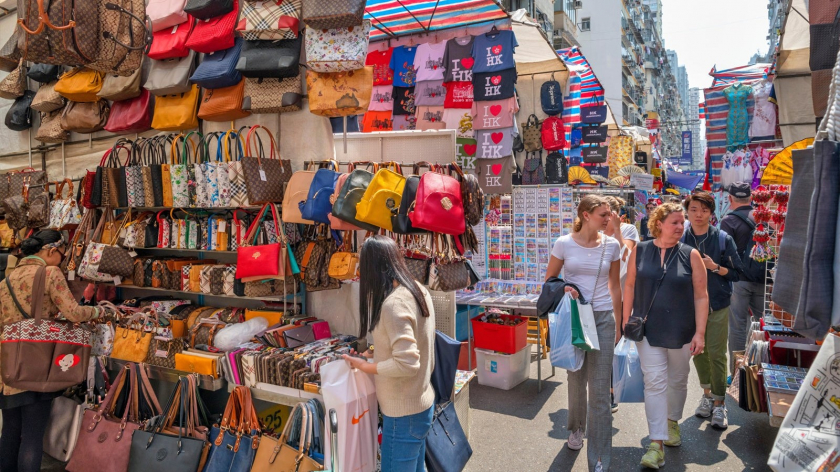
In addition, the Ladies Market is located along Tung Choi Street, just a few blocks east of Nathan Road in Mong Kok District.
- Ngoc Market - Cuu Long Island
Jade jewelry is the main item sold here, carved into various shapes and sizes. Visitors will also find statues of different sizes. However, you need some knowledge to be able to appraise jade at the market. The market is located on Kansu Street, Yau Ma Tei District, Kowloon. Especially when you're here, ask the locals for recommendations on the best Dai pai dong (outdoor food stalls) in Hong Kong.
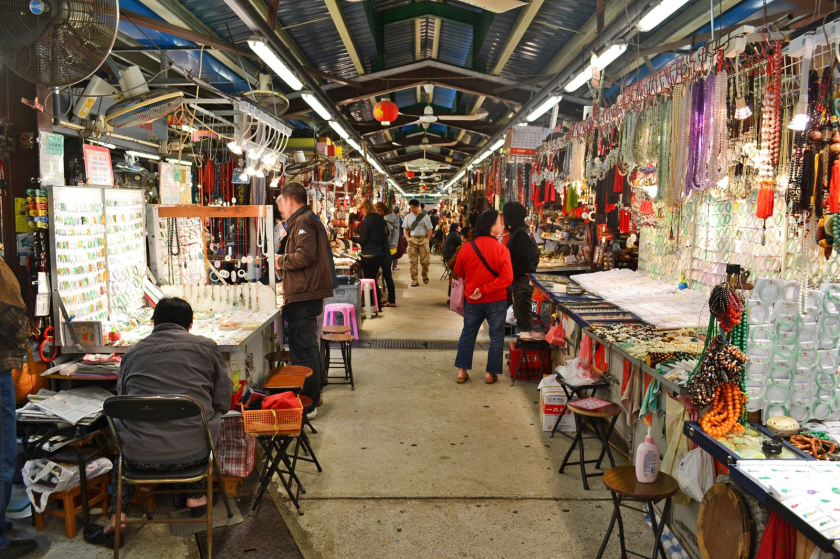
The market is located on Kansu Street, Yau Ma Tei District, Kowloon.
- Goldfish Street, Bird Market and Flower Market - Kowloon Island
Instead of resembling a market, the Bird Market looks more like an ecological garden with birds perched along the pathways. Bird owners often sit and socialize, while the birds play together in their cages and on the fences, their cheerful chirping echoing throughout the neighborhood.
Goldfish Street looks like a giant fish shop on the street, but with colorful fish in plastic bags hanging on racks in large quantities. Many tourists come to take pictures of this impressive scene.
And the colorful Flower Market, with its freshly picked flowers, creates a romantic, nostalgic atmosphere. The Flower Market and the Bird Market are in the same area, while Fish Street is located south of Tong Cai Street. All three markets are in Mong Kok, north of the Ladies Market. If traveling by MTR, get off at Prince Edward Station and use exit B1.
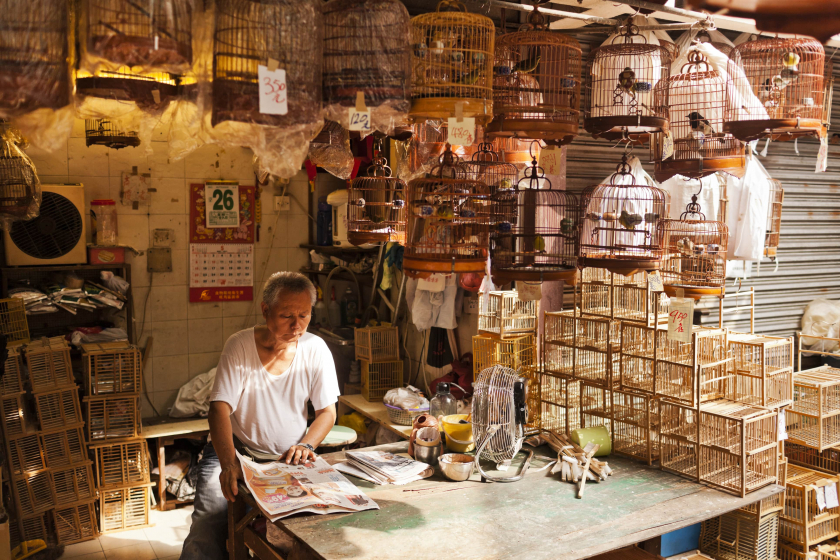
Instead of looking like a market, the Bird Market resembles an ecological garden with birds perched along the pathways.
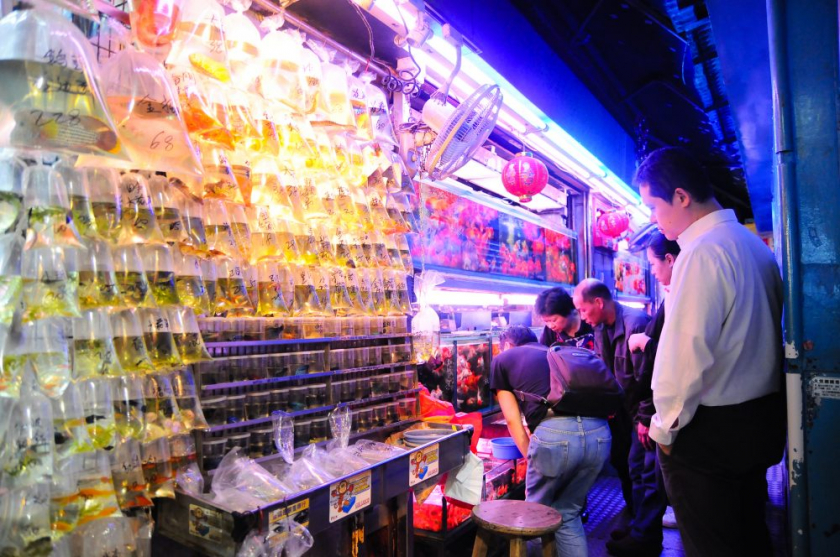
Goldfish Street looks like a giant fish shop on the street.
Other notes
All signs in Hong Kong are in English, even those with raised lettering for the visually impaired.
In Hong Kong, there are very few places with free Wi-Fi, so if you only need it for sightseeing, consider signing up for a travel SIM card to save money compared to a local network SIM. If traveling in a group, you can rent a Wi-Fi hotspot that can be used by multiple devices; the cost when divided among everyone will be much cheaper than buying a SIM card.
Visitors should be aware of no-smoking areas, as violations will result in a HK$1,500 fine. Additionally, Hong Kong has strict environmental hygiene laws and a HK$1,500 fine for littering.
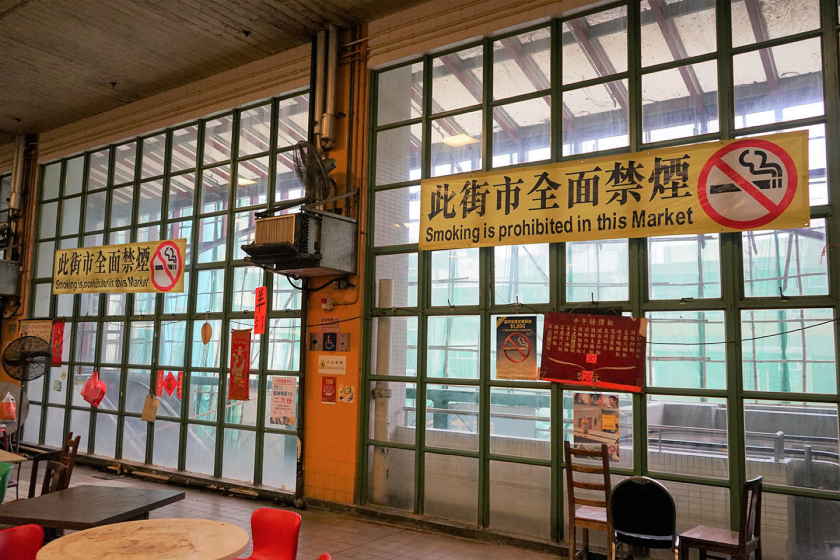
Visitors should be aware of no-smoking areas; violations will result in a HK$1,500 fine.
The electrical outlets in Hong Kong are also something you need to be aware of; they are all three-prong flat plugs. Therefore, tourists should prepare a power adapter in Vietnam, as buying one in Hong Kong will cost 3-4 times more.
Tourists should absolutely refrain from making sensitive jokes related to aviation security and safety in public areas, especially on airplanes and at airports.