VI
VI


Following Typhoon Yagi's landfall in Northern Vietnam, Hanoi is experiencing prolonged heavy rainfall, posing a significant risk of widespread flooding. According to forecasts from the Northern Delta and Central Highlands Regional Meteorological and Hydrological Station, from September 10th, 2024, Hanoi will continue to receive rainfall ranging from 80 to 250 mm, with some areas exceeding 300 mm. In response to this situation, the Hanoi Disaster Prevention and Search and Rescue Command has issued an emergency flood alert, particularly for major rivers such as the Red River, Da River, and Duong River.
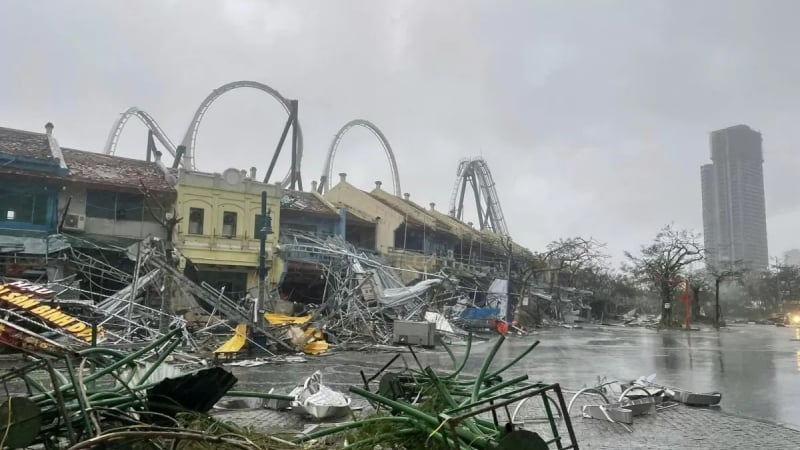
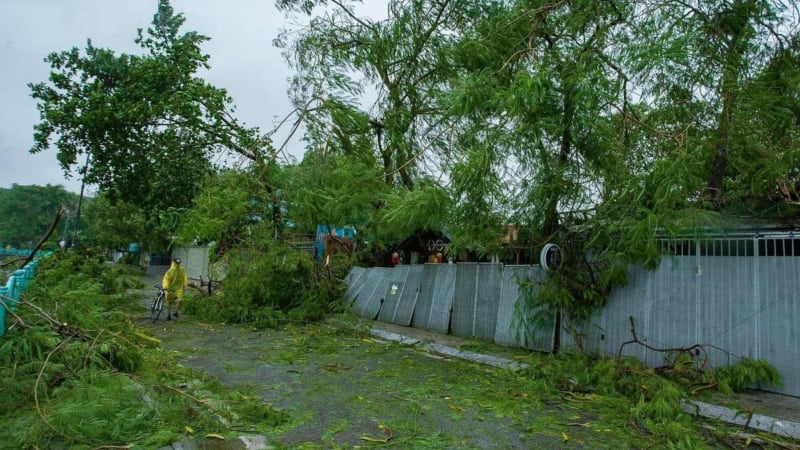
In suburban districts such as Chuong My, Phuc Tho, Thanh Oai, and Ung Hoa, the risk of flooding has been warned at a high level. Areas along the riverbanks: Dong Anh, Soc Son, Me Linh, and some low-lying areas and alluvial plains in Hoan Kiem, Long Bien, and Tay Ho districts are also on the list of areas at risk of flooding. Meanwhile, in the inner city, many streets such as Vinh Hung, Thai Ha, Quan Nhan, and areas near the To Lich River and Cau Bay Bridge have begun to experience localized flooding.
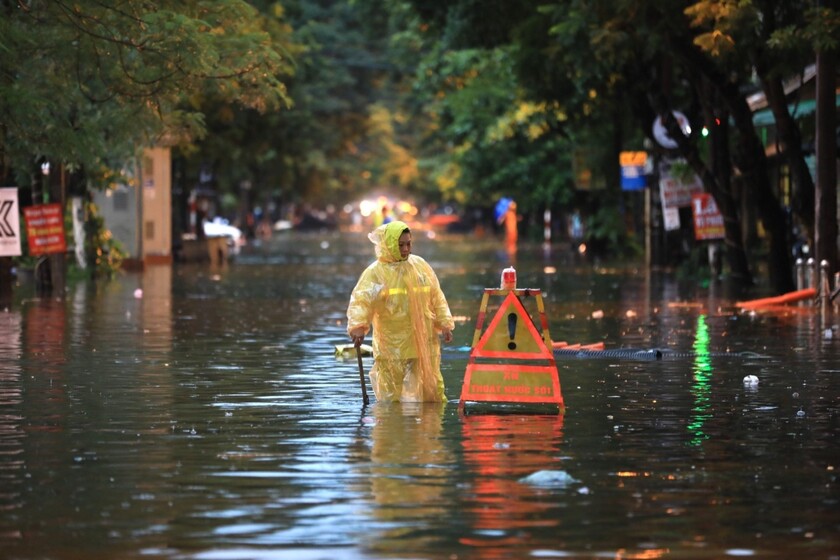
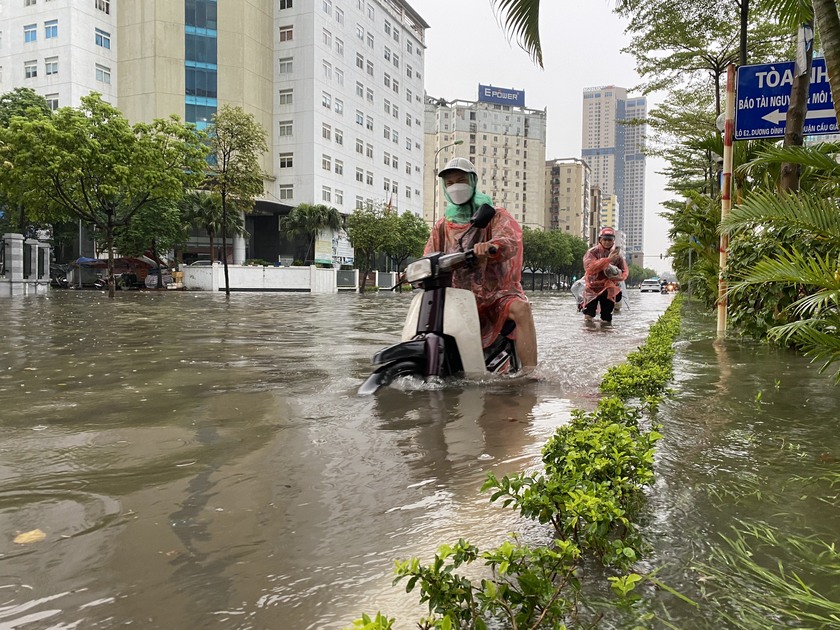
Many streets were flooded to a depth of 50-60cm.
Besides affecting traffic, the floods have also caused serious damage to agricultural production. Preliminary reports show that nearly 25,000 hectares of rice fields were flattened, and over 4,000 hectares of vegetables and 3,900 hectares of fruit trees were flooded. Many livestock farmers also suffered losses, with thousands of livestock and poultry killed or lost. Meanwhile, major roads such as Thang Long Boulevard, Vo Chi Cong, and Duong Dinh Nghe were also flooded, seriously affecting traffic and people's lives.

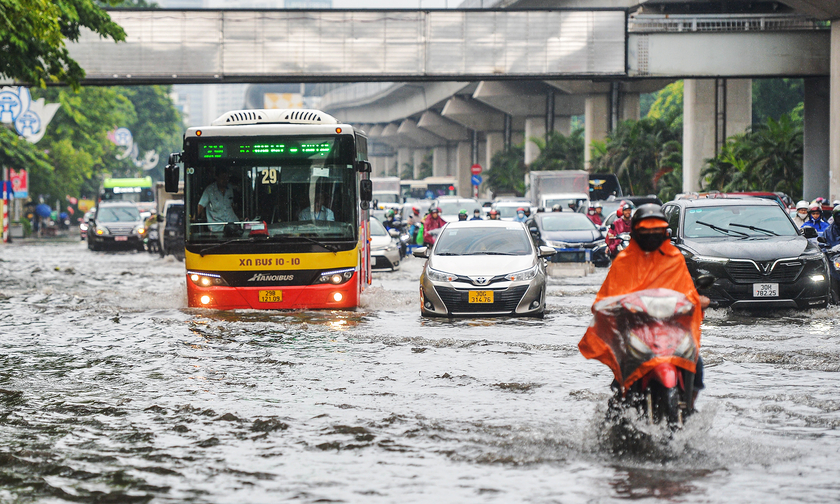
Vehicles are swimming in floodwaters during rush hour.
The complex developments of the flood situation in Northern Vietnam in September 2024 evoke painful memories of the historic 2008 flood in Hanoi. Even after more than 15 years, the image of Hanoi submerged in water, chaotic traffic, and significant loss of life and property remains a haunting memory for many. At that time, Hanoi experienced record rainfall, with nearly 500 mm measured in Ha Dong district, breaking all records since 1978.
Heavy rains submerged the entire city, with over 60 severely flooded areas across the region. Traffic was completely paralyzed, and thousands of vehicles were submerged and damaged. The power system was cut off, isolating many areas in and around the city, causing immense hardship for residents.
Hanoi residents recall memories of the historic flood of 2008.
Currently, given the complex situation of heavy rain and flooding, Hanoi's authorities have implemented a series of preventive measures. The City's Disaster Prevention and Search and Rescue Command Board has requested districts, counties, and towns to strictly implement directives from the central government and the city, while also learning from previous natural disasters to ensure the safety of the people. Rescue forces have been mobilized to the maximum extent, especially in areas at risk of drowning, landslides, and flooding.
However, with rainfall forecast to continue increasing and river levels rising, Hanoi is facing a major challenge in protecting the safety of its people and property. Proactive prevention and preparation of response plans are essential to minimize damage during the upcoming rainy season. Residents need to remain vigilant, follow instructions from authorities, and prepare for the worst-case scenarios.