VI
VI


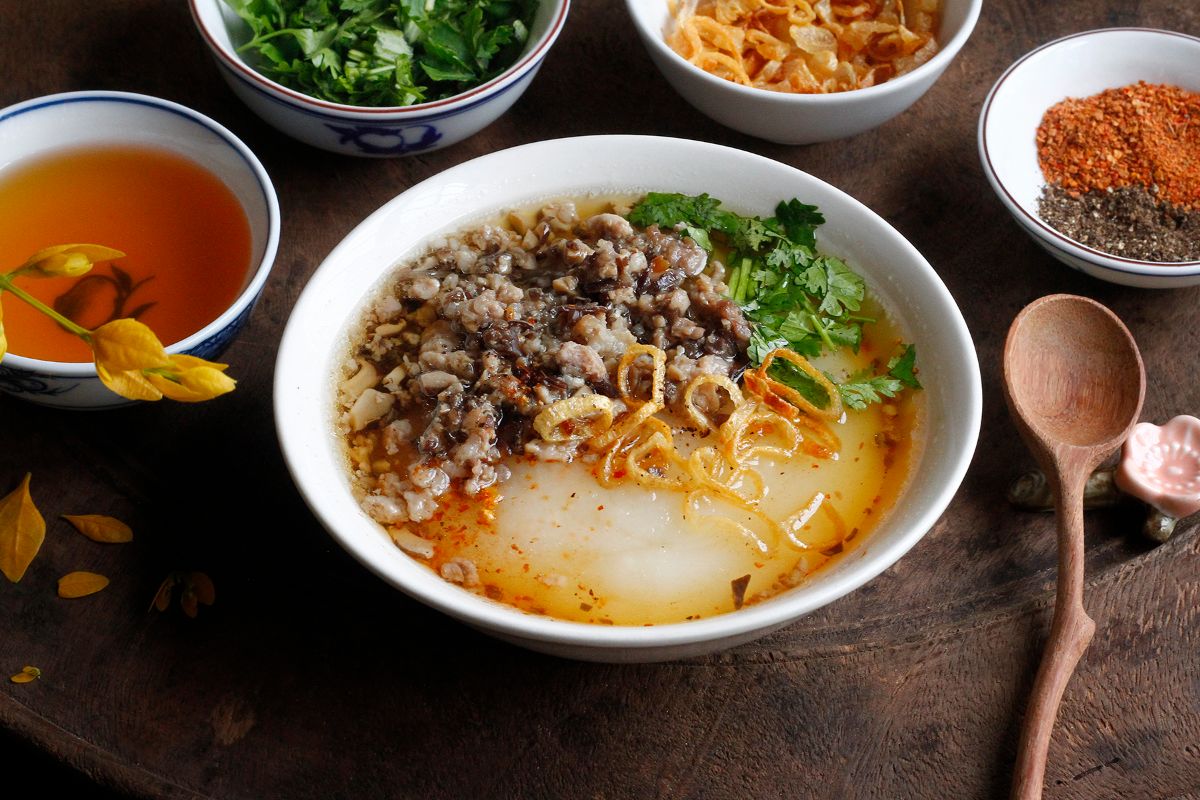
It's not uncommon to see bustling street food stalls in Hanoi. No matter the season, Hanoi's cuisine always captivates people. On cold, chilly days, what could be more delightful and comforting than stopping at a familiar roadside stall and enjoying the treats of Hanoi's winter?

Pork rib porridge
People eat pork rib porridge at any time of day, regardless of the season, simply because they crave the flavor. They sit on a low wooden stool at the end of the street or spot a porridge vendor passing by, and all the delicious, simple flavors come flooding back. Some people, even when they go to the capital and can eat gourmet food anywhere, absolutely must have a hot bowl of Hanoi pork rib porridge on a cold, windy day.
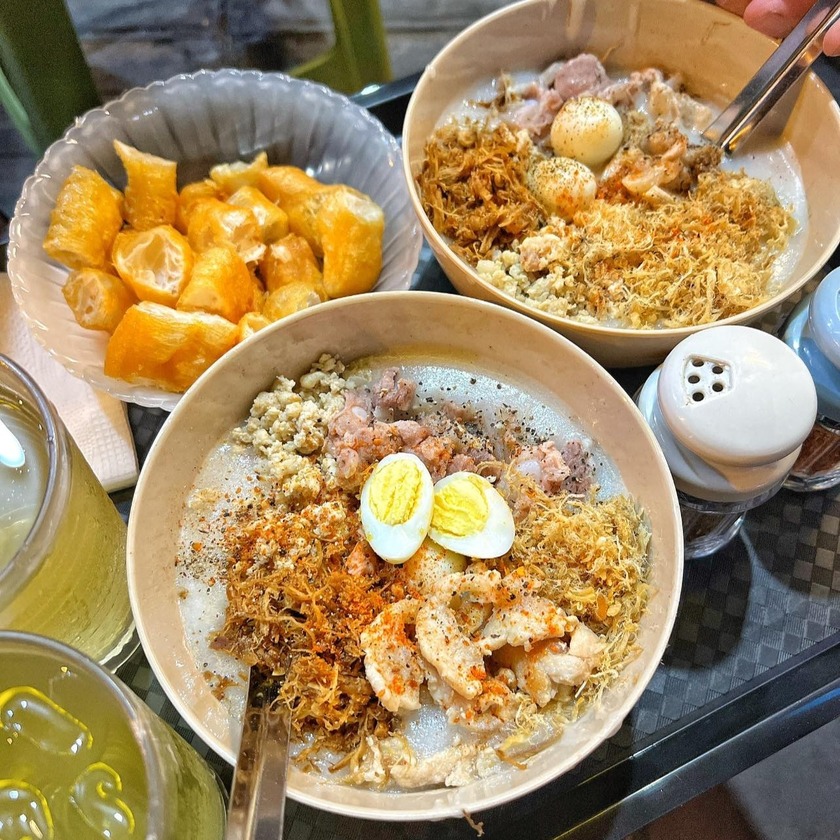
Nothing is more appealing than a bowl of hot porridge on a cold day.
Authentic Hanoi pork rib porridge, as prepared by the locals, is served only with fried dough sticks (quẩy), plenty of black pepper, and a little chili powder if you like spicy food. The steaming hot porridge is smooth, thick, and creamy, with tender ribs that have a slight chewiness, crispy fried dough sticks, and sweet, fragrant shredded pork floss, all blended with the spicy kick of black pepper and chili powder – a truly stimulating culinary experience on a chilly autumn or winter day.
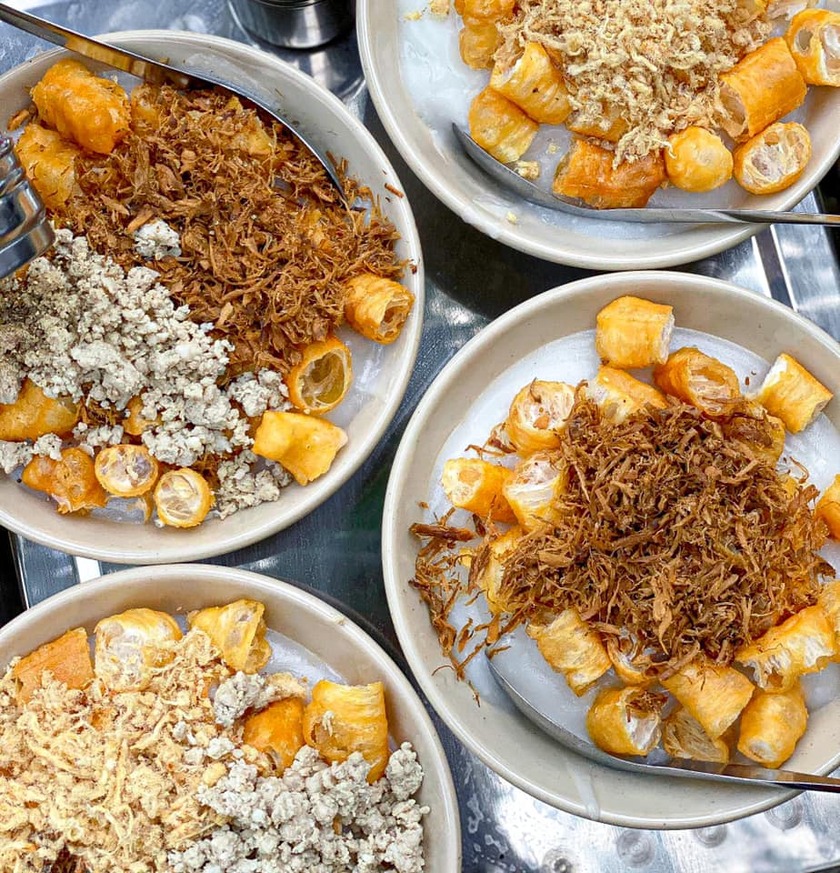
Enjoy a warm bowl of porridge to warm yourself up on this cold winter day.
Nowadays, to make the dish more diverse, unique, and to cater to a wider range of diners' tastes, restaurant owners have modified pork rib porridge with many unique side dishes such as minced pork simmered in fish sauce, stir-fried clams with onions and coriander, sausages for children, pork floss, fish floss, or a little fried shallots.
But most importantly, the porridge must be thick, smooth, and fragrant with the sweet flavor of Vietnamese rice grains. Depending on the owner's skill and the preferences of customers from near and far, each pork rib porridge shop has its own unique and memorable flavor.

Hot rice cake
Hot rice cake (Bánh đúc nóng) originated during times of food scarcity in Vietnam. At that time, people had to grind rice into flour to survive. Over time, hot rice cake has evolved and become a favorite dish among Hanoi residents, especially during the cold winter months.
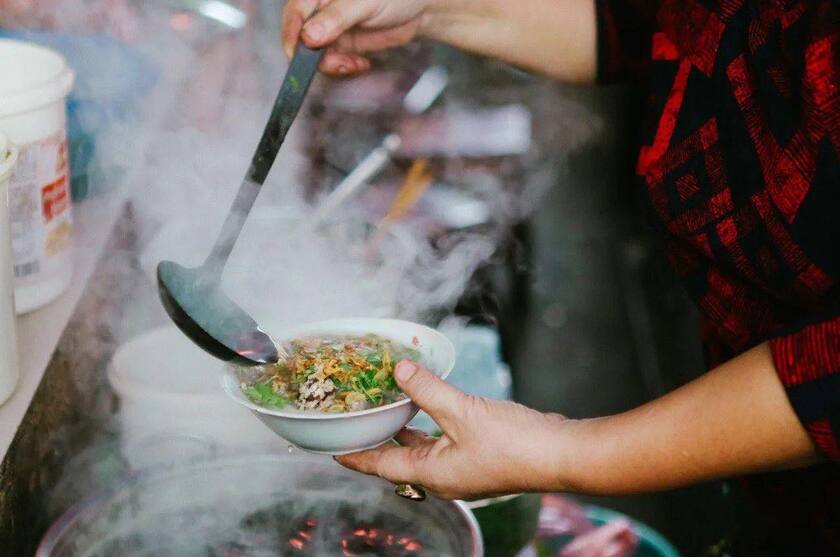
Hot rice cakes are certainly no stranger to Hanoians every winter.
Unlike the traditional rice cake of the North, which is eaten cold and served with braised fish or meat, hot rice cake has a different style: it's softer, more chewy, and eaten while still steaming hot, topped with broth and herbs.
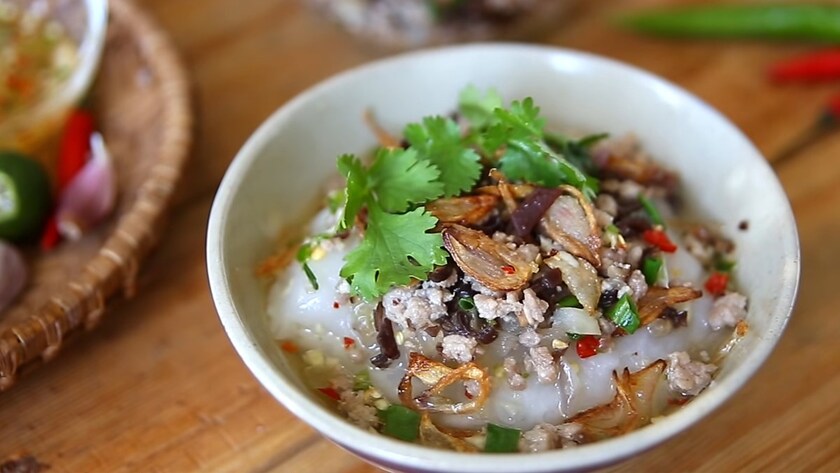
This unique and delicious snack is hot, spicy, and not too filling, but enough to make many people eagerly anticipate trying it.
To make a truly authentic bowl of hot rice cake (bánh đúc), every step, from selecting and soaking the rice to the grinding technique, requires meticulous attention to detail. In addition, the broth is a crucial element that determines the dish's deliciousness. A hot, clear broth with a balanced sweet, sour, and salty flavor, along with minced meat and stir-fried wood ear mushrooms, contributes to a harmonious and palatable taste.
Fried sticky rice cake
Fried sticky rice cakes (Bánh chưng rán) begin to appear on street vendors' carts when the weather turns cold. The sticky rice cakes sold in these stalls are usually small and thin. They are fried until slightly browned on both sides, then drizzled with soy sauce and pickled vegetables before being enjoyed. The dish has a rich, chewy, and fragrant flavor from the cake and filling, but is not greasy.
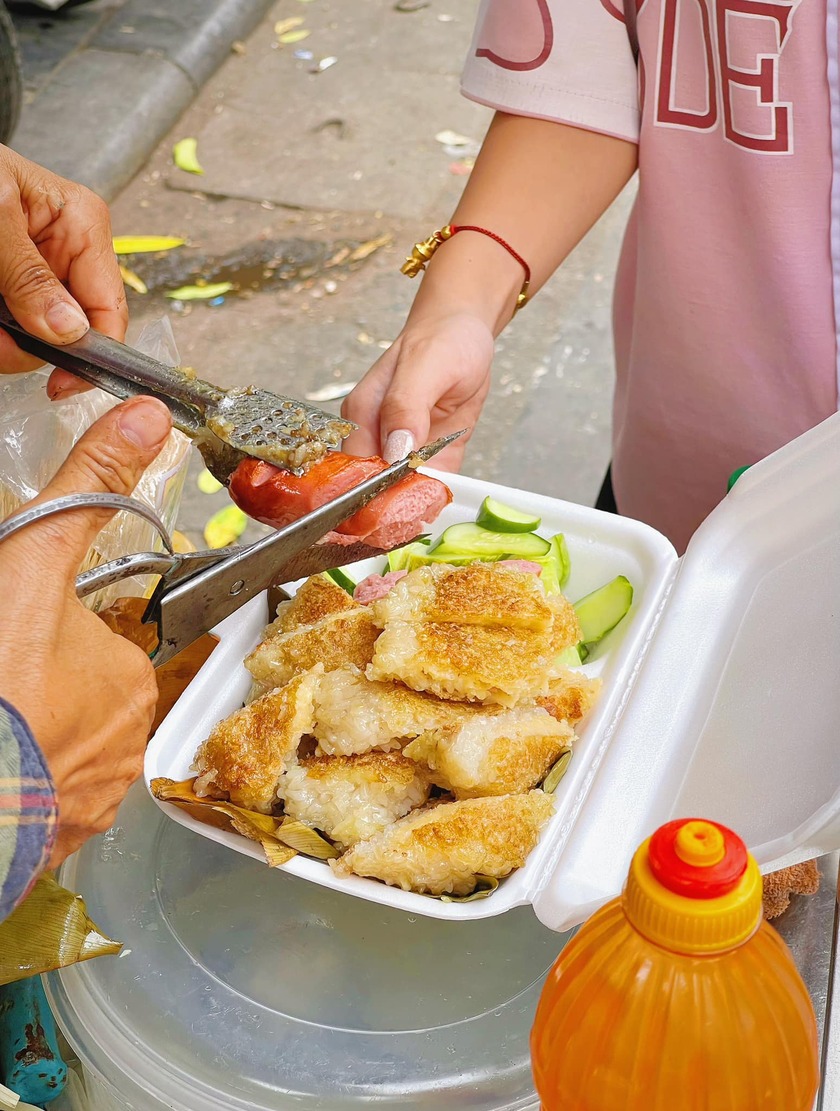
The toppings, such as sausages, cured meats, and fried rice patties, are also fried together, which can easily make the dish feel greasy.
Mudworm patties
Cha ruoi (sea worm patties) is a unique Hanoi specialty, typically appearing in the autumn when ruoi (a type of seafood) is in season. This dish is famous for its delicious, rich flavor and high nutritional value.
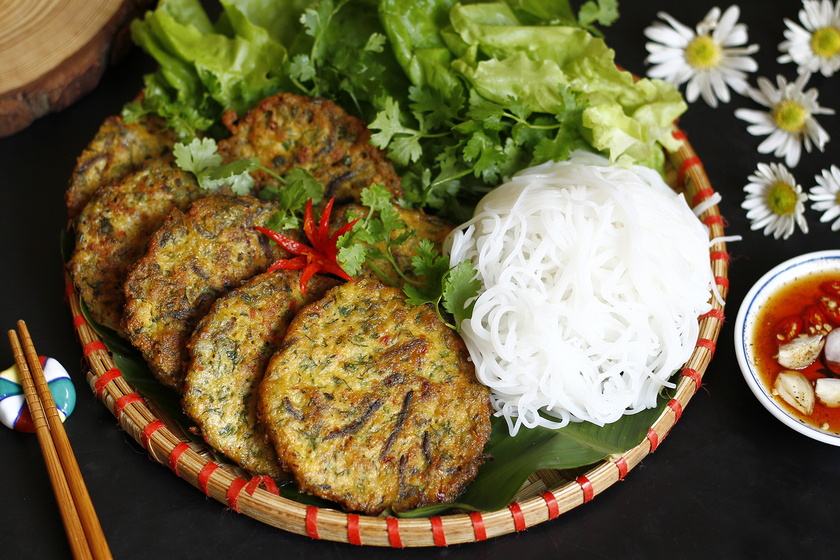
Mudworm patties have a distinctive aroma, and when eaten, you can clearly taste the sweet, fragrant, and rich flavor. This is a "gift from nature" in many northern provinces during the autumn and winter seasons.
Rươi patties are made from fresh rươi (a type of worm) mixed with minced pork, chicken eggs, finely chopped orange peel, dill, scallions, and other spices. This mixture is thoroughly combined and then fried until golden brown and crispy. The orange peel is a special ingredient that helps remove the fishy smell and enhances the aroma of the dish. Rươi are typically available during two main seasons: from March to June and from August to December (lunar calendar). This is when rươi patties are at their freshest and most delicious.
Roasted corn and potatoes
Grilled corn and sweet potatoes are indispensable snacks when the capital city enters the cold season. The golden-brown ears of corn and sweet potatoes grilled over charcoal emit a fragrant aroma that permeates the sidewalks and neighborhoods. This simple yet delightful snack, enjoyed on cold days, appeals to all, even the most discerning diners.
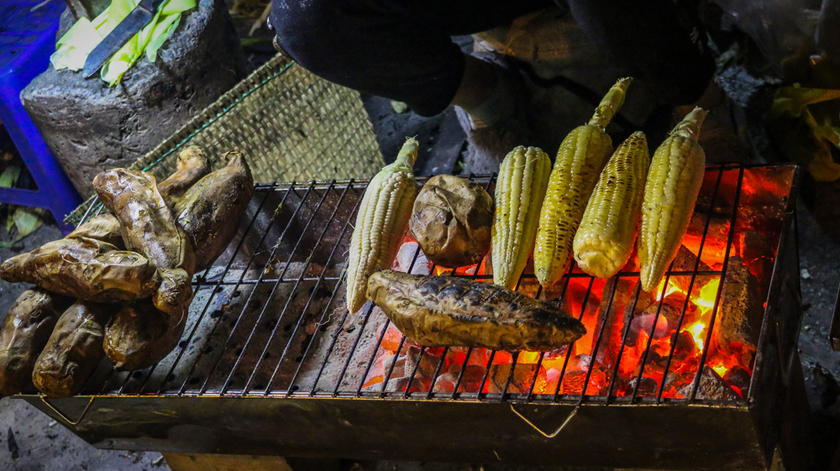
A warm ear of corn warms the heart on a cold day.
Hot tea
Cassava sweet soup, black bean sweet soup, and hot "ba cot" sweet soup are often winter dishes that replace black bean, mung bean, and lotus seed sweet soups in summer in Hanoi. Among them, cassava sweet soup is usually the most popular. Fresh cassava, after being peeled, is soaked in water to remove the sap, then washed and boiled with salt until cooked. It is then removed from the water and cut into bite-sized pieces. The thick liquid is made from sugar and flour, then poured over the cassava. The topping is usually fresh coconut or coconut milk.
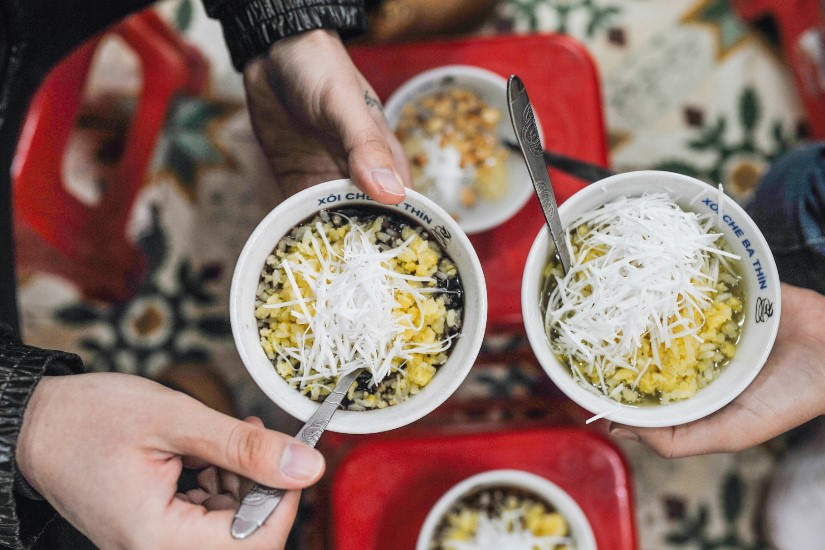
A bowl of hot sweet soup is a popular choice for many Hanoians on a chilly early winter day.