VI
VI


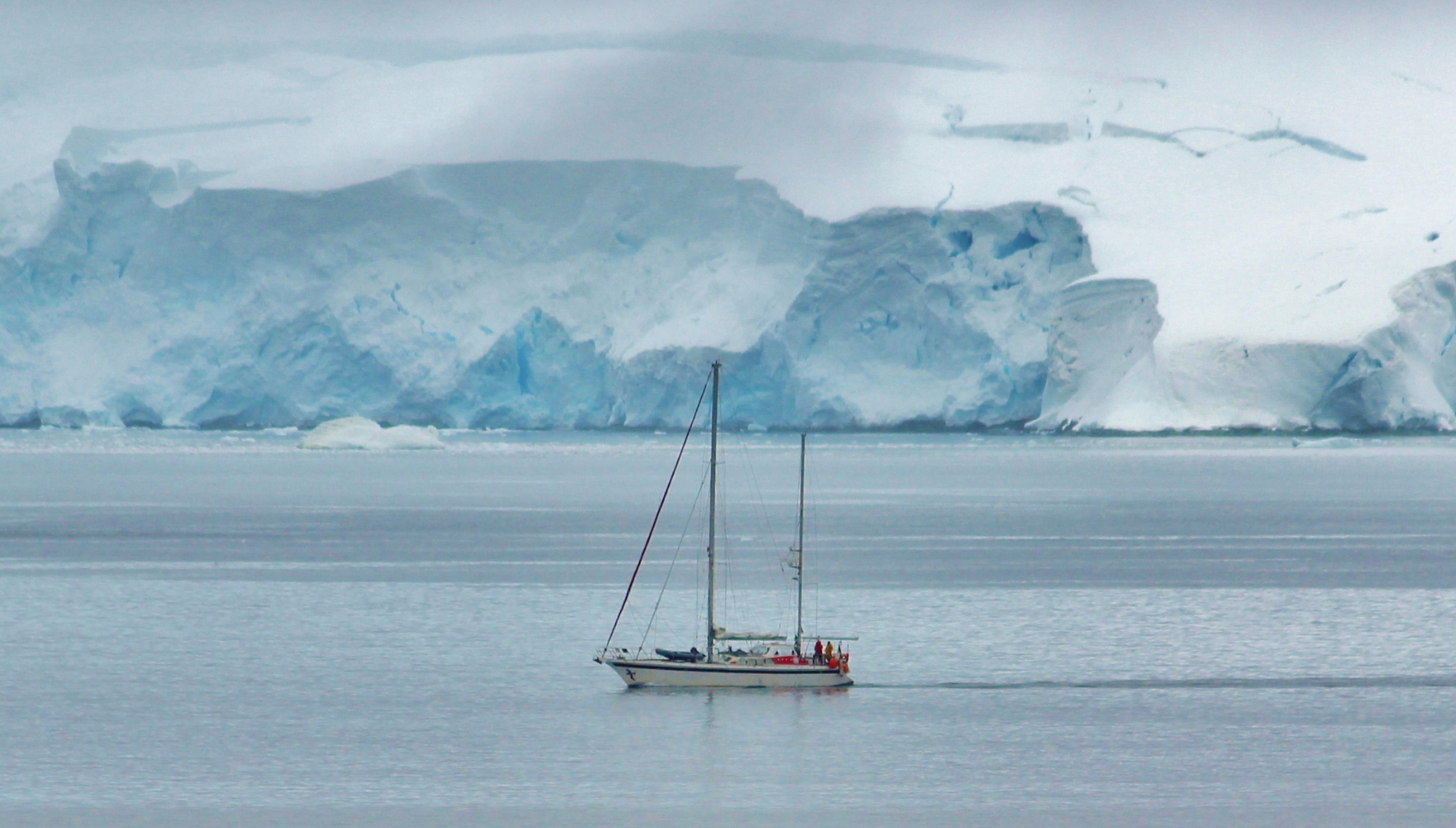
According to CNN, the International Association of Antarctic Tour Operators (IAATO) began tracking the number of visitors to the continent in the early 1990s. At that time, there were approximately 7,000 visitors per year. This number has exploded over the past half-decade.

Two decades ago, Antarctic tourism meant traveling on small ships. Many of these were icebreakers from Russia, Canada, and other polar nations. The experience was far from luxurious. Robin West, vice president and general manager of the cruise ship Seabourn Pursuit, made the first trip to the region in 2002. He says that many ships back then only had bunk beds and shared bathrooms. "Every night you had to sign up to eat spaghetti or lasagna," he recounts. Very few ships even had windows to look at the view outside.
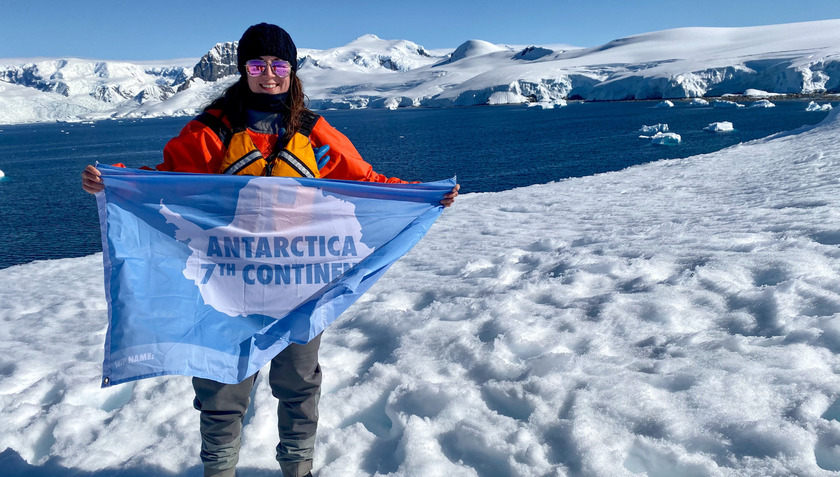
With a surge in tourist numbers to Antarctica, travel there is said to be easier than ever before.
In recent years, many cruise lines have invested billions of dollars in luxury cruise ships, according to CNN. The Seabourn Pursuit and its sister ship, Venture, both feature luxurious spas, nine restaurants, and eight lounges and bars for approximately 250 passengers. Each of the 132 cabins has large glass windows and balconies, allowing guests to stand outside and admire the majestic icebergs gliding by.
For an additional fee, passengers can book a ride on one of the ship's submarines or explore the Antarctic waters by kayak. They also don't need to worry about the freezing temperatures, as special cold-weather clothing will be provided, ensuring they stay warm and dry while strolling among penguins and seals.

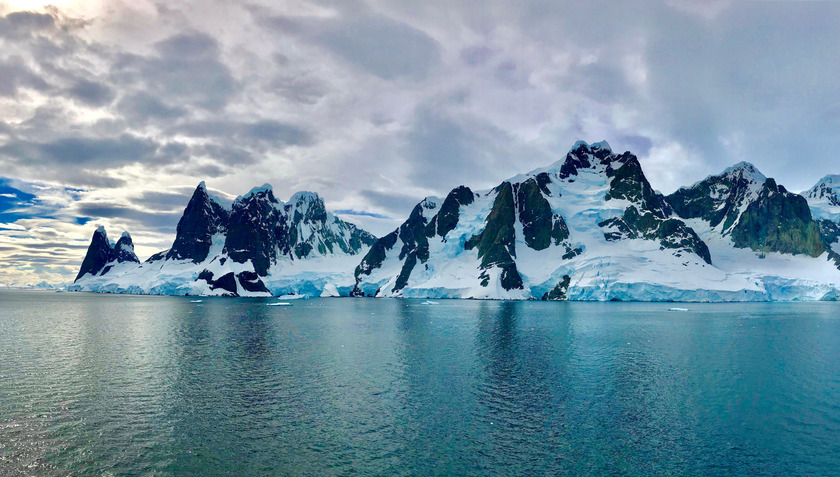
The development of tourism in Antarctica has prompted many travel agencies to improve the quality of tours to the region.
Recently, a new form of Antarctic tourism has emerged. Airlines such as Celebrity, Norwegian, and Princess now offer "cruise-only" trips, allowing passengers to view Antarctica without ever setting foot on this pristine and fragile tundra.
These voyages typically involve larger vessels and are generally more affordable. IAATO reports that in 2017, around 7,000 passengers traveled to Antarctica via "cruise-only" voyages. This past season, that number exceeded 43,000, an increase of over 500%.
The rapidly increasing number of tourists has led some experts to worry about the environmental impact on Antarctica. A 2022 study published in the journal Nature showed that snow in Antarctica is melting faster due to tourism to the continent.
Black soot from cruise ship smoke falls onto the ice and absorbs sunlight, causing the snow to melt rapidly. Ecologists also suggest that the human presence is increasing carbon dioxide levels in an area not accustomed to this gas.
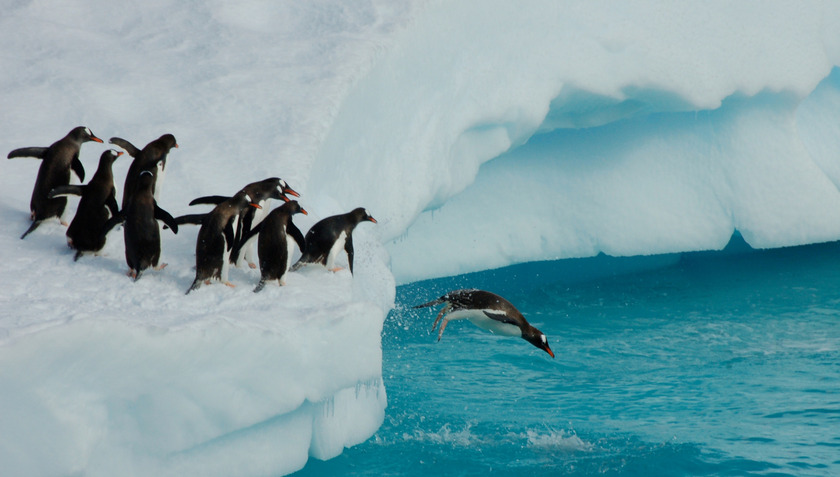
Concerns have arisen that tourism could negatively impact the environment and wildlife in Antarctica.
Cruise ship operators say they are well aware of their environmental impact. Passengers receive detailed instructions not to bring food or contaminants from outside when landing in Antarctica. They are reminded not to lie down in the snow, and to keep their distance from animals to prevent bacteria and viruses from humans from infecting wildlife.
Therefore, according to CNN, countries wishing to develop tourism or conduct research in Antarctica must sign an Antarctic Treaty. The treaty stipulates that no organization or individual is allowed to construct permanent structures in the area to serve tourists. In other words, no accommodation facilities are permitted in Antarctica. IAATO has begun monitoring the fuel consumption of tourist ships in the South Pole. Some operators are now trying to use electric propulsion to reduce black smoke and CO2 emissions.