
 VI
VI


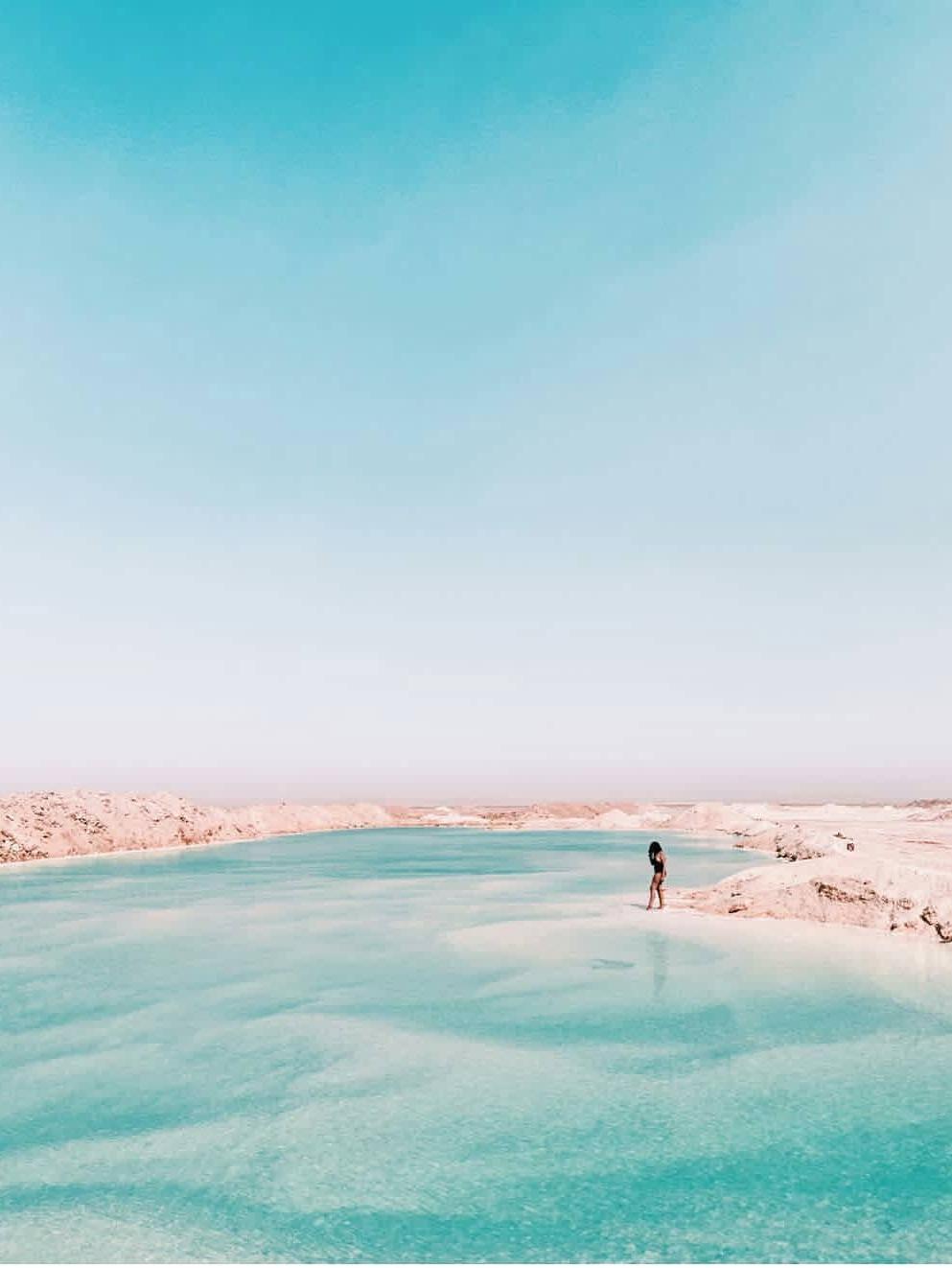
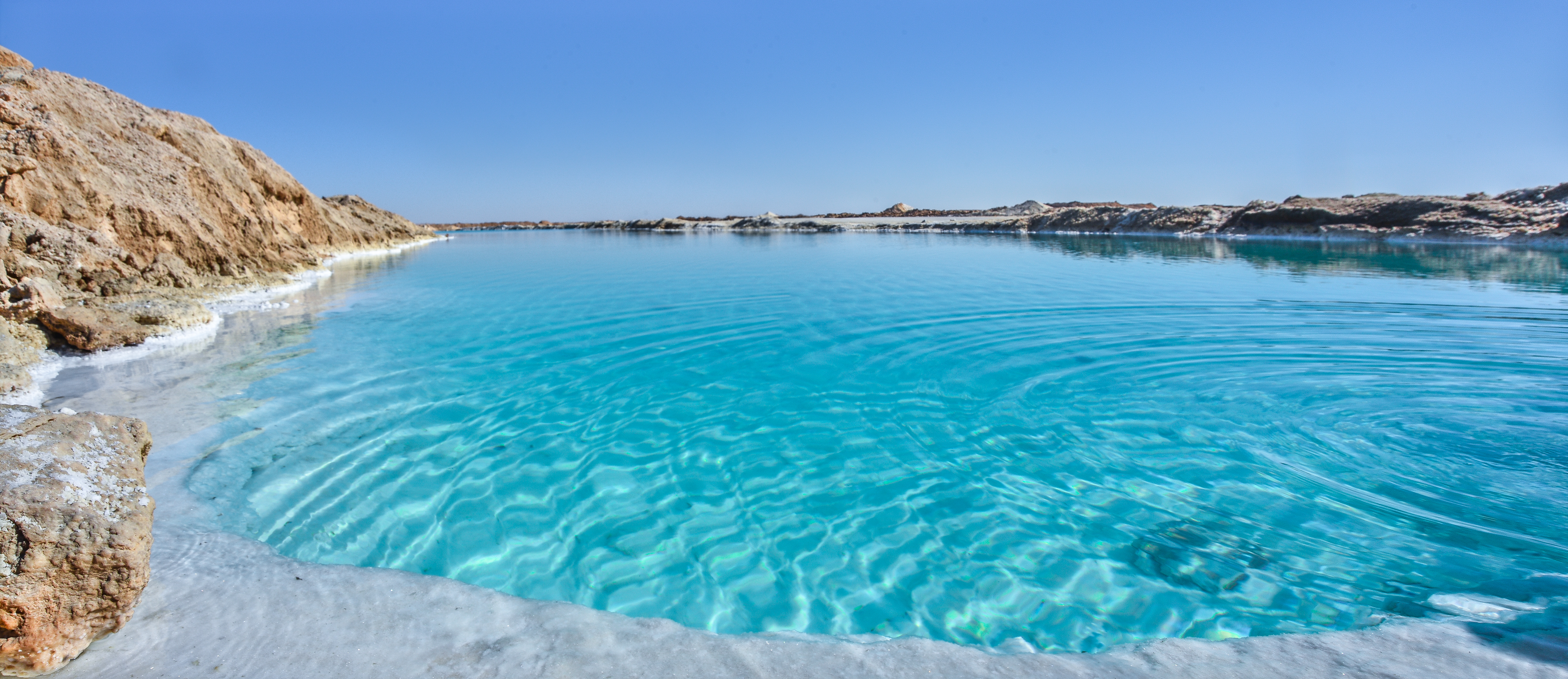
Siwa Oasis is an urban oasis in Egypt, situated between the Qattara Depression and the Great Sand Sea, 560 km southwest of Cairo. Its economy relies primarily on the cultivation of dates and olives. Tourists flock here to bathe in hot springs, admire the stunning scenery, and participate in unique desert activities.
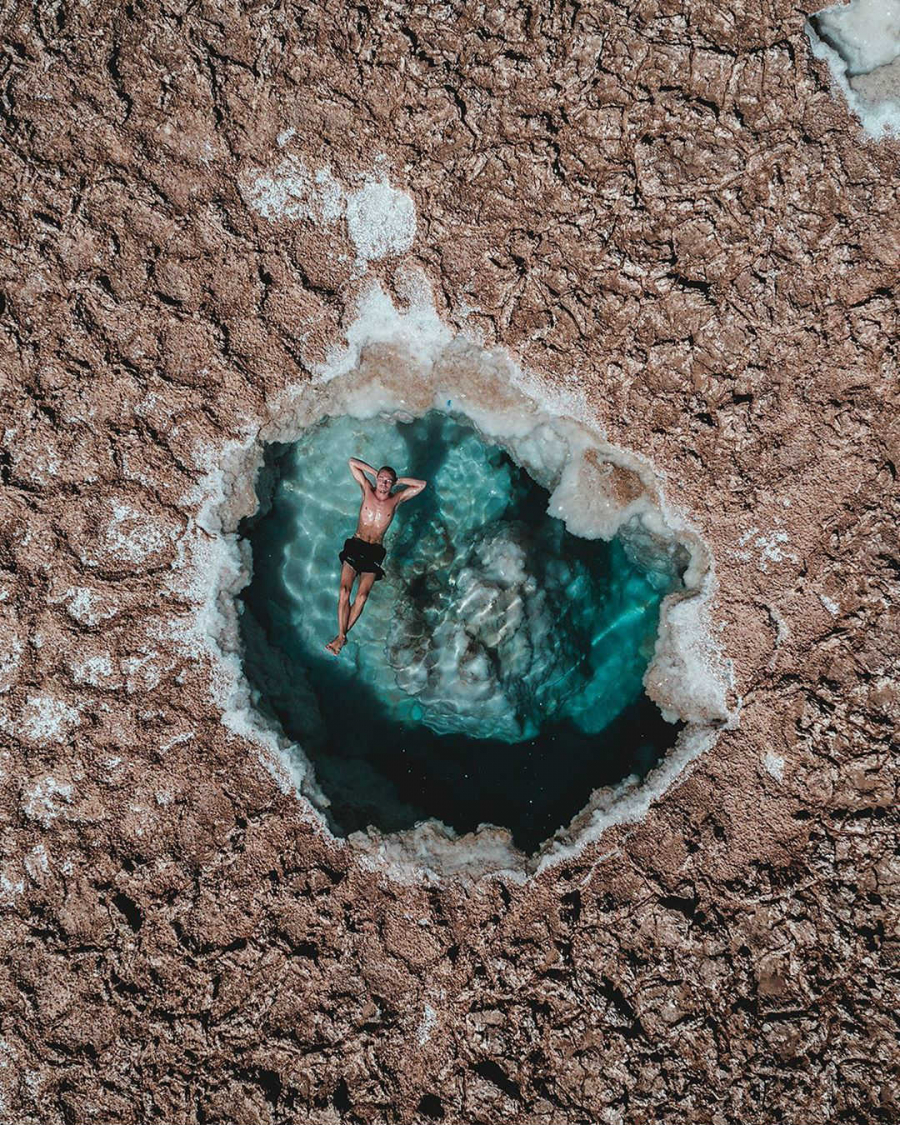
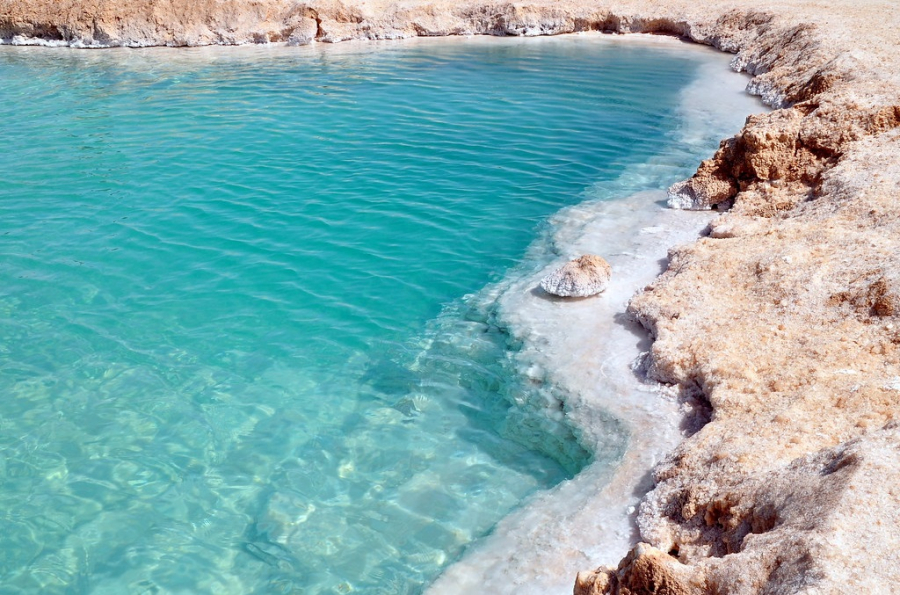
In the Siwa oasis, the crystal-clear, turquoise pools are a popular destination for many tourists. Passing by these pools, you might mistake them for beaches due to their vibrant blue color. However, these are not ordinary pools, but rather salt lakes with a high salt concentration that increases the Archimedes' buoyancy, allowing people to float effortlessly on the water's surface. Apply some sunscreen, and you can relax, immerse yourself in the cool water amidst the scorching sun, and enjoy the tranquil view of the sky and land.
The ancient Egyptians had long understood that the salt trade could be very lucrative. The Siwi people traditionally used this salt in building their homes and shaping their tools, and especially in salt lamps, which were believed to generate healing energy through the heat of the light source.
The salt here can be carved into various objects such as chandeliers or souvenirs for tourists. The salt mining process has inadvertently formed small salt ponds.

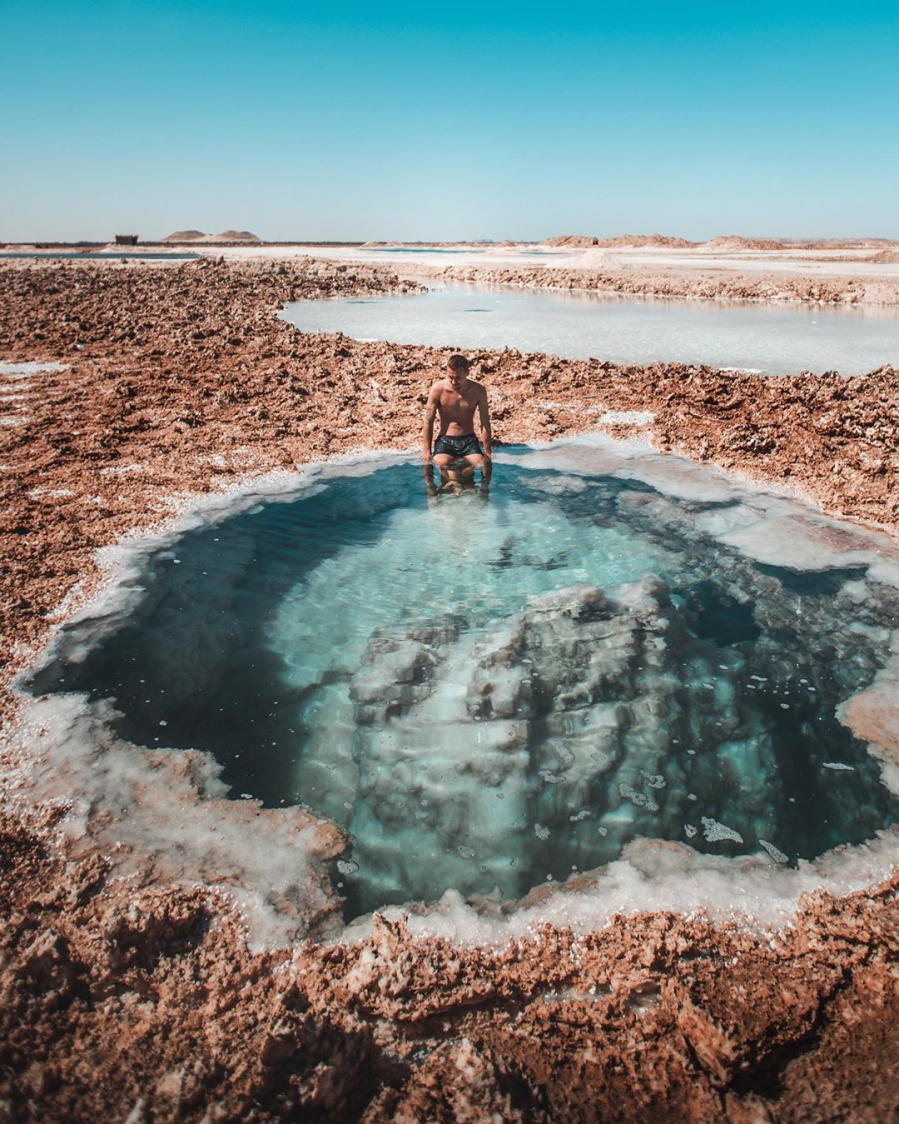
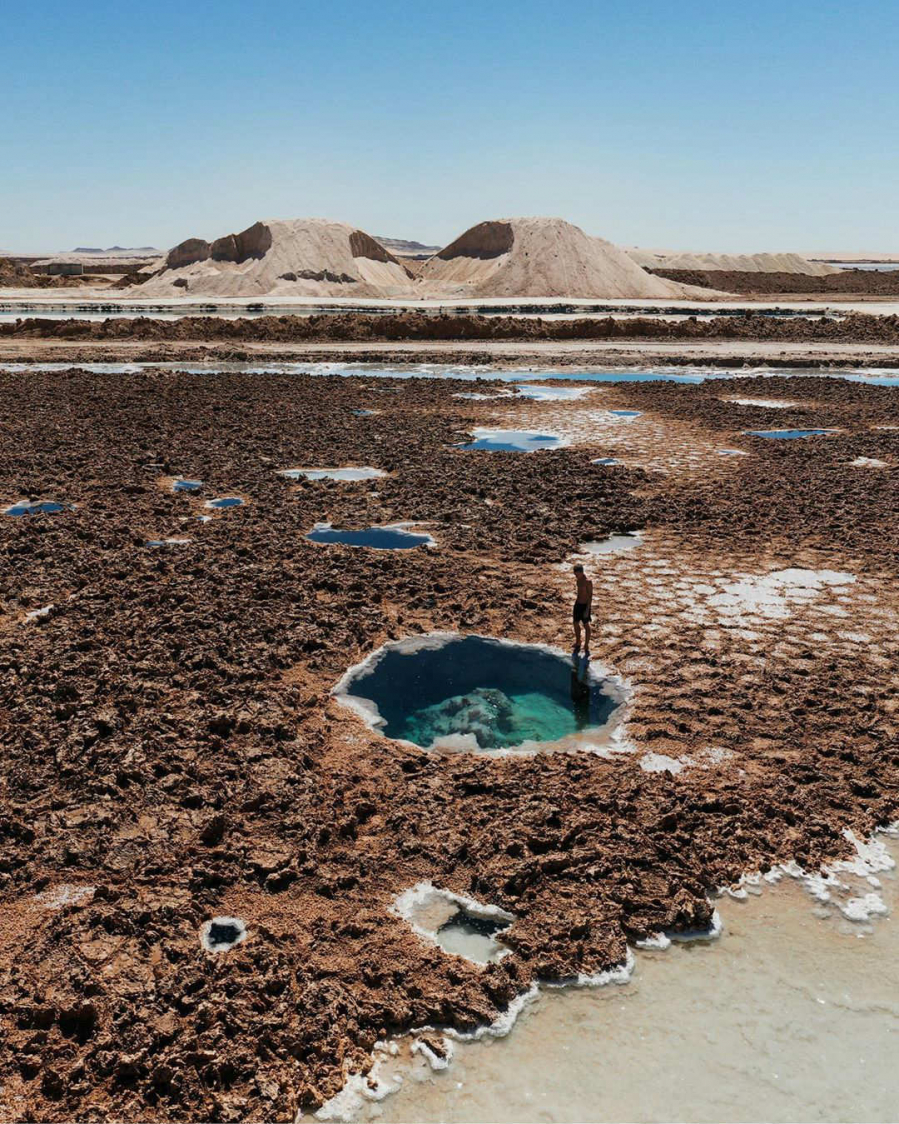
Here, you have to walk gently on the salt crystals and carefully step into the water without scratching your feet. Once in this crystal-clear water, sinking seems impossible, as the extremely salty water will keep you afloat, much like in the Dead Sea.
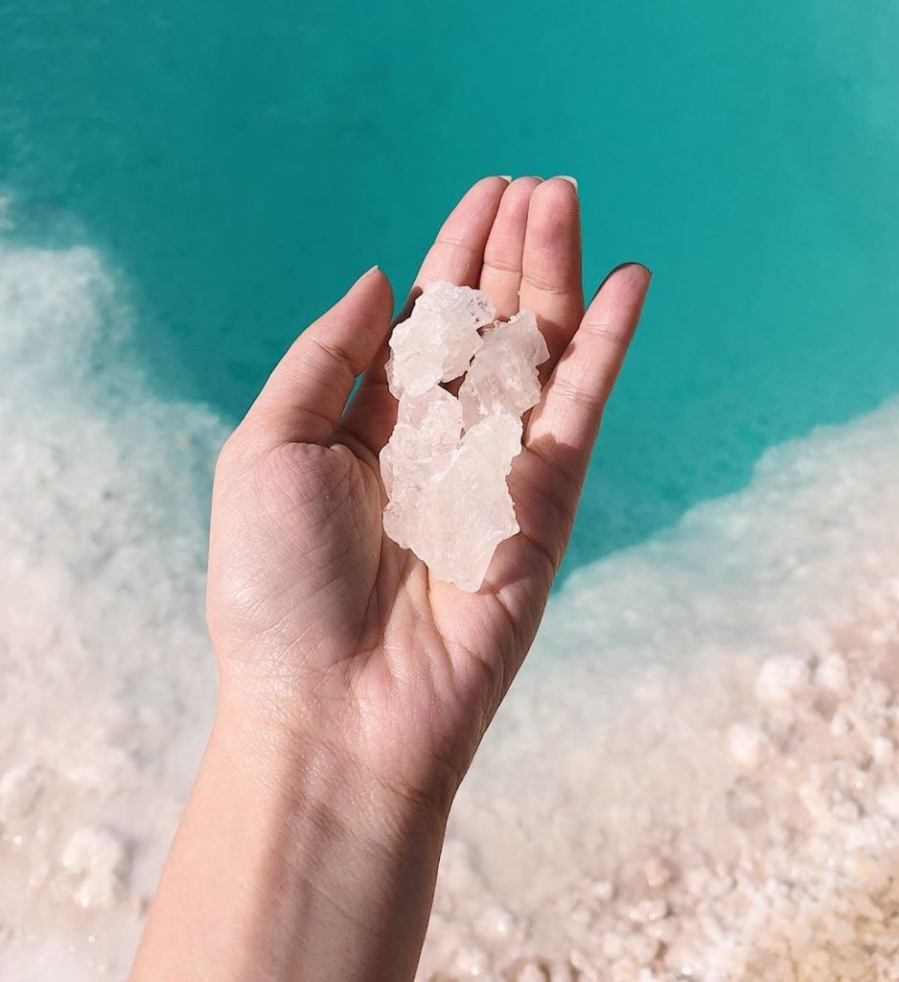
Visitors wishing to immerse themselves in these salt pools should be careful as the salt crystals here are very sharp.
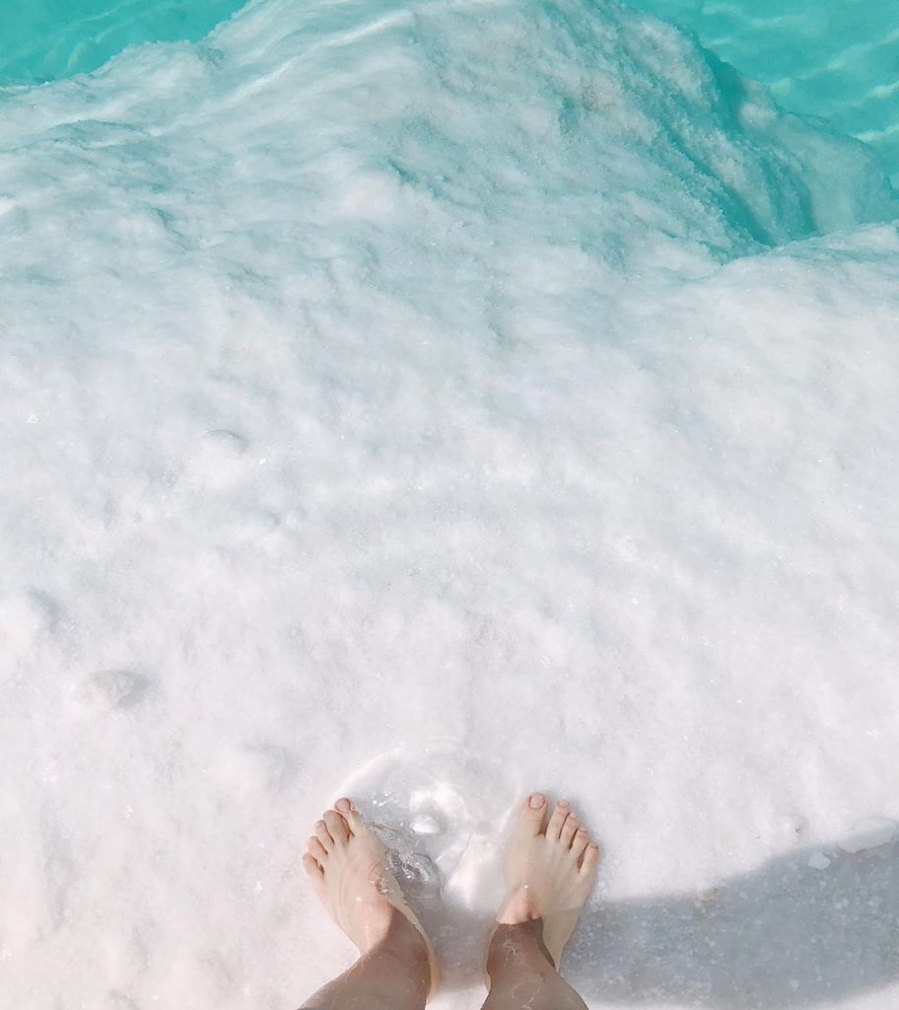
Additionally, visitors should wear plastic sandals or flip-flops when moving around, as the salt particles can damage shoes very quickly.
Here, you can enjoy the natural beauty and swim safely in the crystal-clear waters, as well as receive natural medical treatment for eye, skin, and sinus ailments. Along with the relaxing experience offered by its location, this oasis is promoted as a health and recreation destination.
Although relaxing in a salt pond looks great, the high salinity of the water makes it unsuitable for prolonged soaking; it's best to stay for no more than 25 minutes.
Recently, the region has started producing items such as health and beauty products made from salt to attract tourism. As a result, the number of visitors has increased, reaching approximately 10,000 Egyptians and around 500 foreigners each year.
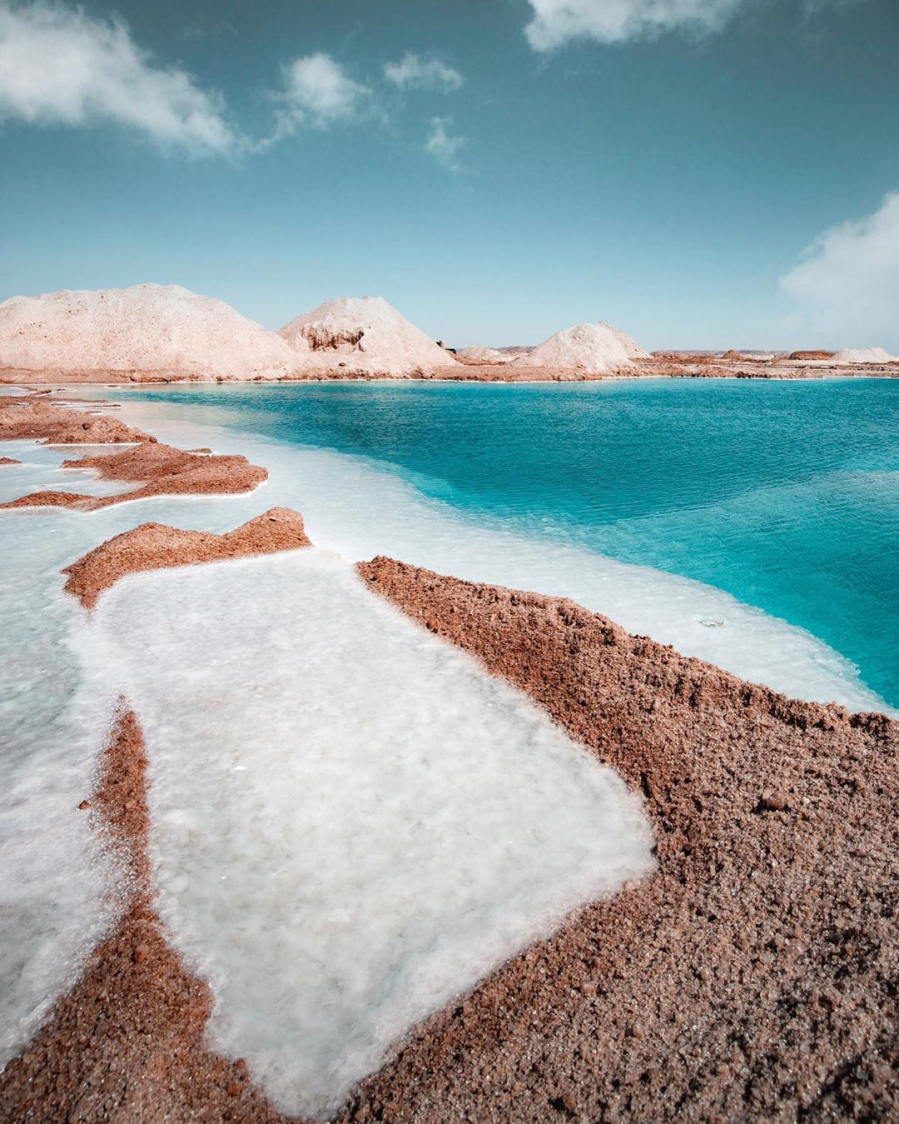
Except for olives and dates, virtually no crops grow near these salt lakes and ponds. This is because nearby spring water flows into the salt lakes, rendering the water unusable for drinking or irrigating crops.
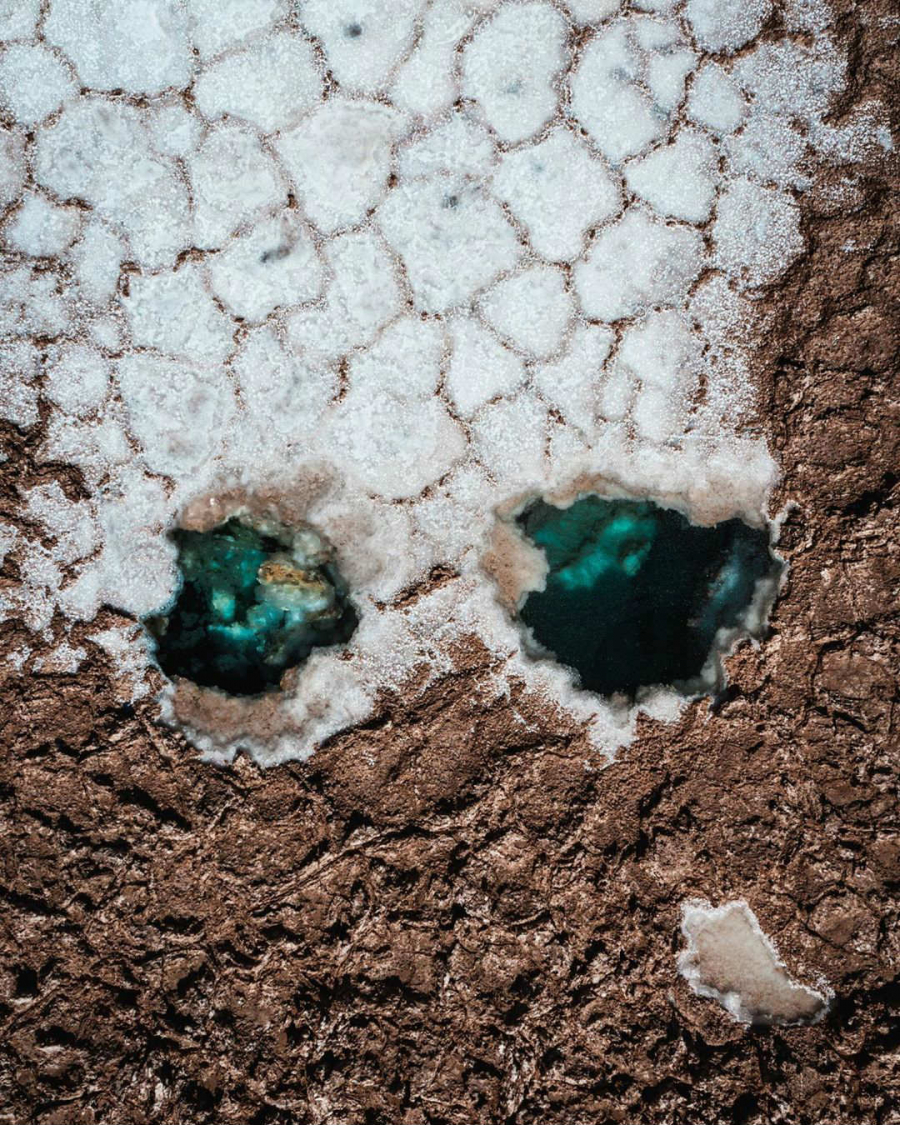
Local people use saline soil to build traditional mud-brick houses. Although the salt in the mud bricks helps to strengthen the walls, it dissolves when it rains, making the houses prone to collapse.
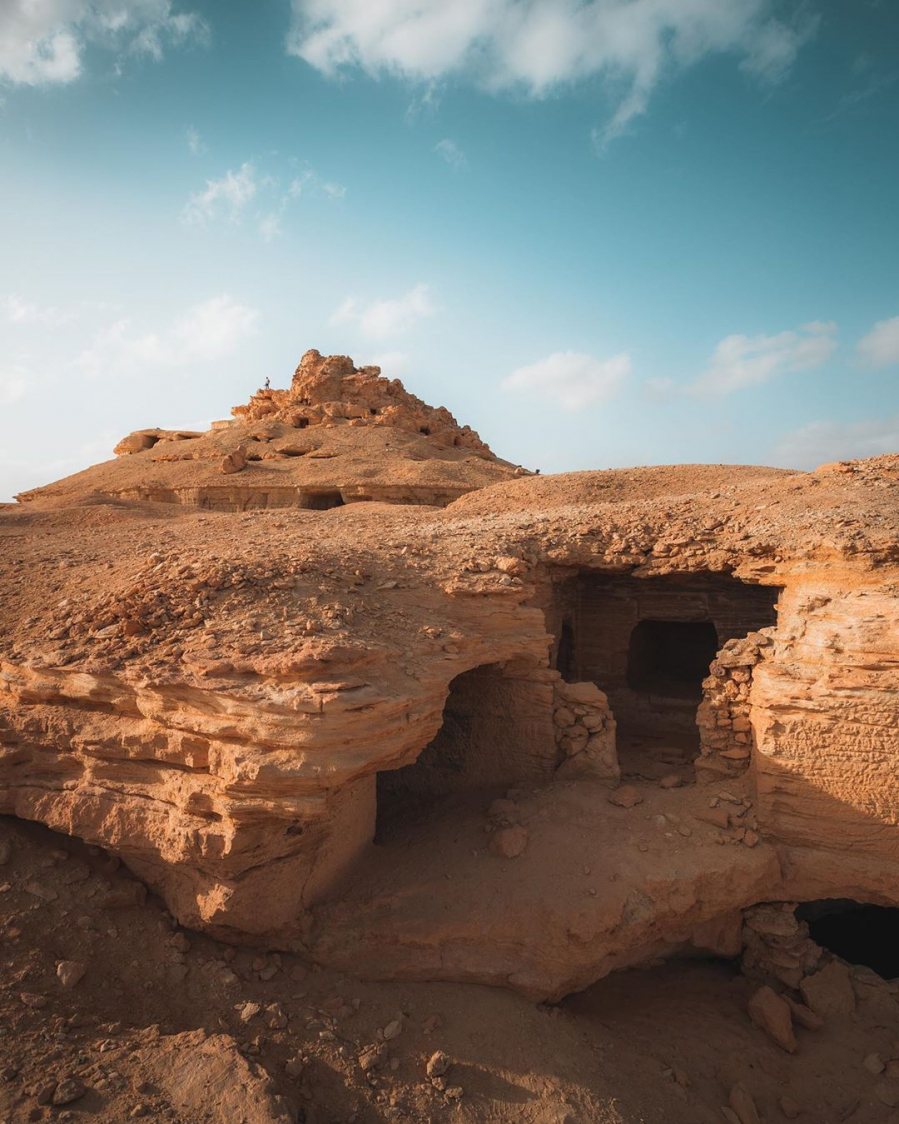
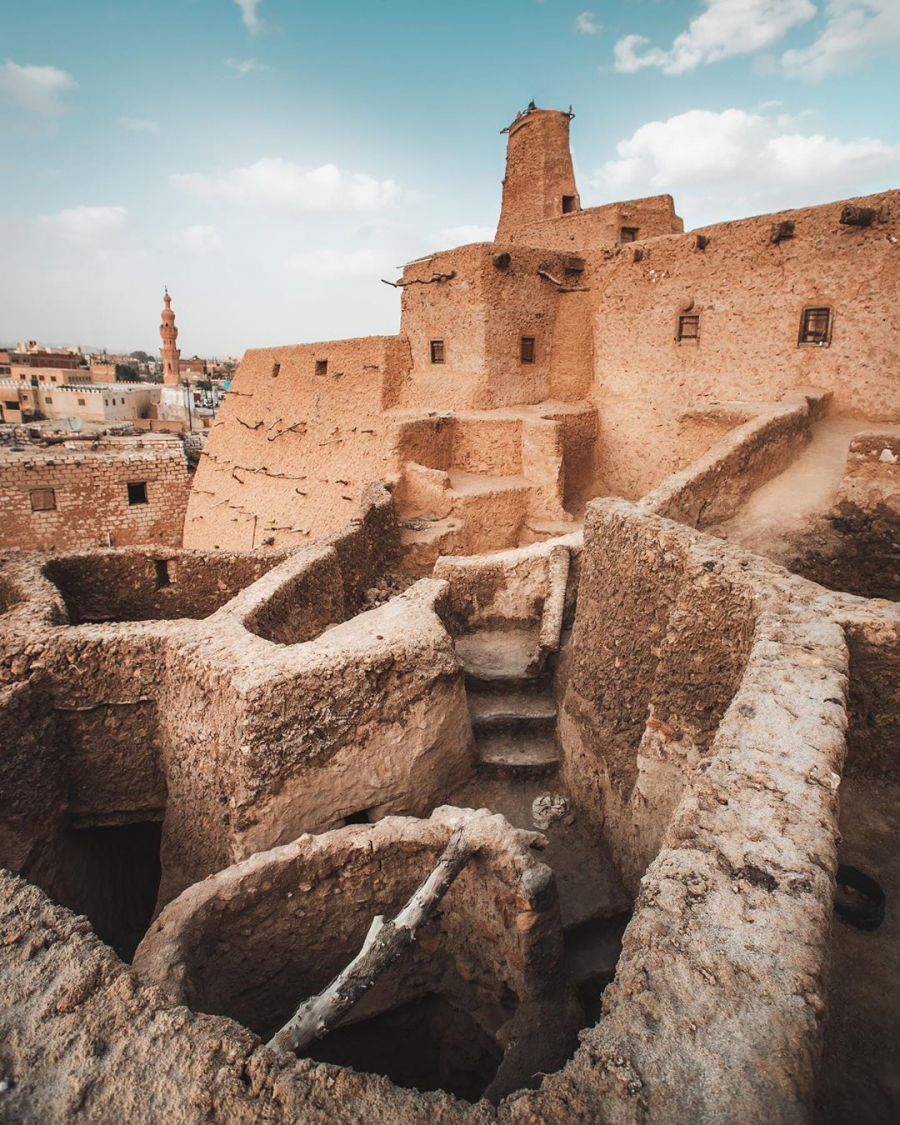
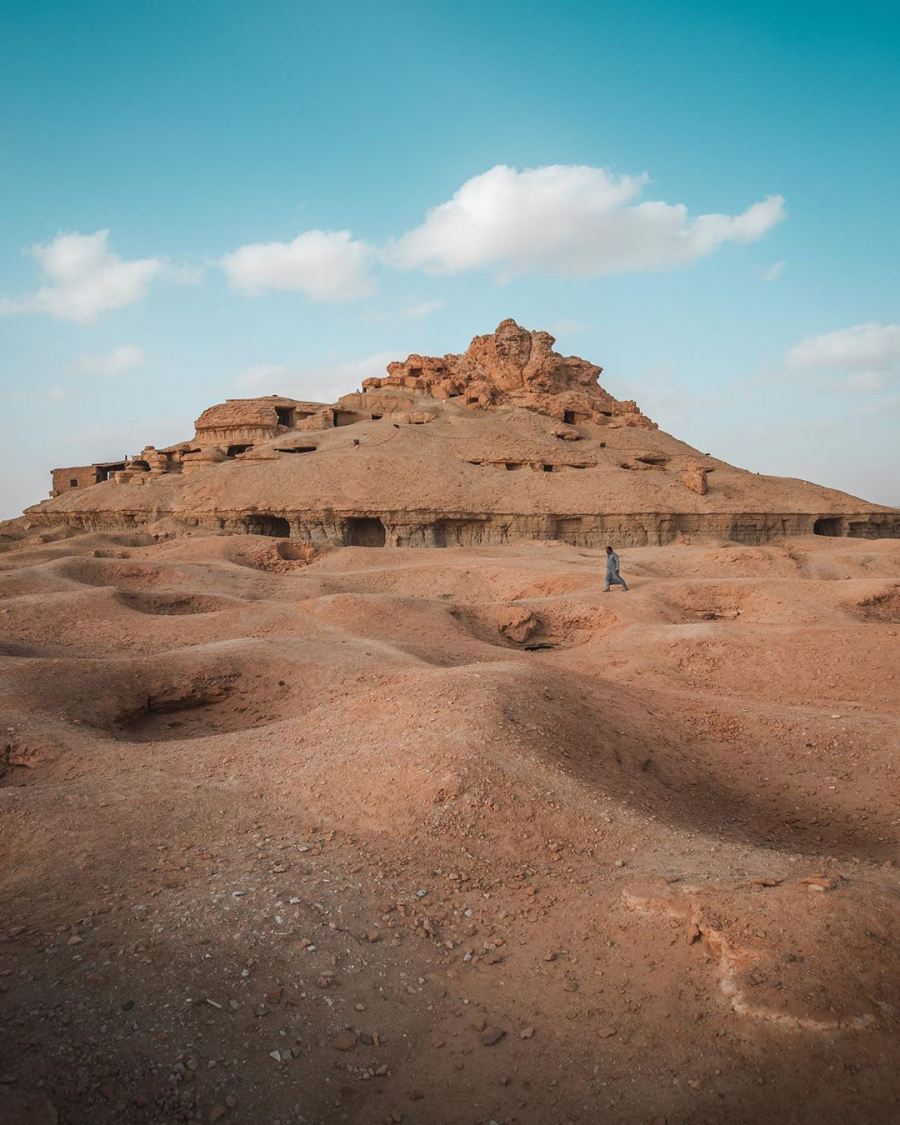
Besides visiting this salt pond, the Siwa oasis has many other cultural and historical sites worth exploring. There is even a temple once visited by Alexander the Great, so history enthusiasts shouldn't miss this place.






.jpg.jpg)


.jpg.jpg)






