VI
VI


What is the Dragon Boat Festival?
The Dragon Boat Festival, also known as Duanwu Festival, is a traditional festival celebrated at noon (approximately 11 AM to 1 PM) on the 5th day of the 5th lunar month every year. In 2024, the Dragon Boat Festival will fall on Monday, June 10th. This festival is popular in East Asian countries such as Vietnam, Korea, Taiwan, Japan, and China.
The name Duan Ngo comes from two words: "doan," meaning beginning, and "ngo," referring to the time period from 11 a.m. to 1 p.m. Therefore, celebrating Duan Ngo means celebrating at noon. According to ancient beliefs, this is when the sun is at its shortest and closest to the earth.
In Vietnam, the Dragon Boat Festival is also popularly known as the "Insect Extermination Festival." Legend has it that after a bountiful harvest, the people were plagued by insects destroying their crops. Suddenly, an old man from afar, who called himself Doi Truan, arrived and instructed them on how to exterminate the insects. After following his instructions, the insects died. The old man advised them to perform rituals and exercise on the 5th day of the 5th lunar month each year to drive away the insects. To commemorate the old man's kindness, the people named this day the Insect Extermination Festival or Dragon Boat Festival.
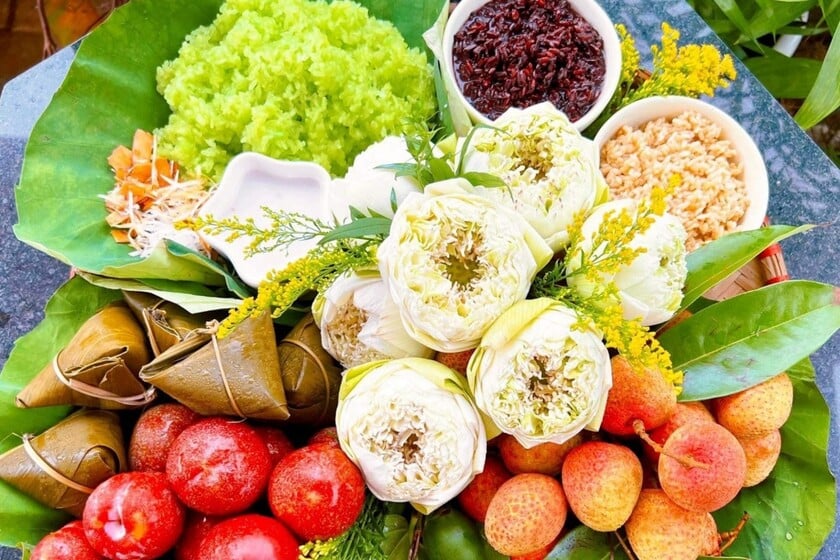
In Vietnam, the Dragon Boat Festival is also popularly known as the "Insect Killing Festival".
Cultural identity through the customs of the Dragon Boat Festival.
Offering incense to ancestors to pray for peace.
Offering incense at the ancestral altar is an important and indispensable ritual during the Dragon Boat Festival, as well as other Vietnamese festivals. It's an occasion for descendants to express their deep gratitude, remember their roots, and pray for their ancestors' blessings and protection for the family.
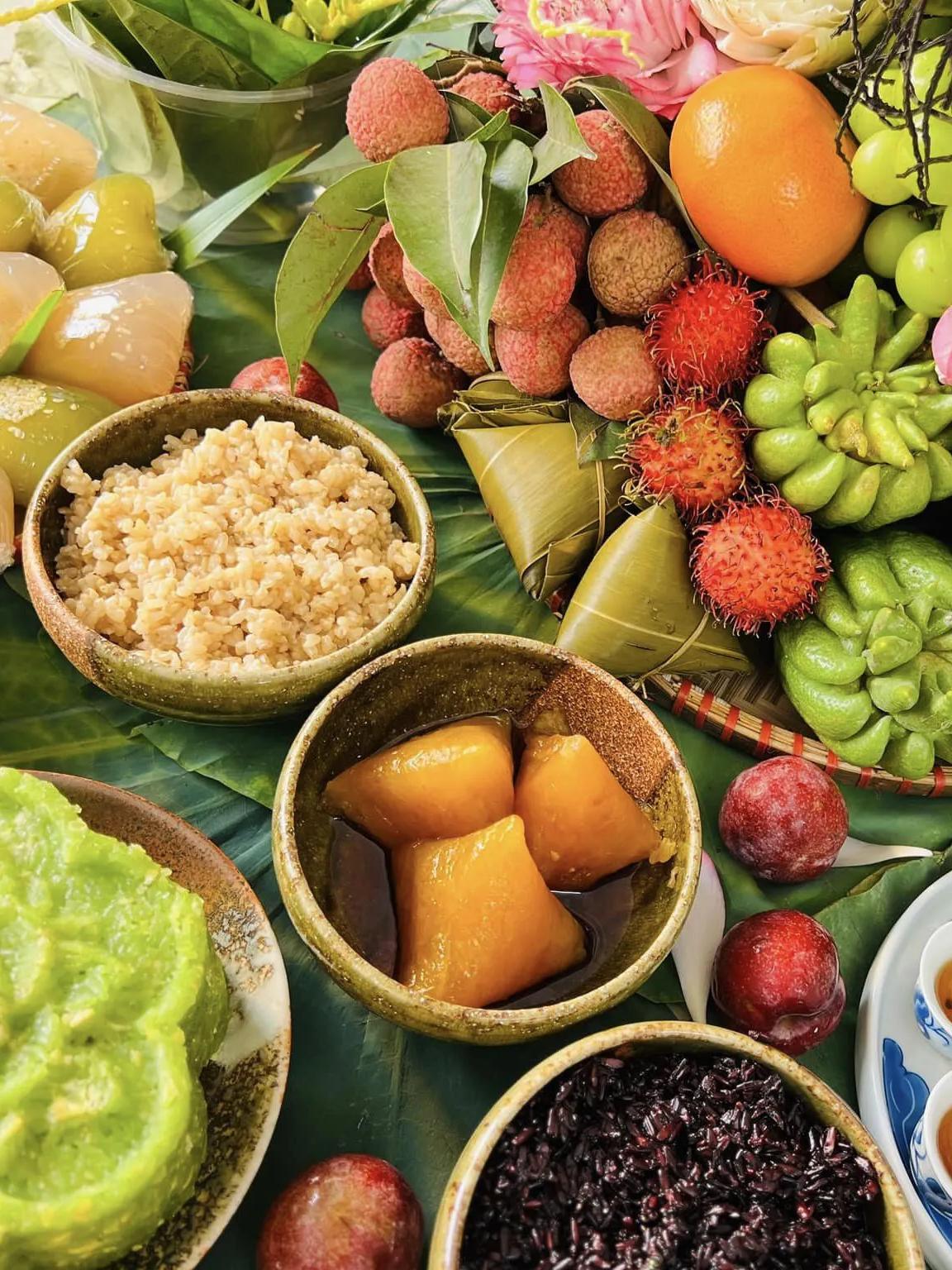
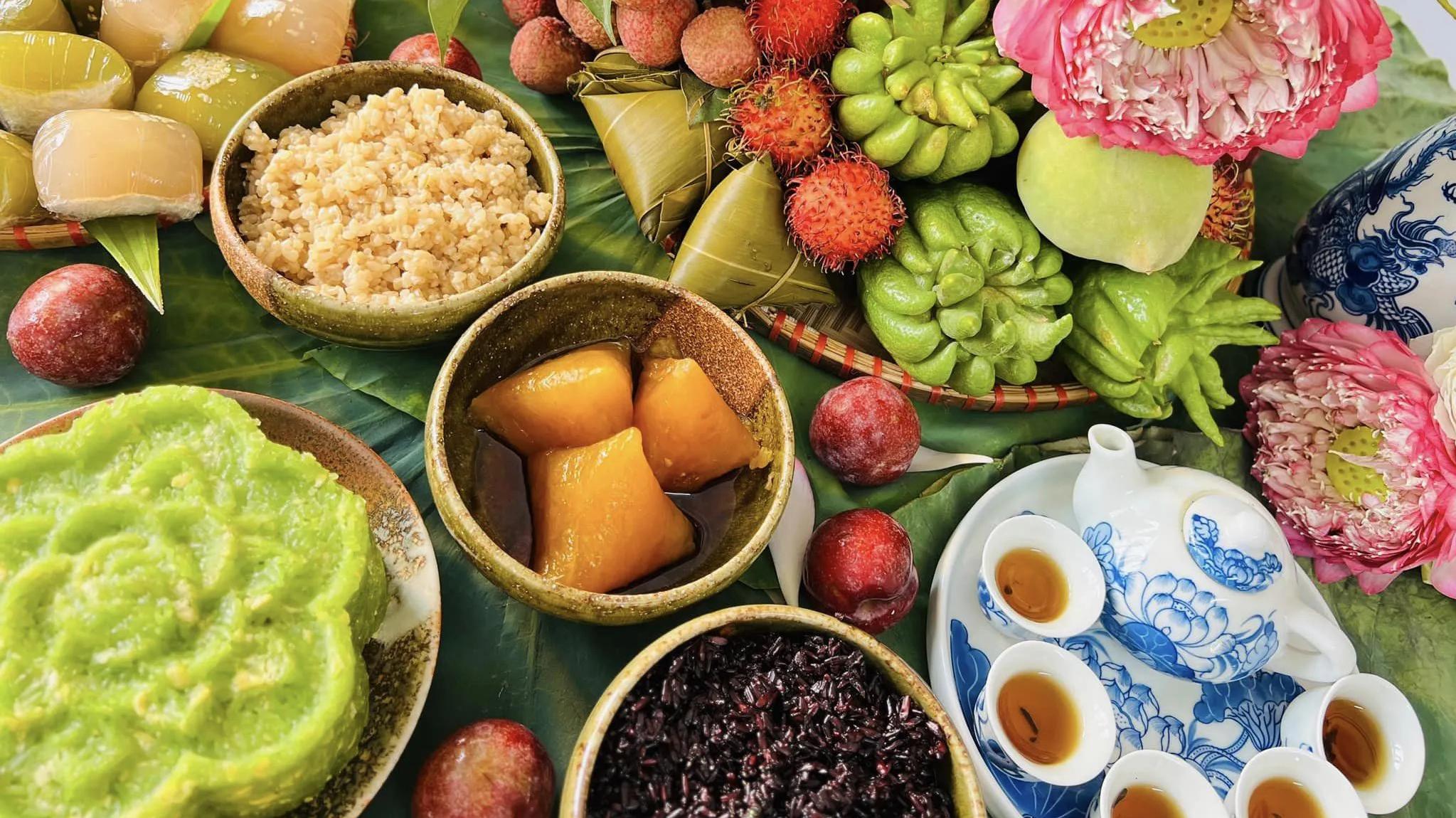
The offerings for the Dragon Boat Festival (Tet Doan Ngo) vary in method and items depending on the locality. However, generally, the offerings are vegetarian, although duck meat may be added in some regions. Common offerings include: fresh flowers, votive paper money, incense, clean water, rice wine, glutinous rice, and fruits.
In addition, the offering tray for the Dragon Boat Festival may also include some dishes characteristic of each locality. Sticky rice cakes (Bánh gio) are a typical offering in the North, made from glutinous rice soaked in water with ash leaves, wrapped in dong leaves, and boiled until cooked. Duck meat is popular in the Dragon Boat Festival offerings of people in Central Vietnam. According to folk beliefs, in the 5th lunar month, the weather is hot and humid, and eating duck meat, which is considered cooling, helps to cool the body. Traditional glutinous rice balls (Chè trôi nước) of the South, eaten during the Dragon Boat Festival, are made from glutinous rice flour with mung bean filling, served with sugar syrup or coconut milk with sugar.
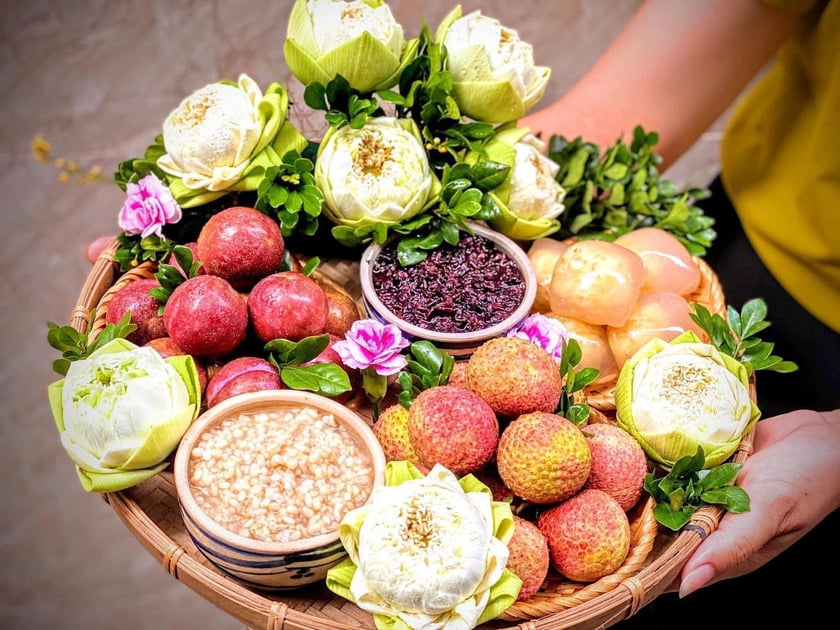
The offerings and rituals for the Dragon Boat Festival vary depending on the locality.
Inspecting trees at noon - A unique ritual to pray for abundant fruit from the trees.
At exactly 12 noon on the Dragon Boat Festival, many localities in Vietnam are bustling with the ritual of inspecting trees, also known as tree tapping. This is a unique custom deeply rooted in Vietnamese culture, expressing the wish for a bountiful harvest and trees bearing abundant fruit.

According to ancient beliefs, inspecting trees at noon on the Dragon Boat Festival will bring good luck and prosperity to the homeowner. This ritual is usually performed on fruit trees that bear little fruit or are infested with pests and diseases, with the hope of "driving away" bad luck and bringing new life to the trees.
The ritual of examining a tree usually takes place with two people. The person climbing the tree embodies the tree itself, representing its vitality and potential. The person below holds a knife, taps the base of the tree, and asks questions such as, "Why didn't the tree bear flowers or fruit this year?", "Will it bear much fruit next season?"...
The exchange between the two was lively, with questions being asked continuously. The person below would "threaten" to cut down the tree if the next season wasn't good, forcing the person above to answer quickly and promise a bountiful harvest the following season.
The ritual of inspecting trees not only signifies a wish for abundant harvests but also reflects the close relationship between humans and nature. It is an occasion for people to gather together, celebrate, and pray for a bountiful harvest and a prosperous and peaceful life.
Sticky rice cakes and glutinous rice wine - The distinctive flavors of the Dragon Boat Festival.
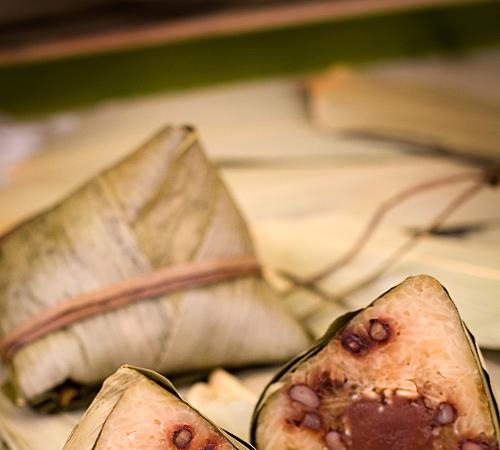
Banh gio (rice cake) is an indispensable dish on the Vietnamese Dragon Boat Festival (Tet Doan Ngo). To make delicious, chewy banh gio, bakers need to be very meticulous in selecting ingredients. The glutinous rice must be a sticky, fragrant variety, soaked in lye water to create its characteristic color. The leaves used to wrap the cakes must be torn dong leaves, washed clean and dried. The cakes are wrapped in bunches of 7-10 and boiled until cooked.
Every year on the Dragon Boat Festival, parents and grandparents carefully prepare delicious sticky rice cakes for their children, grandchildren, and relatives who come to visit. Gathering around the table, they enjoy the fragrant, chewy rice cakes, sip tea, and chat lively, sharing joyful and meaningful stories. These are the warm, heartwarming moments of togetherness that everyone longs for during the Dragon Boat Festival.
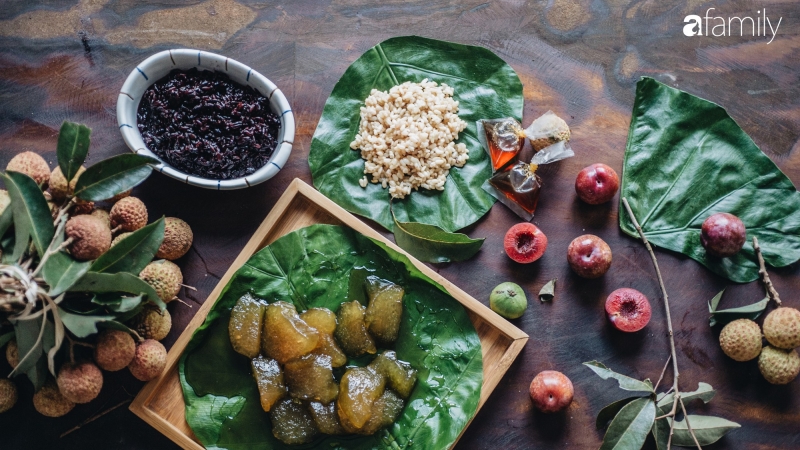
Fermented purple sticky rice is also a characteristic dish of the Dragon Boat Festival. This dish, made from fermented purple sticky rice and rice wine, has a subtly sweet taste and offers many health benefits. On the Dragon Boat Festival, family members often enjoy fermented purple sticky rice together as a wish for good health and well-being for themselves and their families. This is a traditional custom with profound meaning, expressing the desire to ward off disease and bring abundant health and youthfulness.
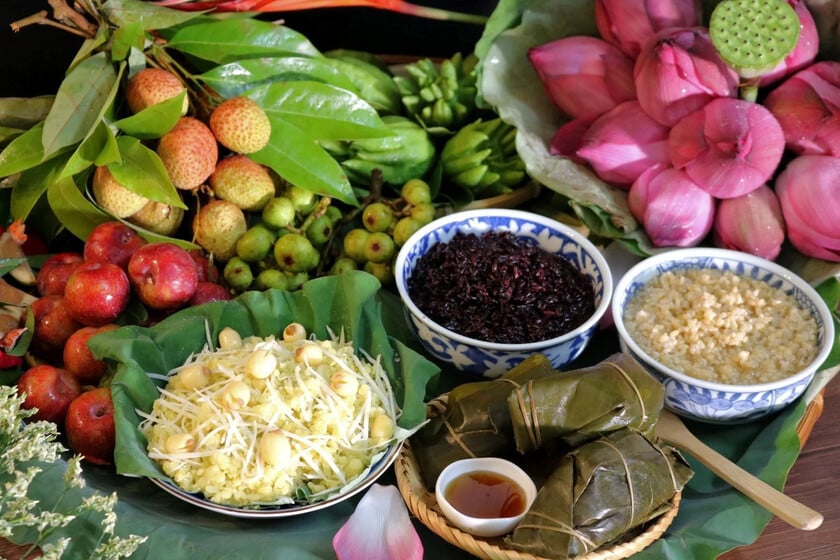
Sticky rice cakes and glutinous rice wine are not only delicious dishes but also symbols of good fortune and prosperity on the Dragon Boat Festival.
Sticky rice cakes and glutinous rice wine are not only delicious dishes but also symbols of good fortune and prosperity on the Dragon Boat Festival. Enjoying these dishes together, people will feel the warmth and love of family bonding and further appreciate the beautiful traditional cultural values of the nation.
The custom of eating duck meat on the Dragon Boat Festival.
Eating duck meat on the Dragon Boat Festival is a beautiful traditional cultural practice of the Vietnamese people. According to folk beliefs, on this day, the weather becomes hot and humid, easily making people feel tired and lethargic. Therefore, eating duck meat is seen as a way to cool down, cleanse the body, and nourish health.
According to traditional Chinese medicine, duck meat is cooling and sweet, and has a heat-reducing effect. Therefore, it is an ideal dish to enjoy on the Dragon Boat Festival.
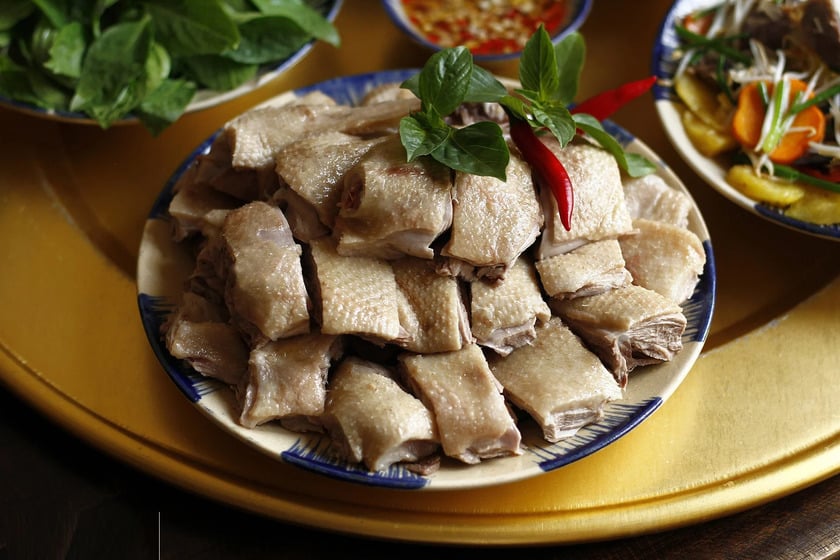
The custom of eating duck meat on the Dragon Boat Festival is a beautiful traditional cultural practice of the Vietnamese people.
Eating fruit on the Dragon Boat Festival
According to folk beliefs, on this day, people are more susceptible to digestive problems due to the hot weather. Therefore, eating sour fruits such as plums, mangoes, oranges, grapefruits, etc., is considered a way to detoxify the body and prevent illness.
On the offering trays for the Dragon Boat Festival in most Vietnamese families, you can easily find these fruits. The vibrant colors and tangy flavors of the fruits symbolize good fortune, peace, and prosperity.
Furthermore, eating early-season fruits on the Dragon Boat Festival also symbolizes the desire for a prosperous and abundant life. Trees bearing flowers and fruit are symbols of fertility, growth, and prosperity.
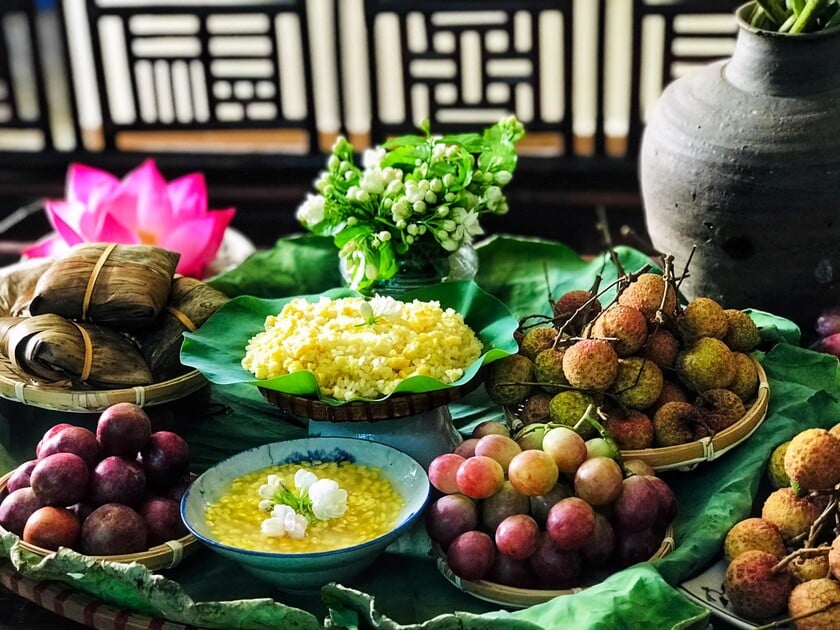
Eating the first fruits of the season on the Dragon Boat Festival also symbolizes the wish for a prosperous and fulfilling life.