VI
VI


Silent footsteps, pensive gazes, soft sighs… these are the common feelings of most tourists who visit this place these days.
Located at 28 Vo Van Tan Street, District 3, the War Remnants Museum is one of the city's most special attractions, having opened in 1975, just a few months after the country's reunification. Having undergone several name changes and upgrades, the museum has now become the largest space preserving war memories in the country, attracting millions of visitors annually – both domestic and international.
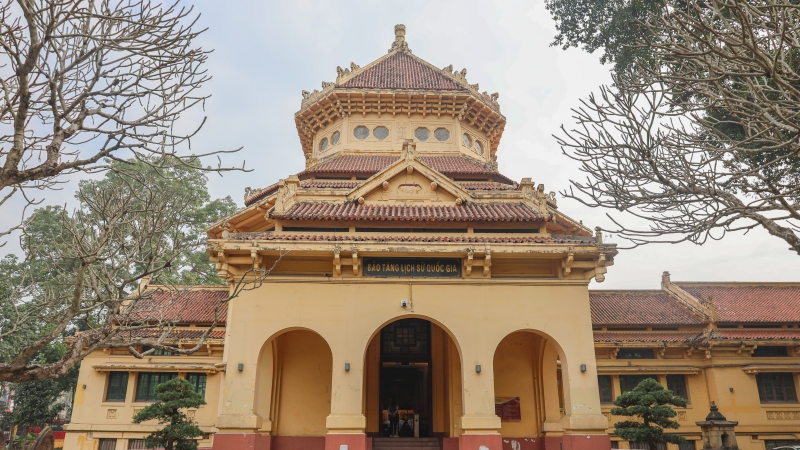
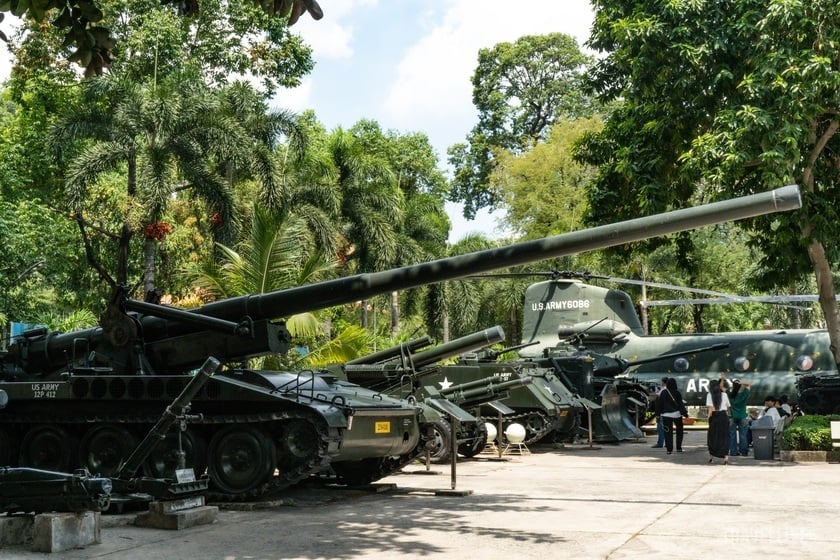
A corner of the War Remnants Museum in April, amidst the Saigon sunshine.
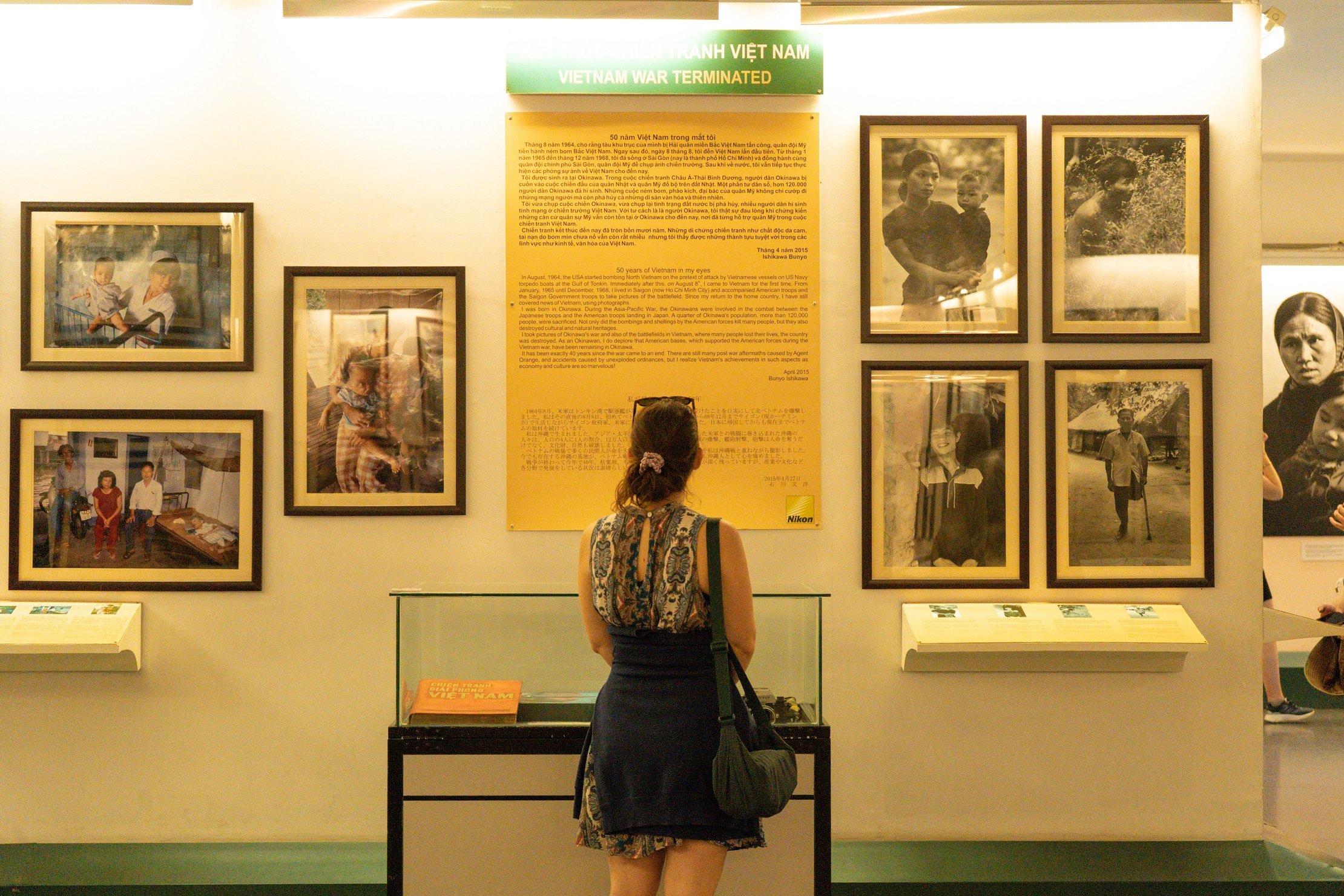
Spanning over 5,000 square meters, the exhibition halls are arranged according to various themes: "The World Supports Vietnam's Resistance Against the US," "War Crimes of Aggression," "Agent Orange Crimes in the Vietnam War," "Historical Truths," etc. Black and white photographs, bomb fragments, tattered shirts, old tanks… each exhibit is a part of a painful yet resilient memory. Perhaps nowhere else can one feel so deeply the losses of war – and the sacred value of peace.

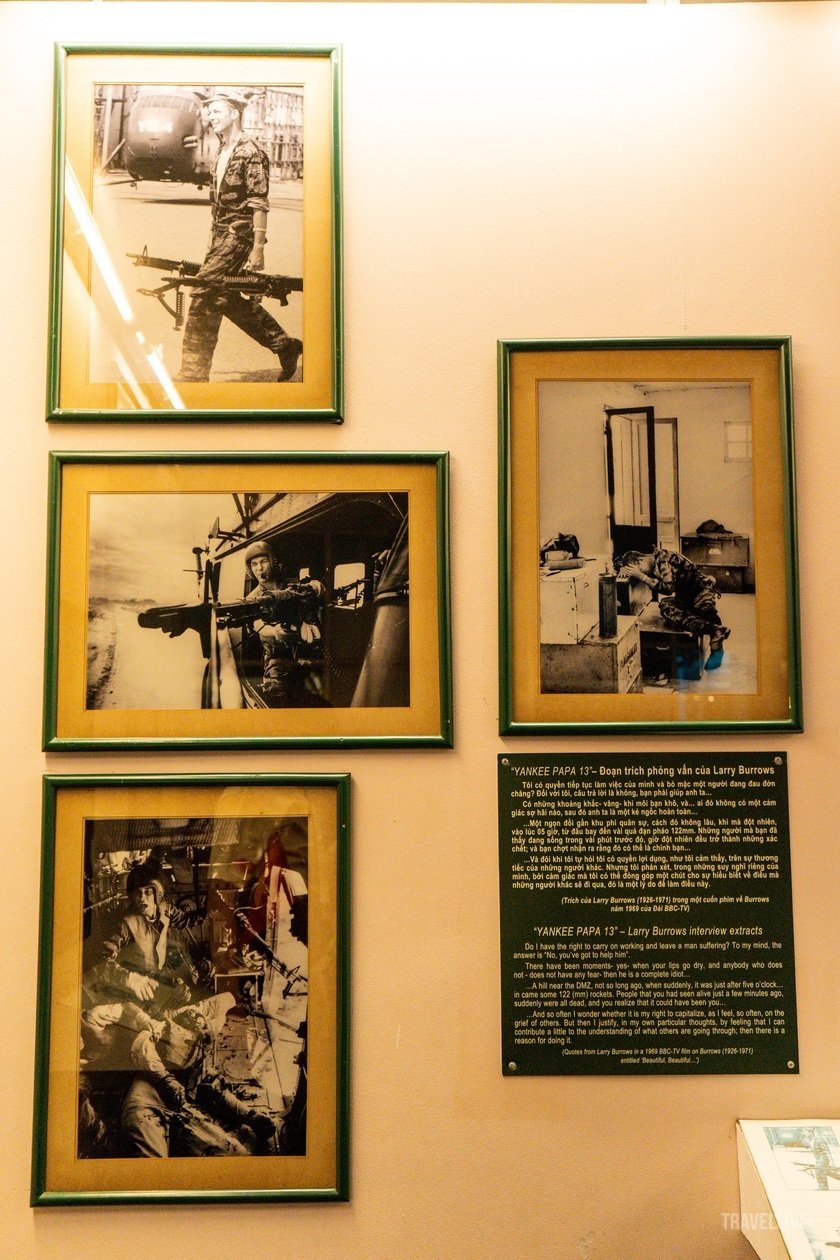
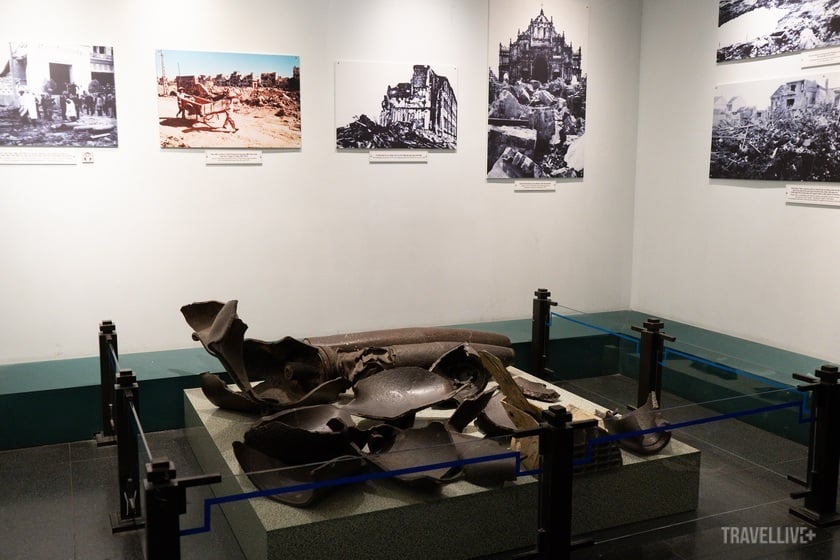
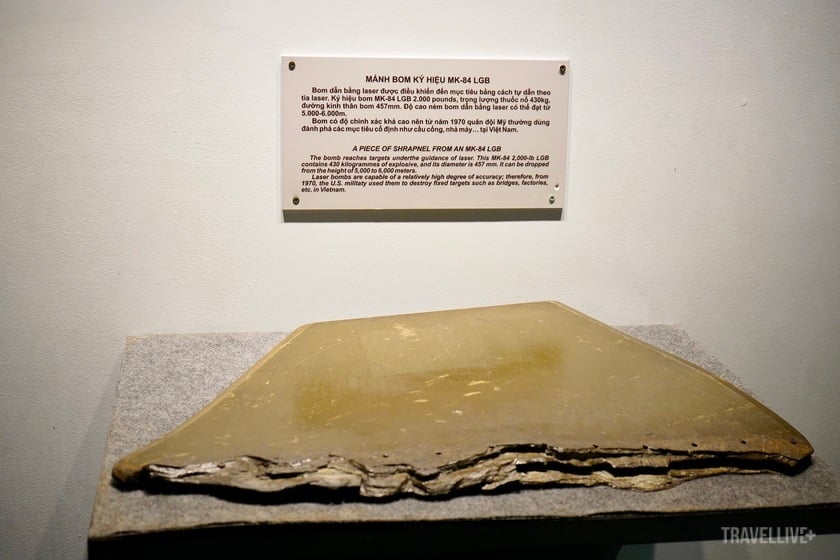
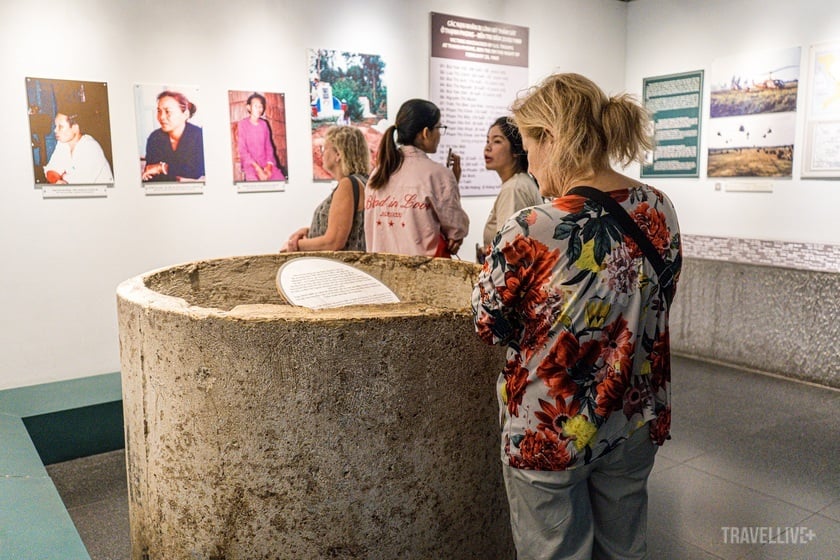
The vivid exhibits at the Museum
Doan Nhat, a university student in Da Nang, visiting the museum for the first time, shared: "I used to learn history through books, but today, seeing these vivid pieces of evidence with my own eyes, I truly feel the loss and suffering that war leaves behind. Each photograph seems to tell a story, taking me back to those years of bombs and bullets, full of pain but also full of pride for our nation."
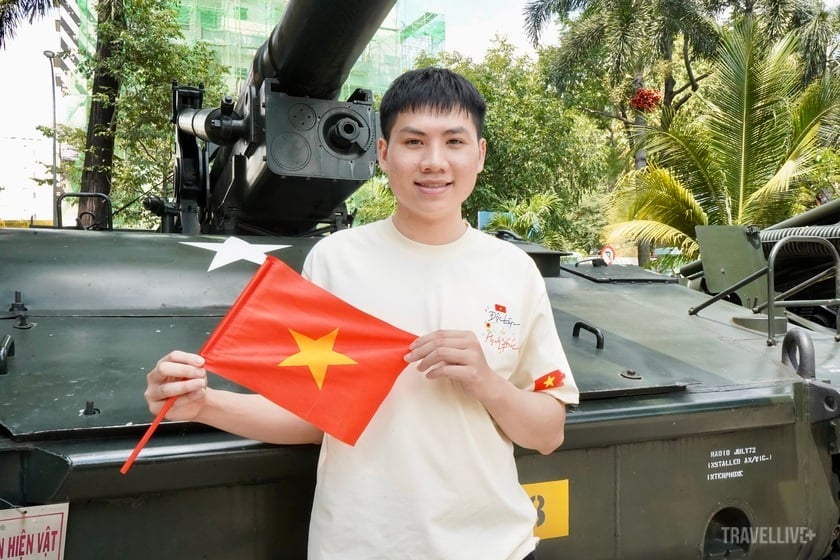
Visiting the War Remnants Museum for the first time with the Japanese delegation was a memorable experience.
Not only domestic visitors, but also international tourists come to the museum as a way to learn more about Vietnamese history – a part of world history. Among the crowds of visitors on that April afternoon, David Miller, a tourist from England, stood for quite a while in the area exhibiting Agent Orange. "I knew about the Vietnam War through books, but coming here and seeing the images of the deformed children, I truly understand that war doesn't end when the guns stop firing. It leaves wounds that last for generations," he said emotionally.
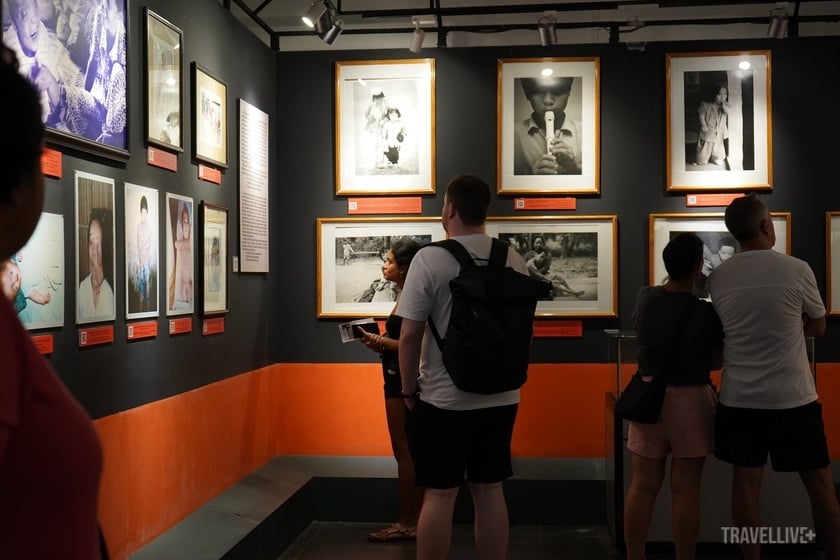
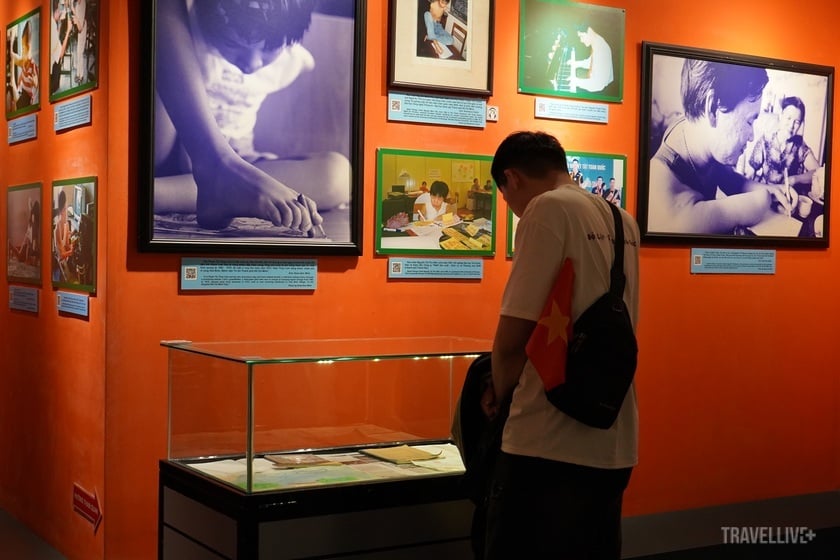
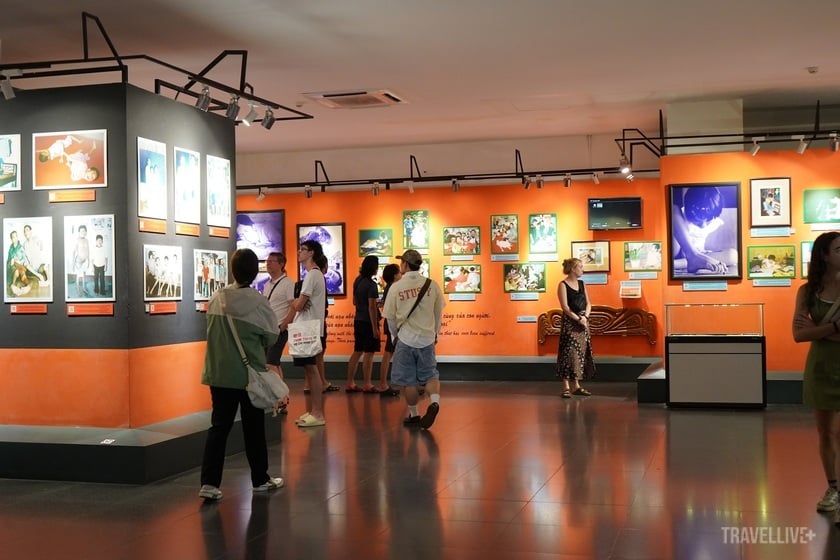
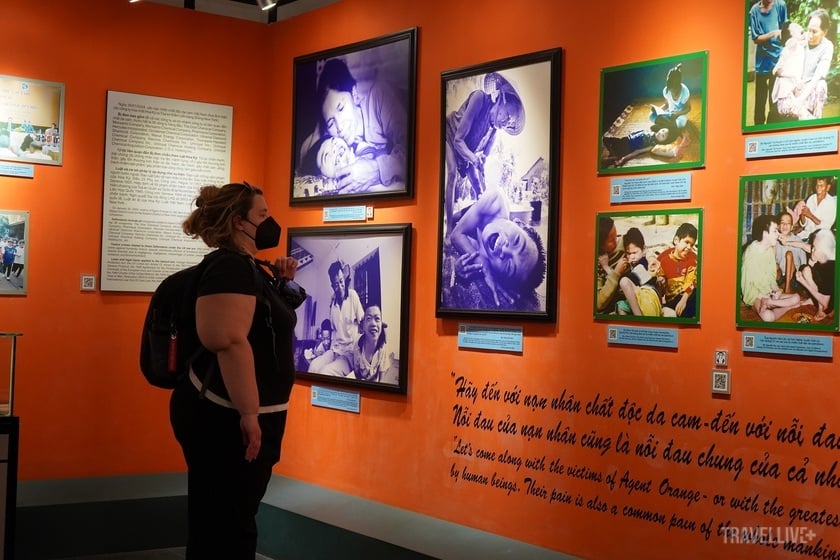
The exhibition space "Consequences of Agent Orange" leaves behind a silent, haunting impression.
Since the beginning of April, the number of visitors to the War Remnants Museum has been steadily increasing. According to a representative of the museum, it receives an average of about 5,000 visitors per day, and on peak days, this number can reach 9,000, with the majority being foreign tourists. This year's April 30th holiday is expected to see peak activity from April 27th to 30th. To meet the demand, the museum has proactively added more tour guides, enhanced English-language explanations, and streamlined entry and exit points to ensure a convenient visitor experience.
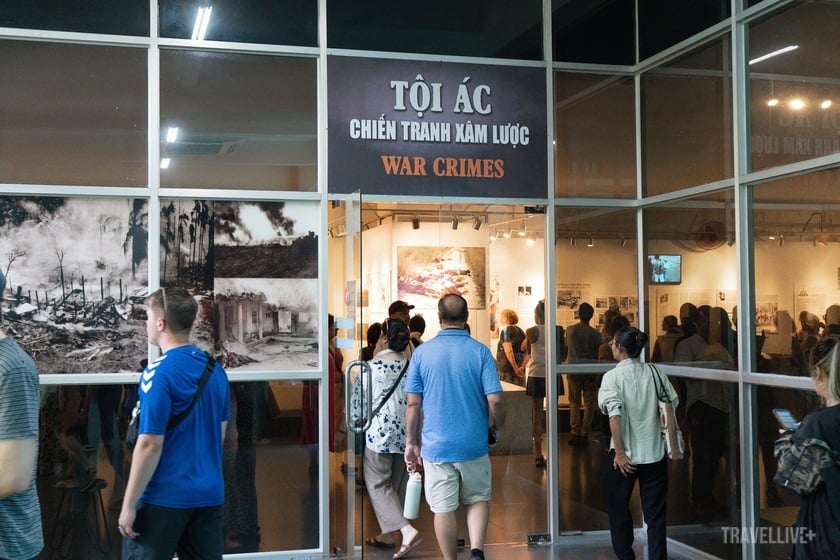
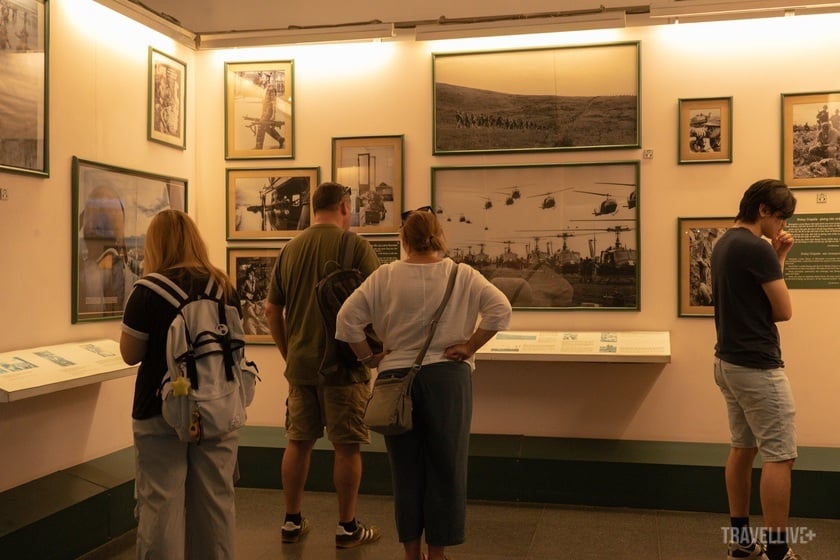
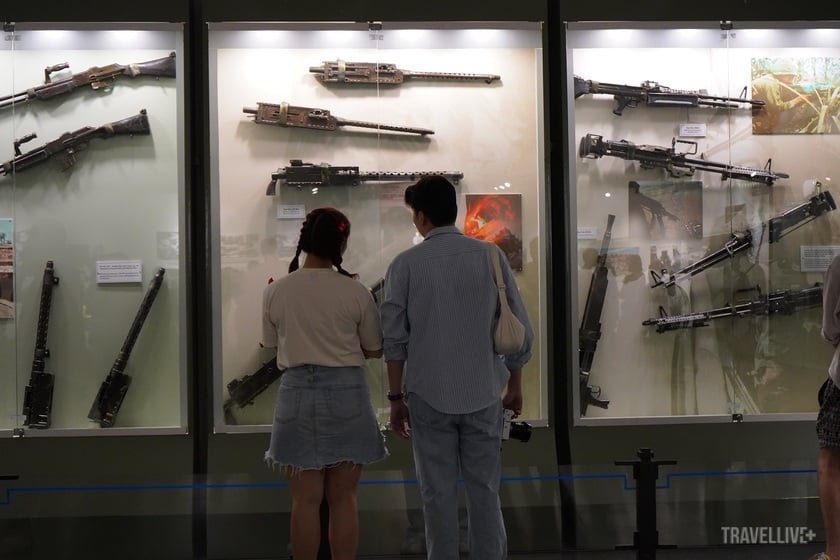
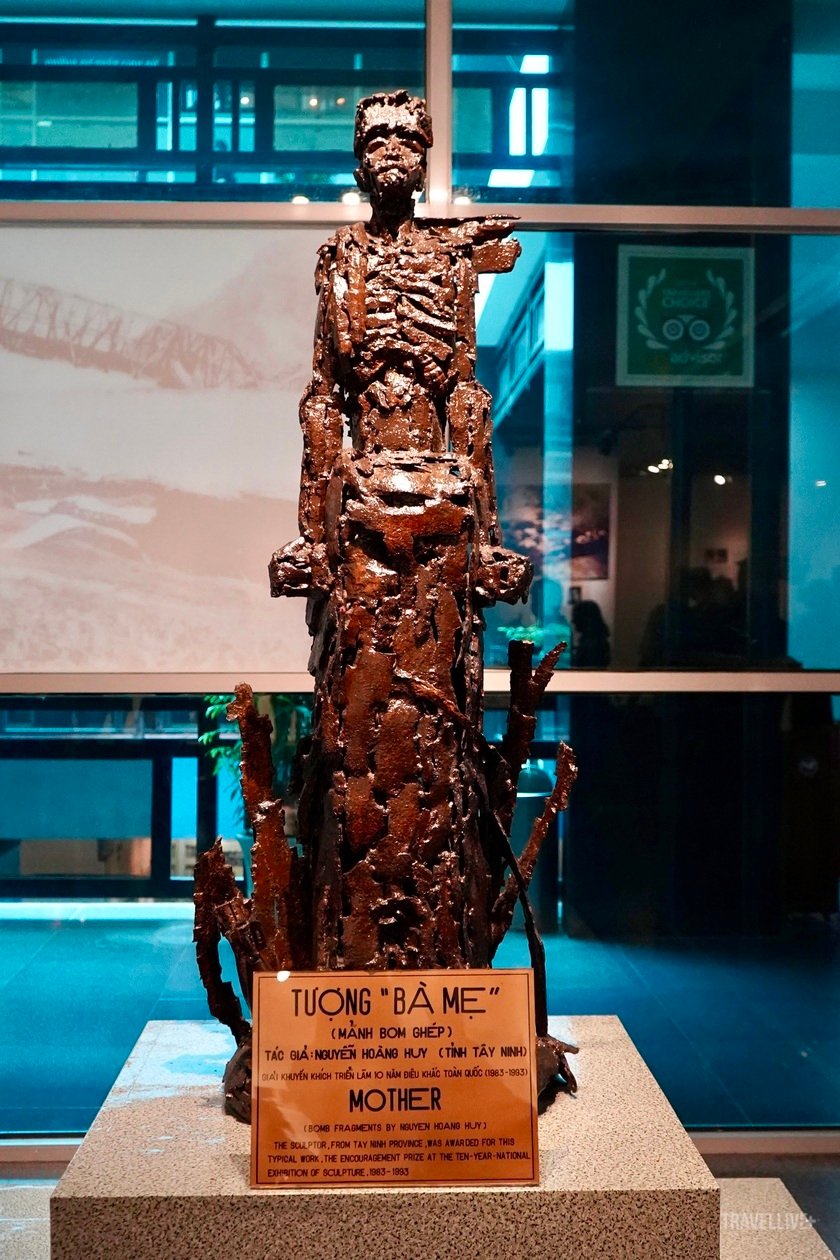
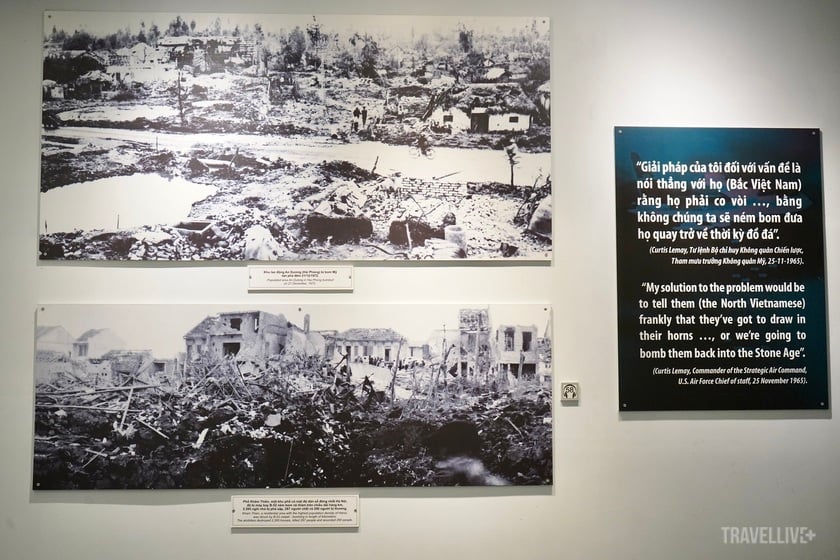
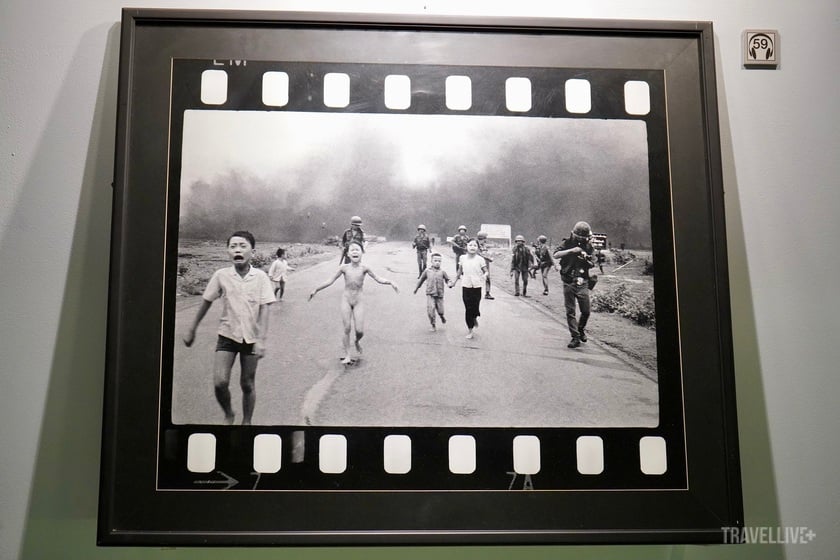
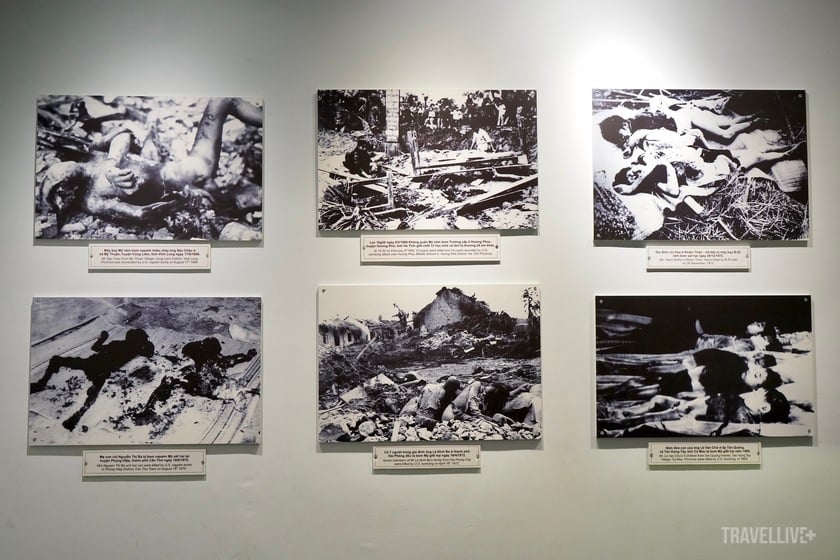
The War Remnants Museum currently houses more than 20,000 valuable documents, artifacts, and films.
Many foreign visitors say they learned about the War Remnants Museum through videos that went viral on TikTok, Instagram, or podcasts, where young Vietnamese people shared stories about peace and the spirit of the historic April Revolution. These images inspired them to choose the museum as an essential stop on their journey to explore Ho Chi Minh City. Here, in addition to visiting the exhibition spaces, they also have the opportunity to listen directly to real-life stories from veteran groups.
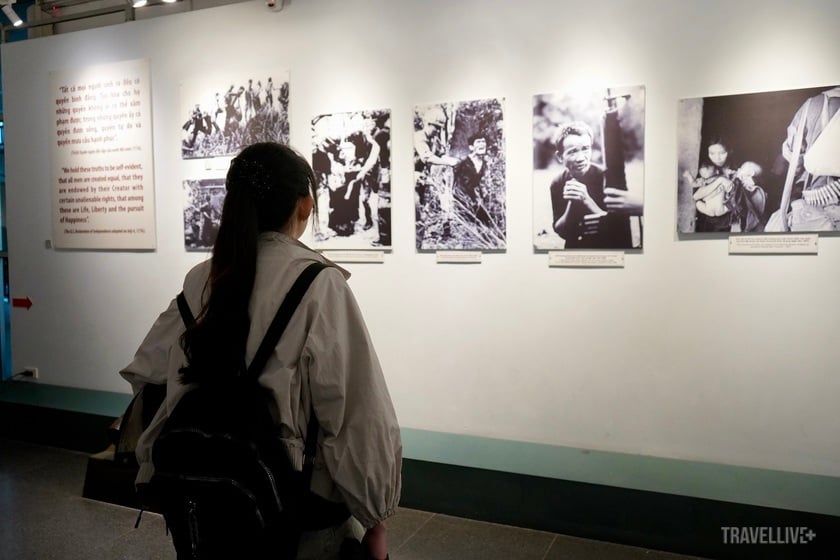
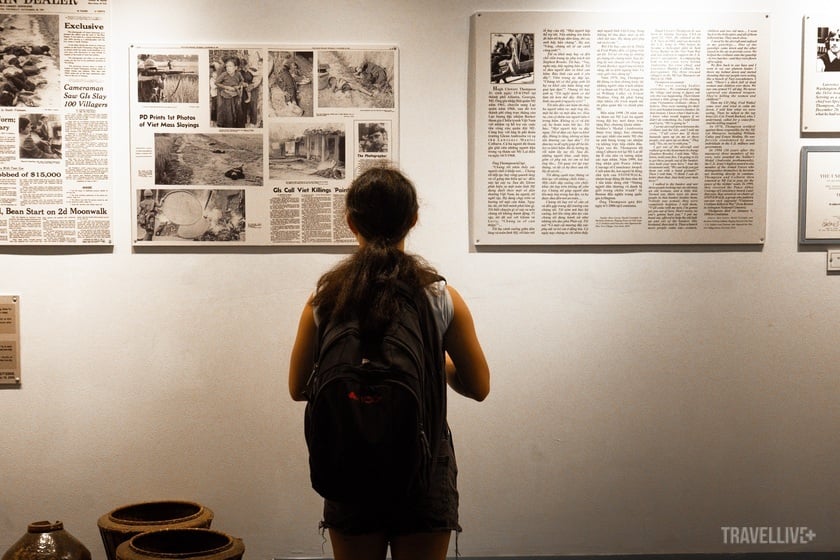
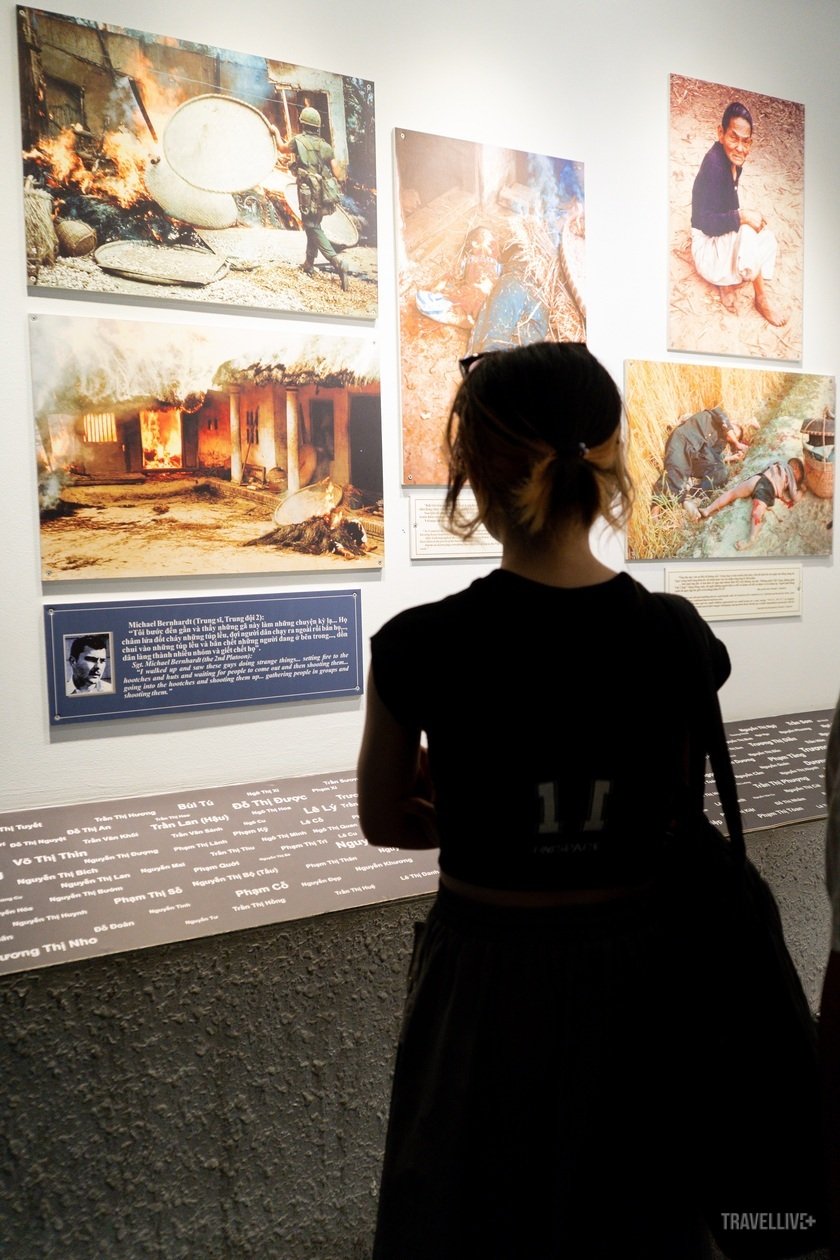
Tourists listen attentively to the historical story told through each old photograph.
Established in 1975, the War Remnants Museum currently houses over 20,000 valuable documents, artifacts, and films. The space is divided into a ground floor and two upper floors, each showcasing themes related to war crimes, the consequences of Agent Orange, and historical truth. Outdoors, there is a recreation of the "Prison Regime," featuring a model of the "tiger cage" from Con Dao prison – once known as "hell on earth" during the war.

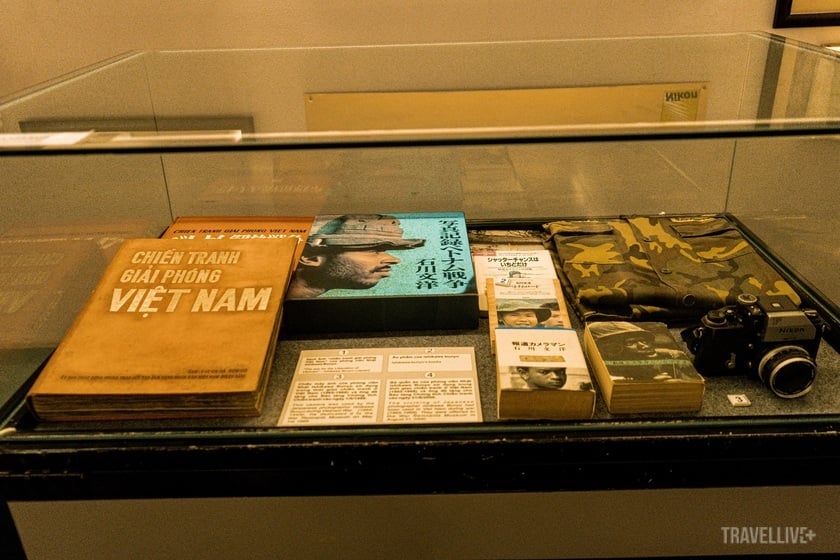
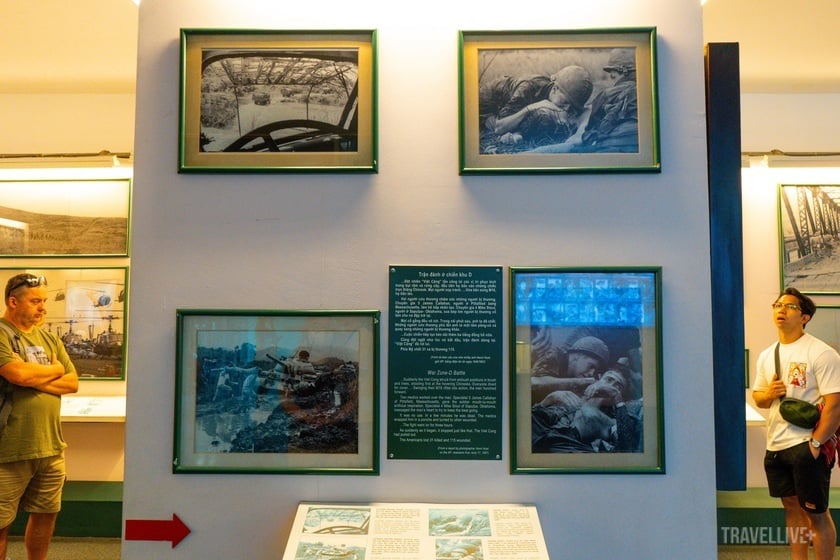
The War Remnants Museum – a place that reminds us of the sacred value of peace today.
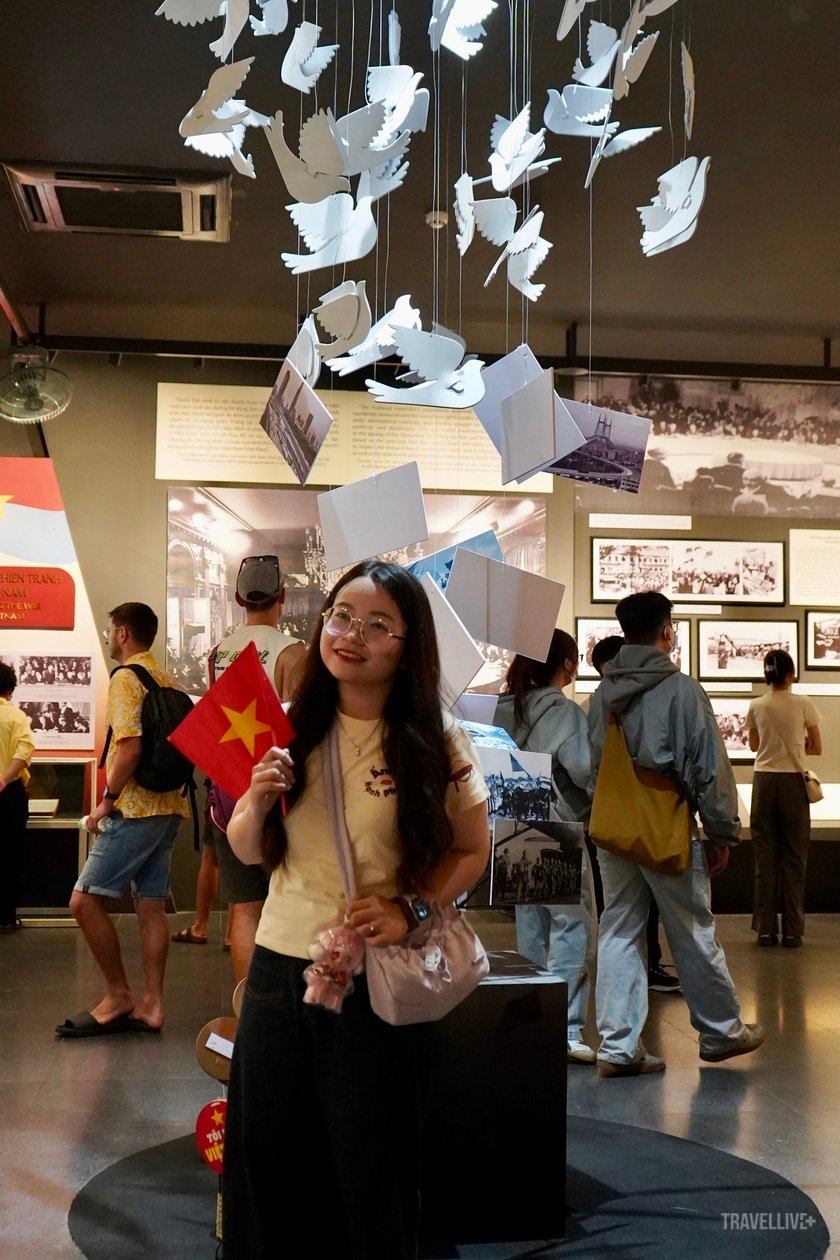
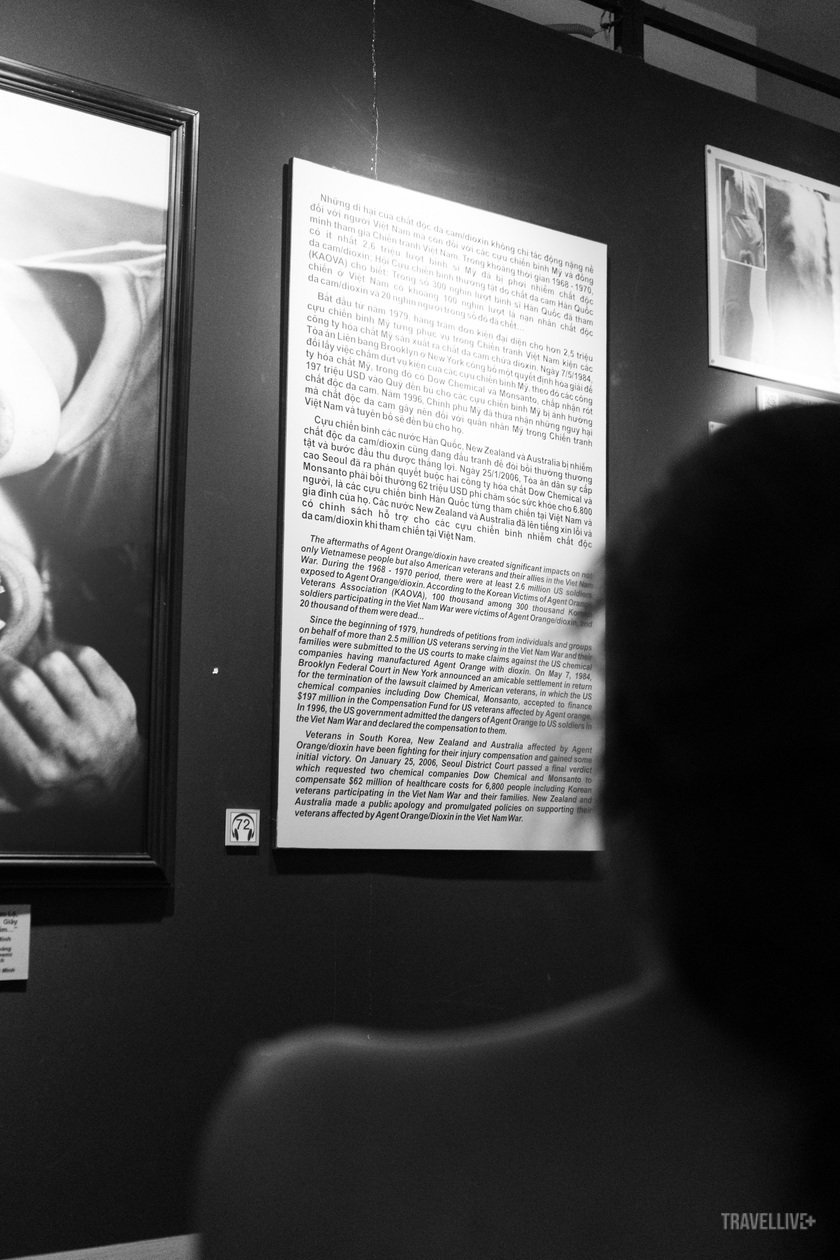
According to travel agencies, the demand for historical tours through experiential learning is increasing sharply during the 50th anniversary of the Liberation of Southern Vietnam and the reunification of the country. Many international tour groups are choosing to combine visits to the War Remnants Museum and the Independence Palace – two historically significant landmarks located in the heart of the city, easily integrated into their exploration of Ho Chi Minh City.