VI
VI


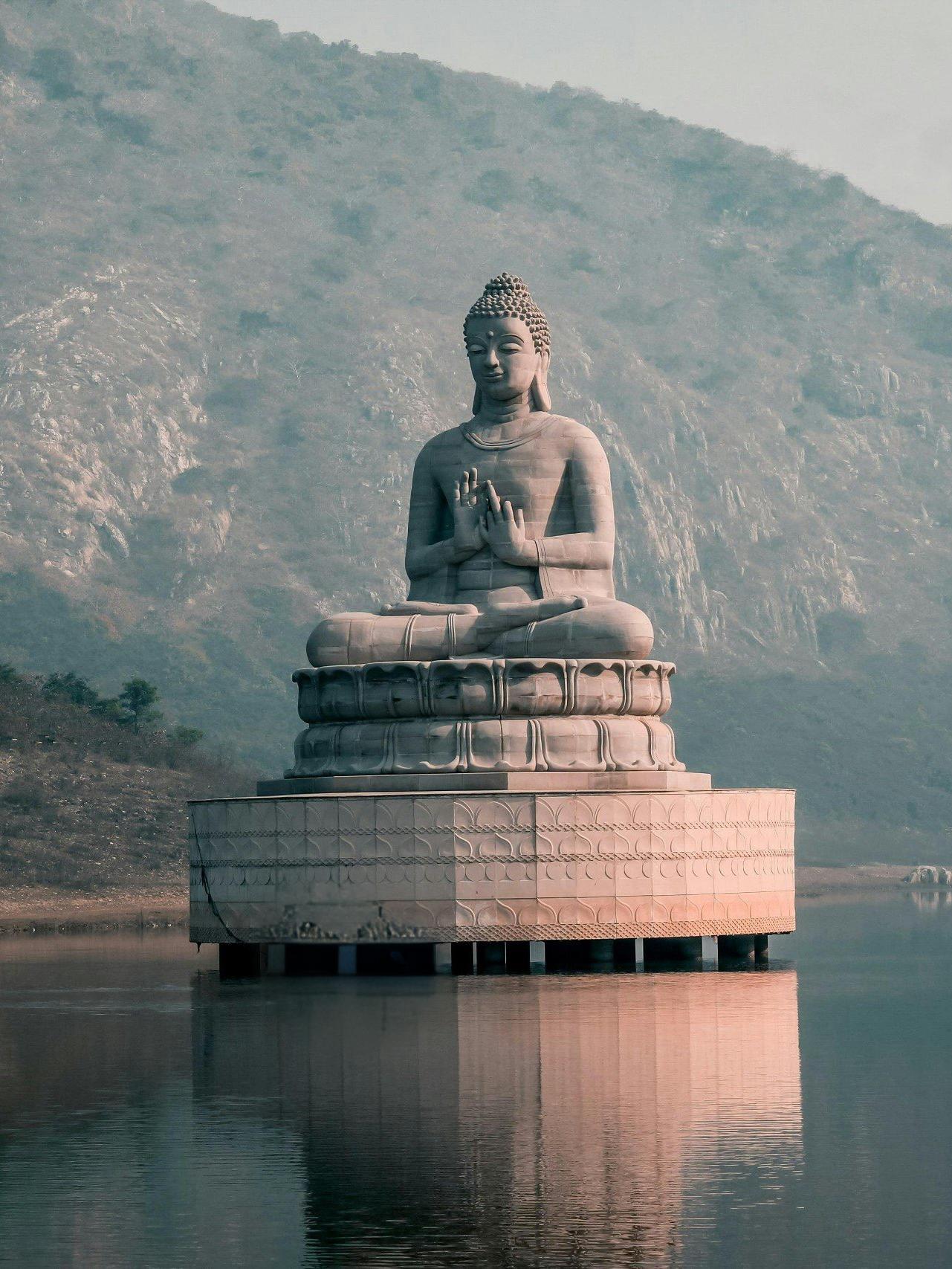
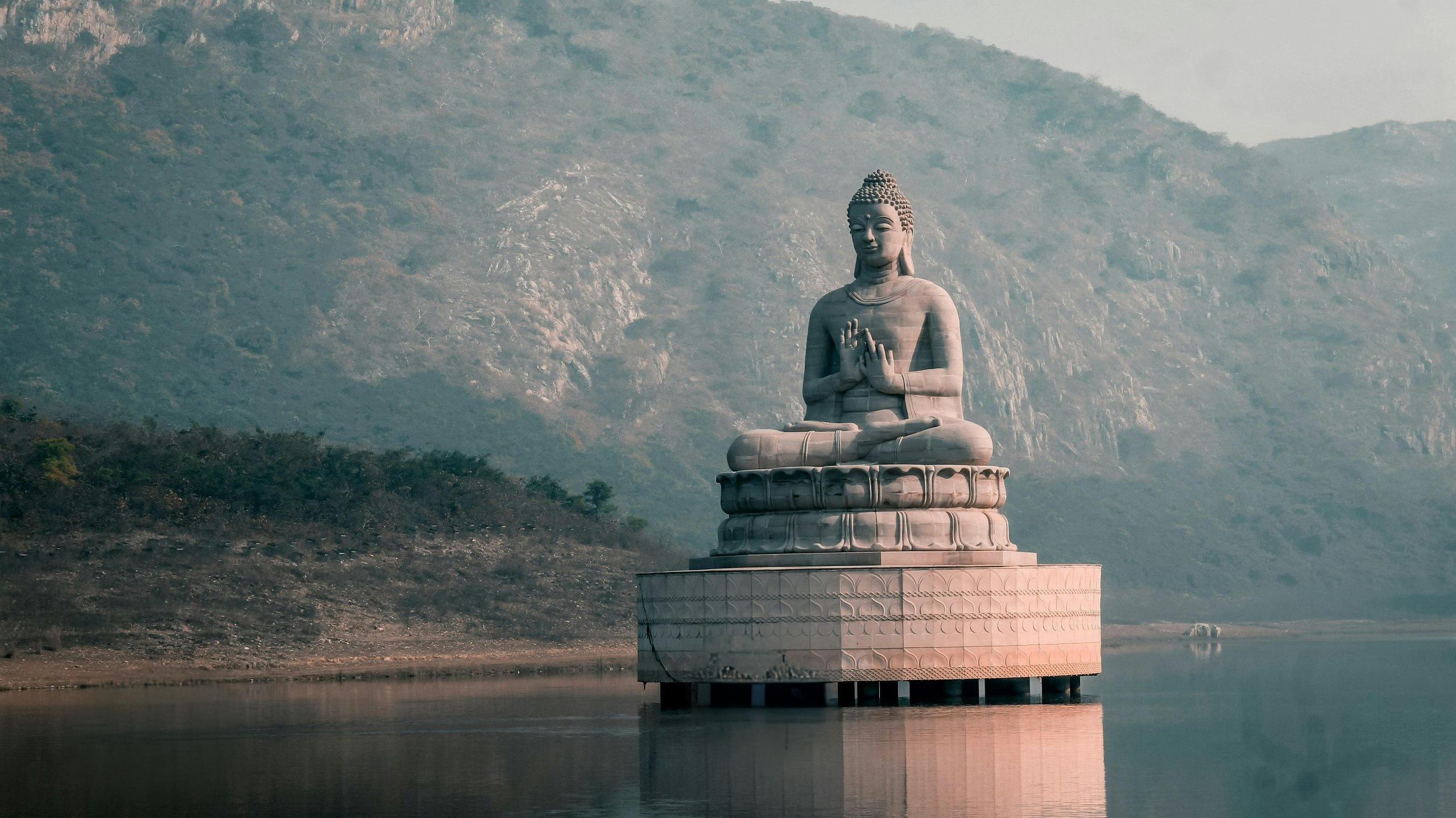
Bodh Gaya, also known as Bodh Gaya, is one of the most important Buddhist holy sites in the world, located in the state of Bihar, India. It is considered the place where Siddhartha Gautama Buddha attained enlightenment under a Bodhi tree more than 2,500 years ago.
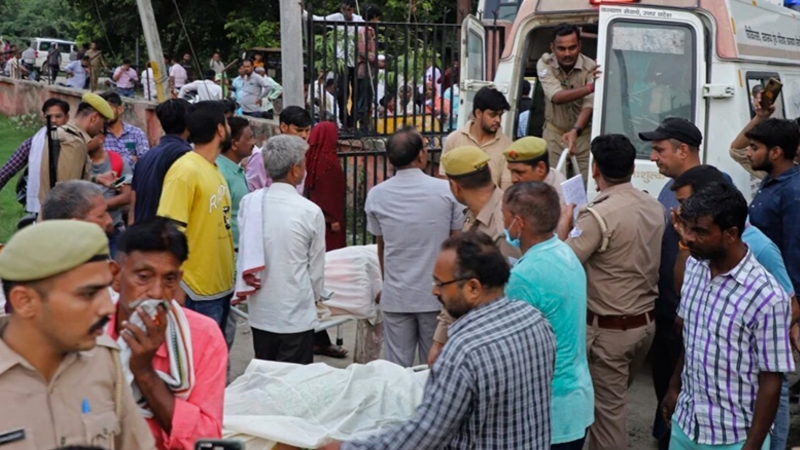
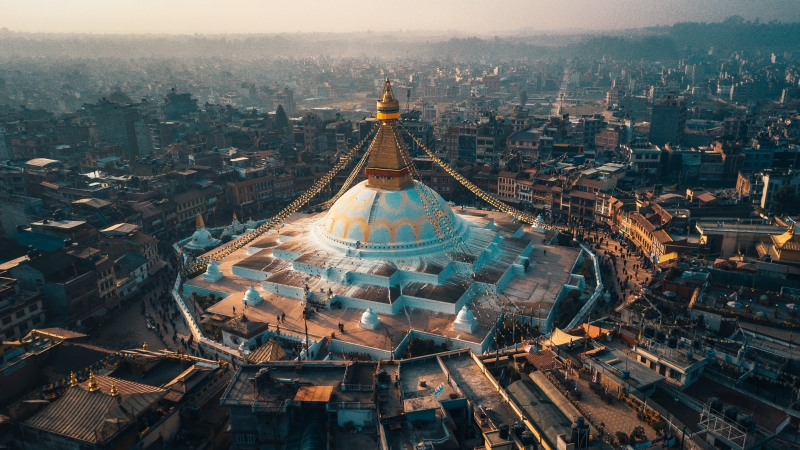
Therefore, Bodh Gaya has become a sacred pilgrimage site attracting numerous Buddhists and tourists from all over the world. This spiritual site boasts two important landmarks that visitors should not miss.
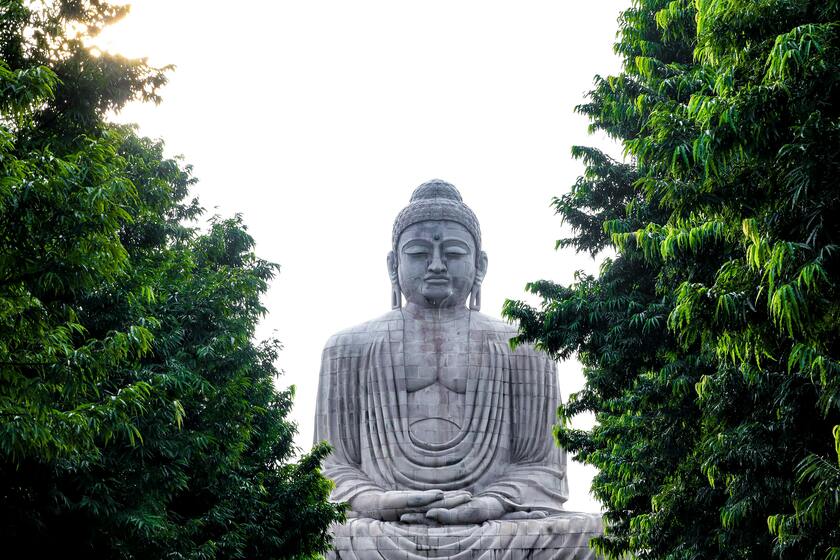
Bodh Gaya is considered a sacred site, the birthplace of early Buddhism.
Mahabodhi Temple (Great Enlightenment Stupa)
This has been a major pilgrimage site for Indians and Buddhist followers for over 2,500 years. The architecture has been largely preserved, retaining much of its historical value. Some structures were destroyed by war, losing their original form, but were later restored from the 19th century onwards.

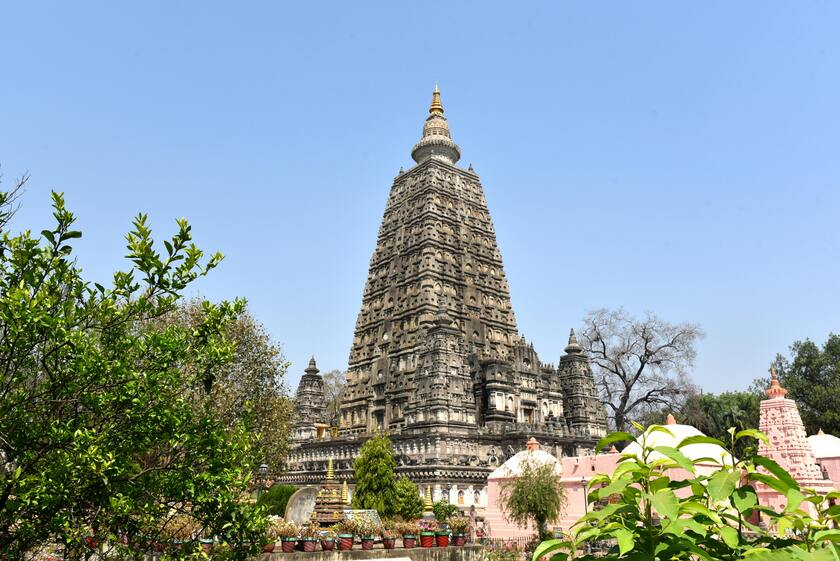
An impressive architectural image of the Mahabodhi Tower.
The Mahabodhi Temple, built of brick, is one of the oldest surviving brick structures in eastern India. It has had a significant influence on the development of later architectural traditions in Buddhism. According to UNESCO, it is one of the earliest and most magnificent structures built entirely of brick from the ancient Gupta Empire. The central section of the Mahabodhi Temple is 55 meters high and was renovated in the 19th century. Inside the temple is also a beautifully gilded and sacred Buddha statue.
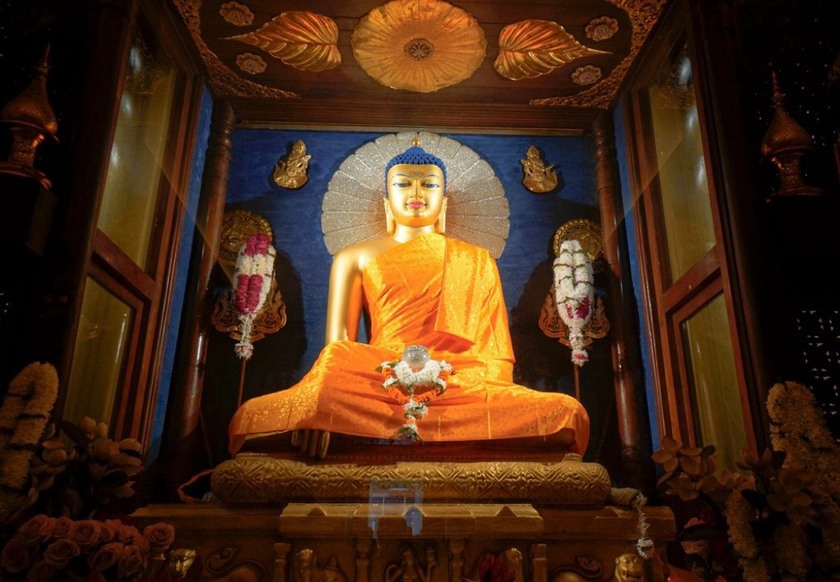
The image shows a gilded Buddha statue placed inside the Mahabodhi Temple.
The Mahabodhi Temple is the most important architectural and spiritual heritage site of Bodh Gaya. Every year, thousands of international Buddhist delegations and tourists from all over the world visit for sightseeing, pilgrimage, and experiences. It is also a frequent venue for meditation retreats, Vipasana meditation courses, and other Buddhist activities such as chanting, reciting mantras, and performing prayers for world peace. In 2002, due to its historical and cultural value, this site was recognized as a World Heritage Site by UNESCO.
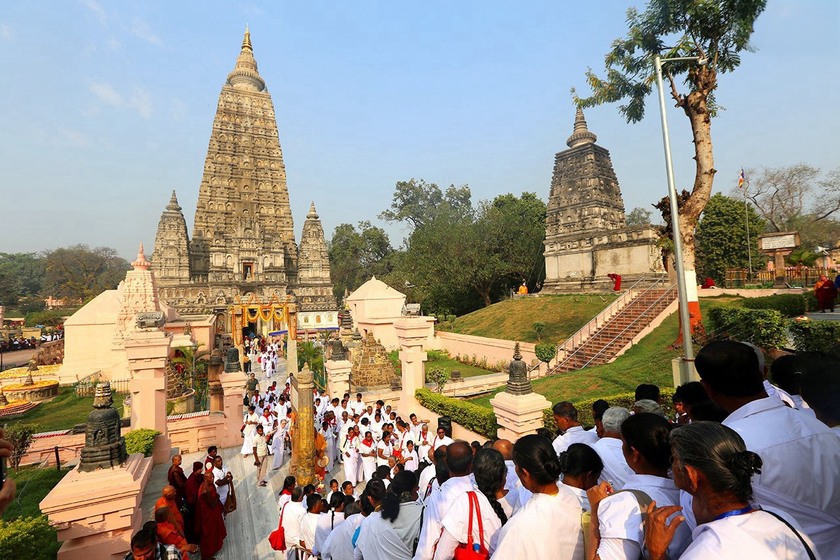
Images of Buddhist delegations visiting the Mahabodhi Temple.
Bodhi Tree
The sacred Bodhi tree, located west of the Mahabodhi Temple, is where the Buddha meditated for 49 days and attained enlightenment. According to records, the original Bodhi tree was cut down by the Hindu king Sasanka in the 6th century. The Bodhi tree that visitors see today is a descendant of the original Bodhi tree where the Buddha attained enlightenment, symbolizing the power and rebirth of Buddhism.
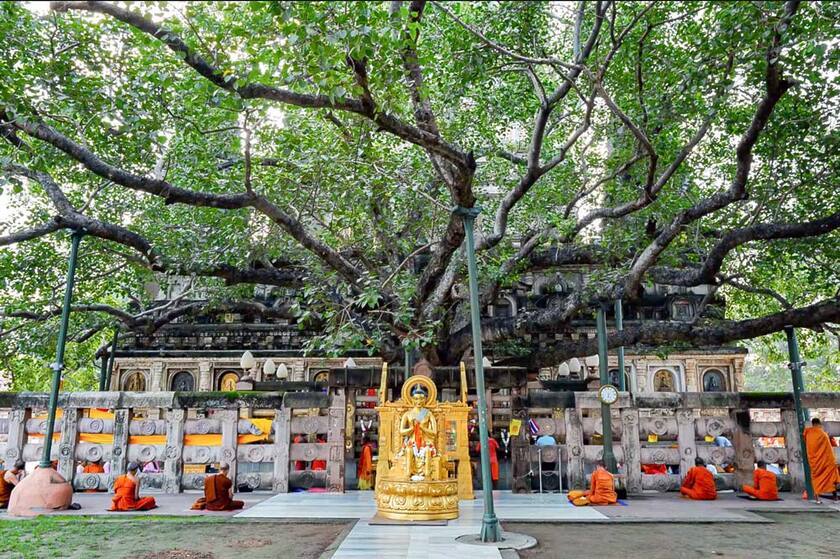
This is the original image of the Bodhi tree where the Buddha meditated for 49 days.
The image of the Bodhi tree is often used in Buddhist art as a symbol of compassion, enlightenment, and the path to liberation. Visitors to Bodh Gaya can venerate the Bodhi tree and pray under its sacred canopy with the utmost reverence, hoping their wishes will be granted. This place offers visitors a sense of serenity and peace, helping them seek enlightenment in their souls.
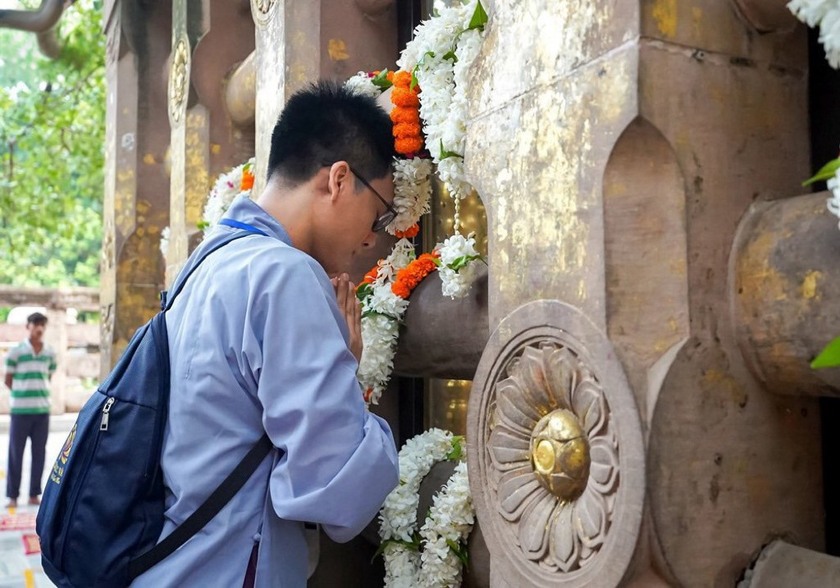
The emotional experience of a Buddhist while praying at Bodh Gaya.
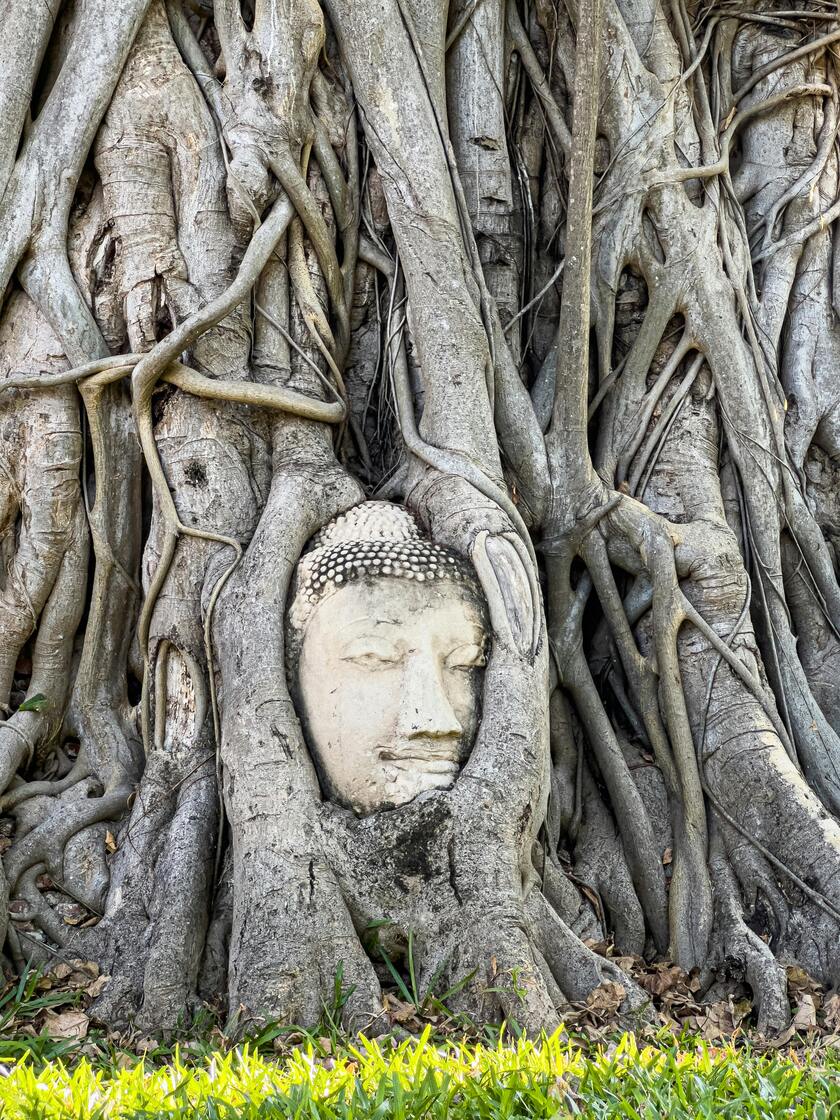
The Bodhi tree symbolizes compassion, enlightenment, and the path to liberation.
Bodh Gaya is an ideal destination for those seeking peace and tranquility and wanting to learn about the history of Buddhism. Upon arriving at this spiritual site, visitors will not only be able to explore Buddhist relics but also have the opportunity to experience spiritual life through activities that deeply touch the mind, such as meditation, chanting, listening to Dharma teachings, and participating in prayer ceremonies with Buddhist practitioners. This place promises to offer visitors valuable and unforgettable experiences.
Helpful advice for travelers on their journey to the land of Buddha:
- The best time to visit Bodh Gaya is from October to April, when the weather is cool and pleasant.
- For the most convenient travel, visitors can book a flight to Patna, the capital of Bihar state, and then take a bus or taxi to Bodh Gaya.
- Visitors should exchange their money into Indian rupees before visiting Bodh Gaya.
- It's a good idea to learn some basic Hindi phrases to communicate with the locals.