VI
VI


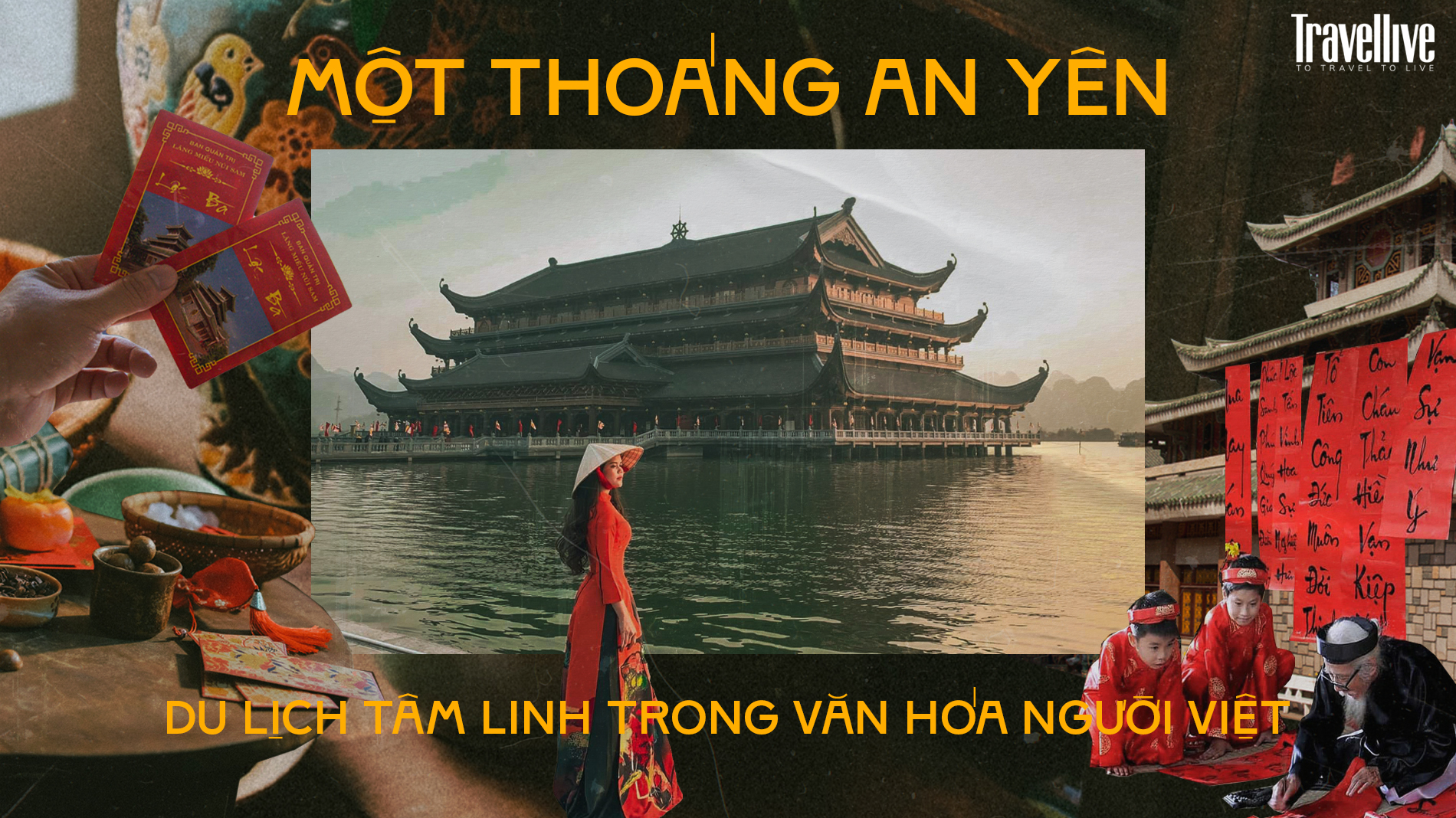
Simply typing the keyword "spiritual tourism" into Google immediately yields results with 104 million searches. This demonstrates the widespread appeal of spiritual tourism to the public and highlights its important role in the spiritual lives of individuals.
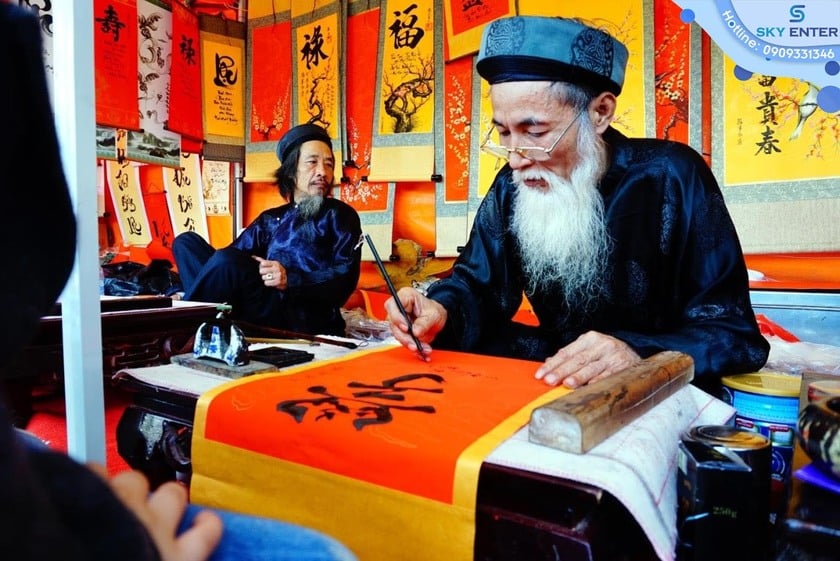
Asking a calligrapher for auspicious calligraphy at the beginning of the year.
When pilgrimage tourism takes center stage
Spiritual tourism is a form of tourism based on culture, beliefs, and spirituality, catering to people's spiritual needs. Spiritual tourism not only offers tourists novel experiences in new lands but also contains deeply sacred spiritual values and experiences. In other words, spiritual pilgrimage tours are a bridge for individuals to find peace, faith, and inner tranquility.
With over 15 years of experience in the tourism industry, Mr. Nguyen Anh Tu, Domestic Market Manager of Vivu Journeys, said: “According to statistics from early 2023, Vivu Journeys has welcomed more than 100 groups, with an average of 30-40 guests per group. The demand for pilgrimages, visiting temples and historical sites is very popular among tourists. The most frequently booked destinations include: Huong Pagoda, Yen Tu Pagoda, Bai Dinh Pagoda, Tam Chuc Pagoda, Trang An, Ba Den Mountain, Sam Mountain… International destinations with a blend of spiritual and cultural experiences include Thailand, China, Japan, and India… Currently, the trend of combining pilgrimage and relaxation at spiritual tourism destinations is also becoming increasingly popular.”
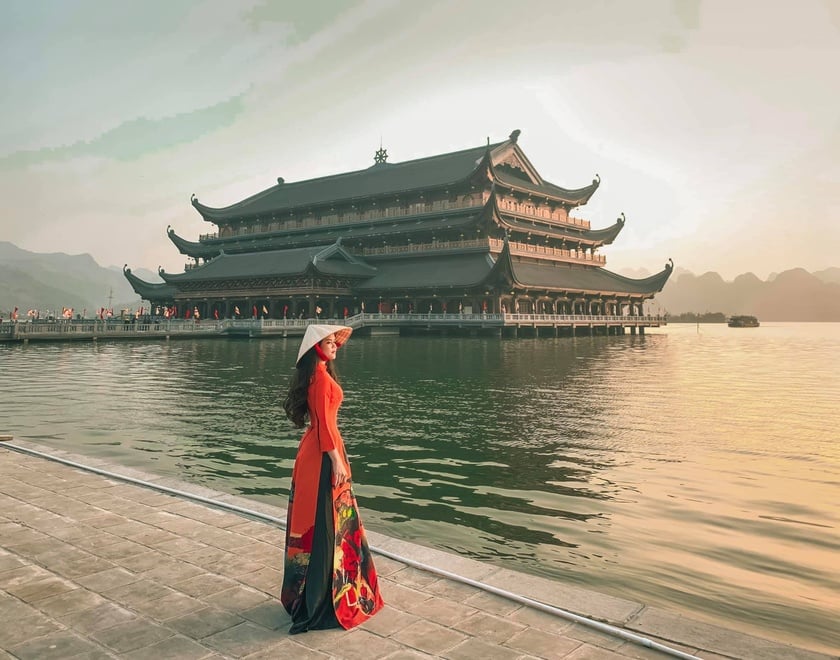
Spiritual tourism not only offers tourists novel experiences of a new land, but also contains extremely sacred spiritual values and experiences for travelers.
Tourists in Vietnam often flock to spiritual destinations such as temples, pagodas, mausoleums, shrines, memorials, and sacred lands associated with unique landscapes and local traditional culture. Here, they participate in activities such as sightseeing, learning about culture and history, praying, paying respects, showing gratitude, meditating, and participating in festivals. These activities provide spiritual experiences, help balance and strengthen faith, and improve the quality of life.

Trends in spiritual tourism in Vietnam
Spiritual tourism is not just about admiring unique architecture and enjoying the scenery, but also about providing sacred spiritual values and experiences for visitors. In Vietnam, spiritual tourism develops based on the following characteristics: Spiritual tourism is linked to religion and faith, with Buddhism being the most prevalent (accounting for up to 90%) coexisting with other religions; spiritual tourism is associated with the worship and veneration of national heroes; spiritual tourism is linked to ancestor worship; spiritual tourism is linked to mental and physical activities such as meditation and yoga, aiming for balance in body, mind, and spirit.
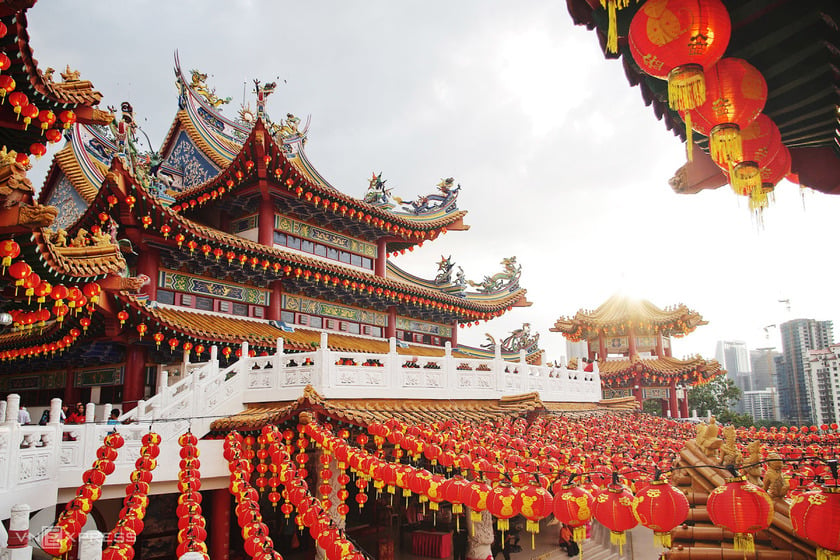
Spiritual tourism is a form of tourism based on culture, beliefs, and spirituality, catering to people's spiritual needs.
Mr. Tran Cao Sang, front desk manager at Victoria Chau Doc, shared more about the number of spiritual tourists visiting Chau Doc, An Giang: “Previously, tourists mainly traveled during festival seasons, but now the trend of traveling during weekdays to avoid crowds has increased significantly. For example, in Chau Doc, 90% of tourists used to travel on weekends. Now, tourists travel throughout the week, although the busiest month is still January. The number of visitors is higher than before the pandemic due to several reasons. The pandemic increased spiritual beliefs in the community, and many people are hesitant to travel far due to the impact of post-pandemic income, so they often choose nearby and domestic spiritual sites. Although the number of visitors has increased, the length of stay is shorter than before.”
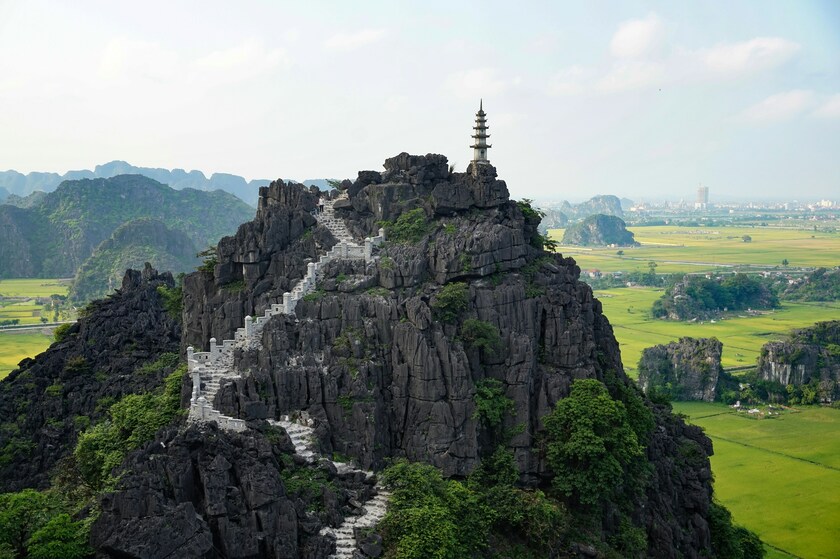
Beyond simply admiring unique architecture and enjoying the scenery, spiritual tourism offers visitors sacred spiritual values and experiences.
The number of tourists participating in spiritual tourism is increasing, accounting for a large proportion of the tourism structure, especially domestic tourists. The increase in the number of tourists visiting spiritual sites shows that spiritual tourism is playing an increasingly important role in social life.
Currently, spiritual and pilgrimage tours have become popular in Vietnam. However, a readily noticeable characteristic of spiritual tourism in Vietnam is its distinct seasonality. Spiritual tourism thrives at the beginning of the year largely due to the tradition of honoring ancestors and the numerous festivals that take place at the start of the year, attracting many visitors. The beginning of the year is also a time when people pray for a peaceful and prosperous new year. This is also when tourists are more willing to spend on travel, particularly spiritual tourism. Another ideal time for pilgrimage tourism is during the Lunar New Year, in January.
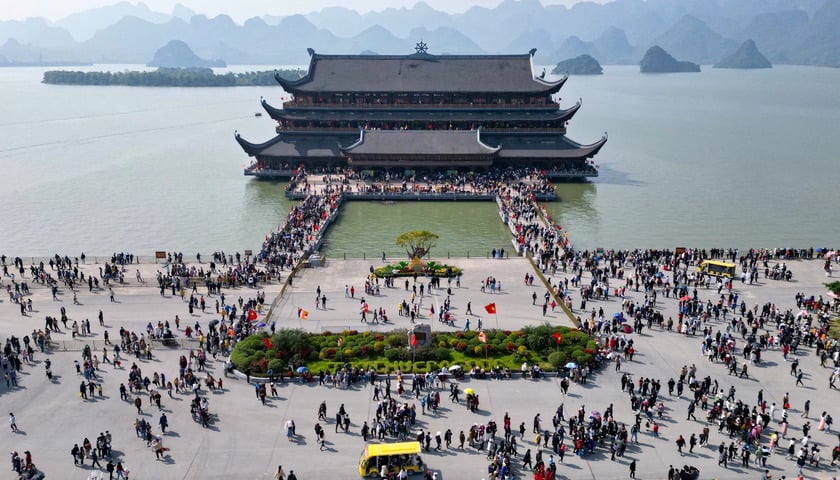
For the most part, spiritual tourism thrives at the beginning of the year due to the tradition of returning to one's roots and the festivals that often take place at the start of the year, thus attracting the attention of many tourists.
Vietnam possesses significant potential and strengths for developing spiritual tourism, reflected in its rich cultural heritage linked to traditions, religions, and beliefs. The diversity and abundance of religious sites and the large number of folk festivals held throughout the year across the country further contribute to this. The demand for spiritual tourism is increasingly diverse, not limited solely to religious aspects, but expanding to encompass the spiritual activities and traditional beliefs of the nation. Spiritual tourism is becoming more profound and an indispensable part of the spiritual life of the Vietnamese people.
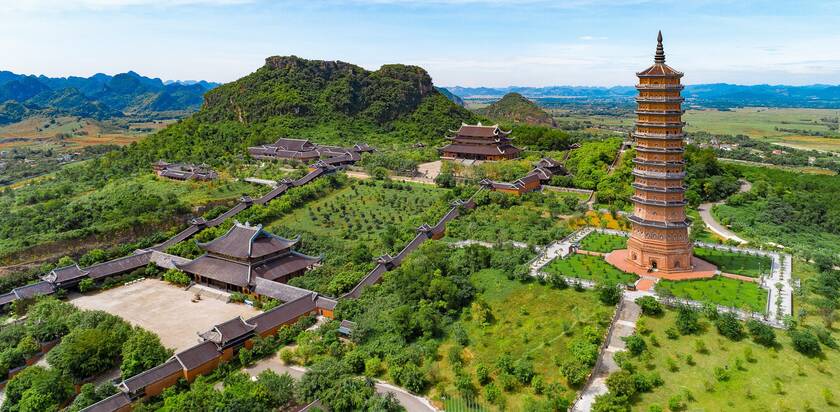
Exploring the beauty of spiritual tourist destinations has become an indispensable need in the mindset of every Vietnamese person today.
In recent years, the trend of spiritual tourism associated with religion, especially Buddhism, has been developing strongly. Many temples and Buddha statues have been built, bringing meaning to both the spiritual and material lives of the people.
Spiritual tourism leverages cultural and spiritual elements in tourism activities. Specifically, it relies on tangible and intangible cultural values associated with the historical formation of beliefs, religions, and other unique spiritual values. Spiritual tourism provides sacred experiences and emotional fulfillment for travelers, helping them feel peaceful and serene.
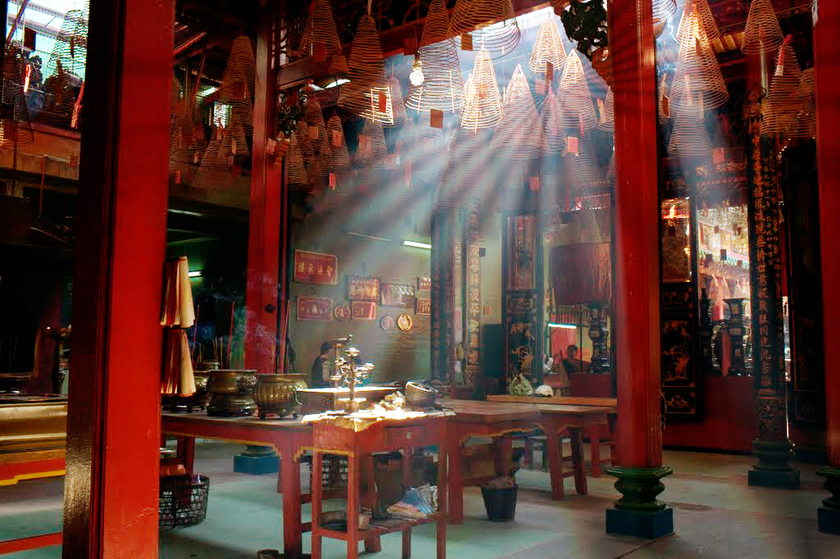
In recent years, there has been a growing trend of spiritual tourism linked to religion.
Notes for spiritual travel and pilgrimages:
- When visiting spiritual tourist sites, visitors should not take photos or videos indiscriminately. In some places, photography is strictly forbidden and not permitted.
- Clothing should be modest and respectful; avoid wearing inappropriate attire when visiting sacred places.
When visiting these destinations, please speak at a moderate volume and use appropriate forms of address.
- No smoking or carrying weapons in these areas.