VI
VI


After an unusually heavy downpour hit northern Chile, a section of the arid Atacama Desert suddenly transformed into a vibrant and incredibly magical "carpet of flowers."
Located in northern Chile, the Atacama Desert is classified by NASA as one of the driest places on Earth. Typically, the highest plateaus in the desert receive only about 15.24 mm of rainfall per year, while other areas fare no better, receiving only about 1 mm per year. For most of the year, the desert is a dry, barren wasteland of yellowish-brown sand.

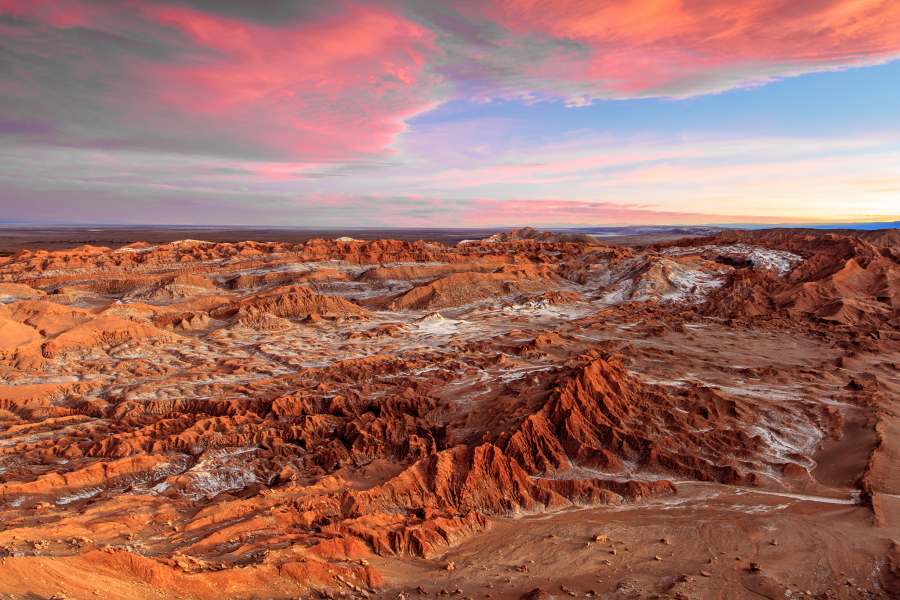
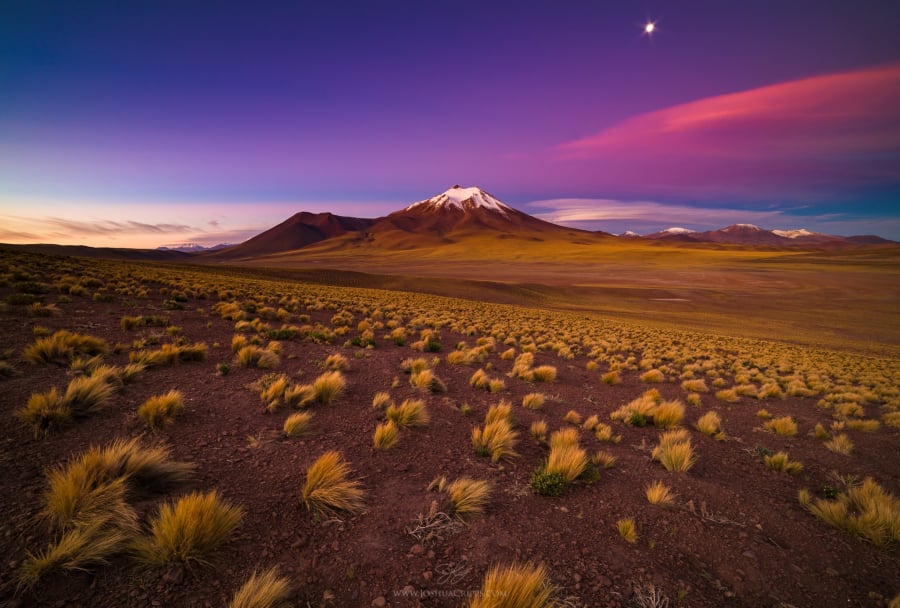
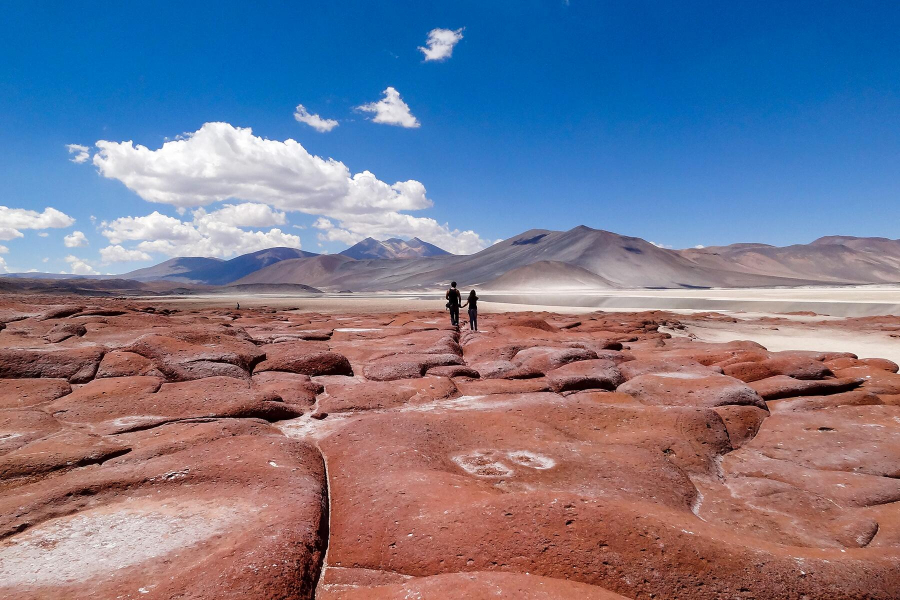
However, after a recent, unusually heavy downpour, a section of the Atacama Desert suddenly transformed into a colorful "carpet of flowers" as wild flowers bloomed in droves to catch the rare drops of water.
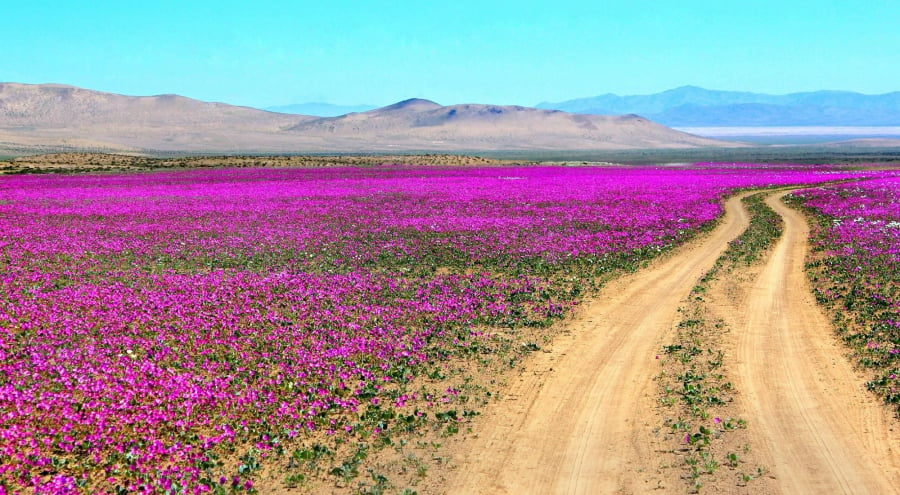
Vibrant purple flowers bloomed profusely after being refreshed by heavy rain. According to scientists, this unusual flowering phenomenon in the Atacama Desert is called "desierto florido" (flowering desert). This occurs when heavy rainfall seeps into the ground, reaching dormant seeds and causing them to germinate, grow vigorously, and bloom.
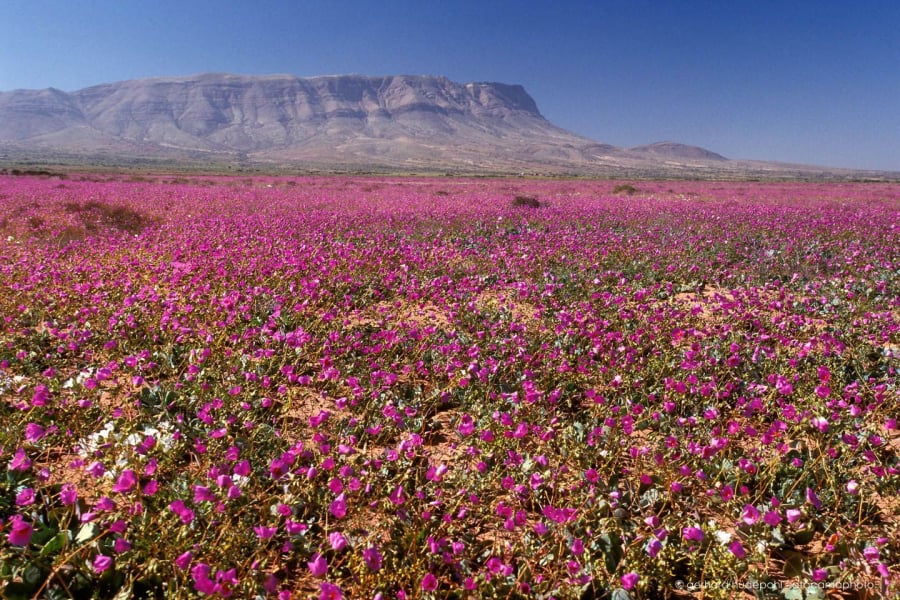
Normally, the "desert blooming" phenomenon occurs only once every 4-7 years, around August or September. However, in recent years, this special natural phenomenon has become more frequent, occurring about every 2-3 years. The most recent occurrence was in 2017. After information about this rare and fascinating natural phenomenon appeared in the media, many domestic and foreign tourists flocked to admire the vibrant field of flowers.
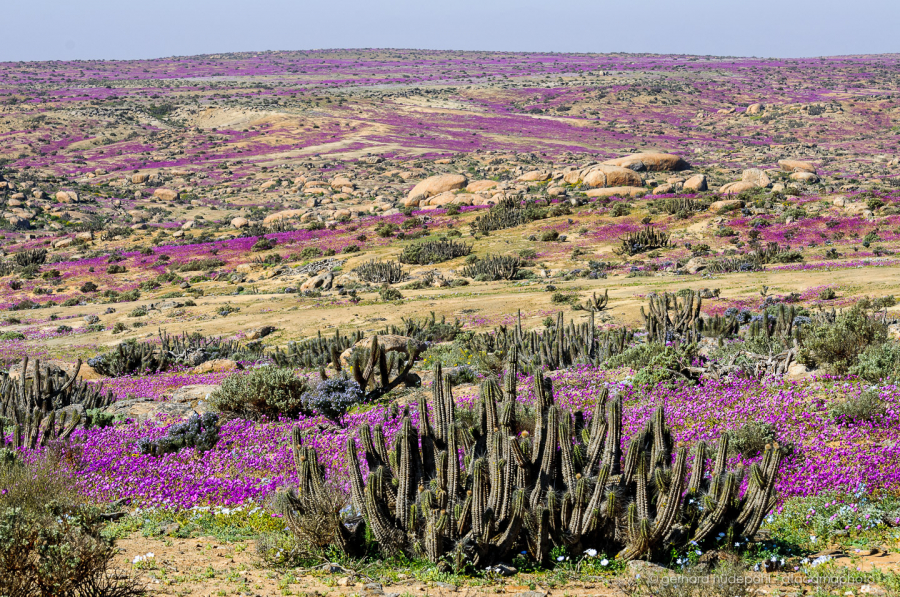
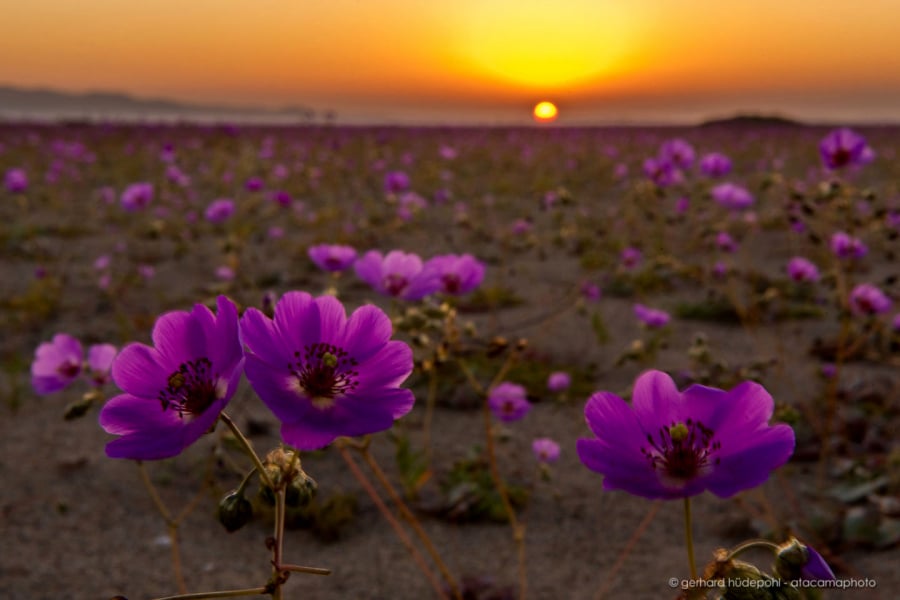
Reportedly, more than 200 plant species thrive in this arid desert region. It's hard to imagine these stunning flowers blooming so brilliantly from such a barren place. Local officials say the Atacama Desert's flowering season lasts from September to November.
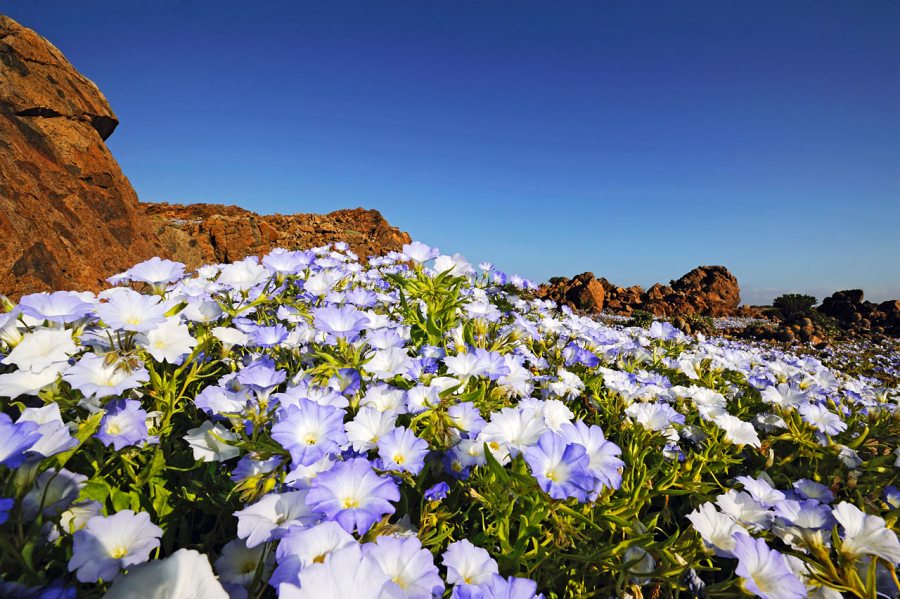
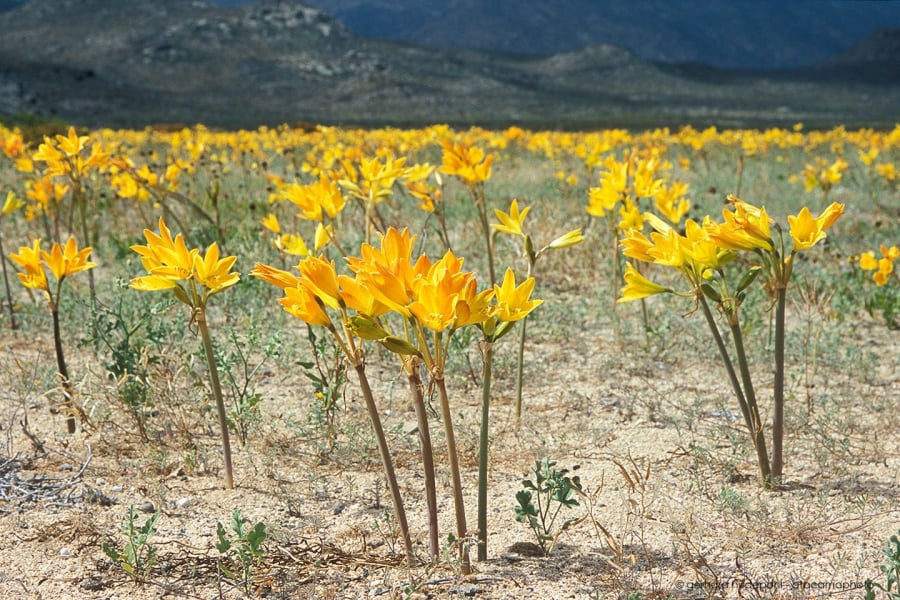
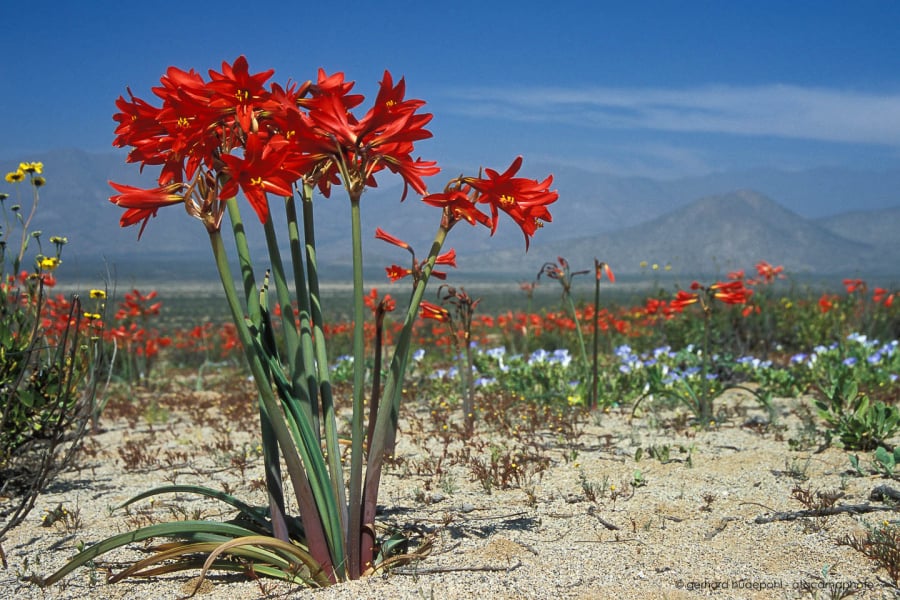
The Atacama Desert attracts tourists with its national parks, pristine beaches, and majestic mountain scenery. However, conservation regulations here are very strict for visitors. Besides Chile, only two other countries in the world have recorded the phenomenon of wildflower blooms in the desert: the United States and Australia.