VI
VI


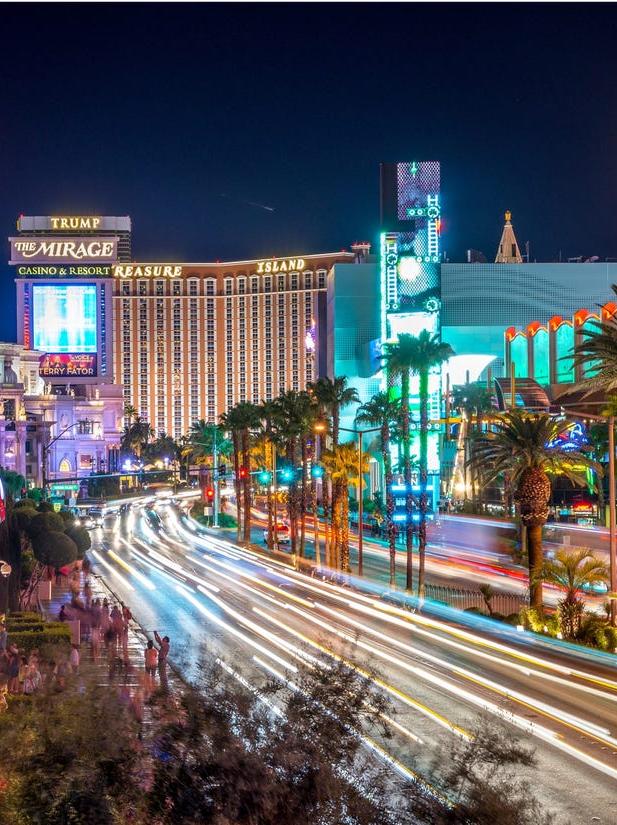
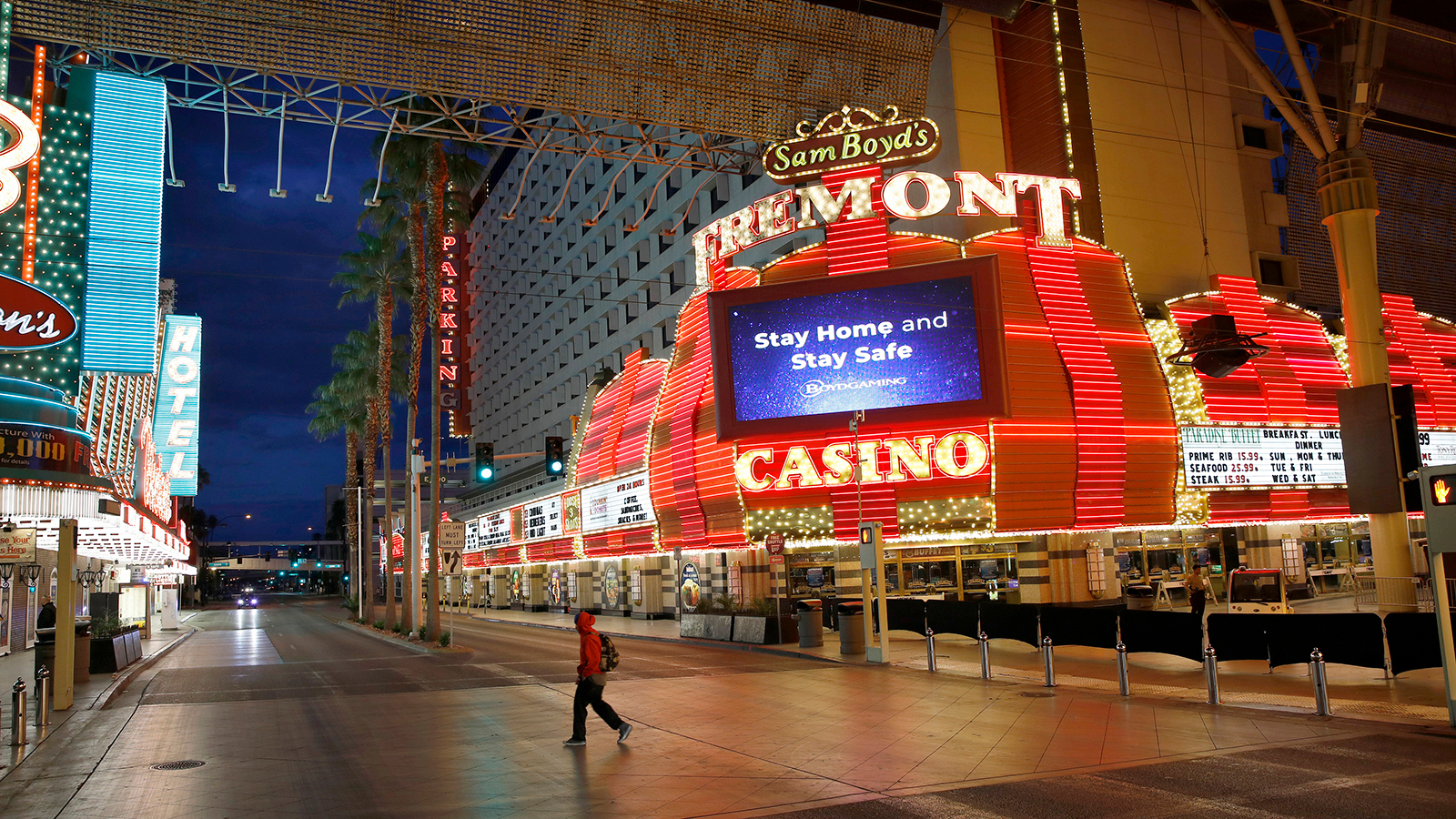
Las Vegas, the capital of Clark County, Nevada, is known as the "city that never sleeps." But the Covid-19 pandemic has finally brought Las Vegas to a rather long slumber, from March 18th to the present. During this time, all activities in this "busiest entertainment city in the world" have slowed down considerably. On Las Vegas Blvd, only an occasional car speeds by. The sidewalks are deserted, with a few locals jogging leisurely. All entrances and exits to hotels and casinos are closed; on the roads leading to parking lots, a few limousines are used as barricades to block traffic.
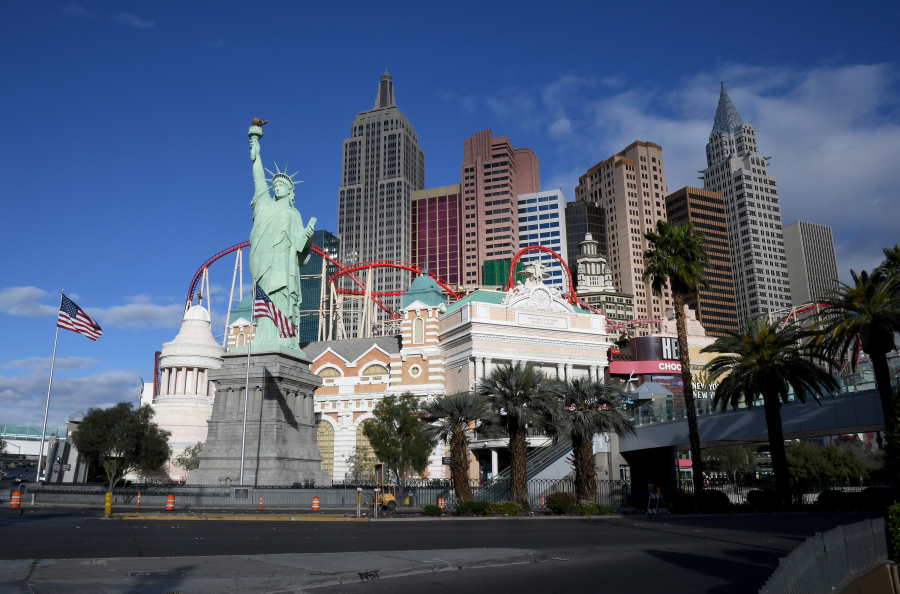
New York-New York Hotel & Casino in Las Vegas
As of the end of May, the state of Nevada had 8,593 cases of Covid-19 and 417 deaths, with Clark County accounting for 6,657 cases and 344 deaths. Currently, the infection rate in Nevada is approximately 1.3%, and the death rate is approximately 1.1%. This is a relatively low figure compared to the overall pandemic situation in the United States.

Temporary handwashing station at Bellagio casino, Las Vegas.
According to Governor Steve Sisolak, the state government allowed casinos in Las Vegas and some other locations to reopen starting June 4th, but also imposed limits, allowing each casino to operate at 50% capacity, while ensuring social distancing and hygiene measures. Restaurants are only allowed to serve customers with reservations. Entertainment shows, nightclubs, and sporting events are still not permitted to reopen.

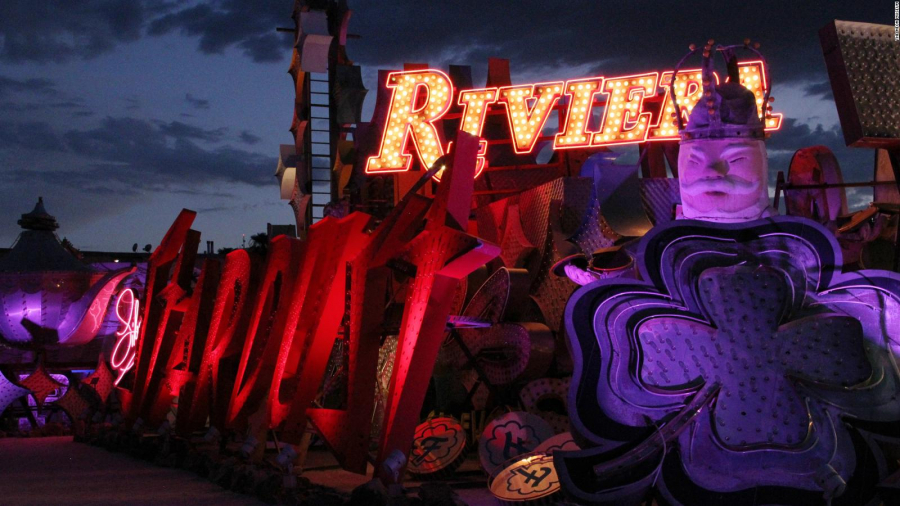
The Las Vegas Neon Museum began turning on its outdoor neon signs on May 22nd.
Although new safety regulations have been put in place, demand is not yet high due to the lingering effects of the Covid-19 pandemic. Representatives from the entertainment industry in the state said that tourists and gamblers are currently mostly locals and people from neighboring states, as many are still concerned about air travel.
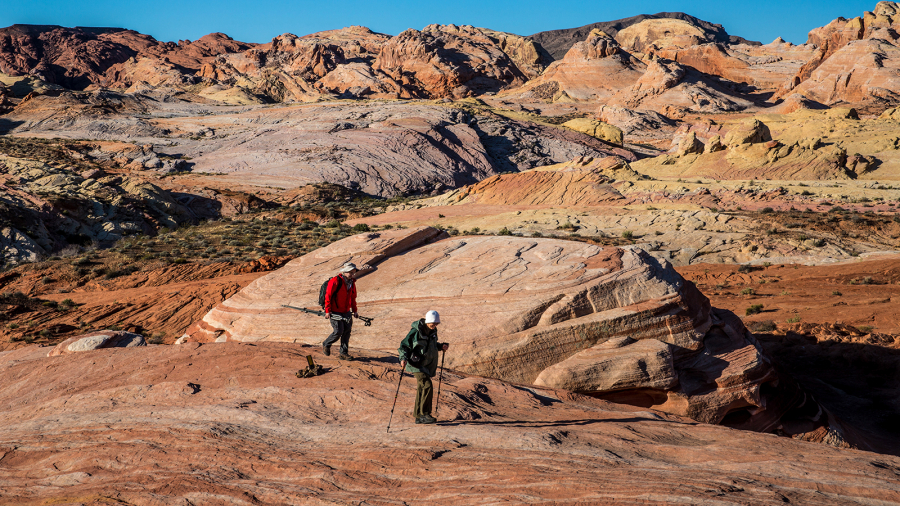
Nevada's Valley of Fire has become even more attractive to tourists after the Covid-19 pandemic.
Perhaps the only activities in the Las Vegas Valley that remain relatively conventional are those outdoors. Spring Mountain National Recreation Area to the northwest, Red Rock National Preserve to the west, Lake Mead National Recreation Area to the south, and Lake Las Vegas to the east are all within an hour's drive of the city. A little further away are Fire Valley State Park and Grand Canyon National Park—visitors can easily travel to Las Vegas and spend most of their time outside the city.
Steve Hill, CEO of the Las Vegas Convention and Visitor Authority, says now is the perfect time for visitors to Vegas to discover a raw and unspoiled side of the "sin city" they may not have experienced before. "It's never too late to discover a new side of Las Vegas," he says. "This is your chance to do it."






.jpg.jpg)