VI
VI



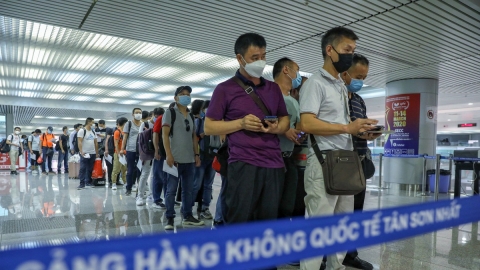
Nearly 240 Vietnamese citizens brought back from Myanmar.
On May 21, 2020, Vietnamese authorities, the Vietnamese Embassy in Myanmar, and Vietjet Air coordinated with local authorities to safely bring nearly 240 Vietnamese citizens from Myanmar back to Vietnam. Immediately after landing safely at Da Nang International Airport, those on the flight underwent medical checks and were taken to centralized quarantine facilities in accordance with regulations.
From the afternoon of the flight, the plane also transported a number of Myanmar citizens back to their country.
This is the 36th consecutive day with no new community infections.
On May 22nd, the Ministry of Health announced that no new cases were recorded, bringing the total number of cases to 324, of which 266 patients have recovered and 58 are still undergoing treatment.
Although it has been 36 days without any new community cases, at the meeting of the National Steering Committee for COVID-19 Prevention and Control on May 21, Deputy Prime Minister Vu Duc Dam warned that the disease could still enter the country through incoming travelers, through border gates, through unofficial border crossings, and through flight crews of foreign flights...
Laos allows the resumption of domestic transportation.
On May 21st, Laos allowed the resumption of domestic transportation, but required strict enforcement of pandemic prevention measures, including temperature checks and seating arrangements to ensure passengers are at least 1 meter apart. Transportation companies will be required to provide soap and hand sanitizer for customers.
On the same day, Thai security agencies unanimously recommended extending the State of Emergency Decree until the end of June, due to the ongoing concerns surrounding the global Covid-19 pandemic.
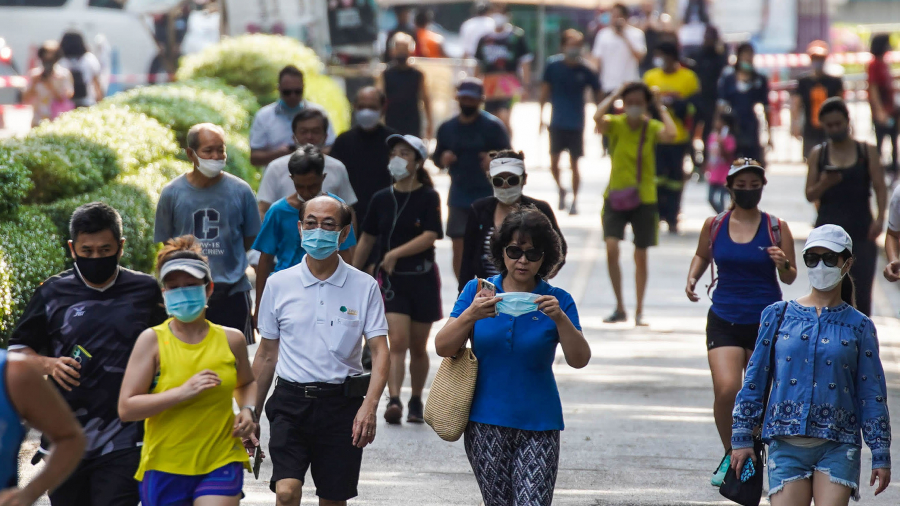
Japan lifts state of emergency in three more prefectures.
On May 21, Japanese Prime Minister Shinzo Abe announced the lifting of the state of emergency due to the COVID-19 pandemic in three prefectures in the Kansai region: Osaka, Kyoto, and Hyogo.
Speaking to reporters, Prime Minister Abe said that the state of emergency in the Tokyo metropolitan area and Hokkaido prefecture in the far north could be lifted as early as May 25. The current state of emergency is in effect until May 31.
Israel extends ban on entry for foreigners.
On May 20, the Israel Airports Authority announced a requirement for Israelis returning from abroad to self-isolate for 14 days and extended the complete ban on foreigners entering Israel until at least June 15, instead of May 30 as previously planned. Meanwhile, Israeli airline El Al announced it would not operate flights to and from Israel until June 20.

This decision is based on the Israeli Ministry of Health's requirement for self-isolation upon arrival in Israel, the entry ban for foreigners, and low travel demand.
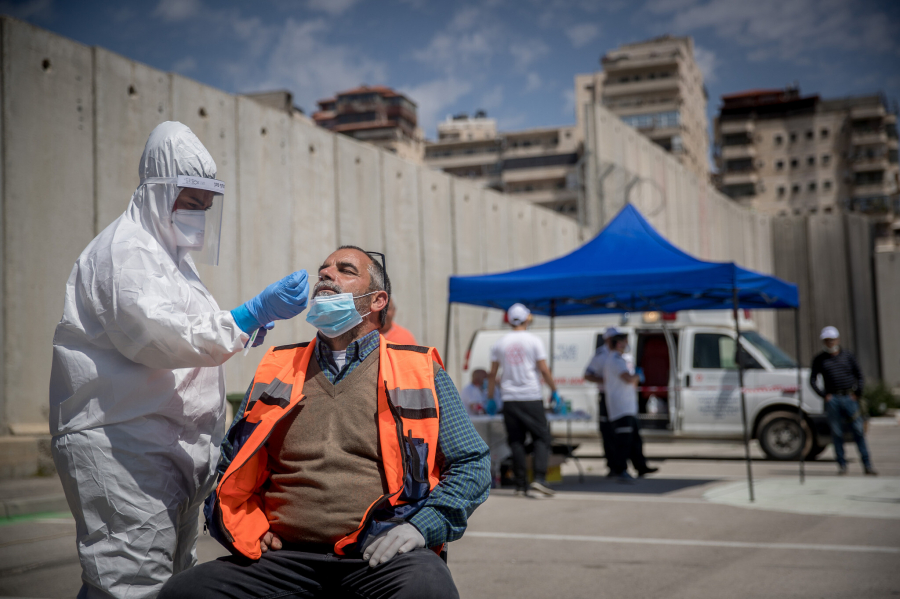
On the same day, May 20th, Jordan's Minister of State for Communications, Amjad Adaileh, announced that the country would impose a complete lockdown during the Eid al-Fitr holiday, amid a sharp increase in Covid-19 cases in Jordan in recent days.
A statement from Secretary of State Adaileh clarified that a lockdown would be imposed to restrict large gatherings during the Muslim holiday, which runs from the night of May 21st to May 24th.
All 50 states in the US are reopening.
All 50 states in the US have partially reopened after being closed for two months to implement restrictions aimed at combating the Covid-19 pandemic.
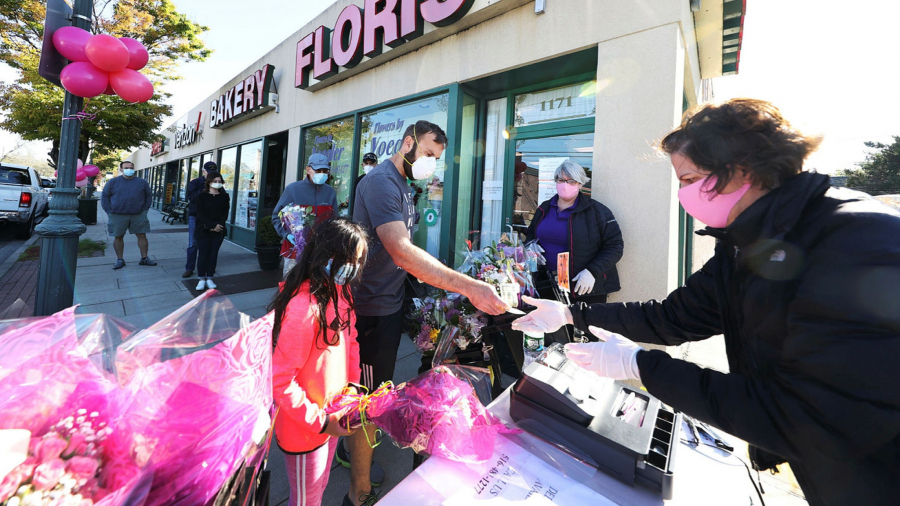
According to the BBC, there are differences between US states in terms of infection rates and the pace of economic restart. Many states have not met federal guidelines for reopening, including ensuring a downward trend in coronavirus cases and COVID-19 deaths.
While states that were once severely affected by the pandemic, such as New York, New Jersey, and Washington, are now seeing a sharp decline in cases, most other states are experiencing a plateau in the number of infections, and some states like Arizona and North Carolina are seeing an increase.
Moscow begins to ease lockdown measures.
Moscow Mayor Sergei Sobyanin signed a decision on May 21st to begin easing strict lockdown measures in the city, which has nearly half the number of Covid-19 cases in the country.
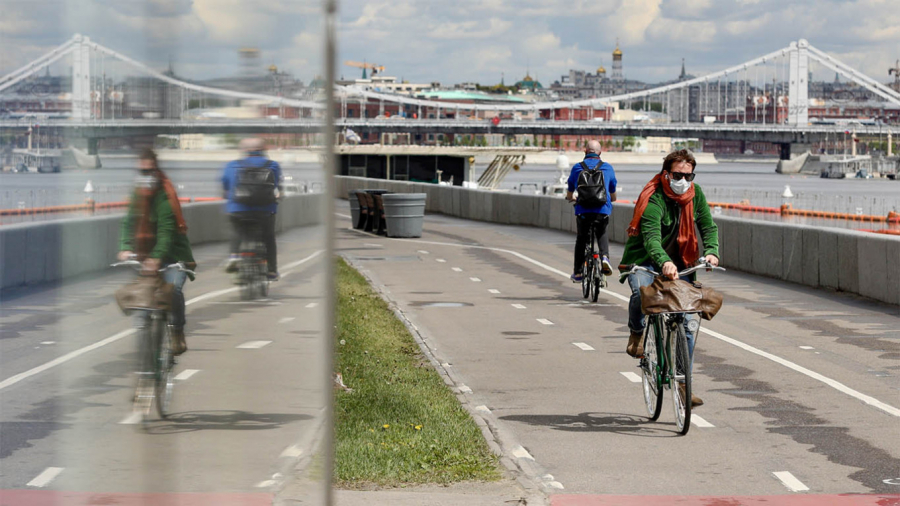
Starting May 21st, Moscow business owners can issue electronic passes to their employees, but the number of workers at the workplace must still be limited. Additionally, ride-sharing services in Moscow will resume on May 25th. From May 27th, residents traveling within the city must have an electronic pass, and wearing masks and gloves remains mandatory in public places.
Russia prepares to test COVID-19 vaccine on humans.
Russia is finalizing the last steps to prepare for human trials of a SARS-CoV-2 vaccine. This vaccine was developed by the Vector Institute of Virology and Biotechnology in collaboration with BIOCAD, a leading Russian biotechnology company.
According to Russian Deputy Prime Minister Tatyana Golikova, preclinical trials will be conducted before June 22nd. If all goes well, the first phase of clinical trials will begin on June 29th, with the participation of 60 volunteers.
Hundreds of COVID-19 infections reported at meat processing facilities in Europe.
Radio and Television Ireland (RTE) reported on May 20th that a total of 828 people working in meat processing plants across the country have been confirmed to have Covid-19; 328 cases were reported at these facilities in the past week alone. These figures raise concerns that meat processing plants are becoming new hotspots for the virus in Ireland due to the difficulty in ensuring social distancing measures.
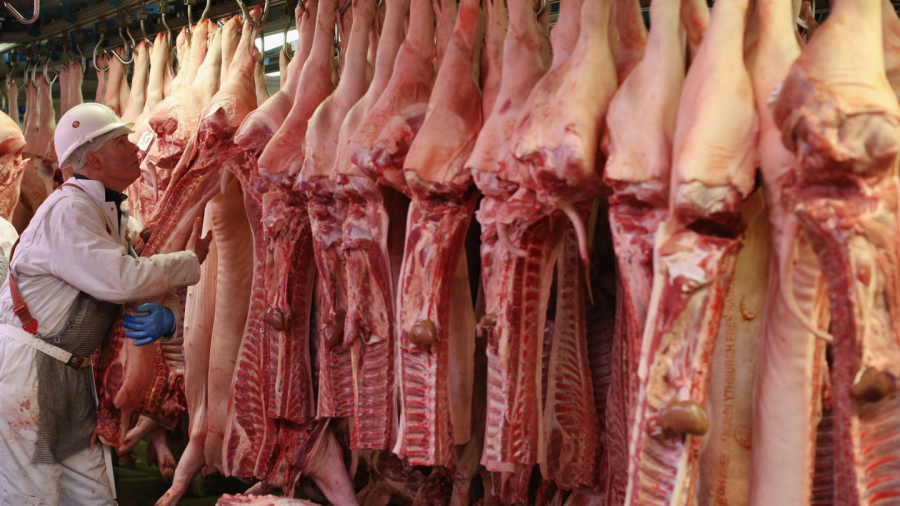
In France, health authorities also recorded more than 100 SARS-CoV-2 infections on May 20th at a slaughterhouse in Cotes d'Amor, western France, following a second round of testing.
Previously, Germany, Spain, Australia, the United States, and Brazil had also identified COVID-19 outbreaks in meat processing plants in those countries. These facilities struggled to ensure social distancing because workers were working in very close proximity to each other.
New Zealand launches app to track COVID-19 cases.
On May 20th, the New Zealand government launched a smartphone app to track SARS-CoV-2 infections. According to the New Zealand Ministry of Health, the app, called NZ COVID Tracer, also allows users to self-report symptoms of COVID-19 so they can get tested.
Ashley Bloomfield, a representative from the New Zealand Ministry of Health, stated that one of the country's key public health responses to the Covid-19 pandemic was finding and isolating infected individuals, while maintaining close contact to prevent the spread of the disease.