VI
VI


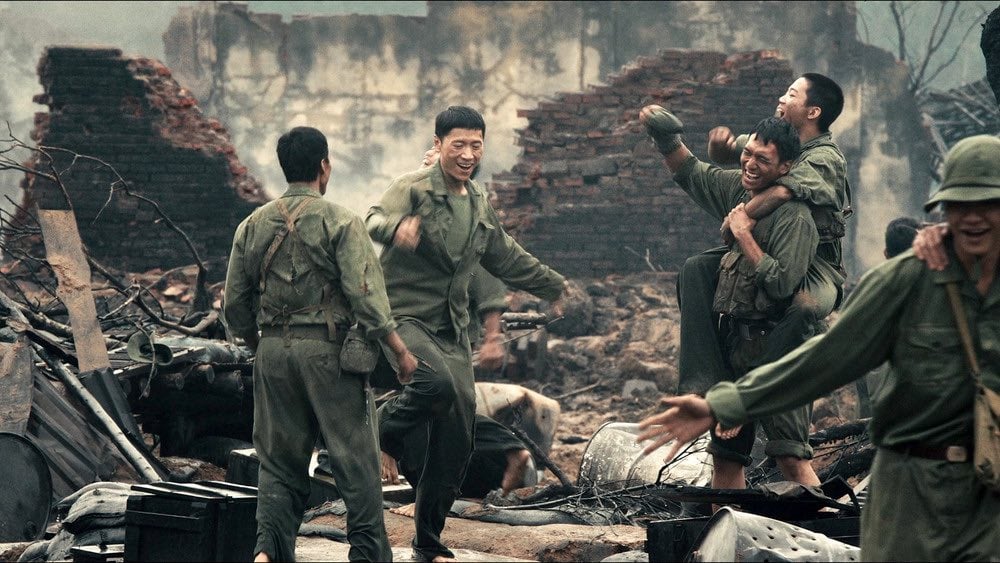
As the final frame closes, the echoes of "Red Rain" still resonate, like a tragic and heroic epic, sparkling with humanistic sentiment about the Quang Tri Citadel in 1972. Released on National Day, September 2nd, the film by the People's Army Film Studio, under the masterful direction of Meritorious Artist Dang Thai Huyen, quickly became a phenomenon, not only in terms of revenue but also because of its powerful emotional impact on the audience.
Going far beyond a typical film, "Red Rain" vividly, authentically, and poetically recreates the 81 days and nights of bloodshed, where each frame is a heartfelt tribute to the thousands of soldiers who forever rest in that sacred "fire zone."

An immortal epic written in images.
"Red Rain" is not simply a film recreating war. It's a grand, emotionally charged portrayal where war isn't just about bombs and brutality, but also about pain, sacrifice, and the very ordinary desires of life. From its initial release, the film created a sensation at the box office, attracting widespread attention and predicted to become one of the highest-grossing films of all time in Vietnam.
The impressive box office revenue of hundreds of billions of VND is not the only measure of the film's success; it's the empathy and overwhelming emotion felt by viewers that truly resonates. The 124-minute film immerses the audience in a space filled with intense emotions, from the suspense and breathlessness of the brutal battlefield to the heart-wrenching loss and the blossoming, innocent love.

"Red Rain," a novel by writer Chu Lai, is primarily set against the backdrop of the battle to defend the Quang Tri Citadel in the summer of 1972, fought on both sides (our side and the enemy's).
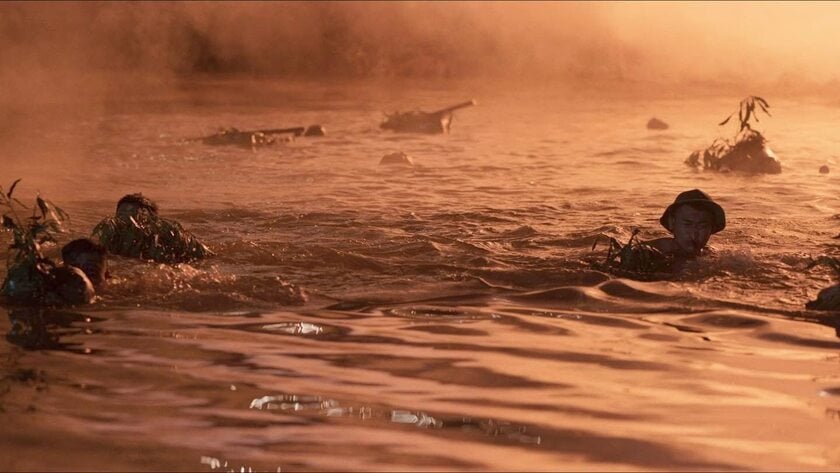
The film left viewers with haunting yet incredibly beautiful images. These included the moment when the young soldier Tú was forever submerged in the Thạch Hãn River, a river that had become a mass grave for countless martyrs. Or the image of the soldier cradling a baby bird amidst the bombing, a symbol of life and the yearning for peace.
And we cannot fail to mention the heroic sacrifice of Squad Leader Ta, who was willing to give his life to save his comrades suffering from psychological trauma, and the image of the young soldier Hai, who preferred to endure the flames burning his body rather than surrender. These pieces are not just cinematic details, but authentic snapshots that touch the deepest parts of the viewer's heart, painting a portrait of young soldiers with fiery hearts and noble ideals, who fell in the prime of their twenties.
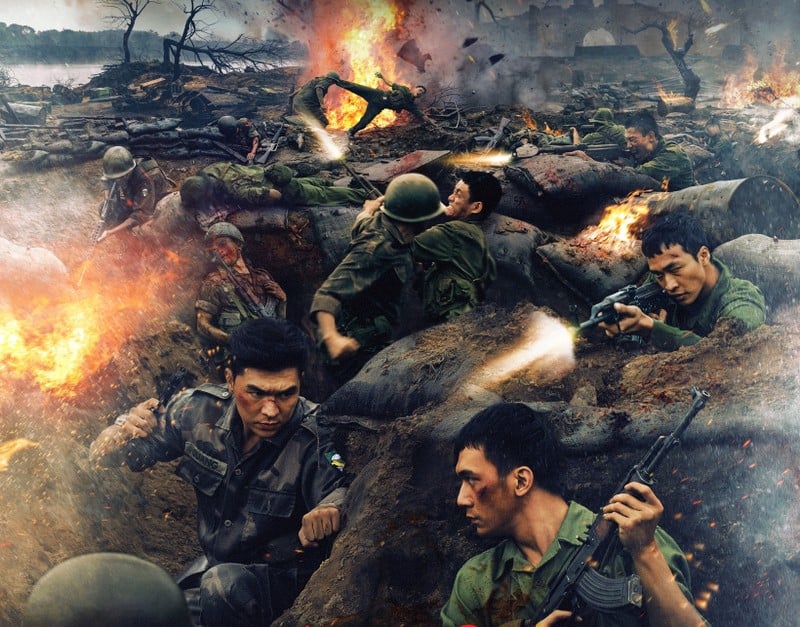
The author borrowed the backdrop of a typical but also rather "sensitive" historical event in the resistance war against the US to recreate a tragic picture of the 81-day and 81-night battle to defend the Citadel during the fiery summer of 1972.
"Poetry" in the depth of "blood and fire"
One of the most striking aspects that makes "Red Rain" so appealing is the director's skillful incorporation of deeply humanistic details that transcend the boundaries of war. The film doesn't focus solely on one side, but attempts to offer an objective perspective on both sides of the conflict, demonstrating courage and subtlety in its filmmaking.
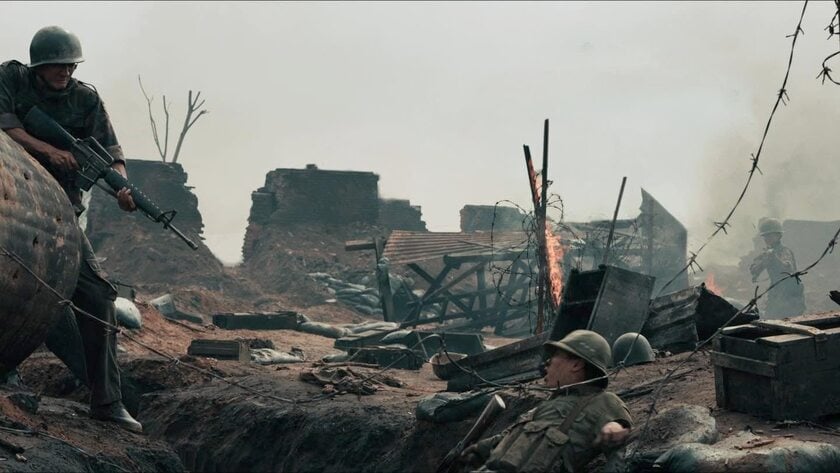
Interwoven within the spine-chilling descriptions of war are moments of peace, romance, and poetic beauty—love blossoming amidst the gunfire, and the carefree, unrestrained spirit of everyday life…
The detail of the two soldiers, Cuong and Quang, representing opposing sides, falling together, their hands still clutching a torn checkered scarf forming the letter S, is a powerful symbol. It's not just an image of the pain of separation, but also a fervent desire for national reconciliation, for a unified Vietnam. The shared grief of two mothers on opposing sides, both losing their sons, transcends all ideologies, leading them to share the pain of maternal love, remembering the past and looking towards a peaceful future—a powerful message that war only brings irreparable pain.
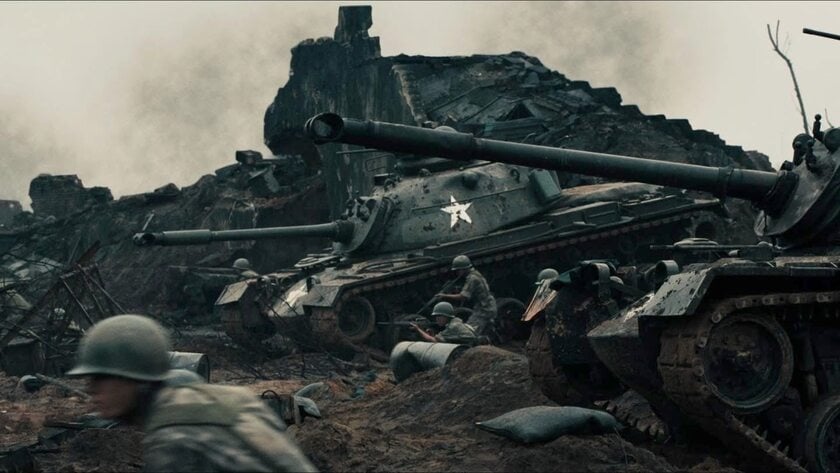
According to filmmakers, adapting a literary script into a complete film that meets both artistic and historical standards is a significant challenge.
Amidst that brutal backdrop, "Red Rain" still finds moments of peaceful, romantic, and poetic tranquility. It tells the pure and innocent love story between the young soldier Cuong and the young volunteer Hong. Their love is not just a refreshing rain in the desolate battlefield, but also a symbol of hope and life. Simple promises, tender gestures of care, and especially the image of the gentle girl waiting by the riverbank—all create a heart-wrenching, romantic, and tragic beauty. This love doesn't have a happy ending, but it will forever remain in the viewer's memory, a reminder that even in the darkest moments, humanity and love always shine brightly.
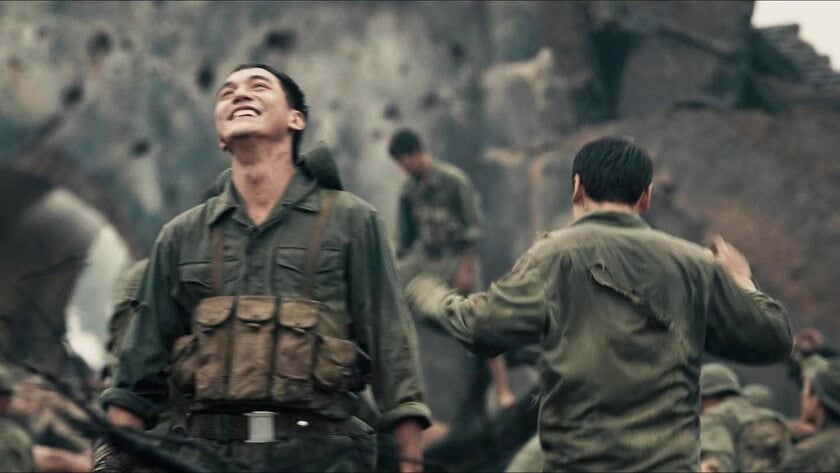
The film sparkles with the beauty of camaraderie, the sacredness of family, and the romance of love between couples.
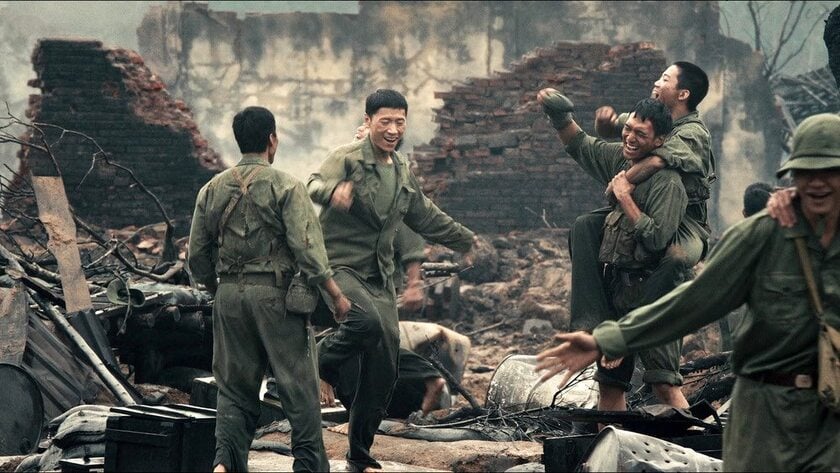
To create an outstanding, artistically rich, and humanistic film like "Red Rain," the film crew had to go through an extremely arduous and dedicated process. Filmed for exactly 81 days and nights in Quang Tri, every frame was the result of the sweat, tears, and unwavering commitment of the entire team. From recreating the brutal battlefield on an area of nearly 50 hectares to portraying the characters realistically and vividly, everything demonstrates the dedication and seriousness of the filmmakers.
Writer Chu Lai, with his realistic writing style, did not focus on the breadth of the war, but delved into the depth of each character and detail, revealing in a raw yet subtle way the tragic nature of the conflict to create a "perfect" reenactment. From this, viewers can see the complex emotional states of people facing life and death every second and every minute. They are not only heroes with indomitable will, but also people with very ordinary feelings: camaraderie, love, and moments of reflection on the meaning of the war.
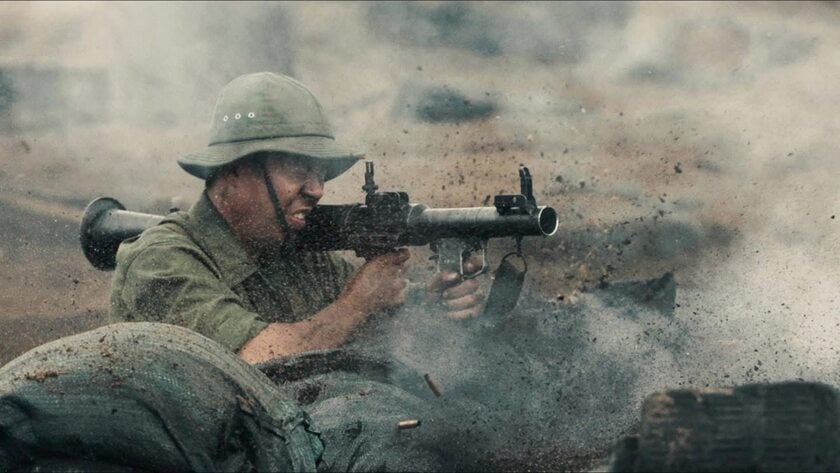
With "Red Rain," the People's Army Cinema has once again affirmed its mission: not only to recount history, but also to profoundly portray the noble qualities of soldiers, inspiring patriotism and aspirations for advancement in today's generation. The film is not only a tribute to fallen heroes, but also an epic about love, peace, and the aspiration for a unified and complete nation.