VI
VI


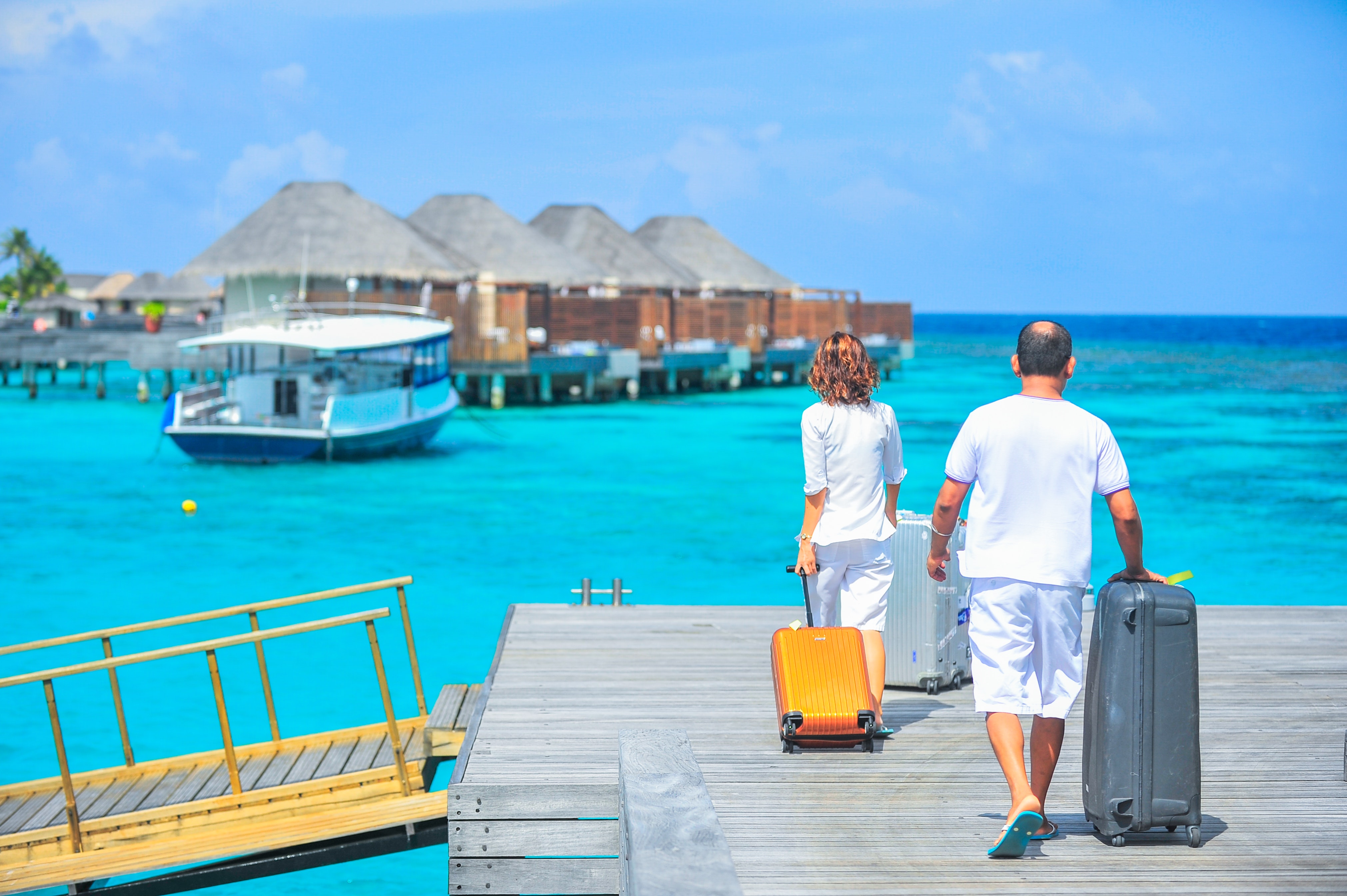

Be careful with your money and documents.
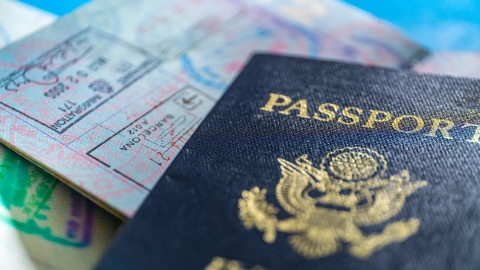
You should keep your passport, cash, and valuables in different bags or suitcases. Some clothes have hidden pockets, and anti-theft backpacks can also be very helpful while traveling.
Carry only enough money for your daily expenses, and keep the rest in a safe place. You should also keep your money in a cloth bag or small box... to disguise it among other small items, and it will take a thief a long time to find it if they cut open your bag.
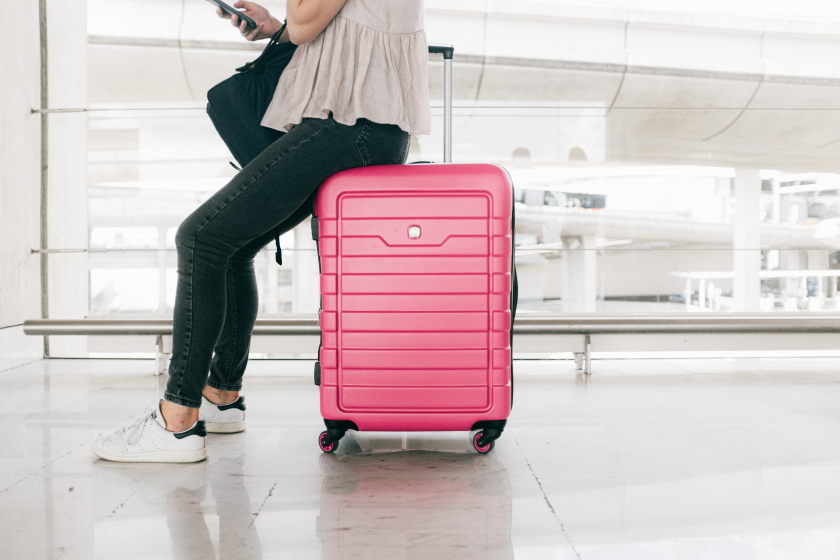
Always keep your money in multiple places and your documents in a secure location.
In addition, tourists should avoid carrying too many cards, such as ATM cards or credit cards. In the worst-case scenario, you could lose all your bank cards. If that happens, contact your bank as soon as possible to cancel them.
Keep your valuables in safe, easily accessible places. Thieves can drive or speed away and snatch your belongings while you're walking. Therefore, always look around while walking to see if anyone is approaching you. Don't wear a backpack on your back, and keep your wallet in your back pocket.

Behave appropriately.
One of the quickest ways to become a potential target for criminals is to stand out from the crowd. Sparkling jewelry, expensive-looking watches or phones, designer clothes, and branded items are all things that easily attract attention.
Even dressed simply, you can still attract unwanted attention. Taking photos of everything along the way and getting too caught up in admiring the interesting sights around you is a common mistake tourists make, leading them to lower their guard. The advice is to avoid showing too much emotion in crowded places or appearing confused or bewildered.
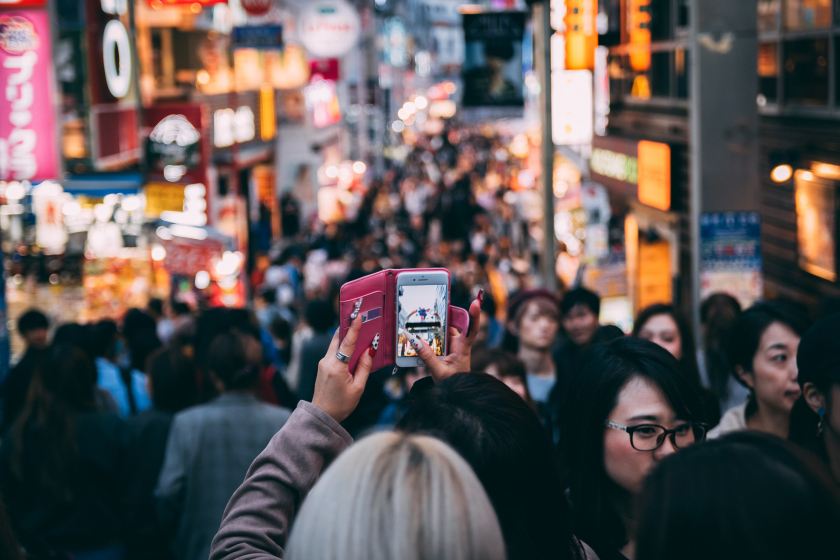
Act normally, don't draw attention to yourself.
Be wary of anyone who suddenly strikes up a conversation, offers help, or stands too close and touches you. Criminals might pose as beggars, pretend to bump into you, or offer to wipe a stain that suddenly appears on your shoulder or under your shoe in order to steal your belongings when you're not paying attention.
On the other hand, try to avoid drinking alcohol while traveling. Drinking while traveling is an expensive pastime that can lead to quite a few problems. During these outings, it's also difficult to guarantee you'll stay sober in an unfamiliar place and keep an eye on your belongings.
Store emergency phone numbers.
When an adverse event or accident occurs, travelers are often not alert enough to call emergency services. In a state of panic, you may not be able to remember the phone numbers of law enforcement, ambulance services, or the address of the nearest embassy. Instead, write down all the phone numbers and addresses of these places and save them to your smartphone.
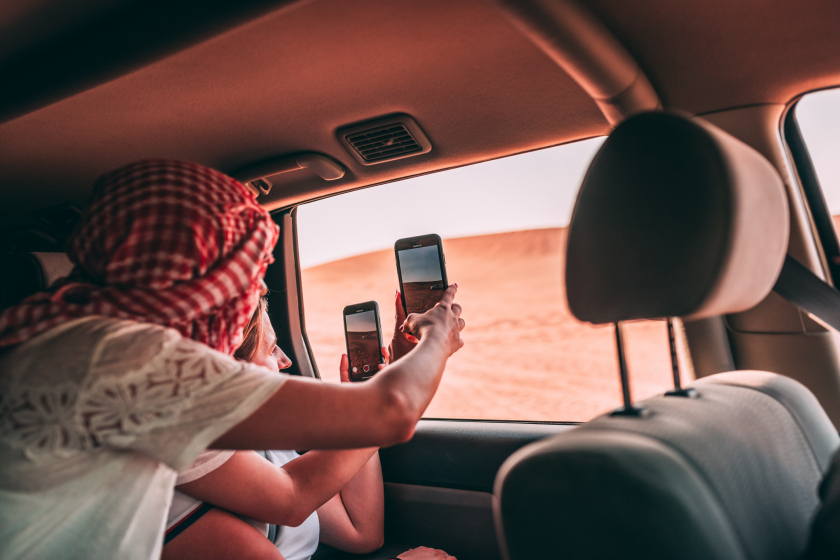
Save important information to a secure file.
Alternatively, travelers can handwrite useful information into a notebook or small cards and laminate them for long-term preservation. In addition, prepare a digital file containing information about your passport, citizen identification card, or other important documents and save it on Google Drive or your smartphone. If the original documents are lost, you can use this file to retrieve the necessary information.
Update your family members on the latest information.
Before departing for a destination, ensure that at least one family member or friend knows where you're going. You can compose an email and send it to your family or friends' group chat, then update them daily. Let your family and friends know your destination, travel plans, travel dates, and return dates. If something unexpected happens, or if they don't hear from you for a while, they can promptly report it to the embassy or rescue agencies for timely assistance.