VI
VI EN
EN


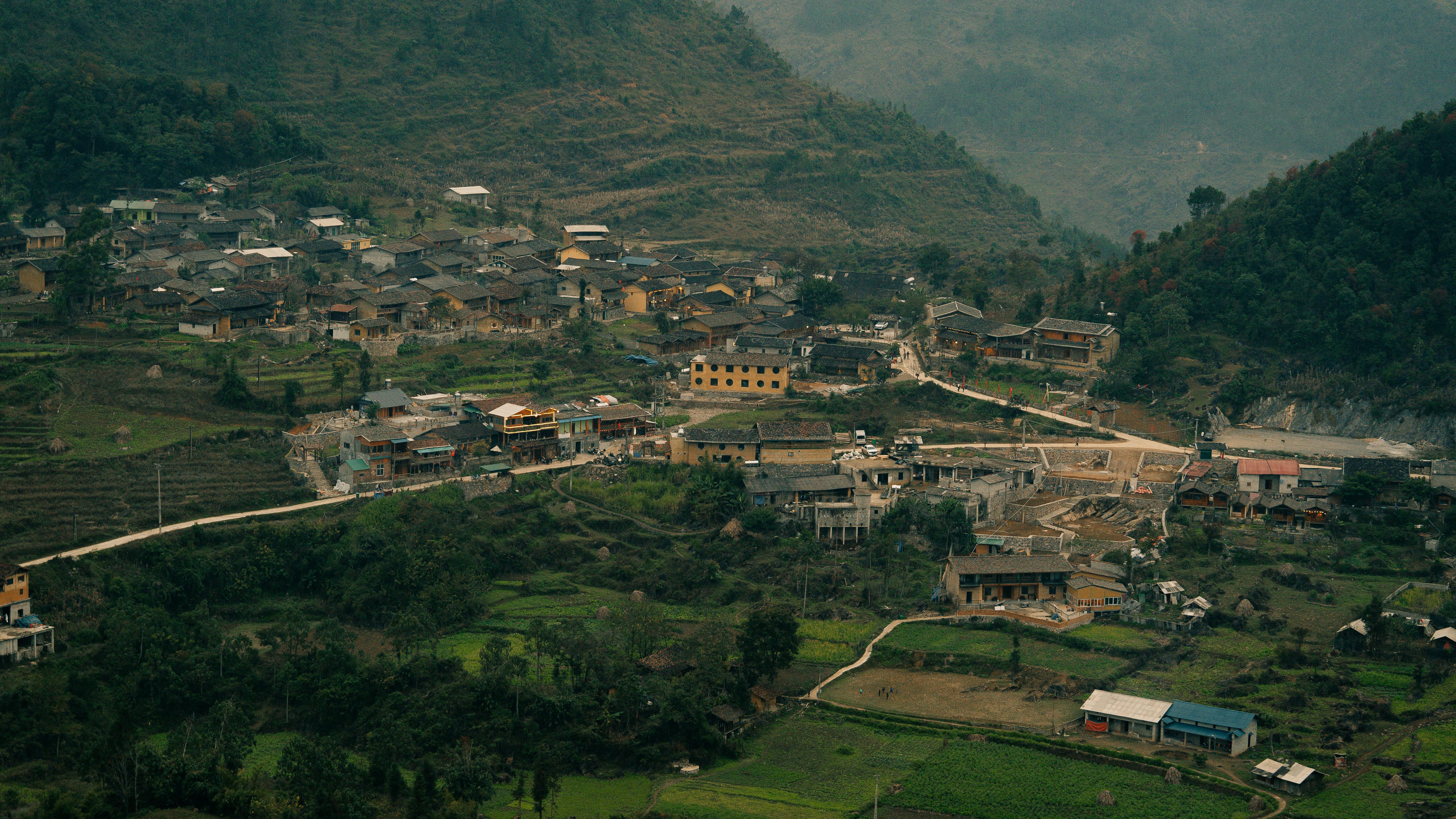
Nestled in the towering mountains of southwestern Yunnan province, where mist blankets the majestic peaks almost year-round, lies a village seemingly detached from modern life: Nuodeng Ancient Village (诺邓古村).


Not as famous as Dali or Lijiang, but it is precisely this secluded, tranquil setting that creates a special allure for this ancient village with a history spanning over a millennium. Nuodeng is not just a tourist destination, but also a "living museum" in the heart of the mountains, preserving unique cultural and architectural values, and was once an important stop on the legendary ancient Tea Horse Road.
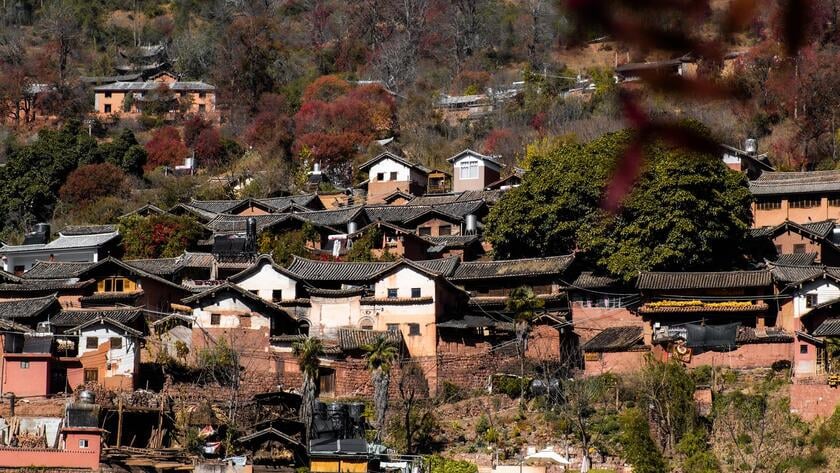
Nuodeng Ancient Village is a more than 1,000-year-old village nestled in the heart of Yunnan's mountains, boasting a pristine, tranquil beauty and the distinctive mark of the ancient Tea Horse Road.
To understand the soul of Nakeng, one must trace back to the ancient Tea Horse Road – a legendary trade route connecting Central China with Tibet and Southeast Asian countries for centuries. Nakeng was once one of the most important stops on this route. However, instead of becoming a bustling center, Nakeng possesses a discreet beauty, "hidden" in the mountainside overlooking the valley. This construction allowed the inhabitants to easily observe and protect themselves during turbulent times, while also creating a unique village structure that blends perfectly with nature.
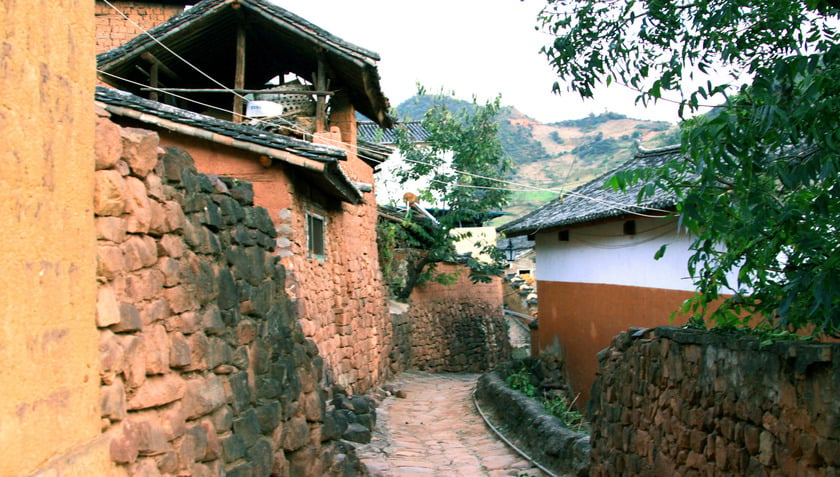
Today, as visitors stroll along the winding cobblestone paths that follow the mountain slopes, they can still feel the spirit of the merchants of yesteryear. Moss-covered steps, weathered earthen walls, and ancient wells with murmuring water all tell a long story of a bygone era. There are no signs of noisy, commercialized tourism here. Instead, visitors will find only authenticity and originality: soaring tiled roofs, rustic pine-wood houses, and the slow, unhurried pace of life of the local people.


Nặc Đẳng Ancient Village has its own unique charm, making it a village over a millennium old.
The most distinctive and attractive feature of Nac Dang is its pace of life, which seems to belong to a different era. In Nac Dang, visitors won't find modern cafes, public Wi-Fi, or pre-built photo spots to attract tourists. This is because the locals want to preserve the essence of the ancient village. Every morning, the crowing of roosters awakens the new day, the scent of wood smoke wafts from the wooden houses, and the sound of footsteps on the stone-paved paths echoes in the tranquil mountain forest. There are no car horns, no phone rings, only the sounds of nature and simple life.
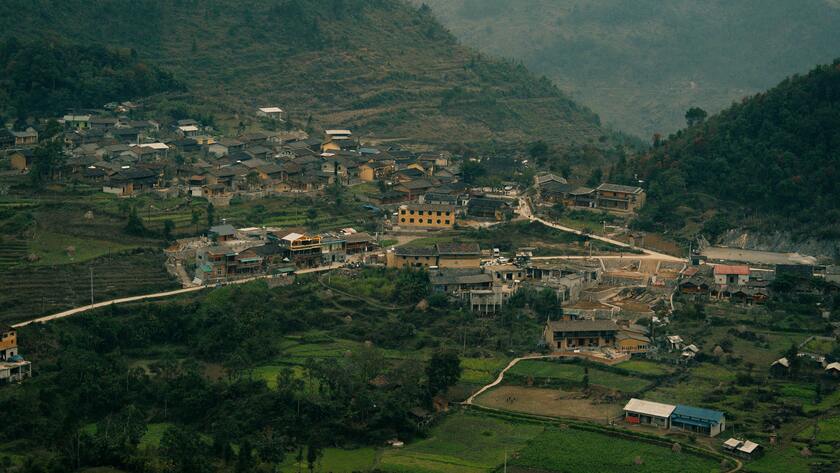
Nặc Đẳng has preserved almost entirely its original beauty – from its architecture and way of life to the way people interact with nature.
Nặc Đẳng boasts several hundred ancient houses, primarily constructed from pine wood and rammed earth, with yin-yang tile roofs. Interestingly, these houses don't use iron gates or modern locking systems, instead employing wooden latches or ropes, reflecting the trust and strong bonds within the community. Each house has a small courtyard, a cooking area, and a tea-drinking area, all centered around the philosophy of "living in harmony with nature," simple yet refined. On sunny days, sitting on the porch of an ancient house, sipping a hot cup of tea and listening to the rustling wind through the bamboo forest, visitors will feel truly alive, truly connected to nature and themselves.
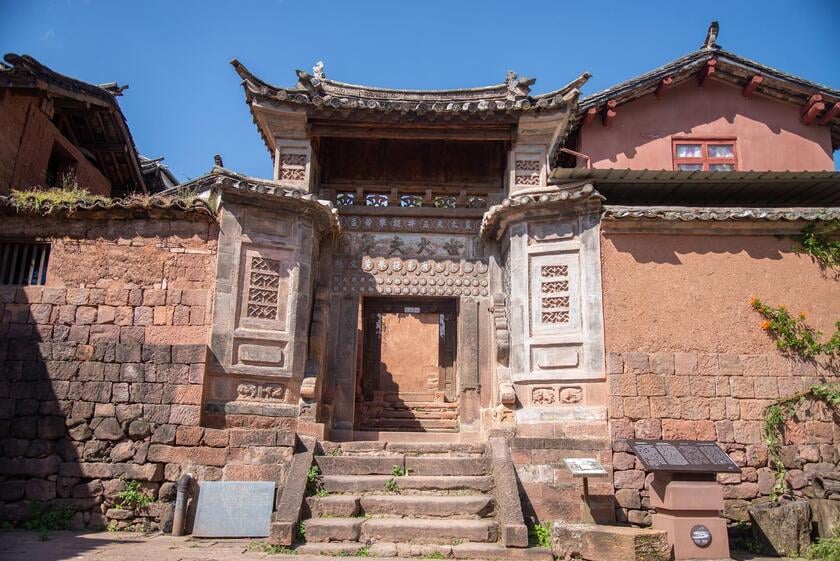
This is the ideal destination for those who are weary of the hustle and bustle of the city and want to find pristine peace.
Nặc Đẳng is not a place for tourists who are "addicted to itineraries" or want to "conquer" many destinations in one day. Here, each day flows like a gentle stream – unhurried, without pressure. Visitors can wake up anytime, stroll along the village paths, visit a local family, sit and drink tea while listening to their stories. In the afternoon, you can join the village children in playing in the stream, and in the evening, gather around a fire to warm yourselves and enjoy a simple but cozy meal. There are no noisy entertainments, no all-night parties, only the profound peace of the mountains and forests.
In this age of rushing to meet deadlines, people easily forget the value of stillness. Nặc Đẳng doesn't offer a fleeting "wow" feeling, but it has the power to linger in memory for a long time. The cracks in your soul – work pressure, emotional wounds, existential anxieties – seem to gradually fade away as you breathe in the mountain air and listen to yourself in silence.
To have a fulfilling trip to Nuodeng, visitors should keep a few things in mind. From Lincang city center, it takes about three hours by local vehicle. From Kunming, you can take a train or bus to Lincang. There are a few simple homestays run by locals, lacking luxury amenities but clean and providing basic necessities. The ideal time to visit is spring (March-May) when flowers are in full bloom, or autumn (September-November) with its golden foliage. You should avoid the rainy season (June-August) as the roads are slippery and foggy. Above all, Nuodeng is not yet commercialized, so please respect the living space of the local people, preserve the landscape, do not litter, and refrain from filming or taking photos in their private areas.