VI
VI


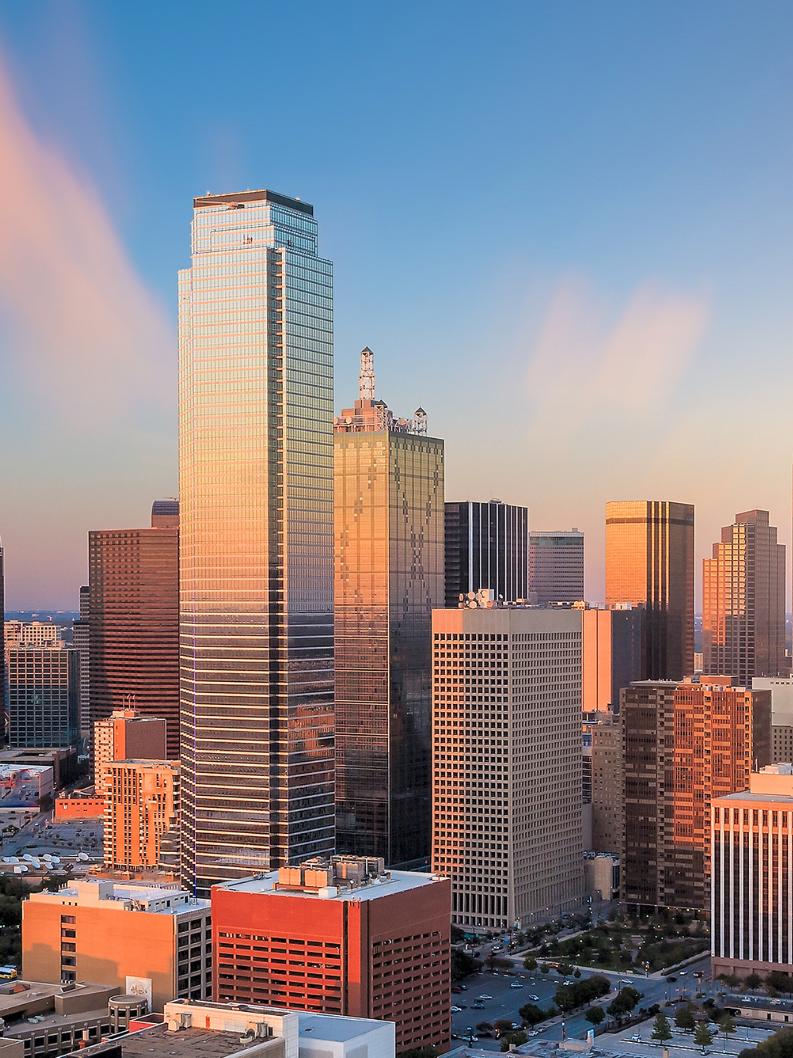
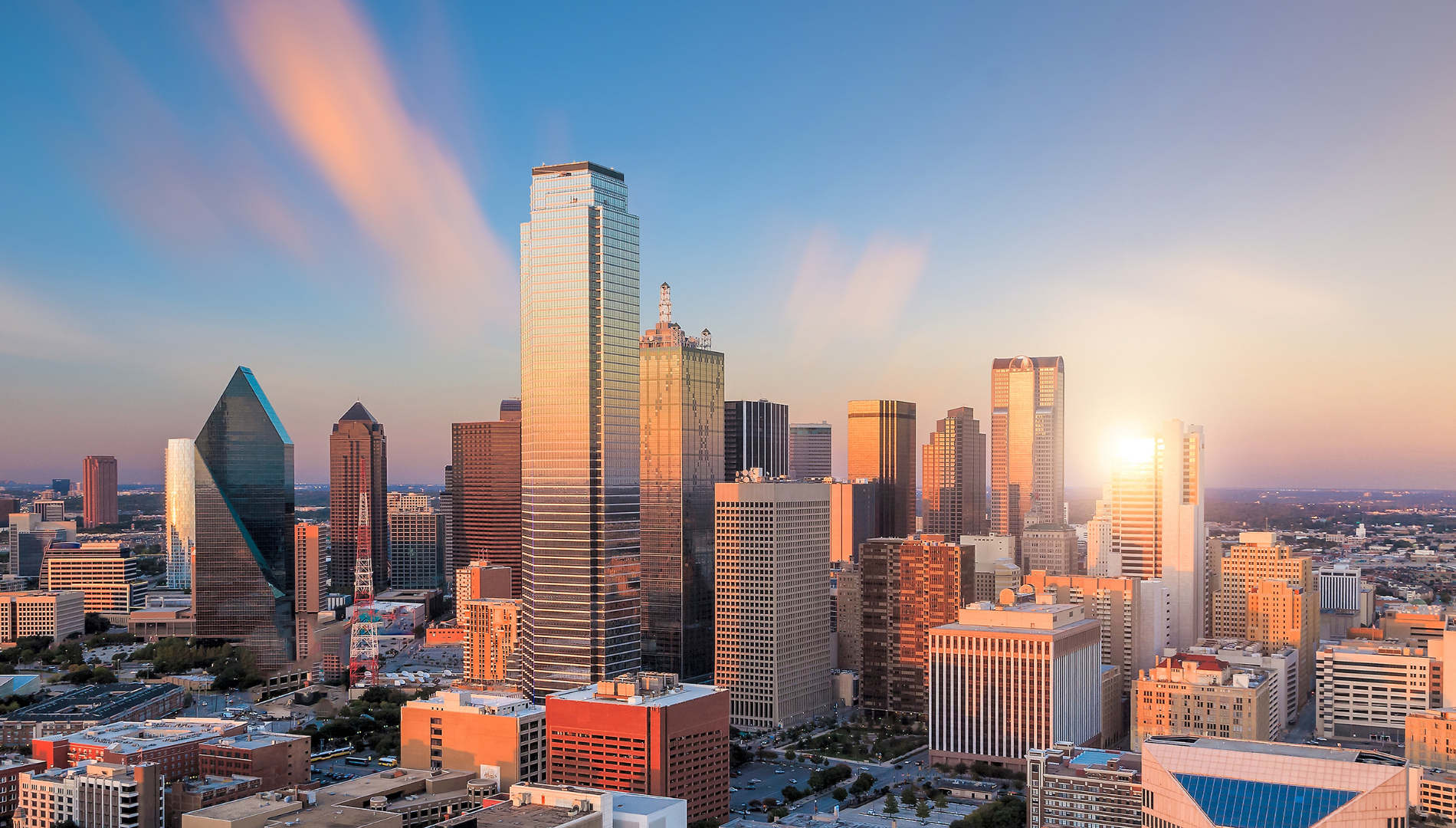
According to the power outage tracking website PowerOutage.us, as of the morning of July 14th, more than 1 million customers in Texas were still without power. The extreme heat, with temperatures reaching 38°C, further exacerbated the situation.

Hurricane Beryl left a devastating mark on the state of Texas, USA. The power grid was severely damaged, leaving millions of people without electricity and facing intense heat.
According to reports, Hurricane Beryl caused significant damage to transmission lines, felled trees, and damaged electrical infrastructure in Texas. As a result, more than 1.5 million customers lost power, with many still struggling to cope with the sweltering heat without air conditioning.

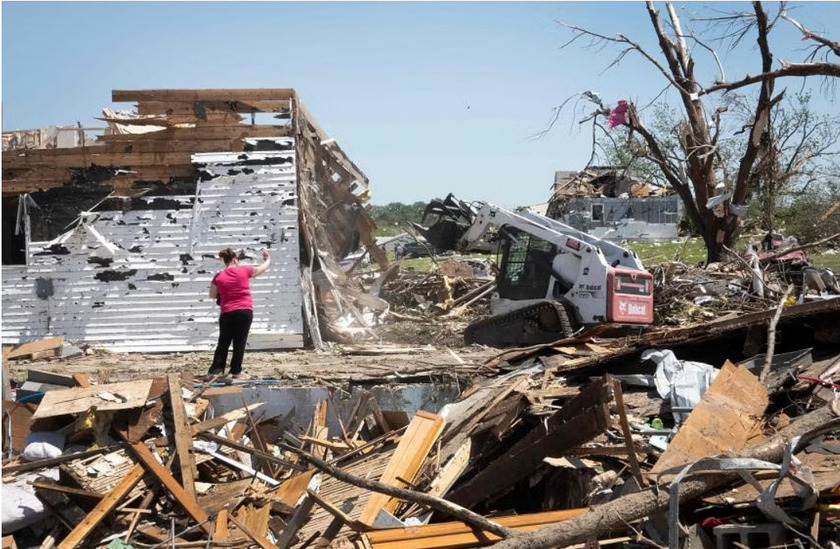
Hurricane Berly caused extensive damage to the local population.
Texas's power provider is working to restore the electricity grid, but progress is slow due to the extent of the damage. It is expected to take several days for all Texans to have electricity restored.
Power outages and intense heat have caused significant hardship for Texans, particularly the elderly, children, and those with underlying health conditions. Many have sought refuge in shopping malls to escape the heat and find backup power.
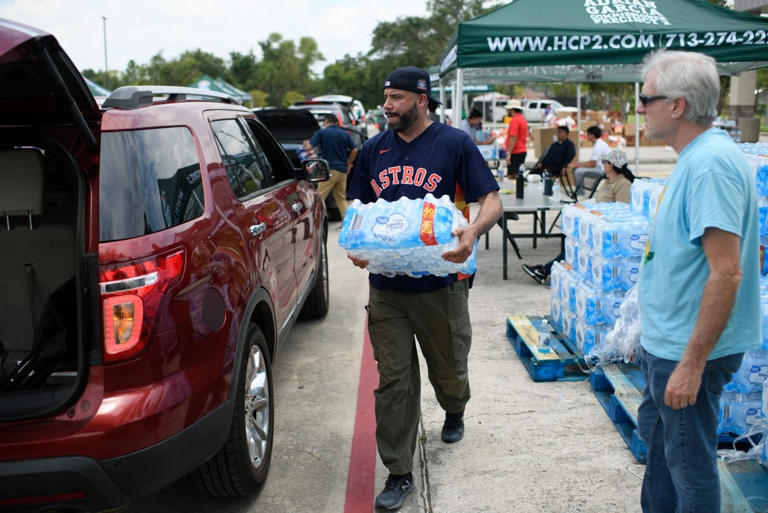
Prolonged power outages leave residents unable to adapt.
Several gas stations in Houston—Texas' largest city—have been forced to close due to power outages, resulting in long lines at the remaining open stations. Additionally, heavy rains and damp conditions have caused black mold to grow in many homes. Nonprofit organizations are working to help residents remove the moldy plaster and repair their houses.
The United States has two major power grids serving the East and West. Each grid is connected to a different power source, so if one state experiences a power outage, the system will redirect power from elsewhere. However, Texas is the only state in the U.S. with its own power grid not connected to the national grid, leading to numerous problems.
This incident once again highlights the importance of improving infrastructure and emergency response systems to cope with increasingly severe natural disasters.