VI
VI


Amidst the hustle and bustle of the 21st century and the sweltering heat of summer, a tranquil oasis in Vietnam has unexpectedly become a focal point of international tourism. Recently, the South China Morning Post (SCMP), one of Asia's leading daily newspapers, published a list of the six most impressive highland villages in Asia, praised as ideal destinations to "escape the modern pace of life and the summer heat." In this prestigious list, Ta Van in Lao Cai province was honored as a representative of Vietnam, associated with the poetic title: "the village in the clouds."

The SCMP article not only describes Ta Van as a perfect destination to escape the hustle and bustle of city life, but also emphasizes that it is an ideal space for visitors to "breathe fresh air, admire majestic nature, and experience the distinctive local lifestyle."
Ta Van – a hidden gem amidst the mountains and forests of Northwest Vietnam.
Ta Van's geographical location further enhances the village's idyllic beauty. Nestled in the legendary Muong Hoa Valley, about 12 km south-southwest of Sa Pa town center, Ta Van lies at the foot of the majestic Hoang Lien Son mountain range. According to information from the Lao Cai Provincial Electronic Information Portal, Ta Van today is a commune formed by merging the former Hoang Lien, Muong Hoa, and Ta Van communes, creating a larger area while still preserving its pristine beauty.
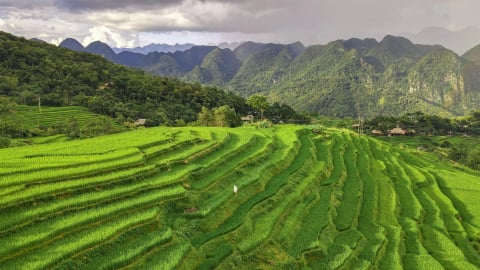
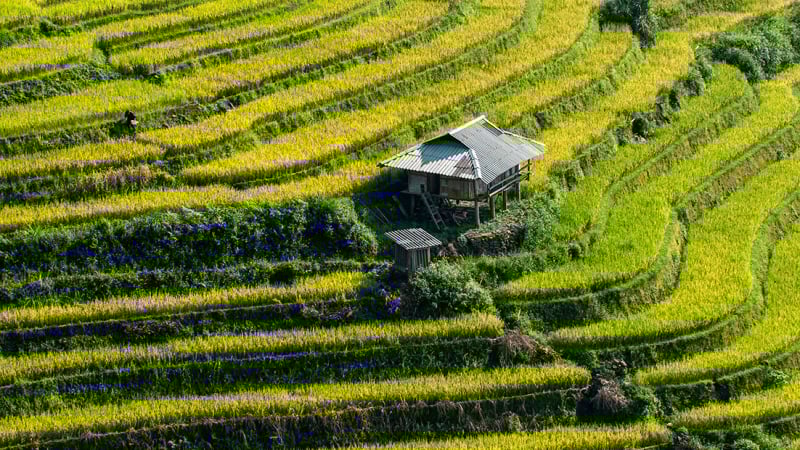
What makes Ta Van so special is the almost perfectly preserved traditional cultural values. Amidst the vast expanse of lush green terraced rice fields, winding along the hillsides and beside pristine streams, the Giay, Hmong, and Dao ethnic groups still maintain their simple stilt houses, closely linked to farming and traditional brocade weaving. The genuine, simple life of the local people is what captivates tourists, offering an authentic and unique experience.

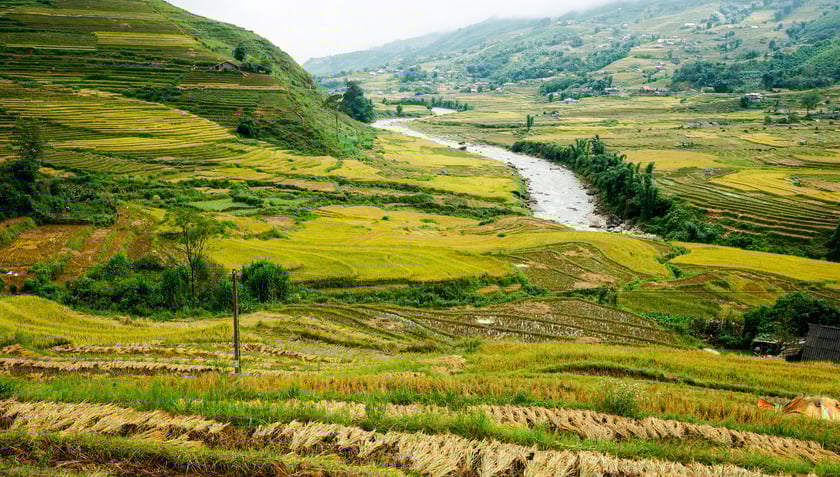
The rice fields in Ta Van stretch along the hillside slopes, embracing the village.
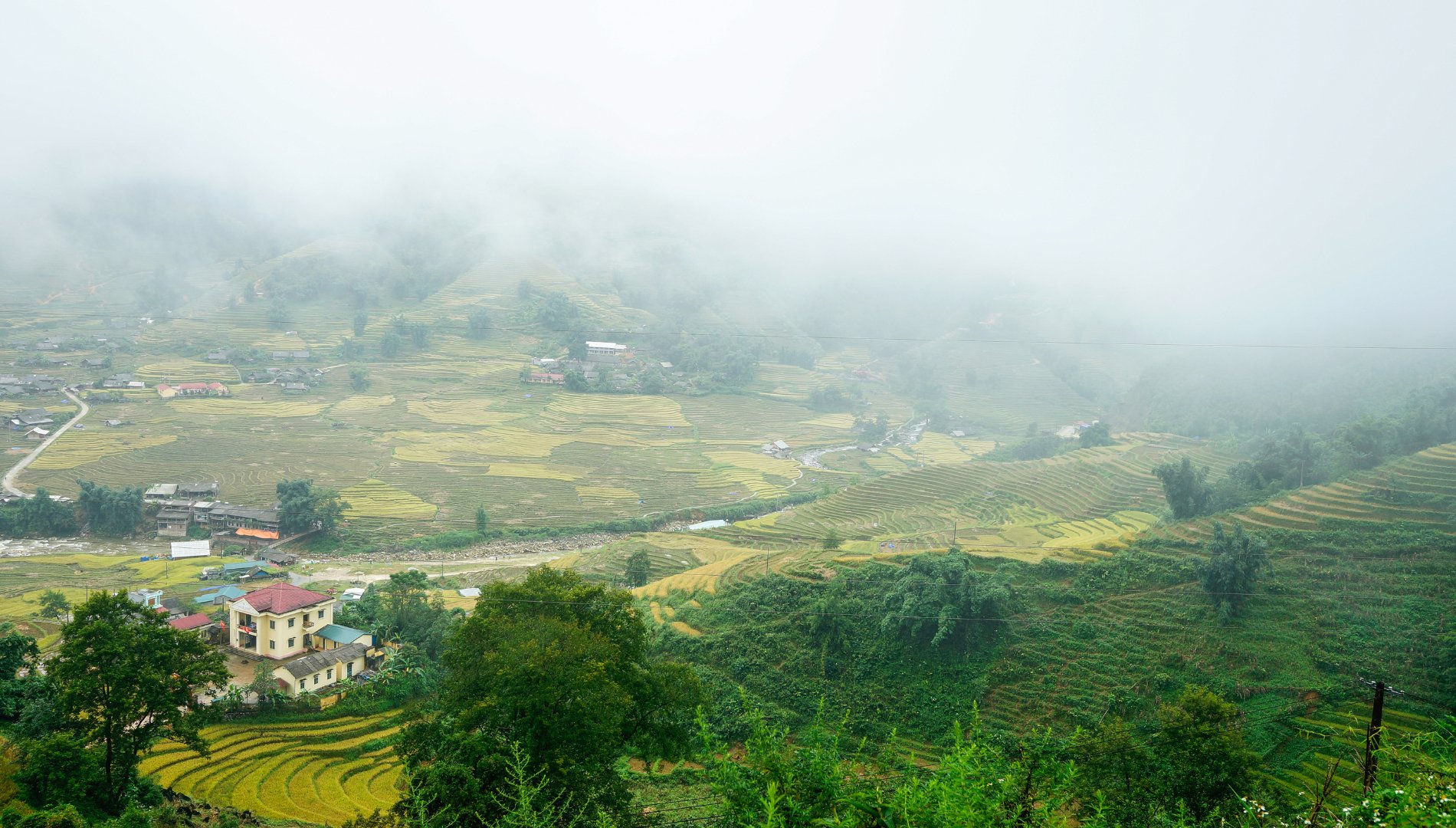
The natural scenery in Ta Van transforms magically with the seasons. During the rainy season, around May-June, the flooded rice fields become "giant mirrors," reflecting the clouds and sky, creating a unique, ethereal, and picturesque scene. When the rice ripens in September-October, the entire Ta Van valley is covered in a brilliant golden hue, interspersed with mystical mist and clouds, creating an incredibly vibrant and captivating picture.
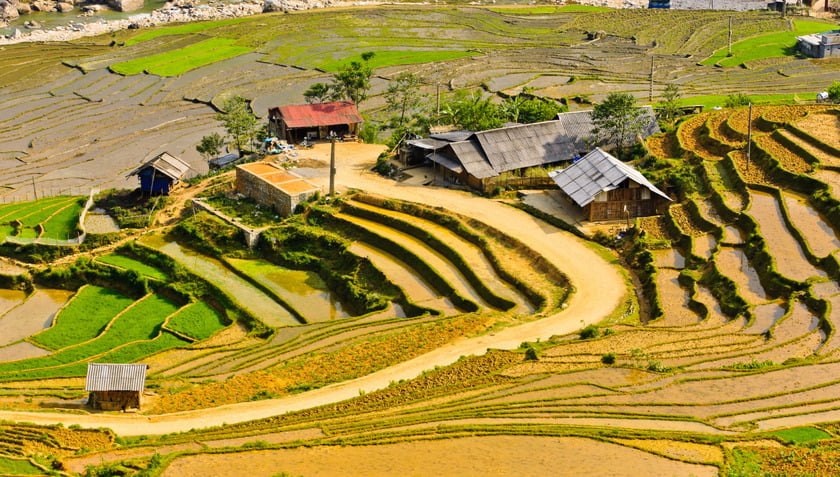
Unlike Cat Cat – a tourist destination already familiar with the bustling crowds – Ta Van retains a much slower and more tranquil pace of life. According to information from the Department of Local and External Information, as visitors travel through the village, they will encounter stilt houses scattered among the rice fields, winding small trails, rustic suspension bridges spanning streams, along with the natural sounds of babbling streams and chirping forest birds, creating a feeling of absolute relaxation.
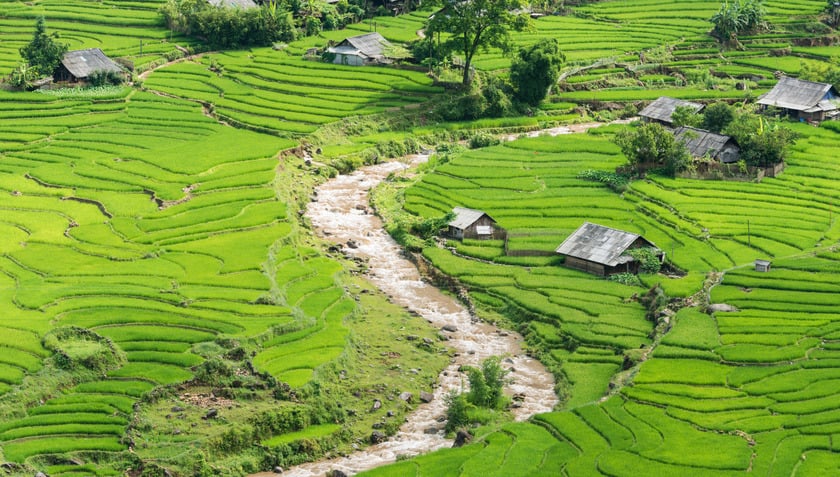
Villages preserve their cultural identity.
Ta Van is not just a place for sightseeing, but also a destination where tourists can immerse themselves in the lives of the local people. Many international travel blogs such as Authentik Travel and Eduardo & Monica have praised the experience of "living as part of the local community" in Ta Van, helping them not only admire the beautiful scenery but also gain a deeper understanding of the local culture. Tourists can participate in simple activities such as weaving, working in the fields to plant rice, rowing boats across the streams, or eating and staying with the locals, creating unforgettable memories.
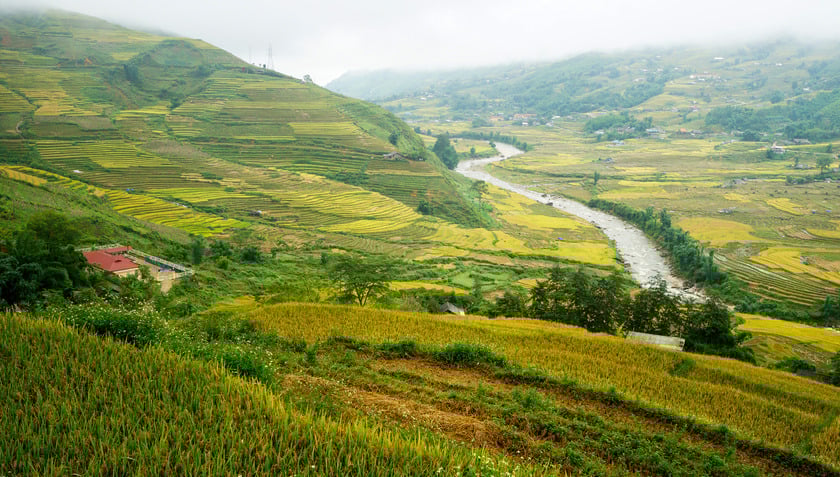
In the list of the 6 most impressive highland villages in Asia, Ta Van in Lao Cai province was chosen as a representative example, earning the title "village in the clouds".
Notably, Ta Van is one of the pioneering communes in developing community-based tourism in Lao Cai. According to Lao Cai Newspaper, the local government has been orienting towards sustainable development, harmoniously combining tourism with the preservation of cultural identity and natural landscapes. The goal is not only to reduce pressure on the central Sa Pa area but also to create stable livelihoods for people in the highlands.
According to statistics from the Sa Pa Department of Culture and Information, as of 2024, Ta Van commune had 72 tourism and service businesses, including 63 homestays with over 300 rooms and 6 food and beverage establishments. During peak season, Ta Van can welcome 200-300 visitors per day, mostly international tourists, demonstrating the strong appeal of this village.
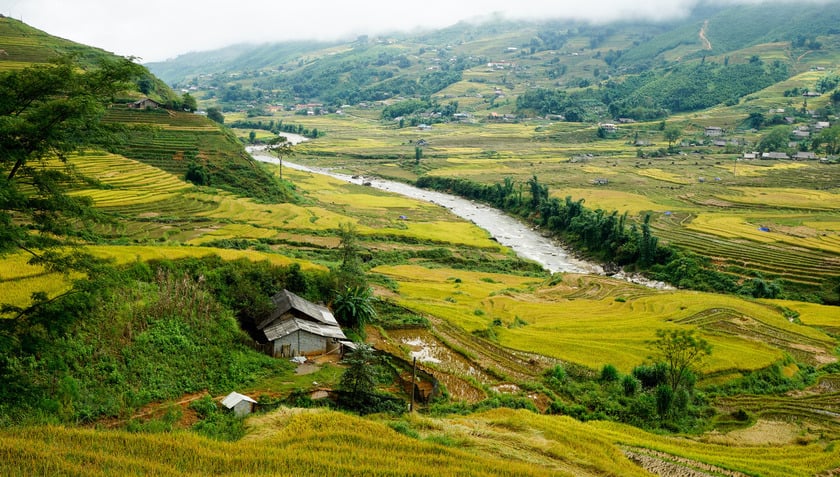
The commune authorities are also actively encouraging people to preserve the terraced rice fields, maintain the traditional brocade weaving craft, and refrain from constructing permanent structures that would disrupt the landscape. The Vice Chairman of the Commune People's Committee shared on Lao Cai Radio and Television: "We are promoting and encouraging people to maintain traditional models to serve tourism," affirming the commitment to preserving the core values of Ta Van.
According to an article published on the Lao Cai Provincial Electronic Information Portal in 2024, Ta Van is one of the six typical community tourism destinations in Lao Cai province, included in the new rural tourism development plan until 2030, with the overall goal of welcoming 1.7 million visitors annually for the entire province.