VI
VI


Bun cha
Along with pho, bun cha is a dish that embodies the essence of Hanoi cuisine, once described by Vu Bang as "eating one bite and remembering it for a year." CNN praised it, saying: "Under the sweltering summer heat, dropping the soft, cool white rice noodles into the dipping sauce creates a uniquely delicious and unforgettable taste for anyone who has ever had the chance to enjoy it."
A complete serving of bun cha includes rice noodles, grilled pork patties, dipping sauce, and various fresh vegetables such as lettuce, herbs, and perilla leaves. The grilled pork patties come in two types: sliced and meatballs, meticulously prepared by skilled chefs. The unique aspect of this dish lies in the dipping sauce. The sauce is served alongside the grilled pork patties, often with green papaya or carrots. The sauce must have a balanced sweet, sour, salty, and spicy flavor from ingredients like vinegar, fish sauce, sugar, chili, and garlic to be considered authentic Hanoi bun cha.
Bun cha is a dish that embodies the essence of Hanoi cuisine.
Bun dau mam tom (rice noodles with tofu and shrimp paste)
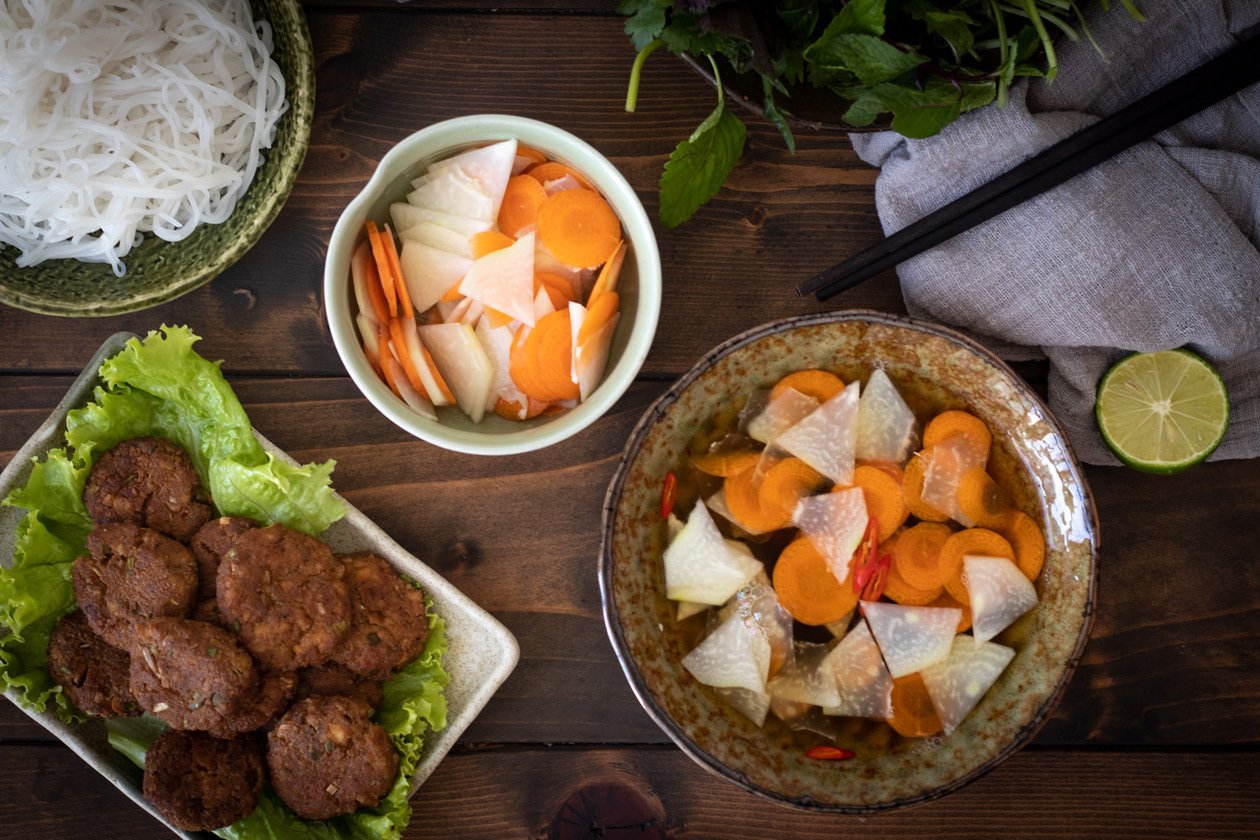
Bun dau mam tom (rice noodles with fried tofu and shrimp paste) has become a popular dish in many eateries from North to South Vietnam, but the most authentic and delicious version can only be found in Hanoi. A complete serving of bun dau mam tom today includes rice noodles, fried tofu, rice patties, fried spring rolls, pork offal, and pork leg meat. It is also served with various vegetables such as cucumber, fresh herbs, and perilla leaves.
The soul of this dish lies in the shrimp paste. Delicious shrimp paste enhances the flavor of the dish and creates an explosion of taste sensations. Hot oil is poured over the shrimp paste, then lime juice, chili peppers, and a touch of sugar are added, and it's whisked until fluffy with chopsticks. Dipping each ingredient in the shrimp paste and eating it with cucumber slices and fresh vegetables creates a delightful blend of flavors that will leave diners captivated.
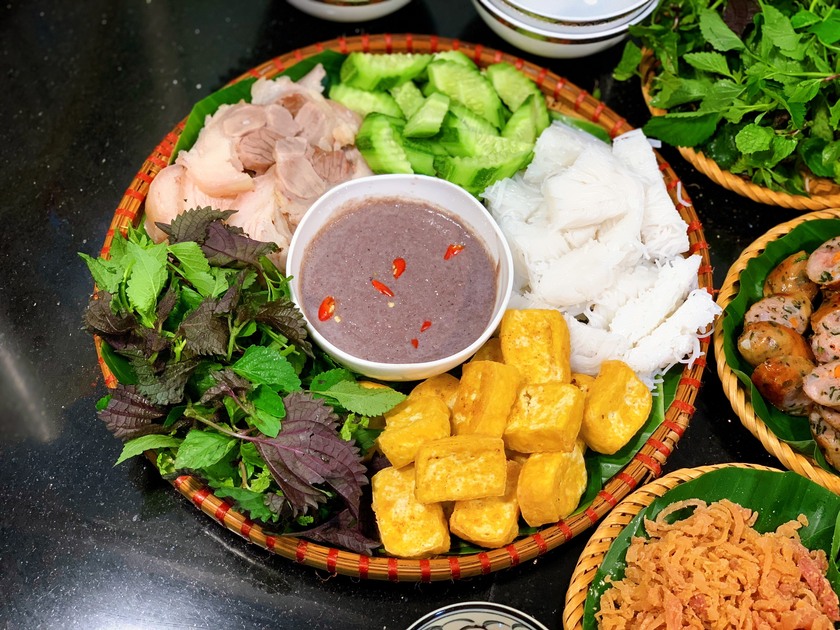
For the most authentic and delicious bun dau mam tom (vermicelli with tofu and shrimp paste), you can only find it in Hanoi.
Bun thang
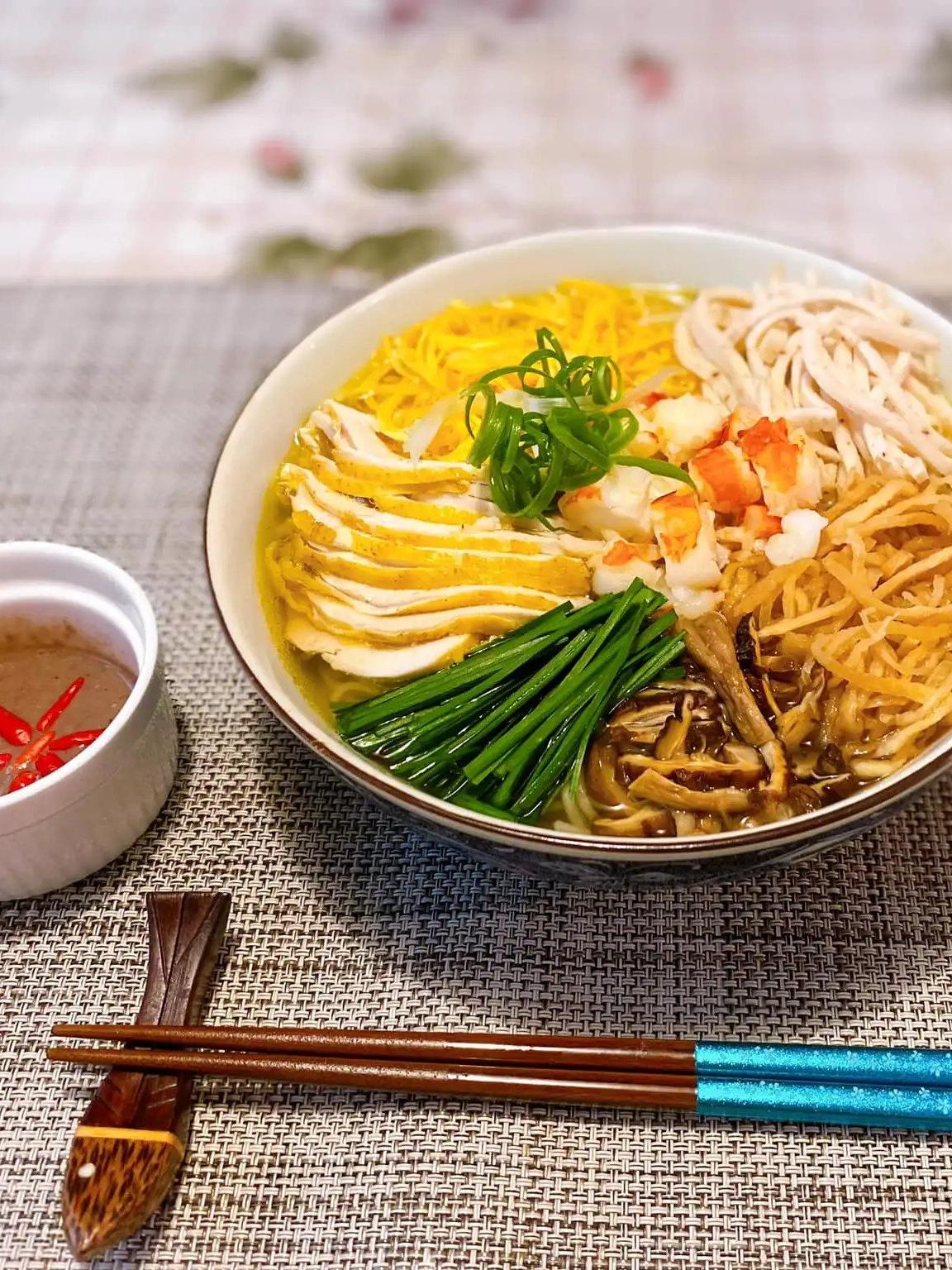
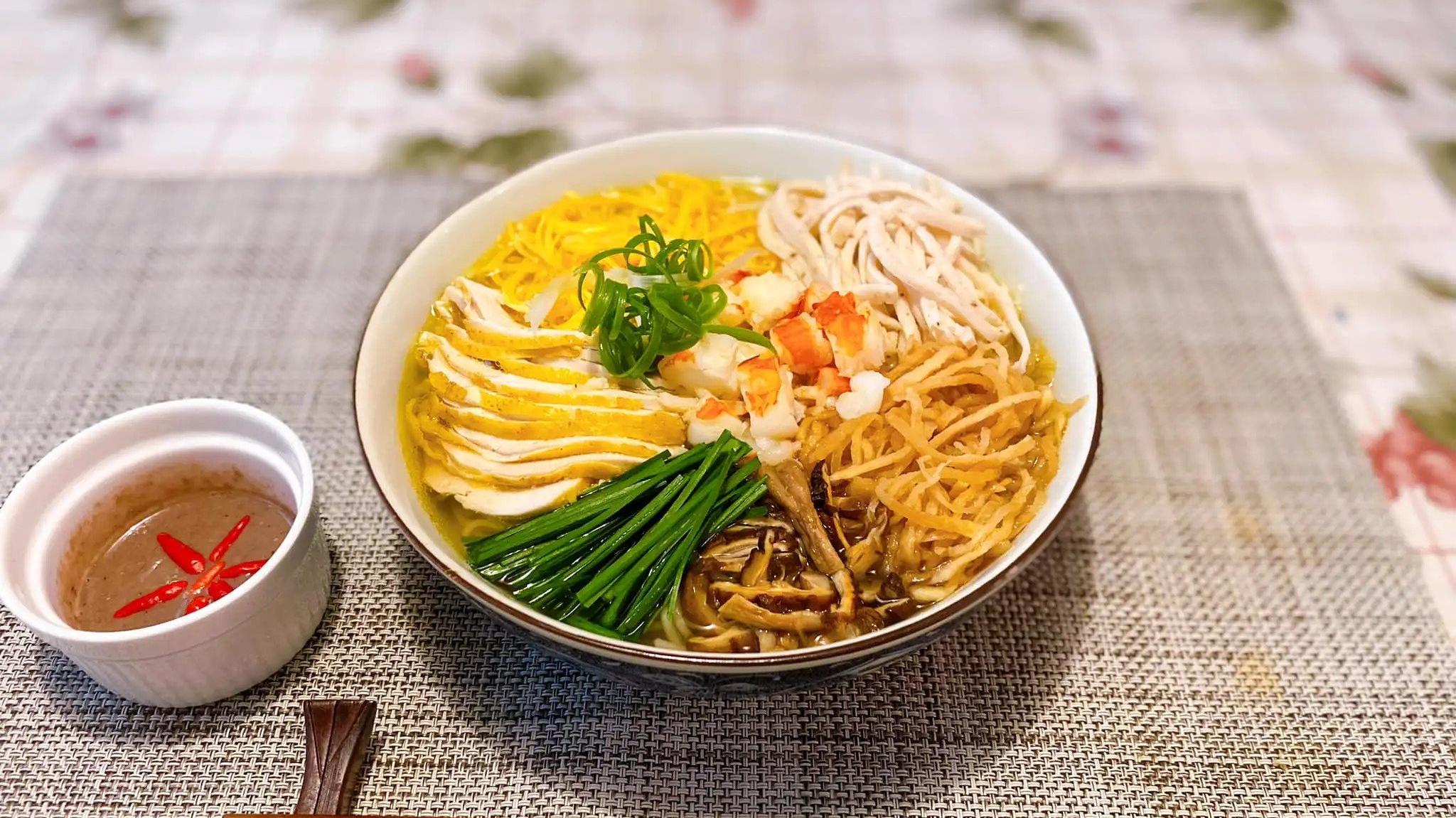
Bun thang is known as a long-standing, authentic Hanoi specialty. Hanoians skillfully transformed leftover food from the Lunar New Year into an elaborate and refined noodle dish. Regarding the meaning of the name, many believe it originates from the way the ingredients are presented in the bowl, resembling the way medicinal herbs are prepared in traditional Eastern medicine. In reality, according to culinary researchers, "thang" in Chinese means soup, so bun thang means noodles served with soup. The broth of bun thang is clear and subtly sweet, simmered from shrimp, pork bones, or chicken bones.

The dish consists of many ingredients such as rice noodles, shredded chicken, fried egg, sliced pork sausage, shredded shiitake mushrooms, dried shrimp paste, pickled radish, salted egg... arranged separately in corners of the bowl to create visually appealing color patterns. When enjoying, diners often add coriander, mint, scallions, garlic chili vinegar, and a little shrimp paste.
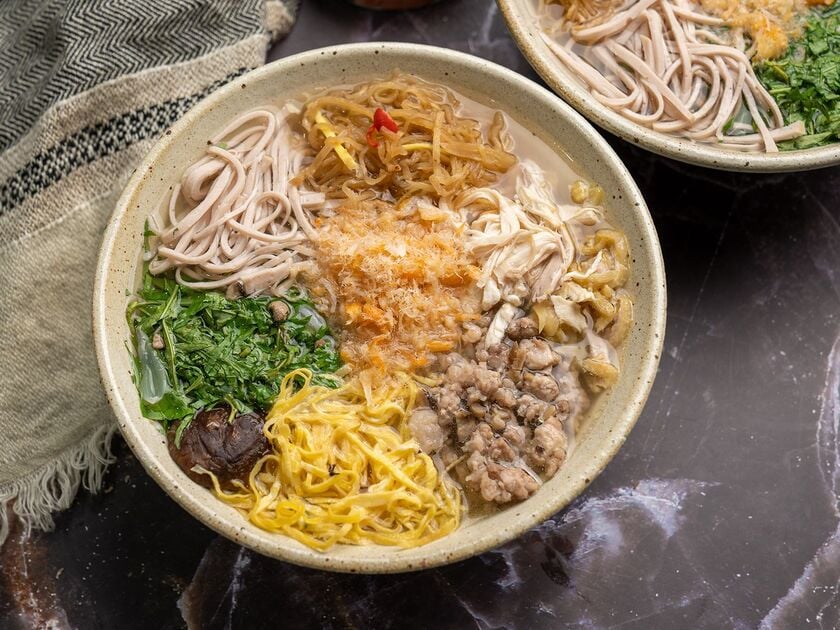
Bun thang is known as a long-standing, authentic specialty of Hanoi.
Snail noodle soup
In Hanoi, snail noodle soup comes in many variations, such as hot or cold, served with dipping sauce or broth, but they all share the common features of crunchy snails and a distinctive tangy broth. This dish isn't overly complicated; it simply consists of plump, crunchy snails, a clear, flavorful broth, and a touch of fragrant fermented vinegar.
Snail noodle soup typically uses large snails that are boiled until just cooked, resulting in a chewy, crunchy texture and a rich, fatty flavor. Hot snail noodle soup uses thin rice noodles, while cold snail noodle soup uses flat rice noodles. Diners add chili paste, shrimp paste, and various fresh vegetables. Nowadays, snail noodle soup has been "modified" with toppings such as fried tofu, pork ear rolls, and pork sausage.
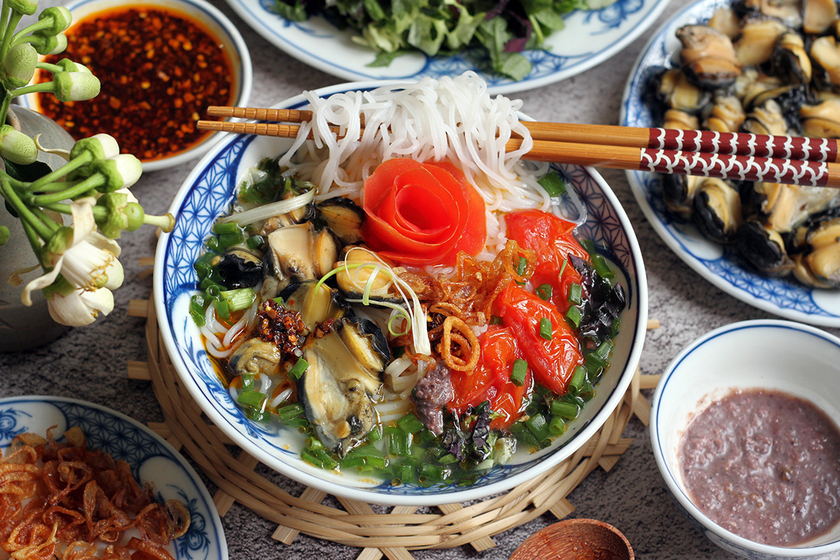
In Hanoi, snail noodle soup comes in many different variations.
Bun moc (rice noodle soup with meatballs)
Many believe that the name "bun moc" (vermicelli with meatballs) originates from Moc village, now Nhan Chinh (Thanh Xuan district, Hanoi). However, others think that "moc" refers to the meatballs of raw pork sausage added to the vermicelli soup, and that it is associated with the sausage-making profession in Hanoi.
A truly authentic bowl of bun moc (vermicelli soup with meatballs) features meatballs that are crispy, flavorful, and perfectly seasoned, made from finely ground pork paste with a natural pink color from the meat. To enhance the flavor, many places add shiitake mushrooms, wood ear mushrooms, minced meat, and pepper to the meatballs. Bun moc has many variations, such as those served with bamboo shoots or pork ribs, but the broth should always be clear and subtly sweet from the bones.
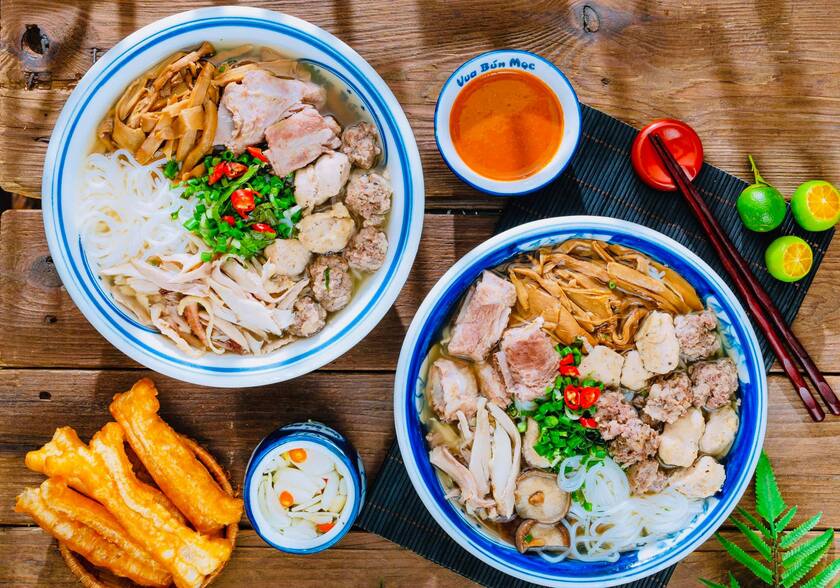
Bun moc (rice noodle soup with meatballs) is closely associated with the pork sausage-making tradition in Hanoi.
Bun bung
Bun bung is a popular street food in Hanoi. No one knows exactly when it first appeared, but in the 1990s, this noodle dish was sold on the sidewalks of the capital city.
This dish consists of rice noodles, a broth made from pork bones, served with pork trotters, pork ribs, meatballs, taro stems, tomatoes, etc. The meat filling is marinated with turmeric and simmered, making it both visually appealing and tender. The broth is slightly cloudy, rich in flavor from the meat and bones, with a delicious sour taste and a shimmering red and yellow film on top. Importantly, the spongy taro stems, infused with the sweet flavor of the long-simmered meat broth, are an essential component of this noodle soup.

Bun bung is a popular street food in Hanoi.