VI
VI


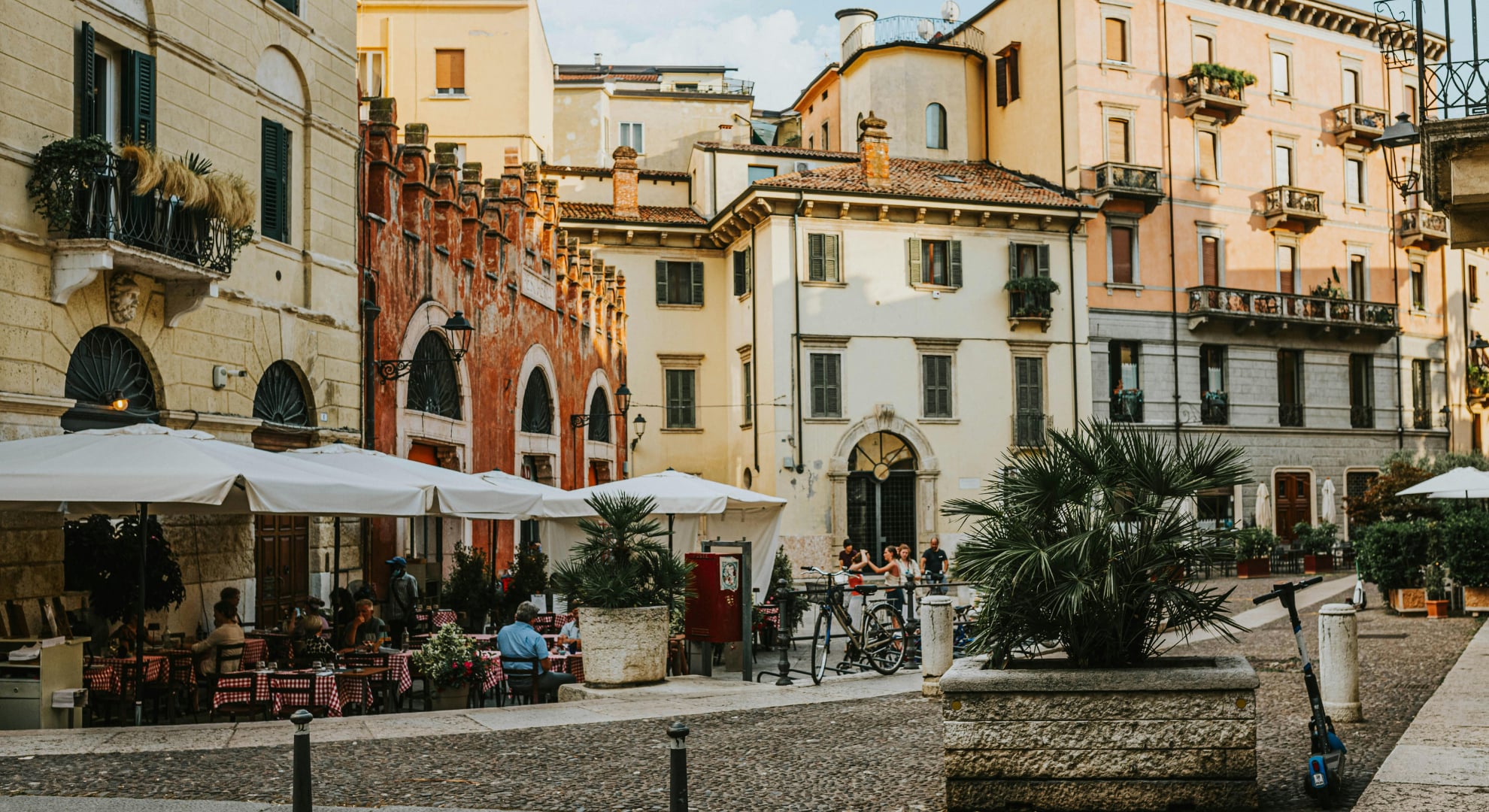
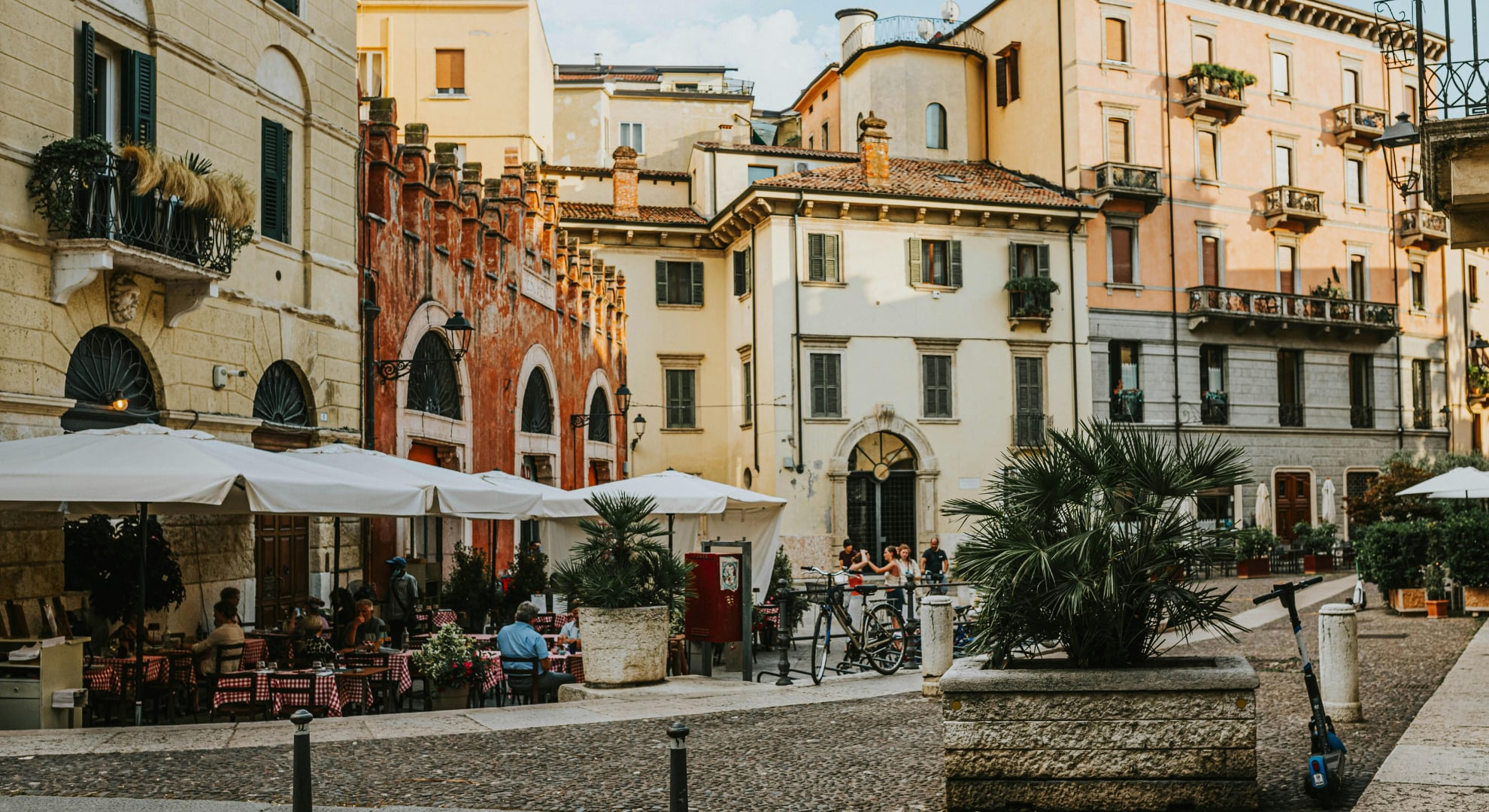
Many first-time visitors to Italy often encounter this situation without understanding why. They order a coffee with extra milk in the afternoon – something perfectly normal in Vietnam, the US, or most countries – but inadvertently violate one of the unspoken rules of Italian life.


It's worth noting that this rule doesn't stem from a fleeting preference or an administrative decision, but is rooted in Italian beliefs about nutrition, digestion, and how they structure their daily mealtimes.
Milk is food, not a drink.
According to culinary researcher Elizabeth Minchilli, who has lived and worked in Rome for many years, Italians don't consider milk just a regular beverage. For them, milk is a food with texture, energy, and weight – similar to a miniature snack.
Data from the Italian National Espresso Institute (INEI) clarifies this. A standard cappuccino consists of 25 ml of espresso and 100 ml of fresh whole milk, requiring a minimum fat content of 3.5%. Even though that amount of milk only fills about a third of the cup, it still contains enough protein, fat, and lactose to be considered a serving, not simply an additional liquid.
Therefore, drinking cappuccino at the beginning of the day with a cornetto (Italian croissant) makes for a complete breakfast – reasonable and nutritionally balanced. But drinking another cup in the afternoon, after a satisfying lunch of pasta, meat, and cheese, is considered introducing unnecessary food into the body.

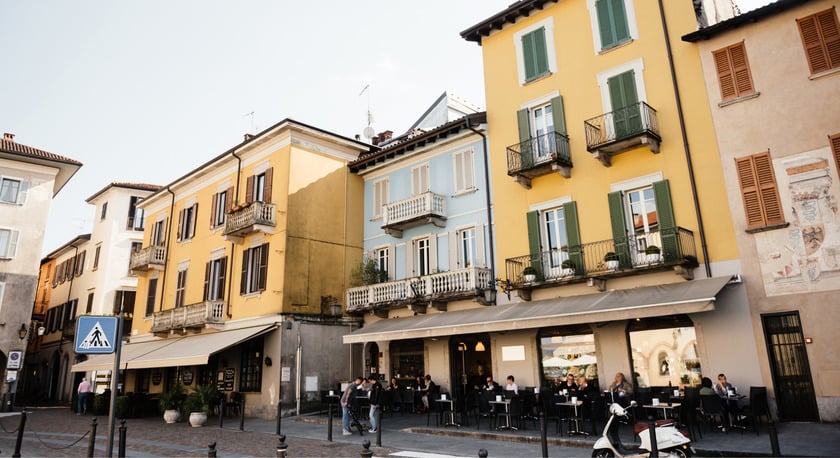
Many tourists visiting Italy are surprised to be refused service or receive a摇头 (shaking of the head) from local baristas if they order a latte in the afternoon.
Cappuccino or espresso, it's more than just a drink.
Italians believe that milk causes indigestion when the stomach is full, especially after a heavy meal of meat, cheese, or pasta. This isn't just a folk belief, but a deeply ingrained health concept in daily life, to the point that, as cultural observers note, digestion is a frequent topic on Italian television, not considered sensitive or delicate at all.
Italians believe that meals should be a philosophy of distinct flavor separation. Lunch and dinner are the space for savory dishes: pasta, grilled meats, fresh fish, cheese. All these flavors are layered throughout the meal. And when the meal ends, the goal is not "what to drink to quench thirst" but to retain or cleanse the aftertaste of what has just been enjoyed.
A bitter espresso without milk is considered to "perform the task" perfectly, creating a contrast that enhances the flavors of the meal just finished, while also aiding digestion. Conversely, a cappuccino with a thick layer of milk foam will coat the tongue with a creamy sweetness, erasing the entire aftertaste of the previous meal—something Italians consider a complete waste of the chef's hard work.
Interestingly, there's no written regulation governing this. It's a cultural norm passed down through generations, not a law or mandatory regulation from any organization. In cities that attract a large number of international visitors, such as Rome, Florence, or Venice, most cafes serve cappuccino at any time of day without objection. Ordering a cup in the afternoon won't get you asked to leave, but it will clearly mark you as a foreigner in the eyes of the locals.
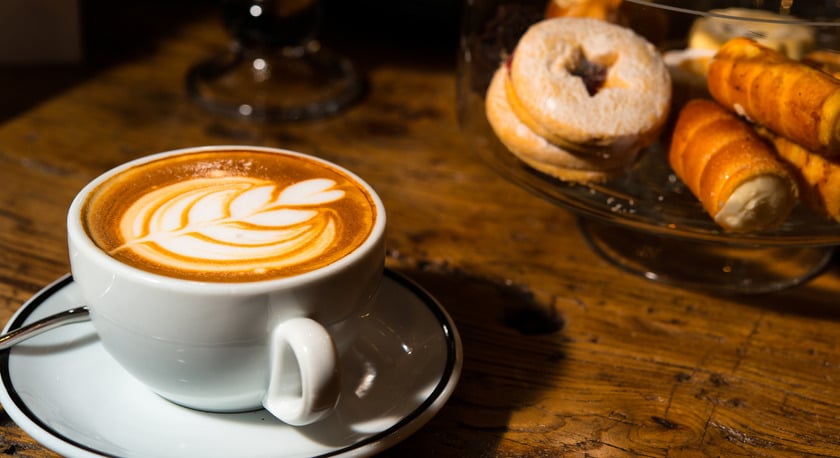
According to Huffpost, milk is not a beverage but a standalone food, containing energy and having a distinct texture.
Younger generations of Italians are also becoming more flexible with this rule, especially in large cities influenced by international coffee culture. But in traditional bars in small towns, where baristas have been behind the counter for forty or fifty years, the story is entirely different.
Anna Possi, 101, owner of Bar Centrale in the village of Nebbiuno, northern Italy, is the oldest barista in the country and has been in the profession since 1958. She still serves cappuccino to tourists at any time of day. But her stance isn't necessarily to reject rules, but rather to respect individual choices. What she really emphasizes is food pairing: one shouldn't drink coffee immediately after lunch on a full stomach, and one shouldn't mix cappuccino with orange juice, as that's something the stomach really can't handle.
That's how Italians have been drinking coffee for over a century. And perhaps that's why an espresso in Rome at 2 p.m. can leave a longer-lasting aftertaste than any cappuccino you've ever had.