VI
VI


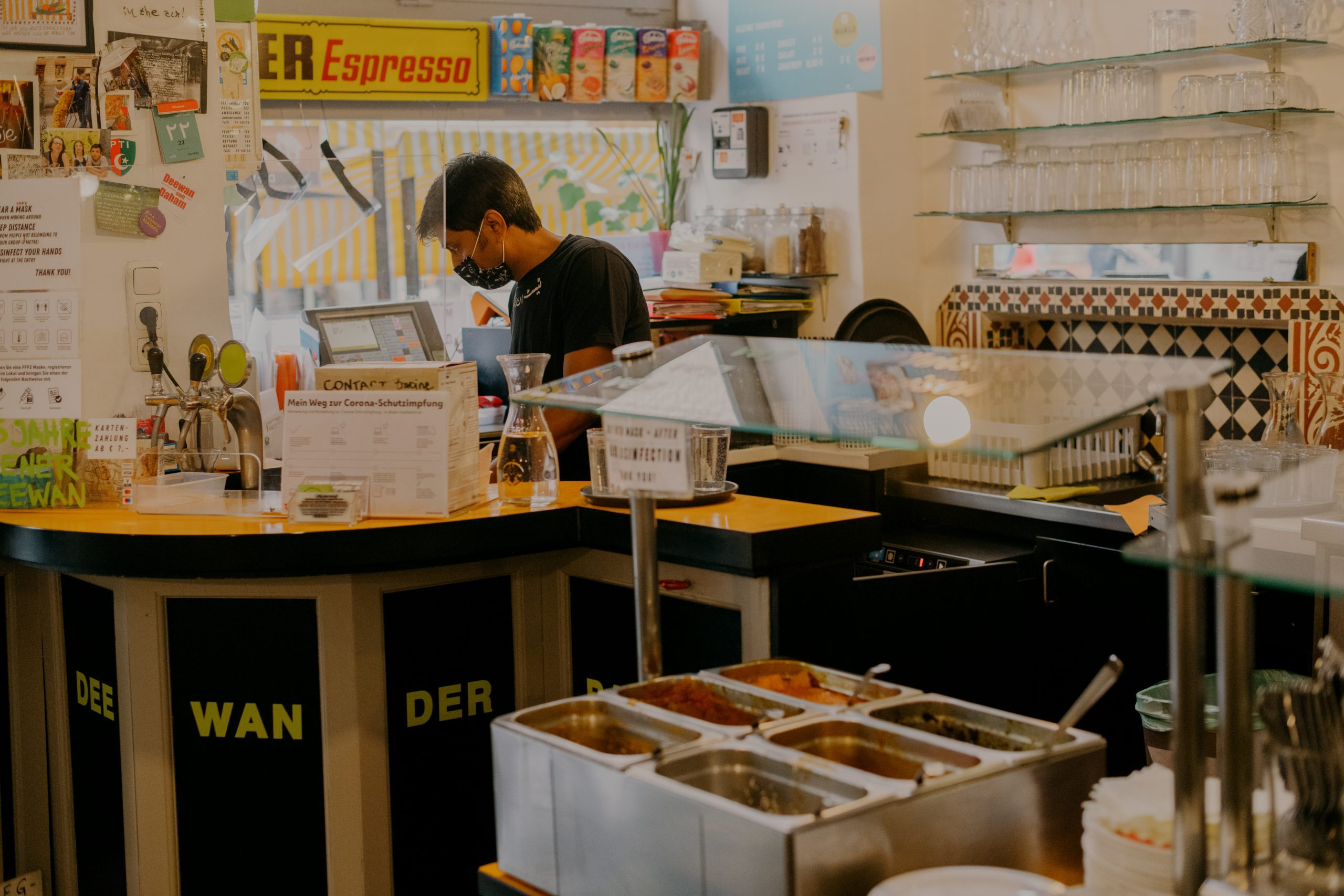

Der Wiener Deewan restaurant doesn't set prices for its food; instead, it operates on the principle of "eat as much as you want, pay as much as you want."
Customers get to decide the quality of the food and how much value they value in their dining experience. Restaurant owners, on the other hand, choose to trust their customers, letting them decide how much the meal at their restaurant is worth.
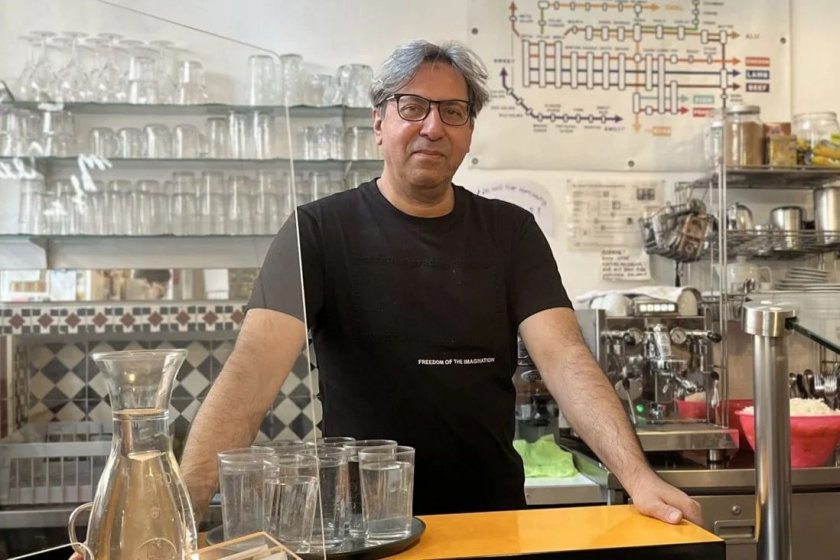
Afzaal Deewa, the owner of Der Wiener Deewan restaurant.
Ranjeet Saha, a Bangladeshi immigrant who has worked at Deewan for five years as a cashier and cleaner, shared: "We don't ask customers to pay a specific amount. We just suggest they pay a reasonable amount. The food consists of 5-6 curry dishes, rice, salad, some traditional Pakistani dishes, and dessert. Wine, juice, and other drinks are sold at listed prices."
At 10 PM each day, as the restaurant prepares to close, volunteers from a refugee support organization come to collect leftover food. The restaurant then cooks fresh meals to serve customers the following day. Before Covid-19, the restaurant served 500-600 customers daily. Now, that number has dropped by half.
The restaurant was founded in 2005 by Afzaal Deewan, 58, a Pakistani immigrant. Deewan arrived in Austria at the age of 40, alone and without family. Upon his arrival, he found eating out too expensive, beyond the reach of immigrants.

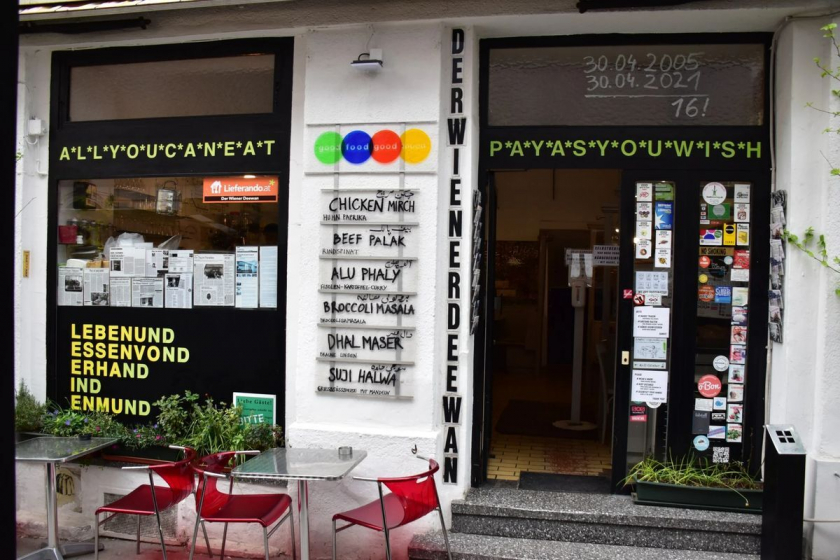
"Eat whatever you want, pay whatever you want" is the motto of Der Wiener Deewan, a Pakistani restaurant in Vienna, Austria.
One day, volunteers from a non-governmental organization whose office was located in the building where Deewan lived asked him if he knew how to cook Pakistani food. The man nodded and was asked to cook for a party. "Everyone loved my cooking. I thought about doing something related to it in the long term." That's when the idea of opening a restaurant was born.
Initially, the restaurant operated on a trial basis, serving a maximum of 75 customers at a time. The idea, introduced at the time, was considered risky, allowing customers to eat as much as they could and decide how much to pay. "We were really lucky. Austrians are very honest, and that helped us survive for 17 years," the owner said.
His clientele is diverse, ranging from students and refugees to politicians and even ministers. But according to the owner, customers mainly fall into two groups: the generous and the needy. The generous always pay more than the actual value of the meal. The needy pay according to their means, sometimes even for free if they say they have no money.
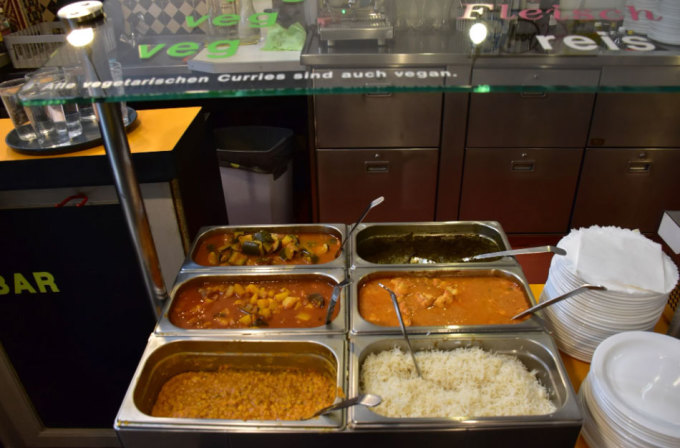
The restaurant serves all Pakistani food. They don't reuse old dishes; all the food is freshly cooked every day.
Andrea, a regular customer at the restaurant, said that even though he only ate a little, he still paid extra. "That's because when I was struggling and didn't have money, I came to this restaurant. I ate until I was full, and they accepted that I only gave them a small amount of money. So, this is my way of showing my gratitude."
With this principle in mind, Der Wiener Deewan, which opened in 2005, has survived and thrived. Currently, Deewan has opened two more branches in Vienna. However, the owner says that the expansion of the business is not about making more money.
Der Wiener Deewan isn't the only restaurant in the world that serves food this way. Other examples include Pay As You Please in Ireland, the Lentil As Anything chain in Australia, and Seva Cafe in India.
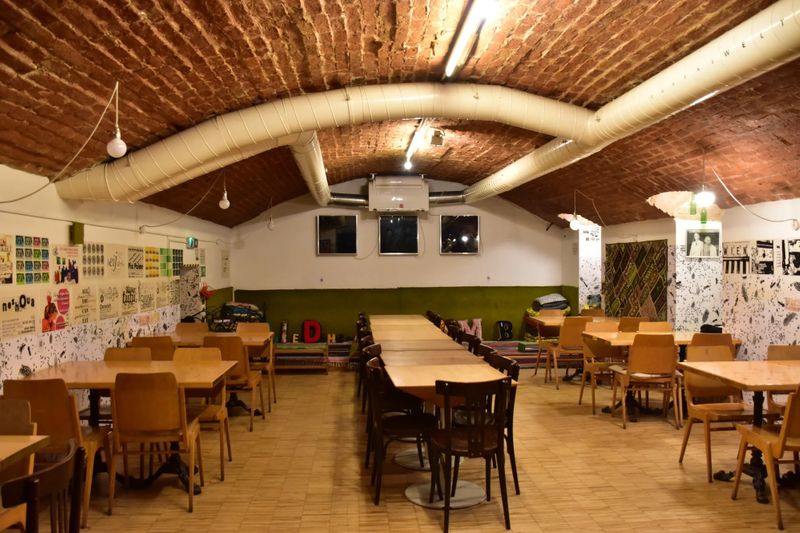
Dining area of Der Wiener Deewan
"Our goal is to introduce people to new flavors because when I came here, nobody knew what Pakistani food was like. Moreover, immigrants like me find it difficult to eat at restaurants because of the high prices. So, I want to bridge the gap," said Afzaal Deewan.