VI
VI




On the pedestrian street in the center of Hoi An, there is a house at 68 Tran Phu Street that is in a state of irreparable damage. Outwardly, this old house blends in with the moss-covered, ancient surroundings. But inside, the scene is dilapidated, rotten, and decaying.


Due to their age, these centuries-old houses, valued at tens of billions of dong and located in the most prime location in Hoi An, are in a state where they can no longer be salvaged or restored. Because these houses are national historical relics, any modifications or repairs require permission from the relevant authorities. The houses are so dilapidated that they could collapse at any moment, yet many residents still live there despite the risks.
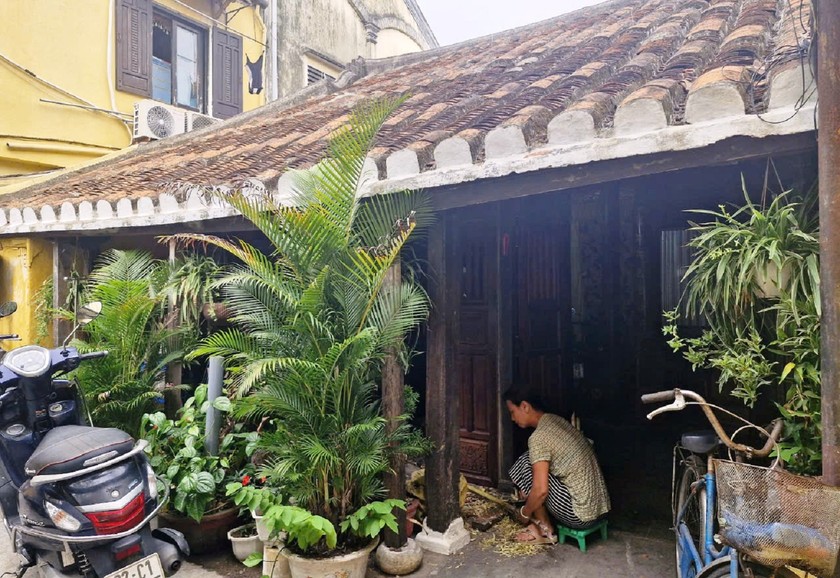
Living in constant fear in dilapidated old houses.
According to several surveys, 36 out of more than 1,000 historical residential buildings are in a state of disrepair. Of these, 10 are severely dilapidated, 17 are heavily dilapidated, and 9 are slightly dilapidated. It is estimated that restoring this house would cost at least billions of dong, with the government providing 40-60% of the cost, and the homeowner contributing the remainder. However, due to difficult economic circumstances, the family cannot afford this additional contribution and is temporarily living in the current condition. Besides Tran Phu Street, there are other old houses in a similar precarious situation, such as those on Le Loi Street, Bach Dang Street, and the Ngu Bang Assembly Hall…

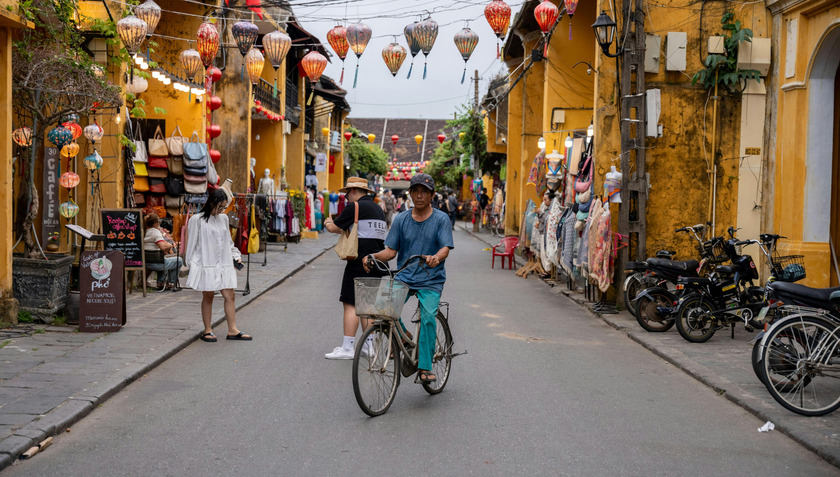
According to the survey, out of more than 1,000 residential buildings, 36 have deteriorated. Specifically, 10 buildings are severely dilapidated, 17 are heavily dilapidated, and 9 are slightly dilapidated.
According to the Director of the Hoi An Cultural Heritage Conservation Management Center, in line with the 2024 flood and storm prevention plan for historical sites in the ancient town, the center recently coordinated with local authorities and heritage conservation collaborators to review dilapidated historical sites in the ancient town.
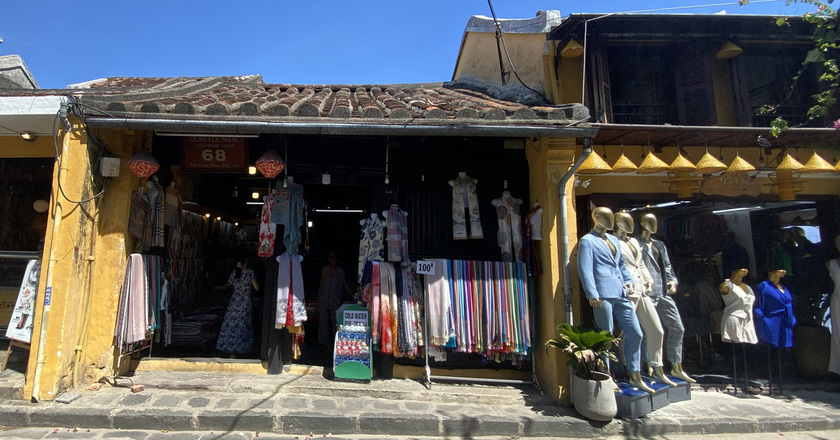
For privately owned historical houses, in addition to government funding for restoration, if the homeowner faces financial difficulties and cannot afford the remaining amount, the government will provide a loan with no interest for the first three years.
However, the demolition cannot proceed yet because they have not been able to work with the legal representative. Due to the severe damage to the house, during major storms like the recent Typhoon Tra Mi, the residents of this old house have been urged by the authorities to relocate.
The Chairman of the People's Committee of Hoi An city stated that currently, state-owned historical sites are funded by the budget for restoration. For privately owned sites, the State provides 45-75% of the funding, with the remaining amount contributed by the site owner.