VI
VI


Fascinating. Magnificent. Massive. Incredible. Unprecedented.
These are the words that have appeared on social media to express what people in Jalandhar district, Punjab state, India, are feeling.
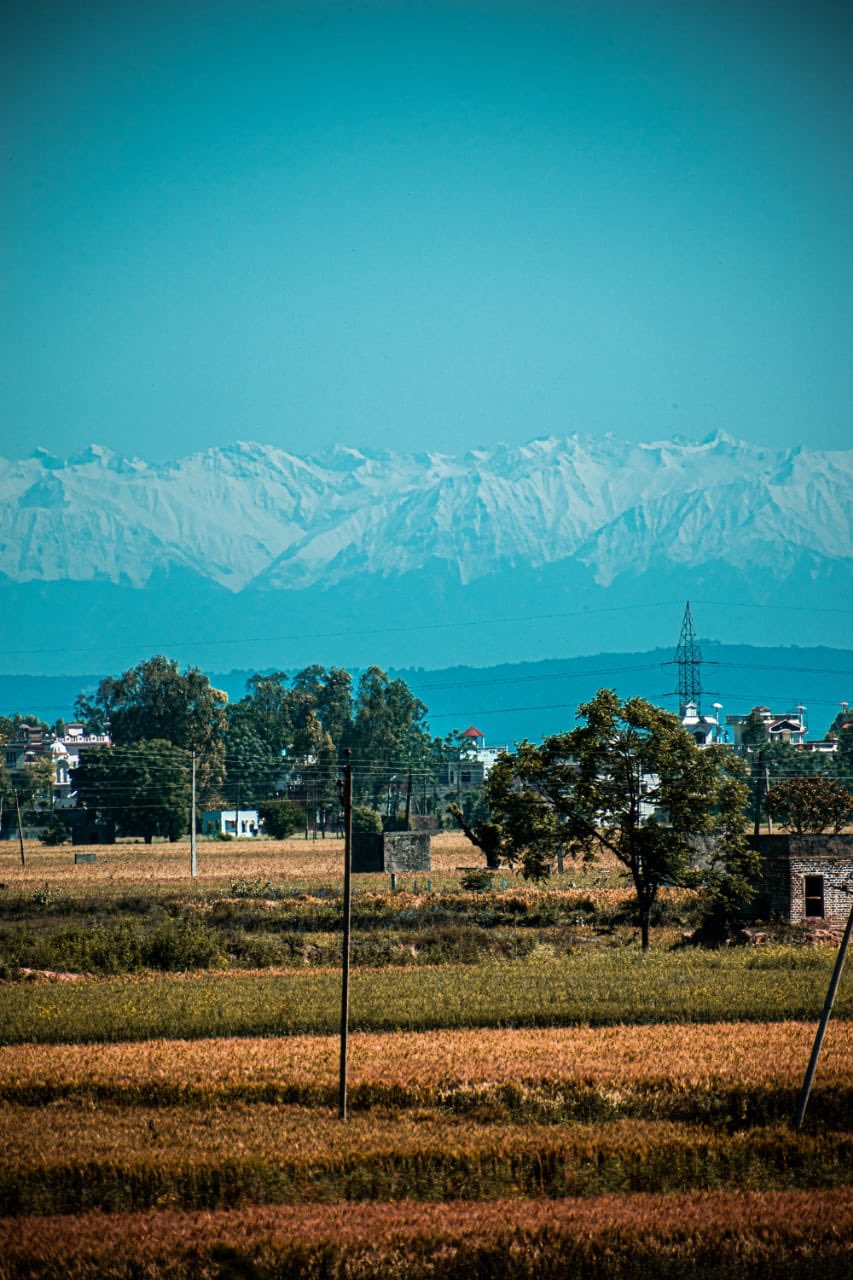
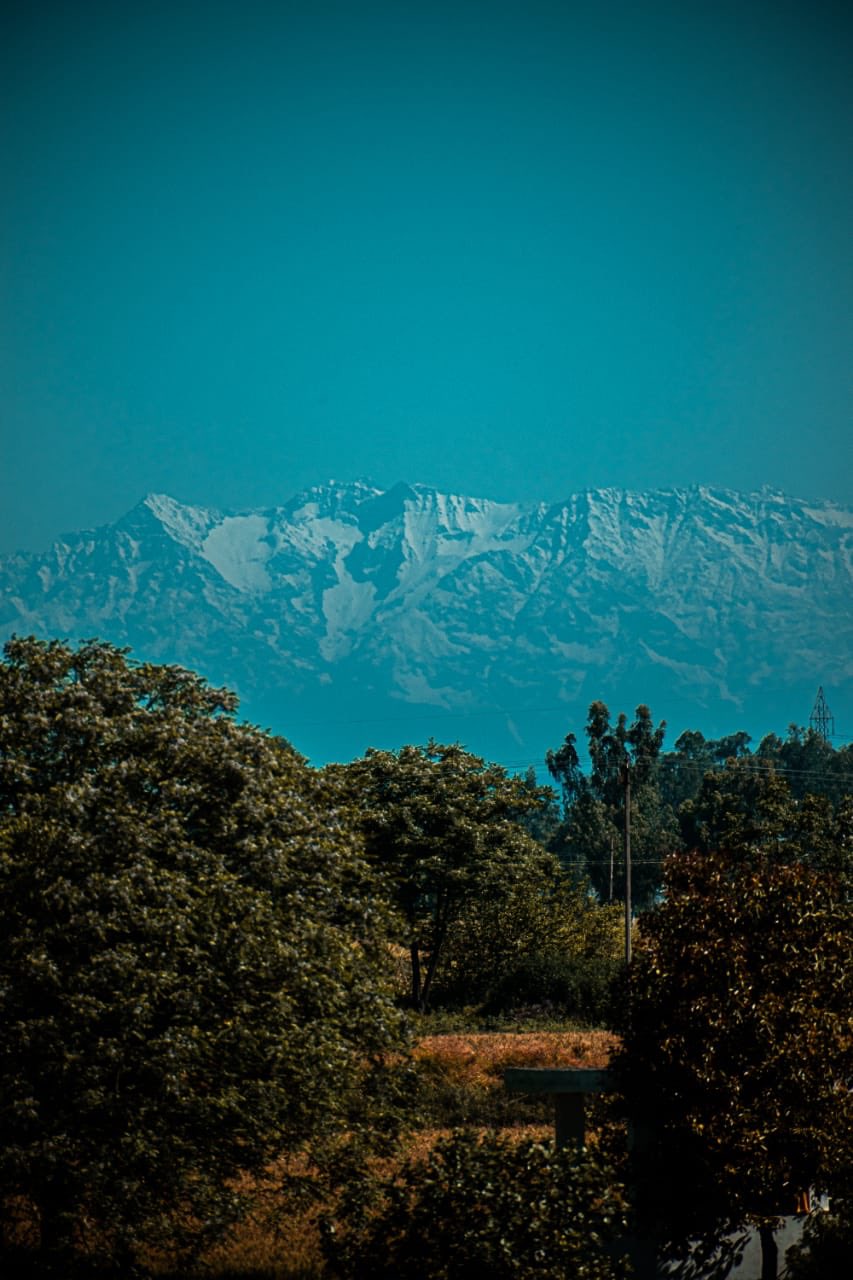
Balbir Singh Seechewal, an environmental activist in Punjab, said he had never seen anything like it. "We can see the snow-capped mountains from our rooftops. And not only that, we can also stargaze at night," Seechewal said.
Former Indian cricket player Harbhajan Singh also said it was an unprecedented experience. "I've never seen Mount Dhauladhar from my rooftop in Jalandhar. Never imagined this was possible. This is a clear sign of the impact of the environmental pollution we've caused on the earth," Singh posted on Twitter.

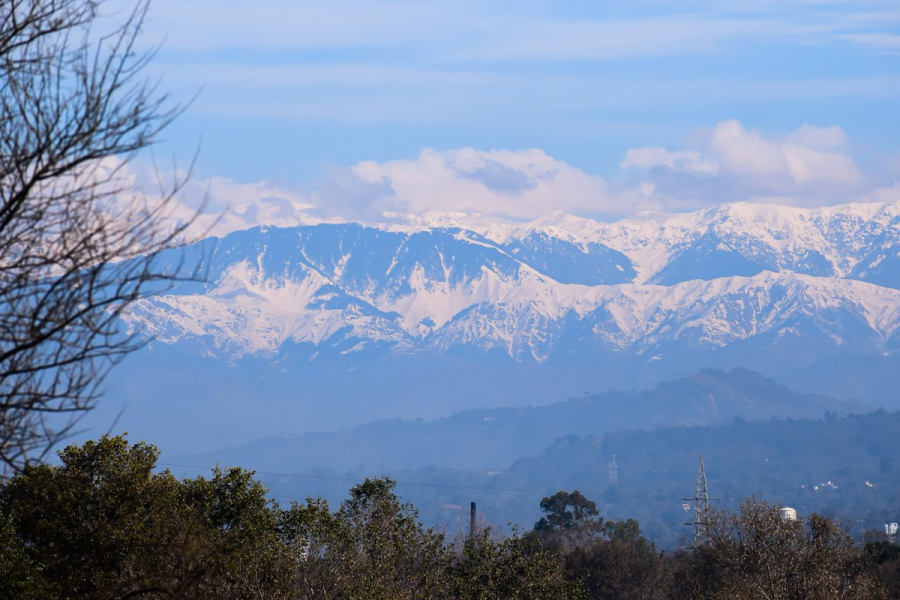
Images of the snow-covered Himalayas are being widely shared on Indian social media.
India, a country of nearly 1.4 billion people, has been under lockdown to curb the COVID-19 pandemic since March 22nd. Not only public transport, but most industries have also ceased operations. This has helped bring pollution levels down to incredibly low levels. The Central Pollution Commission of India stated that air quality in the country has improved significantly.
In Delhi alone, the PM10 index on March 23rd decreased by as much as 44% compared to the previous day. According to the Data Intelligence Unit of India Today (DIU), from March 16th to 27th, the air quality index improved by an average of 33% nationwide.
Online data shows that, on average, Indian cities had an AQI of 115 between March 16-24. Air quality began to show improvement from the first day of the 21-day lockdown. The average AQI dropped to 75 during the first three days of the lockdown, according to reports.
The World Health Organization states that the safe limit for air quality is when PM2.5 fine particulate matter levels are below 20 mg/m³.3India often records PM2.5 levels higher than 100 mg/m³.3, five times the safe limit.
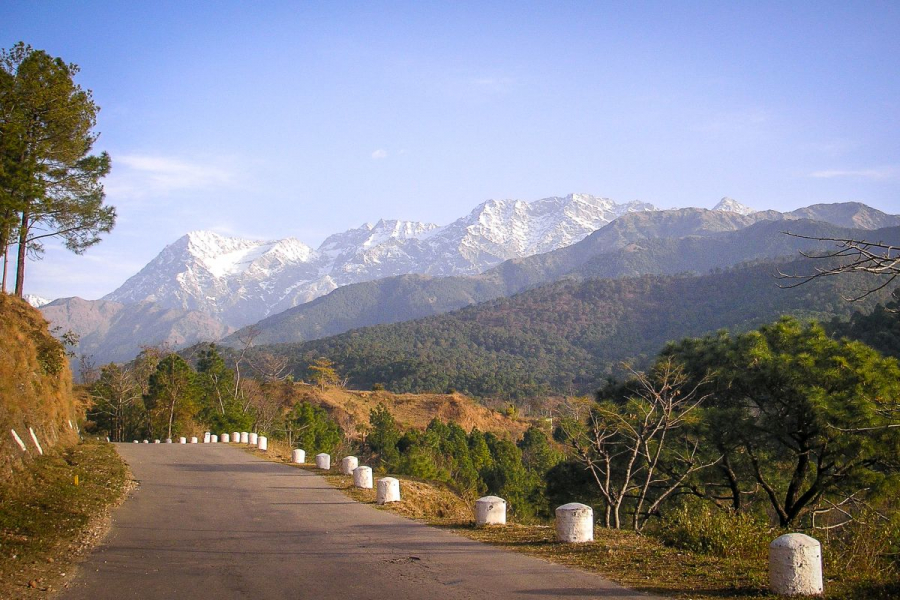
Pollution levels in India have dropped to incredibly low levels.
The closure of businesses and all community activities to prevent the Covid-19 pandemic also led to a decrease in NO levels.2It causes pollution worldwide, according to observations by the European Union Space Agency (ESA) and data from the Copernicus Sentinel-5P satellite.
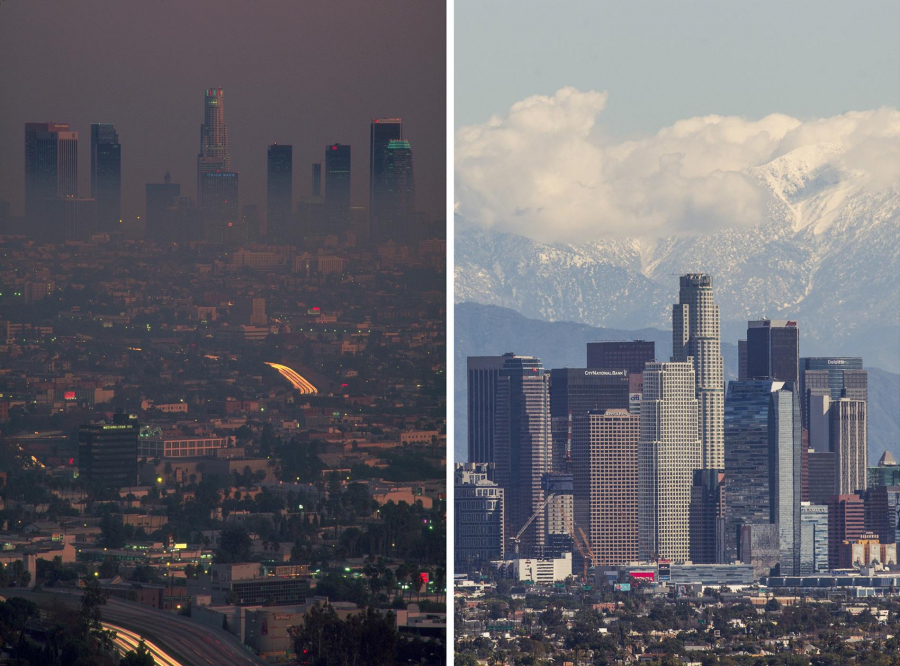
The skies above Los Angeles are cleaner and clearer as residents reduce their use of cars, machinery, and local production activities since March 23, 2020.






.jpg.jpg)