VI
VI


Located in the most remote and isolated region of Ladakh, India, the Zanskar Valley has long been known as one of the last strongholds of ancient Tibetan Buddhist culture. Isolated for centuries, the Zanskar Valley is surrounded by the towering peaks of the majestic Himalayas. The average height of the peaks in Zanskar is estimated at 3,600 meters, with the highest peak reaching 7,000 meters.
To get a sense of the beauty of this place, we invite you to admire the photo collection by Jigmat Laudup. He is a local with 12 years of experience as a tour guide and he could be a great companion if you want to visit Ladakh.
Valley of Peace
Zanskar is a sub-district of Kargil district, located in the eastern half of the Indian state of Jammu and Kashmir. Its administrative center is Padum. Zanskar, along with the neighboring Ladakh region, was briefly part of the Guge kingdom in western Tibet.

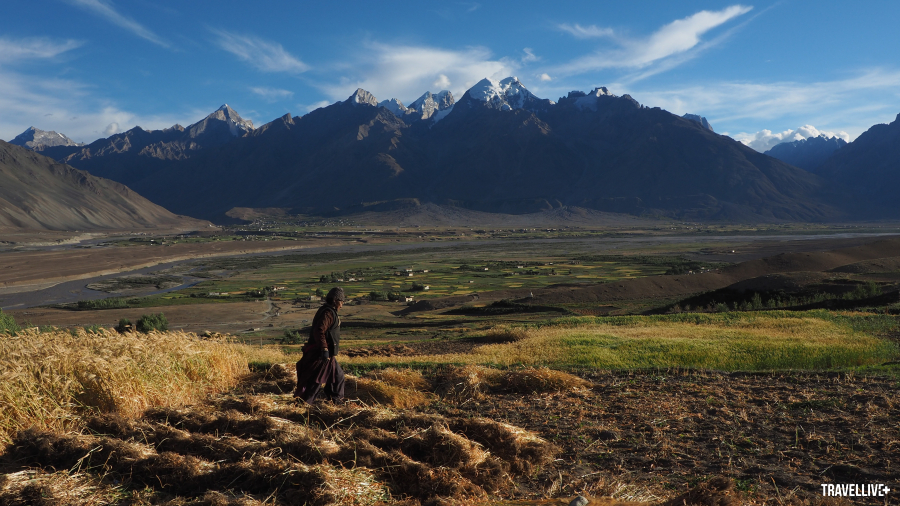
The vast natural landscapes of Zanskar
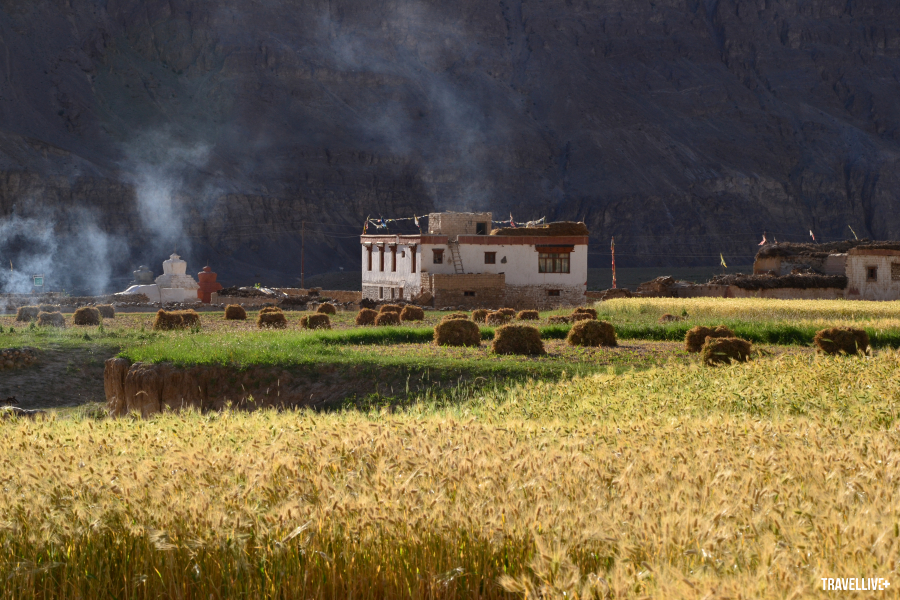
Zanskar in the golden season
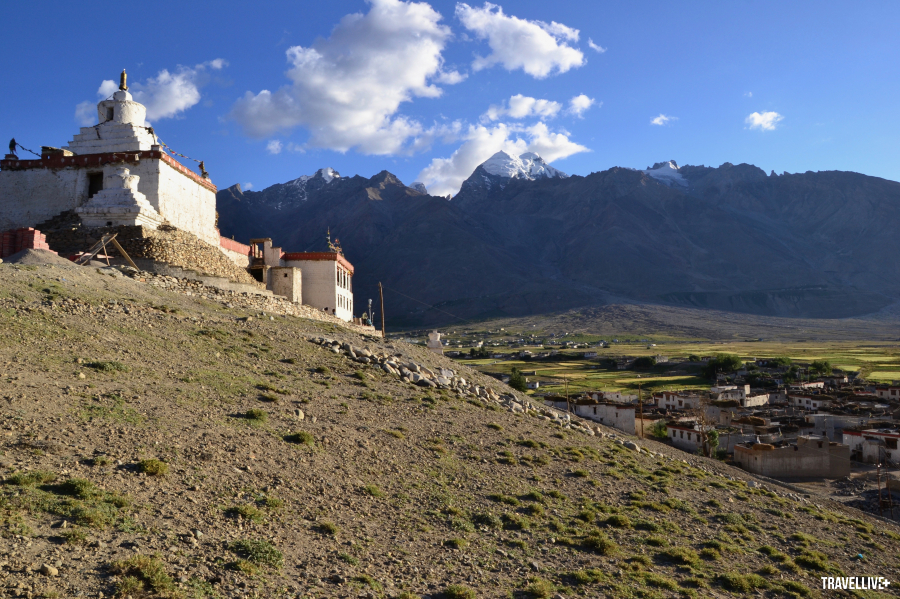
A house perched precariously on a mountain slope.
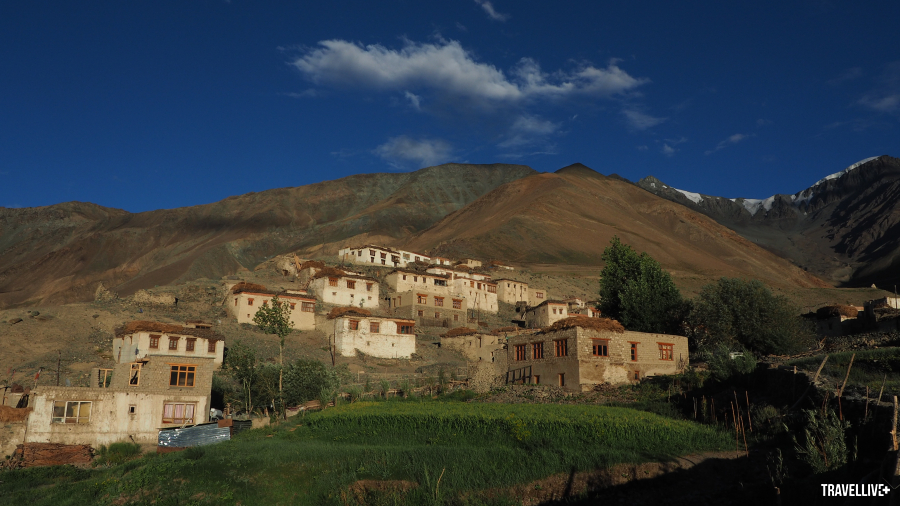
The houses are nestled among the mountains.
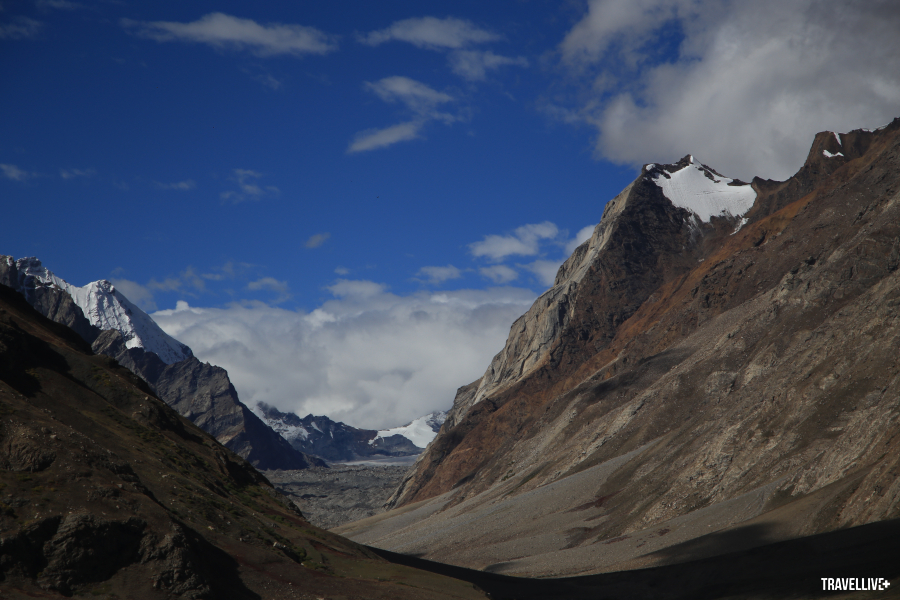
Clouds and mountains stretch endlessly.
This area is separated from Ladakh by the majestic Zanskar mountain range. Geologically, the Zanskar range, with an average altitude of 6,000 meters, is part of the Himalayas.
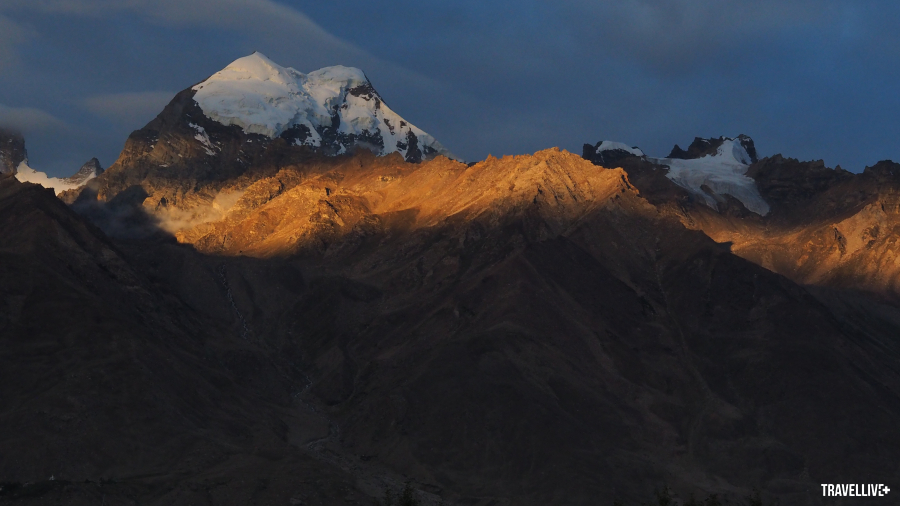
Sunlight shines across the high mountain ranges.
This mountain range acts as a climatic barrier protecting Ladakh and Zanskar from much of the monsoon, resulting in a pleasantly dry and warm climate in the summer.
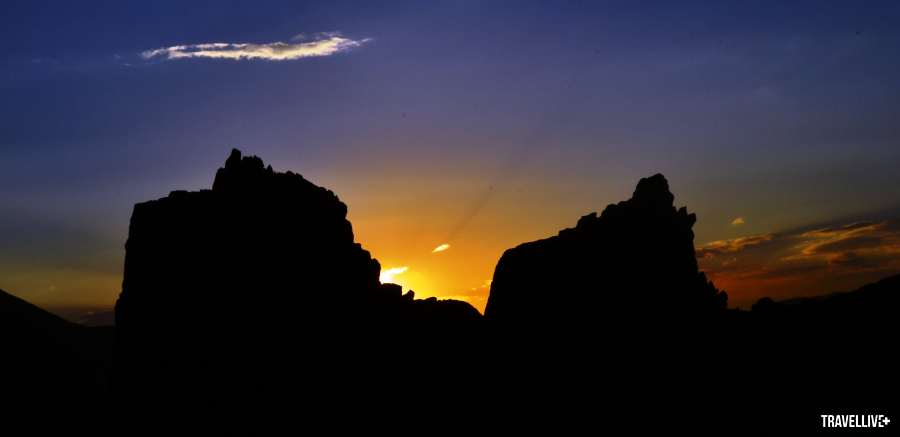
The sun rises from behind the rocky mountains.
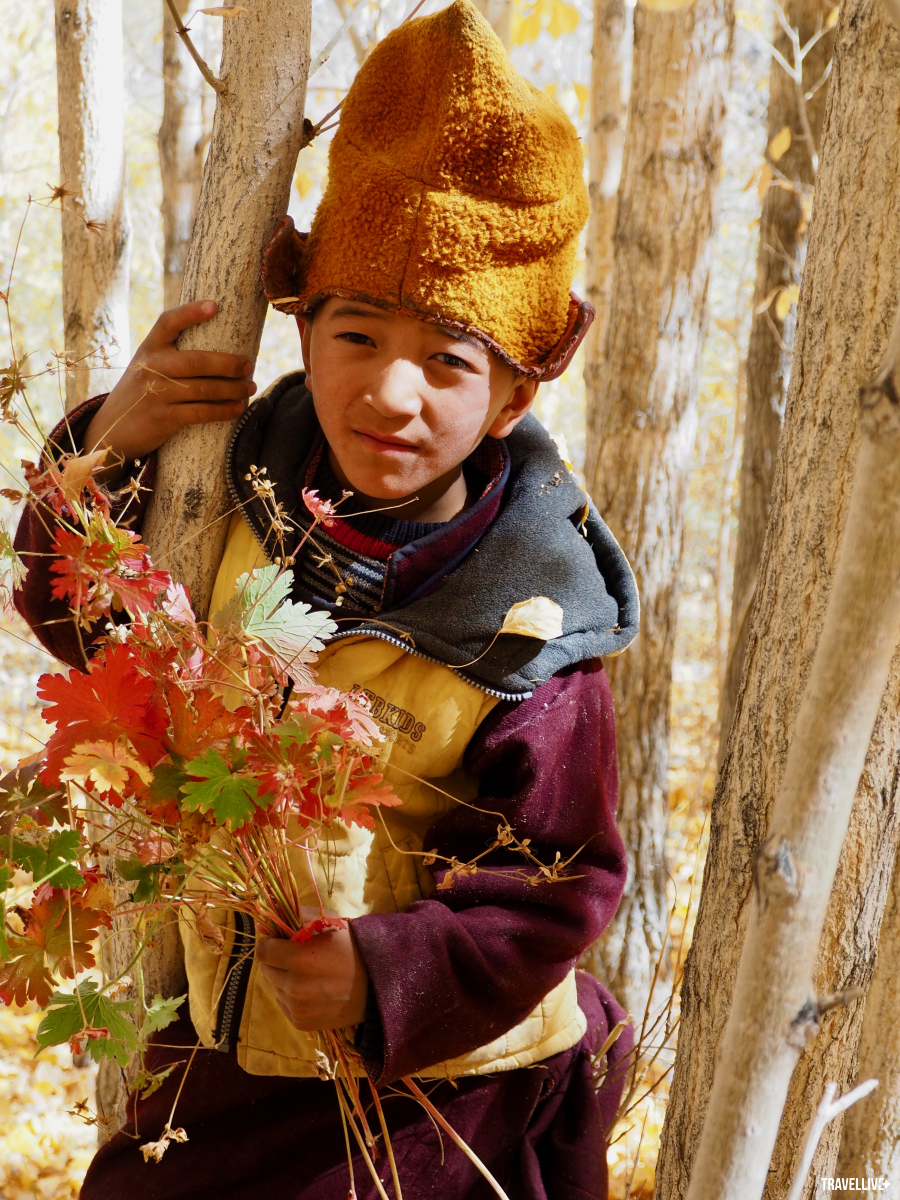
A baby in the autumn in Zanskar
Due to its isolated geographical location, Zanskar has a very small population, estimated at only around 14,000 people. However, 95% of its residents are Tibetan Buddhists, with the remainder following Sunni Islam.
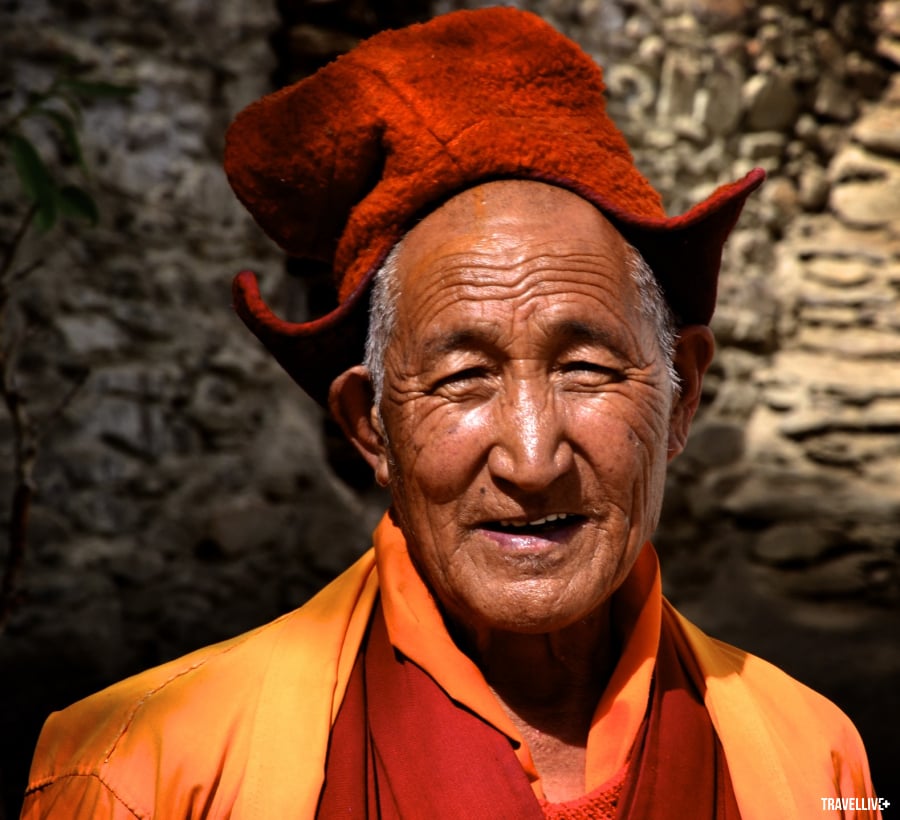
An elderly woman in Zanskar wearing traditional clothing.
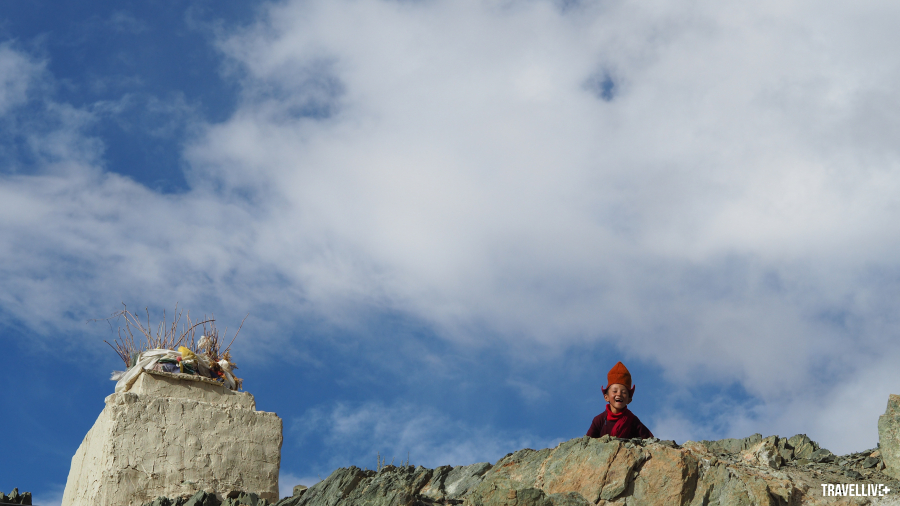
A radiant smile behind the rocky cliff.
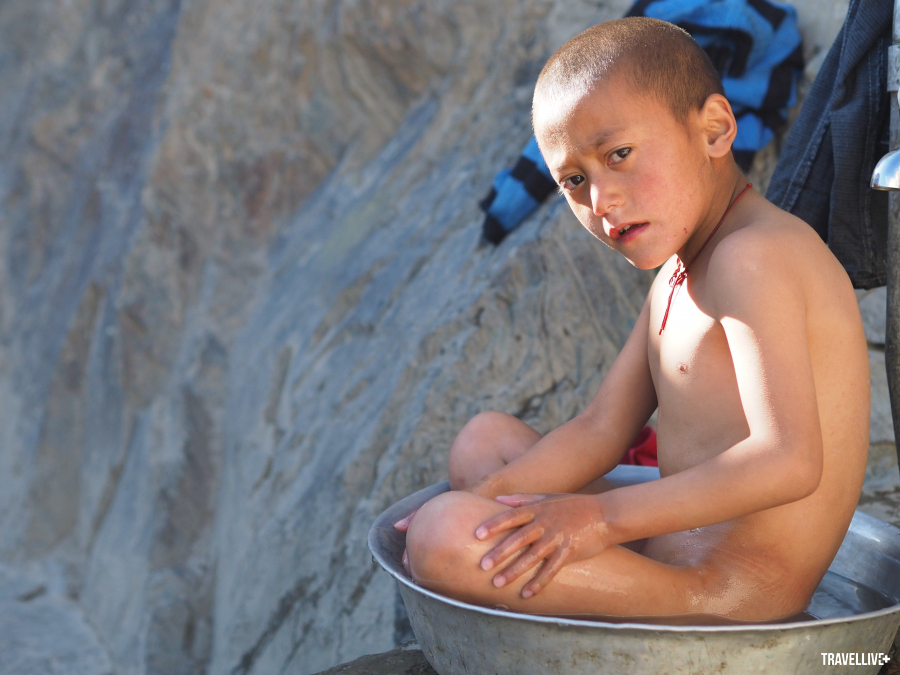
The bewildered expression of the boy from Zanskar.
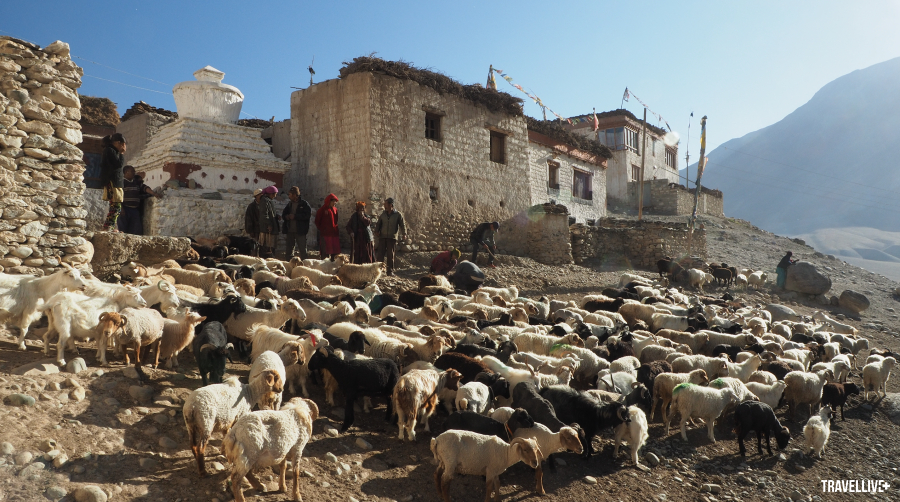
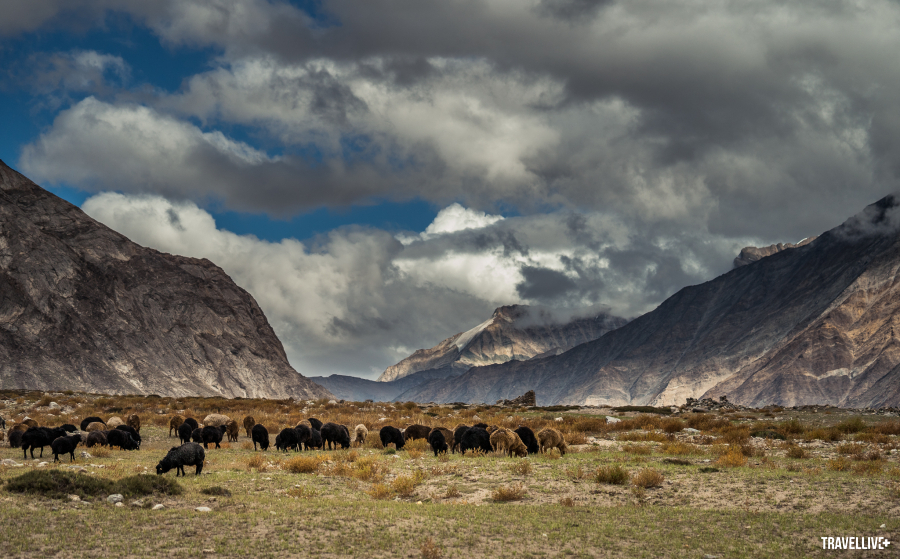
The main occupations of the people here are livestock farming and land cultivation. That is why when you come to Zanskar, the sight of herds of cattle roaming and grazing in the valleys is very common.
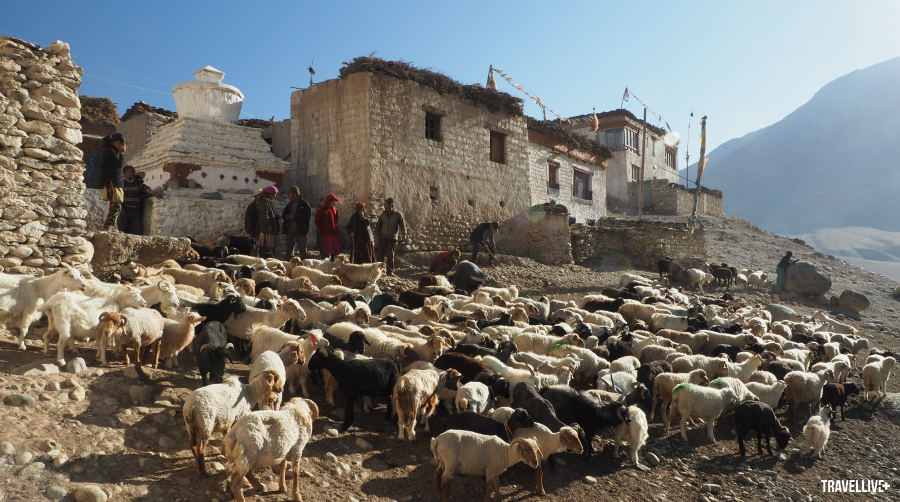
The sheep roam freely, a characteristic feature of the nomadic lifestyle.
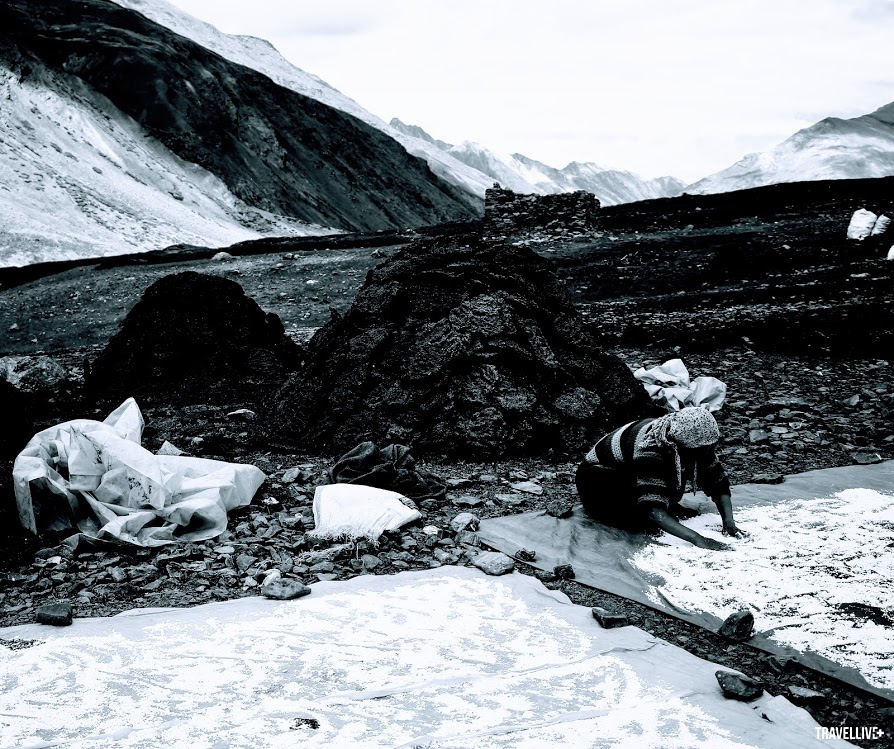
A farmer is working at the foot of the mountain.
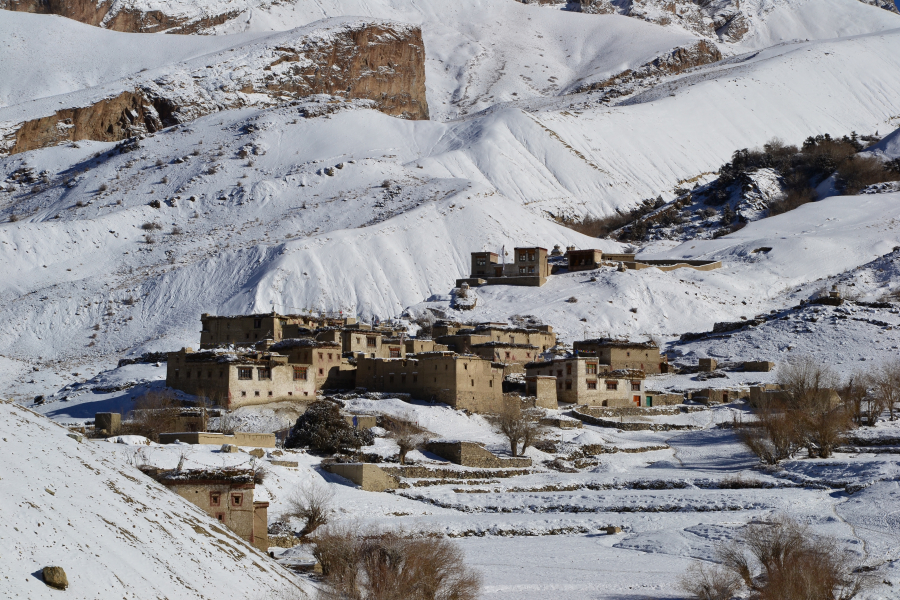
In winter, temperatures here can drop to -40 degrees Celsius.
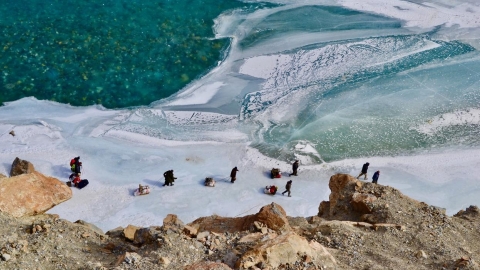
For the people of Zanskar, snowfalls are vital to their survival. When winter arrives, the rivers freeze over and only melt at the arrival of summer, becoming a precious source of irrigation water for the entire valley.
JIGMAT LUNDUP - HIMALAYA APERTURE TRAVEL
- Add: Zomdey complex, zangsti 194101
- Email: Jigmatlundup@gmail.com
- Mobile: +91-9469529676/ 9596999749