VI
VI




According to Insider, airline and hotel experts suggest that the ideal time to book accommodations and flights is in September and October. They also share tips for easier travel and reveal cost-saving strategies for winter travel, especially for international flights.
1. Tuesday is the best day to book tickets; avoid flying on weekends.
According to Laura Lindsay, Skyscanner's global travel expert, most airlines launch their discounts on Monday evenings, so you have a chance to find the best deals on Tuesday morning. Travelers can save 15-25% if they book on Tuesday.
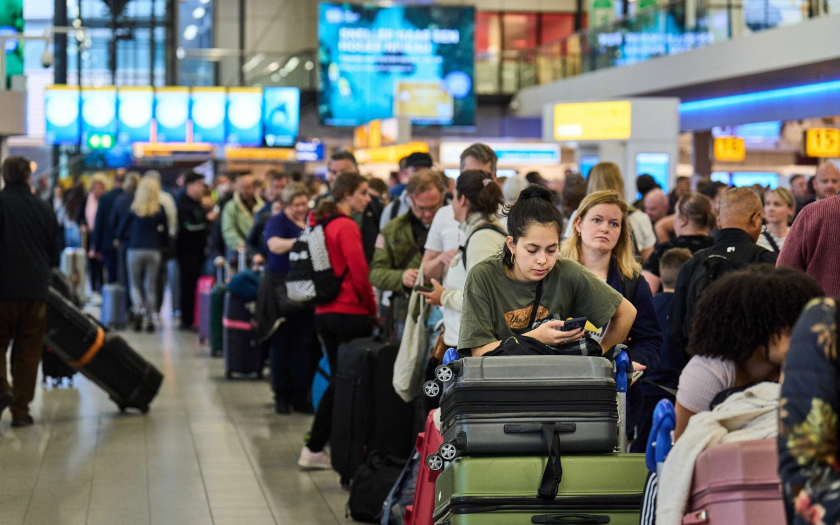
Flights departing during the week are usually cheaper than flights departing on Mondays, Fridays, and weekends.
"Set up price alerts to proactively track your desired route," added Laura Lindsay. "Ticket prices will fluctuate depending on the route. Additionally, airlines may add extra flights on busy routes, so prices will change accordingly."
2. Arrive at the airport early if you need to check in luggage.
If you have checked baggage, arrive early for inspection and ensure it is properly tagged. For domestic flights, you should arrive at the airport at least 2 hours before departure, and 3-4 hours for international flights.
Experts also advise packing a few essentials in your carry-on luggage, such as toiletries and a change of clothes in case your checked luggage is lost.
You should also place a compact tracking device like AirTag in your checked baggage. "This way, users can locate their luggage if it gets lost, and it's even more helpful when you contact the airline," says Laura Lindsay.
3. If your flight is cancelled or delayed, contact the airline as soon as possible to rebook your ticket.
Birgir Jónsson, CEO of Icelandic budget airline PLAY, advises that the best course of action when you learn about a flight cancellation or delay is to contact the airline immediately. It's crucial to prioritize rebooking your flight right away to avoid missing out on the first available alternative flight. Passengers can do this at airport service counters or by contacting the airline's call center, email, etc.
"If your flight is cancelled, prepare an alternative date and time to provide to customer service. They will help you switch to another flight that fits your schedule," Jónsson said.
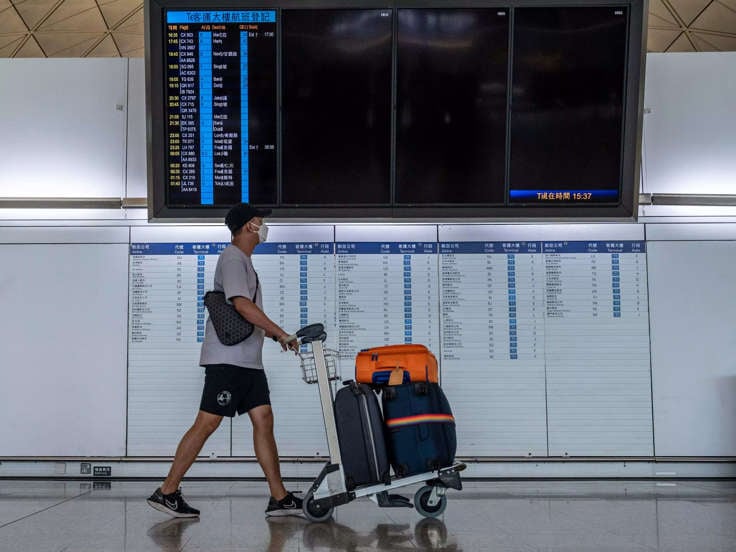
If your flight is cancelled, you can save time by using the airline's app to rebook.
If you decide not to travel because your flight is cancelled, many airlines will refund all or part of the cost of your booked ticket.
Laura Lindsay of Skyscanner recommends purchasing travel insurance because it can assist passengers if their trip encounters problems such as cancellations, disruptions and delays, lost or damaged luggage, and sometimes even covers travel medical expenses, emergency transportation, and damage to rental vehicles.

4. If your luggage is lost, please inform airline staff before leaving the airport.
Typically, if luggage is lost, many major airlines will arrange for it to be transported to your accommodation once it is found.
"You should check if there are any fees or taxes associated with this service, and if so, try to ask the airline to agree to cover them," Lindsay added.
If one of your pieces of luggage is lost at the airport, for insurance purposes, ask the airline to sign the Property Irregularity Report (PIR) form. This is the airline's form acknowledging lost or delayed luggage.
Passengers should keep a signed copy of the declaration form, along with their ticket, baggage tag, receipt, and other relevant documents. Lindsay explained, "These are the first steps in preparing for the possibility of filing a complaint with your airline later."
5. If luggage is lost while traveling internationally, cite the Montreal Convention.
Airlines typically have compensation fees for lost luggage. For example, United Airlines offers a fee of $1,500 if luggage is lost for more than five days. However, even with these policies, receiving compensation can be a lengthy and inconvenient process.
Laura Lindsay stated: "Some airlines try to find ways to completely evade responsibility, despite government and international law regarding what you are asking for."
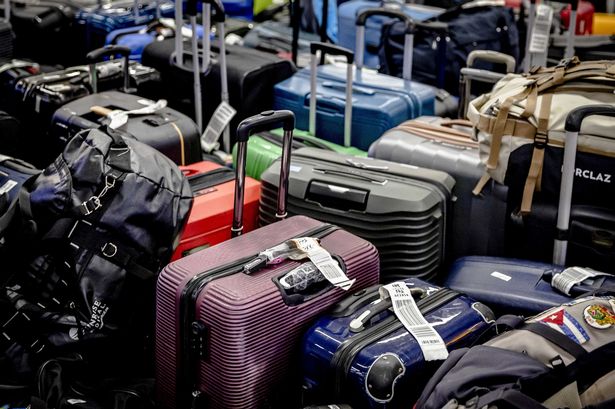
Typically, if luggage is lost, many major airlines will arrange for it to be transported to your accommodation once it is found.
In the event that the airline fails to provide a suitable solution, one of the legal safeguards offering you the best protection is the Montreal Convention – which provides air passengers with protection against lost or damaged baggage on international flights, as well as compensation for death or injury. The treaty has been signed by over 100 countries worldwide.
The amount you are entitled to will vary, and it's important to note that the agreement only applies to flights departing from and arriving between different countries – it does not apply to domestic flights.
6. Book directly with the hotel for the best price.
Sam Tucker, regional sales and marketing director at the Adolphus Hotel in Dallas, Texas, and the Emeline Hotel in Charleston, South Carolina, says the best way to save money is to call or book directly on the hotel's website.
He shared: "Many hotels implement parity rates, meaning you'll find similar deals on their website as on third-party sites like Expedia or Booking.com. When you book directly, cancellation terms are also usually more flexible."

Book directly with the hotel for the best price.
Additionally, when contacting the hotel directly, you should also inquire about loyalty programs or special offers and how to participate.
Jennifer Strum, marketing director of Margaritaville Hollywood Beach Resort in Florida (USA), also agrees that the best option for competitive pricing is to book directly with the hotel.
"Stay updated with regular email newsletters and follow the social media pages of hotels you're interested in to receive notifications about special offers," she said.
7. Ask the hotel staff about room upgrades.
Sam Tucker shared: "Ask the reception if they're willing to help upgrade your room to a nicer one for you to try out. This way, you'll have a better experience and be more likely to book another time."
Additionally, depending on availability or during off-peak seasons, you can negotiate upgrades when booking multi-night stays. Share your vacation style, such as romantic, family, or celebratory, and get recommendations for room types that suit your individual needs.
If you are not satisfied with your check-in, please do not hesitate to contact the person in charge and share your concerns so that you can receive the best possible assistance.
8. Plan ahead and be prepared for all situations.
It's important to be realistic when planning a trip, and you need to know that air travel itineraries can change at the last minute.

Plan ahead and be prepared for all situations.
Do everything you can to ensure a smooth vacation by booking your flights early and purchasing insurance. Be prepared for potential complications at the airport. Most importantly, whatever you do, don't forget your important travel documents.