VI
VI


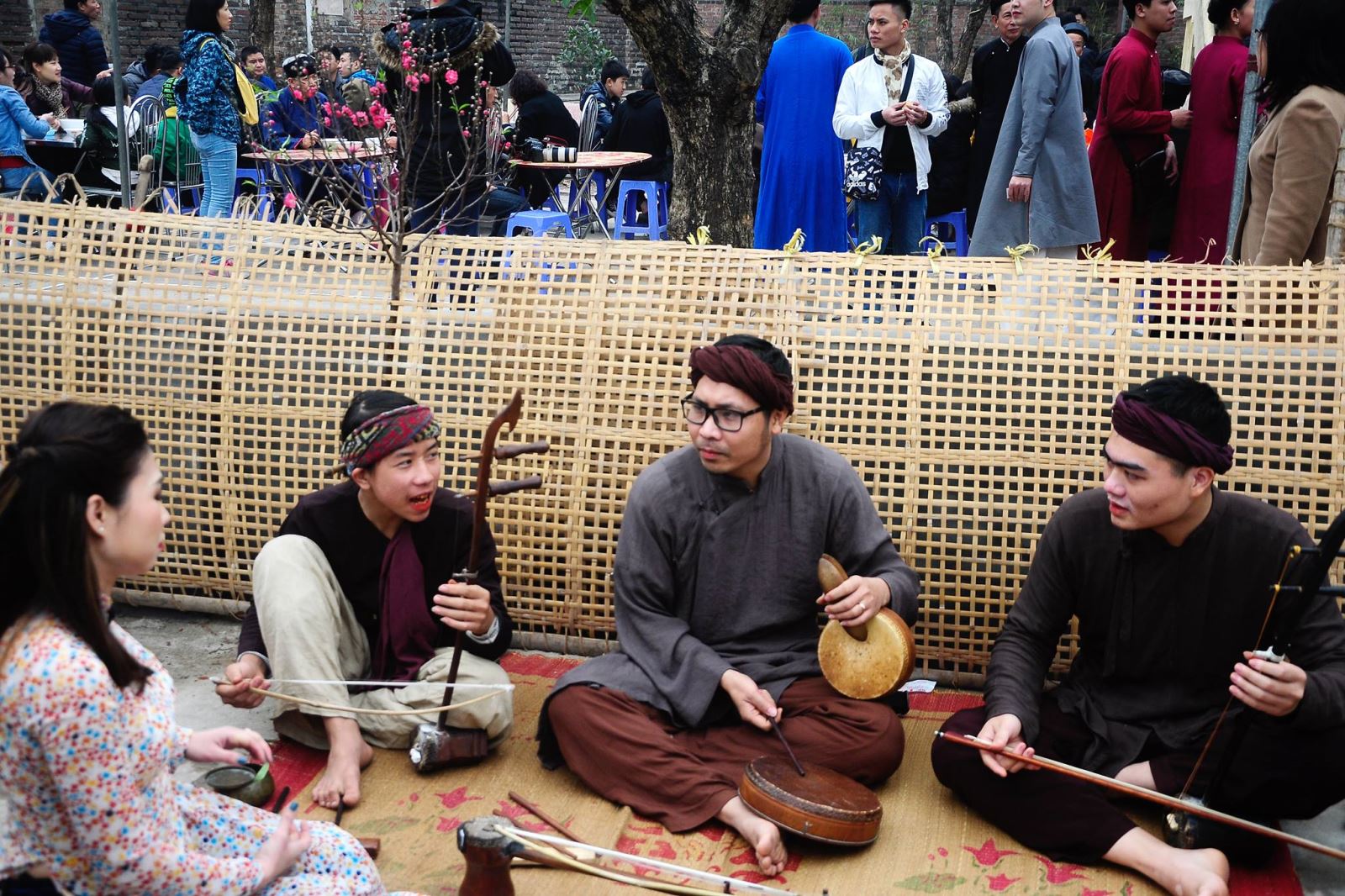
Xẩm serves as a news channel through music, where listeners can perceive pressing social issues. "If in the past, people used the Xẩm style to discuss the fight against illiteracy, now the issue of fighting corruption is incorporated into Xẩm songs to suit the times. Xẩm is 'realistic' and relevant to current events in that respect," shared People's Artist Thanh Ngoan.
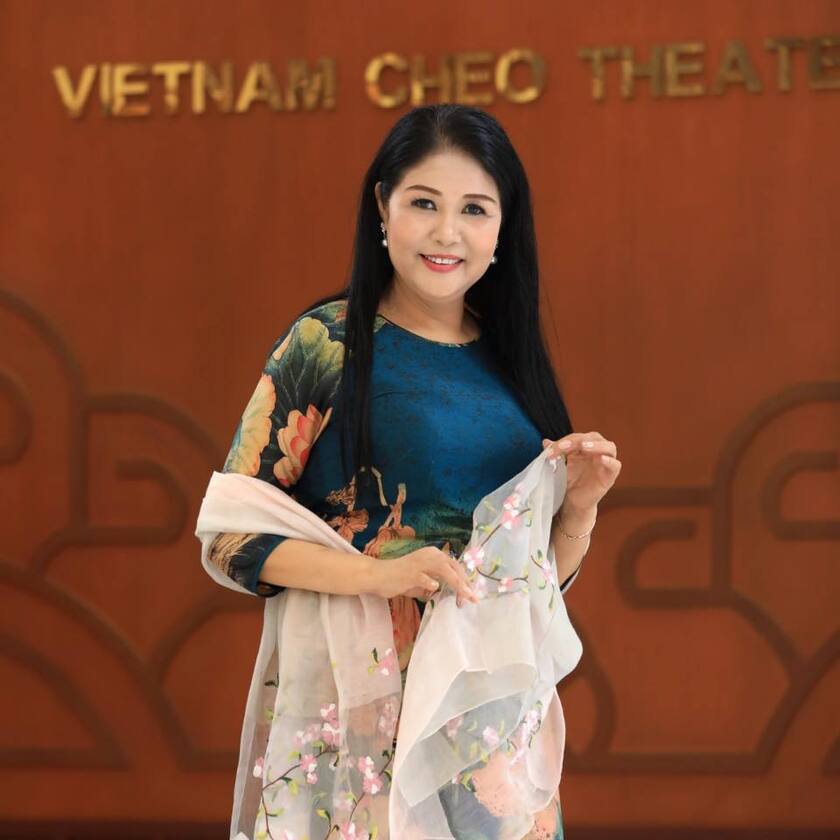
People's Artist Thanh Ngoan has been involved with folk melodies since she was only 9 years old.
Is revitalizing Xẩm (a traditional Vietnamese folk music genre) really necessary?
In earlier Xẩm (a type of Vietnamese folk singing), the lyrics were mostly folk songs, proverbs, and allegorical imagery, primarily using both Nôm and Han characters. Most Xẩm listeners were older people with considerable life experience who could understand the lyrics. Currently, the complexity of the lyrics has been reduced to make them more accessible to a wider audience.
Besides the novelty in content, the artists also diversified the types of musical instruments for Xẩm songs, not only the two-stringed fiddle, the small drum, or the cymbals, but also the bầu lute, the small drum, the flute, and the cymbal…
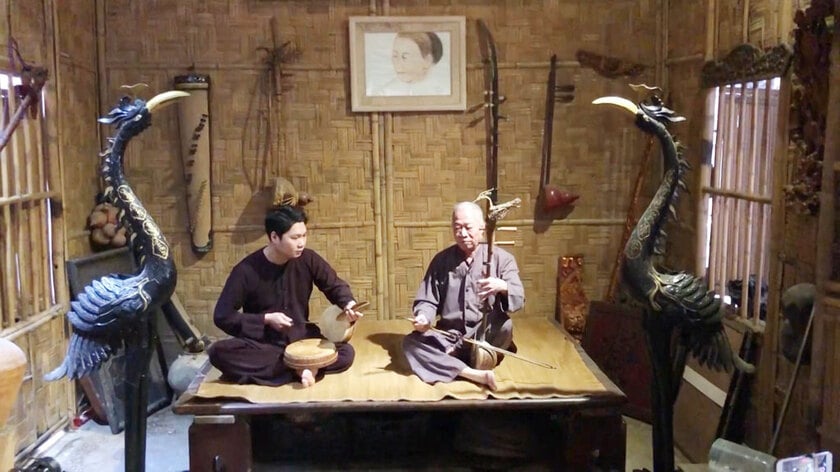
In the old days, Xẩm performances could last from morning until afternoon, making it a "long-lasting" art form for both the audience and the Xẩm singers.
The turning point for Xẩm (a traditional Vietnamese folk singing style) came in 2005, when numerous Xẩm singing competitions were organized, and Xẩm began to "change" to suit the tastes of the audience. The basic requirement for a Xẩm song is, first and foremost, a clear structure. The Xẩm singer also needs to tell a story more concisely, not as drawn-out as before.
In the 2020 Hanoi Singing Contest Finals, Ngoc Ha Myo delivered a unique performance based on the song "Xam Cho Dong Xuan" (Dong Xuan Market Xam). She presented a fresh, youthful arrangement by blending rap, electronic music, and a diverse range of instrument sounds. Her performance was considered one of the most noteworthy events in the folk singing genre.

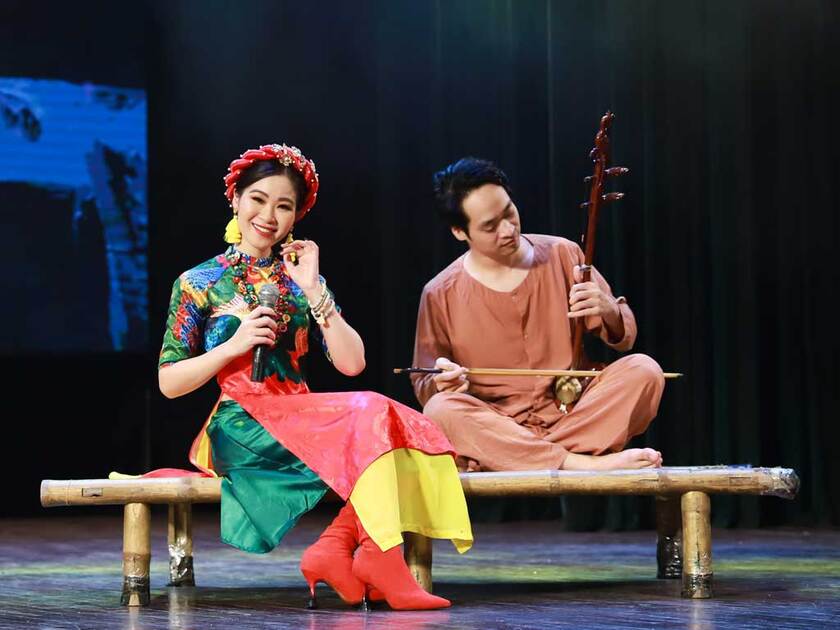
The young female singer frequently combines Rap, EDM, and Xẩm (traditional Vietnamese folk music).
Sharing her perspective on Ngoc Ha Myo's performance, People's Artist Thanh Ngoan said: "Under the guidance of researcher Nguyen Quang Long, the young people developed their performance based on the original 'Xam Cho Dong Xuan'. This can be considered a trendy approach, and also a bridge between Xam art and young people. However, in essence, this is not strictly a Xam song."
She emphasized that, despite changes, traditional Xẩm culture must remain the guiding principle for development. "If people only listen to Xẩm in its new style without thoroughly understanding the original Xẩm, they will easily be mistaken about the core spirit of the Xẩm songs," she added.
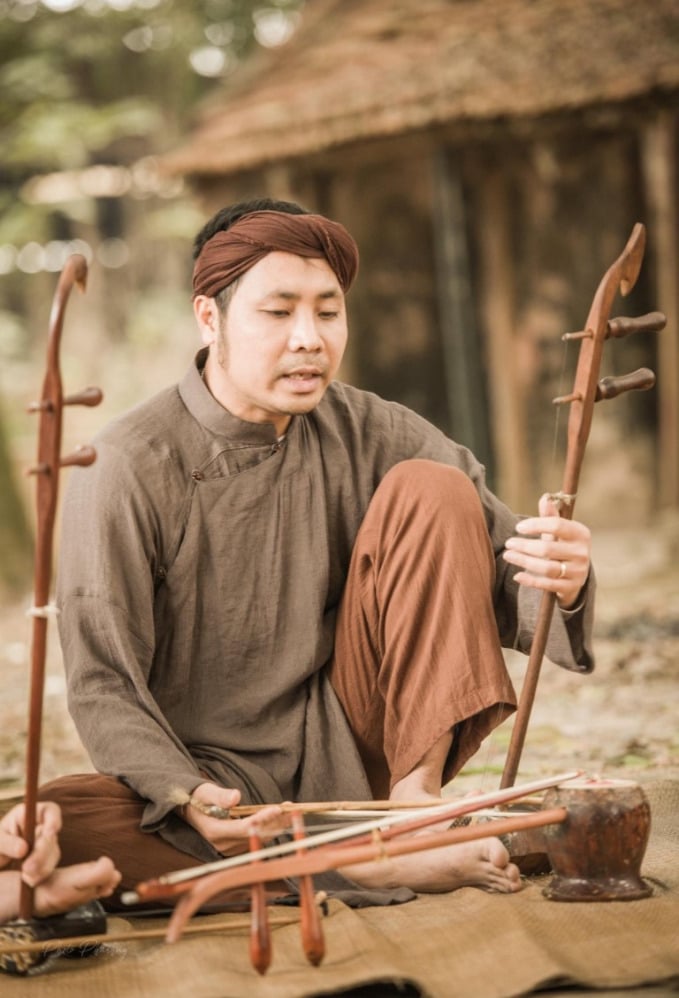
Dao Bach Linh – the last descendant of the Xam singing artist Ha Thi Cau.
Agreeing with her viewpoint, artist Linh Xẩm (Đào Bạch Linh) stated: "It is necessary to understand the core spirit of original Xẩm, viewing it as a solid foundation to 'embellish' the performances. So that when enjoying these works, viewers understand that it is the spirit of Xẩm, not a completely different art form."
To be recognized, Xẩm must necessarily have a life within the community.
Despite its limited melodies, Xẩm remains a valuable artistic legacy from our ancestors, a source of spiritual nourishment for lovers of folk music, and a means of livelihood for poor, visually impaired beggars through singing.
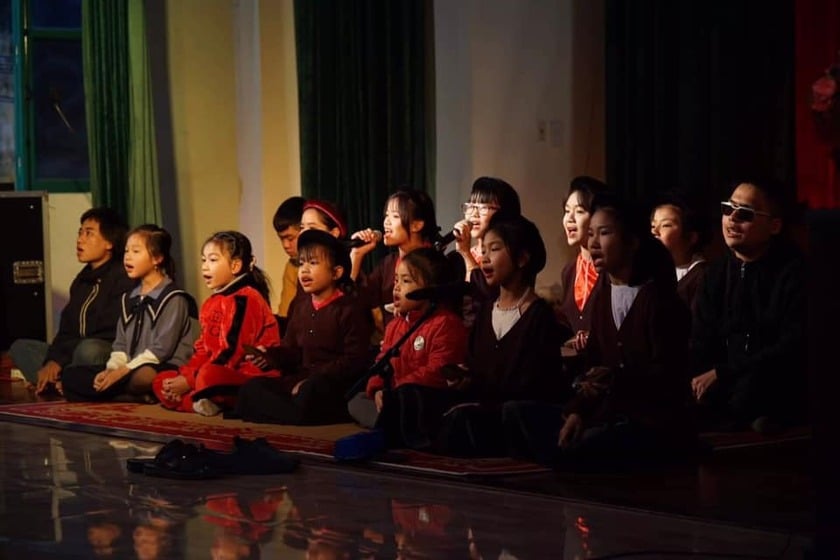
Club members regularly participate in arts competitions, performances, and other events.
The head of the Hai Phong Xam Singing Club, artist Linh Xam, shared: "After four years of researching and pursuing my passion for Xam singing, I decided to establish a Xam group in my hometown of Hai Phong in 2009. After operating for a year, more people gradually became aware of Xam singing, and the local government supported and created conditions for its development."
At the end of 2012, the Hai Phong Xam Club was officially established. I went to the Hai Phong School for the Blind to talk with the principal. With their support, I returned to give guest lectures to the students regularly, twice a week. The club's first members were visually impaired individuals. To this day, even though they have started families and have children, they still participate regularly in the club."
Currently, many Xẩm singing competitions are being organized, and many Xẩm singing clubs are emerging. "That's a positive sign, worthy of recognition and needing to be further promoted," shared People's Artist Thanh Ngoan. However, she also believes that to preserve Xẩm, artists working in this field need to educate the audience about the original Xẩm style to avoid distortion and eventual loss.
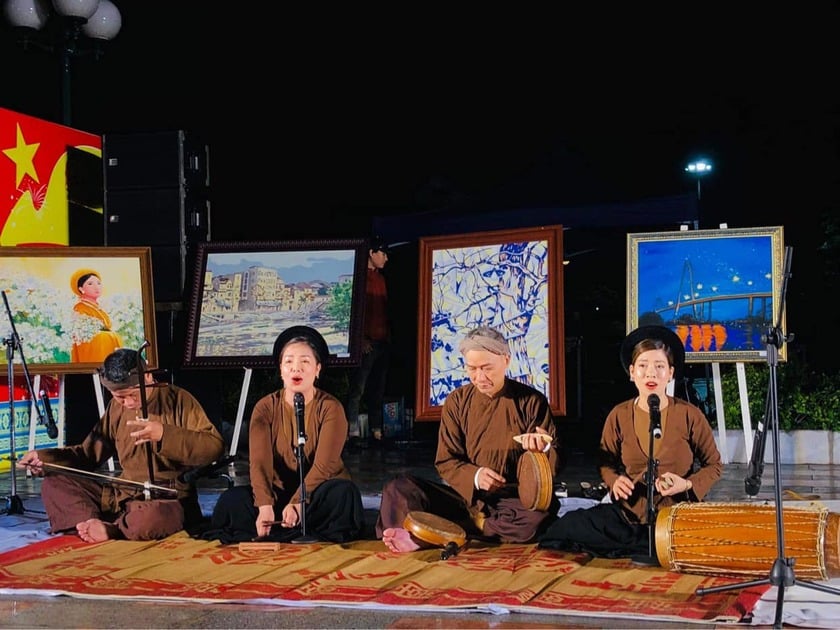
According to Xẩm artist Linh, the quality of training at Xẩm singing clubs needs to be prioritized.
The head of the Hai Phong Xam Singing Club believes that the most important thing is still to focus on quality. "Currently, many clubs are opening up en masse, operating based on existing recordings and tapes, but without understanding the essence, meaning, expression, and true spirit of Xam. Therefore, there needs to be teaching and dissemination of Xam singing knowledge from genuine Xam artists to preserve and protect the beauty of Xam before promoting and modernizing it," Linh Xam stated.
According to information, the Ninh Binh Provincial Party Committee and People's Committee have a policy to revive the local Xam singing art form and have assigned the Department of Culture, Sports and Tourism and the Ninh Binh Cheo Theater to directly implement it so that UNESCO can recognize it as an intangible cultural heritage. "To achieve that, Xam must necessarily have a certain life within the community," concluded People's Artist Thanh Ngoan.