VI
VI


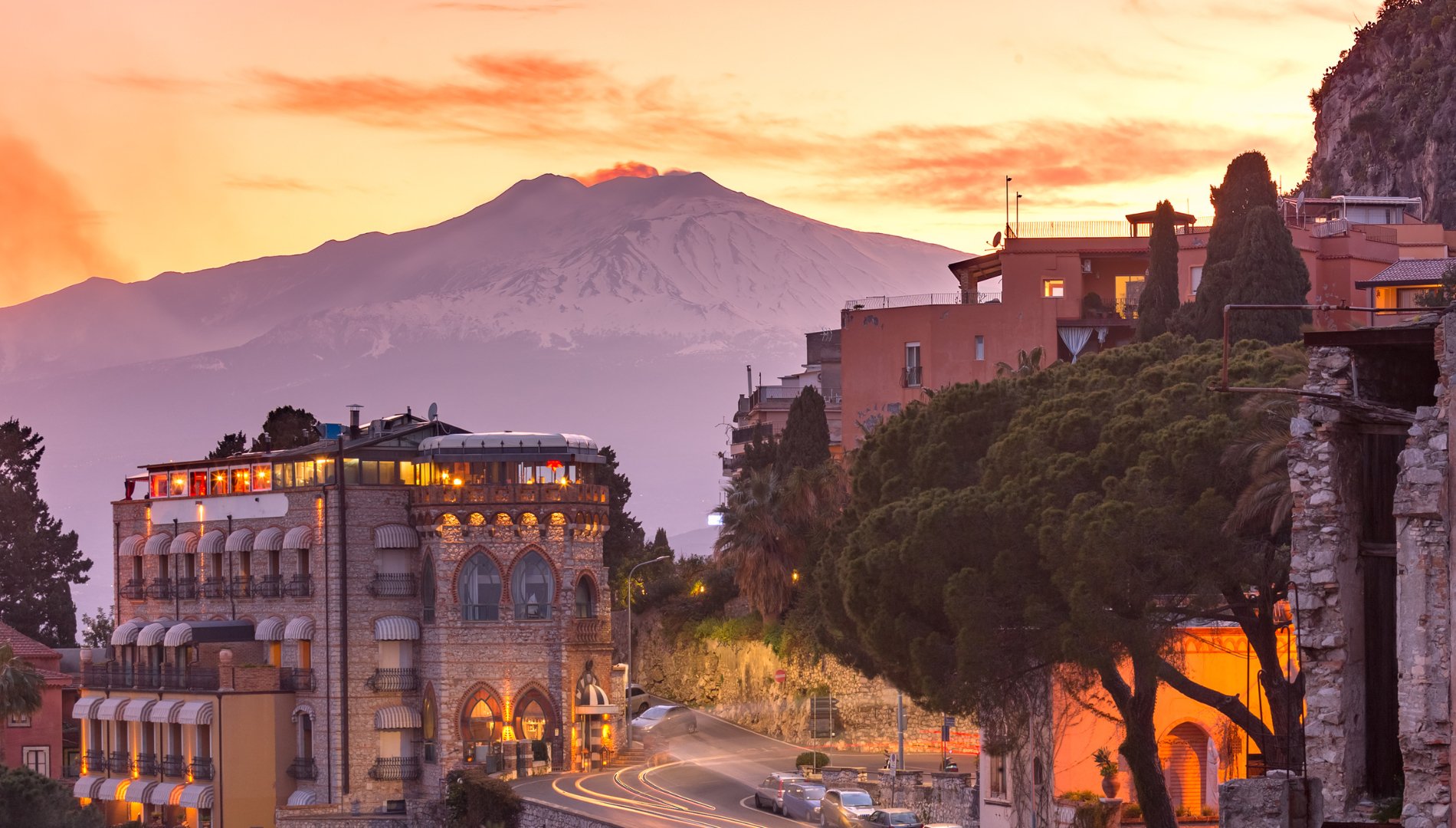
A major eruption at Mount Etna in Italy forced the emergency evacuation of dozens of tourists on June 2nd. Italian authorities said that plumes of hot air, ash, and rocks rose "several kilometers" into the air, creating a dramatic scene on Europe's highest volcano. Videos shared on social media showed long lines of people rushing down the slopes to escape the explosion. According to a tour company, approximately 40 tourists were on the volcano at the time of the eruption.
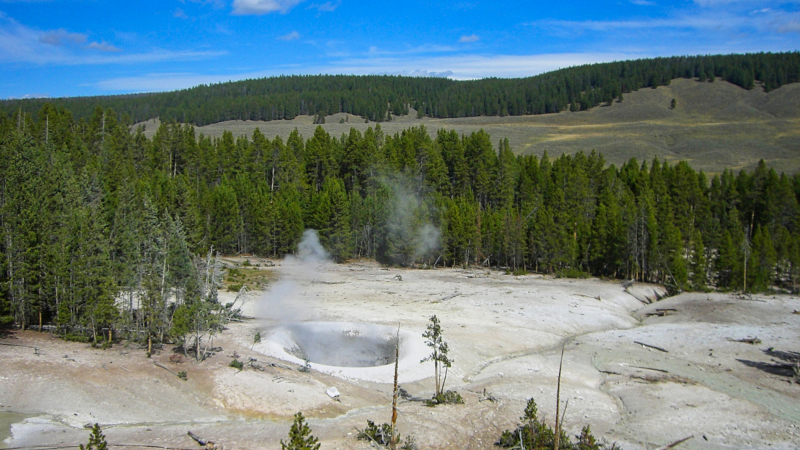
Giuseppe Panfallo, a tour guide from the Go Etna tour company, recorded his group gathering in the distance, before the massive ash cloud. "We were almost grazed, look at the smoke," Panfallo said in the video. "Just two steps away and luckily, we had a responsible guide with us."
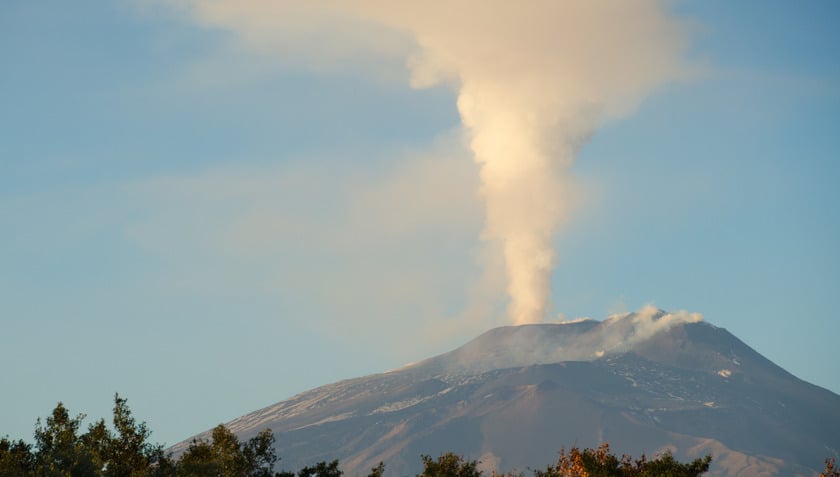
The spectacular eruption of Mount Etna in Sicily, Italy, attracted thousands of tourists, but traffic congestion hampered rescue efforts.
The Sicilian Civil Protection Agency stated that approximately a dozen tour companies operate on Mount Etna at any given time. The Italian Institute of Geophysics and Volcanology confirmed that all nearby tourists and hikers were safely evacuated immediately upon the eruption.
The observatory noted that the eruption had ended late that evening, and confirmed that all three lava flows "are now cooling." Scattered ash eruptions continued near the volcano's summit, but the intensity of the tremors had decreased to "low levels."

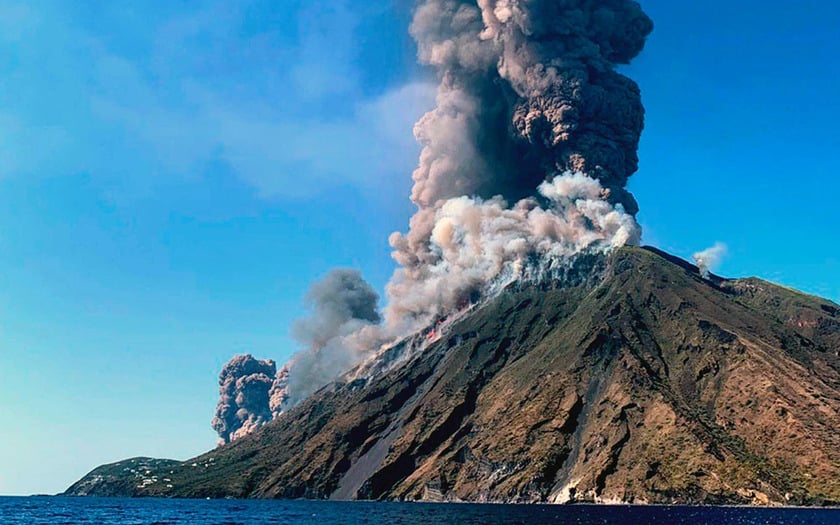
Smoke rises from Mount Etna as tourists flee the latest eruption.
Renato Schifani, the leader of the Sicilian region, reassured the public that "there is no danger to the people" at the moment. He also thanked the local rescue teams for doing their utmost to monitor and ensure the safety of the people. However, he advised hikers to take maximum precautions and avoid the volcano's summit area until further notice, considering the possibility of a recurrence of this phenomenon.
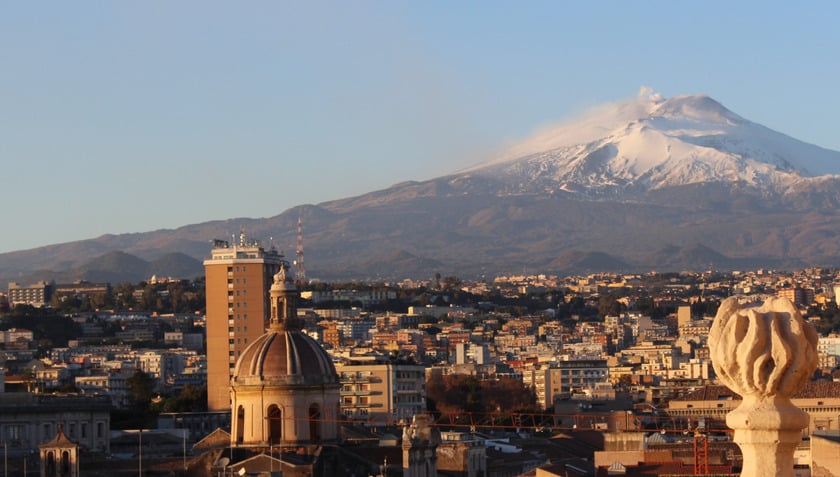
According to the observatory, although Etna is one of the world's most active volcanoes, it has not erupted with such intensity since 2014.
On social media, the sounds of the eruption on the night of June 1st could be heard as far away as Taormina and Catania, about 50 km and 40 km away, respectively. Alessio Zocco, 33, a hiking guide who works on the volcano, shared that the eruption on June 2nd initially seemed similar to others, but was accompanied by a sudden, powerful explosion. "It was a dramatic moment, but luckily it was short-lived," he said.
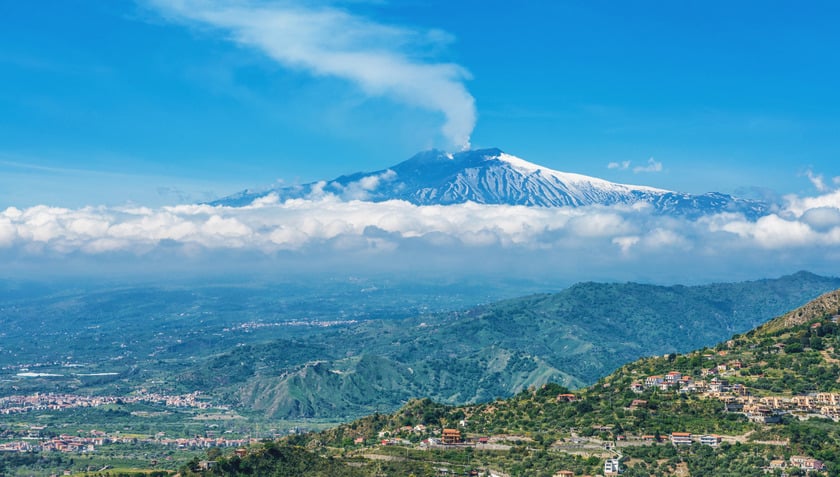
Mount Etna offers the majestic and unpredictable beauty of nature, but also provides visitors with the most powerful and astonishing experience.
The observatory added that these eruptions usually stop quickly, although the explosions are still intensifying and the mountain is spewing out very small amounts of lava and fire. Preliminary observations suggest that "partial collapse" on the northern flank of the southeastern crater created the impressive lava flows in recent eruptions.
Catania's mayor, Enrico Tarantino, said "no ash will fall on Catania," although authorities had prepared to advise residents to seek shelter if the wind changed direction. Currently, the wind is not blowing ash in that direction, so the airports in Catania and Palermo remain open.
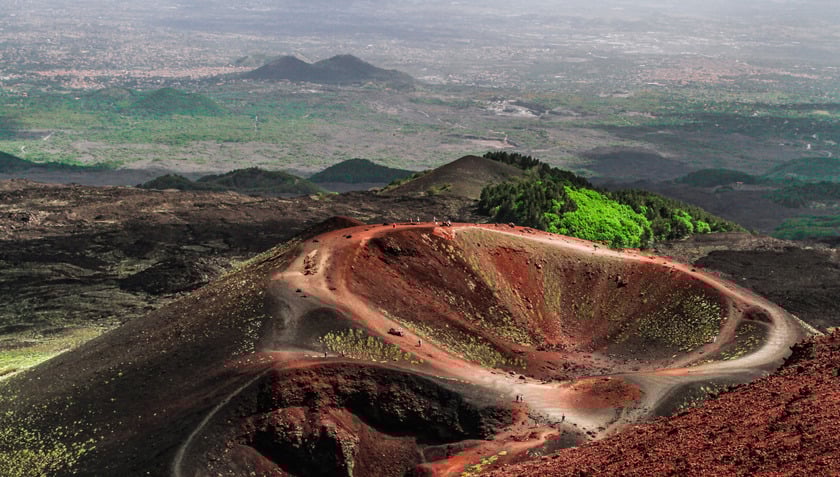
Tourists should exercise caution and stay away from the crater rim when visiting and exploring this area.
However, the Sicilian Civil Protection Agency has instructed all flights to avoid the volcanic area. Several flights from Catania have been diverted to Palermo, according to Flight Radar Data. Many roads leading to the volcano have also been closed to prevent people from accessing the dangerous area.
Mount Etna, with approximately 1.5 million visitors annually, is a popular tourist destination in Italy. Many of them choose to hike almost the entire way to the summit. This volcano is believed to have the longest history of eruptions, with records dating back to 425 BC. The last time Etna erupted violently with ash and lava was in December 2023.