VI
VI


Past Lives revolves around a love triangle between Nora, Hae Sung, and Arthur. Nora (Greta Lee) and Hae Sung (Yoo Teo) first met in Korea when they were 12 years old. They quickly became close friends, like siblings. However, when Nora's family emigrated to Canada, the two were separated.
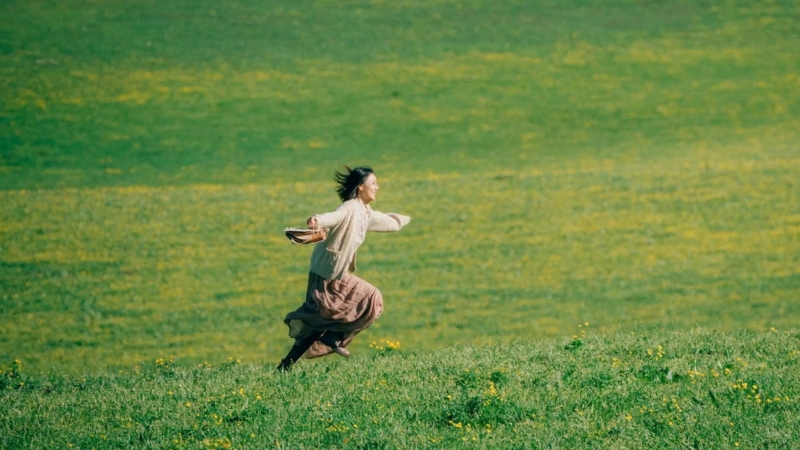

Years later, Nora (Greta Lee) becomes a successful screenwriter in New York, while Hae Sung (Yoo Teo) remains in Korea, working for a publishing company. Time passes, and Nora and Hae Sung reunite in their 30s, but Nora is now married to Arthur (John Magaro). Upon meeting again, Nora and Hae Sung realize they still harbor strong feelings for each other. However, life has changed dramatically since their separation.

"Past Lives", the cycle of fate
"I came later in a love where I came first."
"Past Lives" offers a fresh perspective on the concept of "in-yeon" (인연, or fate/destiny) through the tumultuous love story of Nora and Hae Sung. The drama begins with sweet childhood memories, where the two young people shared a beautiful friendship. However, life led them down different paths, and when they meet again after many years, they realize that their feelings for each other remain intact. Nora and Hae Sung believe they are destined to be together, but will their love be strong enough to overcome geographical distance, cultural differences, and other life choices?

"People will love those who are like themselves, or who they once were, or who they want to become."
During their brief week in New York, Nora and Hae Sung engaged in profound conversations about childhood, unfulfilled dreams, and life choices. Questions about love, destiny, and the meaning of life were raised and answered. Each conversation had its own unique tone, sometimes sweet, sometimes poignant, sometimes somber, leaving viewers deeply moved. The pauses between sentences acted like ellipses, opening up space for the audience to reflect and feel.

"Innumerable lifetimes of love," our existence in this life is the result of countless previous lives.

How regrettable would it be to meet the right person at the wrong time?
The unfinished nature of that love story is what makes Past Lives so uniquely appealing. Both Yoo Teo and Greta Lee excel at conveying the film's incredibly unique messages and emotions to the audience. Nora is a modern, independent woman, yet she harbors many secrets and inner struggles. Meanwhile, the character Hae Sung scores points with his innocent, kind, yet extremely understanding and sensitive personality.


When two strangers cross paths, there are "8,000 layers of destiny" involved.
"Old flames never die" or "love triangle" are phrases that could be used to describe this story, but Past Lives is more than that. The relationships between the characters in the film, and the situations created by the screenwriter/director, offer viewers wonderful insights into love and humanity, all within the complex yet magical interplay of fate and destiny.
A unique cinematic language
Past Lives captivates viewers from the very beginning, unfolding through the perspective of an "outsider," a stranger passing by. The three main characters sit behind a bar, and we begin to speculate about their relationship. Director Celine Song tells the story as if trying to eliminate any drama, but subtly weaves in "fate's tricks" capable of causing more profound emotional turmoil than any argument, shouting, or escape.

According to director Celine Song, Past Lives is a film "about three people trying their best to become adults."
Hae Sung's words in that scene were like a knife cutting into the viewer's heart. They not only revealed the character's inner turmoil but also provoked profound reflections on love, sacrifice, and human limitations. "I really didn't imagine that cherishing your husband could be this painful." Hae Sung's words were like a startled sigh, touching the deepest, most hidden corners of the viewer's soul. They not only revealed the character's unspoken pain but also stirred reflections on love and the complexity of the three-person relationship.
Past Lives is not a film of clichés or over-the-top action. It's a slow, gentle film, gradually enriched by ordinary everyday situations and subtly romantic dialogues and actions. Every line of dialogue and every action of the characters is meticulously crafted, creating a genuine and profound emotional picture.
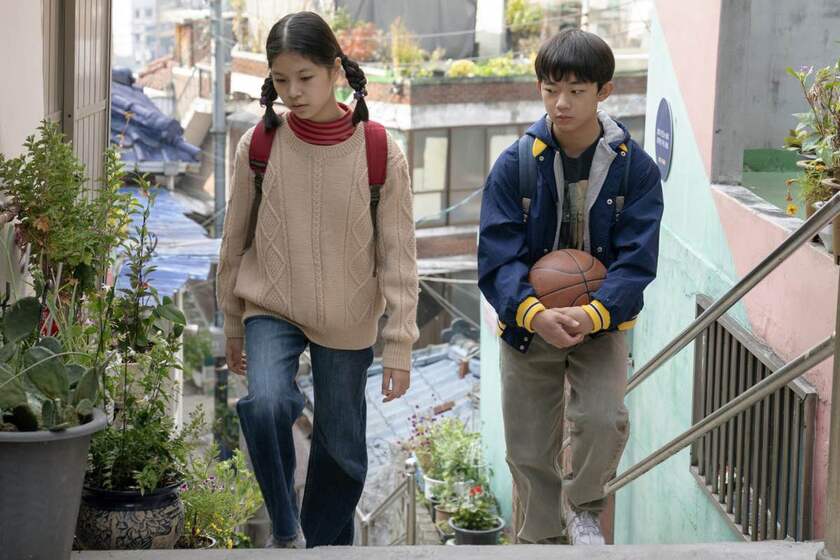
The director shared: "This is a film without dramatic declarations of love, without tearful scenes, and without villains. But that doesn't mean the film lacks depth and complexity."
Director Celine Song's choice of camera angles and shots also demonstrates her subtlety in telling the story in the most balanced way. She favors long shots that follow the characters' footsteps, placing them against a backdrop of tree-lined parks, rivers, and spacious gardens.

"A fleeting moment of destiny, yet so profound."
It's poetic enough, intimate enough, yet open enough so that viewers don't feel like they're prying into the characters' lives. No matter where they meet, the camera creates a sense of their connection, a feeling that nothing around them matters more than this moment.

The vibration from every small gesture
Ngo Thi Nham once wrote a poem: "A thread of destiny is sent into the vastness," which can be roughly translated as "A thread of fate is entrusted to the boundless expanse." The sentiment in Past Lives seems very close to that line. Past Lives lacks the earth-shattering moments of love; even the medium and wide shots of Hae Sung and Nora reuniting in New York serve as a technique of restraining emotion, a common practice in many Asian works.
In a film world overflowing with sappy romances, "Past Lives" stands out as a breath of fresh air. The film doesn't attempt unexpected twists or cliché dialogue. Instead, it chooses to tell a genuine story, relatable to everyday life. The ending, while not a literal happy ending, leaves viewers with a sense of peace and fulfillment. It's an ending of acceptance, growth, and timeless love.